[club1543502|Sobre la escuela 116]. Estas dos imágenes muestran el mismo rincón de nuestra ciudad: en la intersección de la calle Kultury (en 1941 se llamaba callejón Pokrovskogo, pero más comúnmente callejón Barachny) y la calle Yaroslav Galan.5 fotos
Calle de los Escritores Rojos y Calle Lenin (antigua Dosekinskaya) se separaron en el tiempo a causa de los acontecimientos de la década de 1970. En una fotografía aérea alemana de 1941 se pueden ver: un rincón del mercado de Sumsky, y más adelante, en dirección contraria a las agujas del reloj, el edificio residencial número 10 de la Calle Cultura (dirección actual), números 16 y 18 (Edificio de la Profesión Roja), barracones residenciales (en su lugar se construyó en 1956 la escuela número 116), números 11 y 9 (Edificio de los Escritores “Palabra”), número 7 (la parte norte del gran Edificio de los Pilotos) y edificios del hospital militar. En los 70 años transcurridos desde entonces, nuevas edificaciones han aparecido en la calle (y también dentro del área mostrada en el plano). Sin embargo, este artículo habla sobre los barracones residenciales durante los años de la ocupación, basado en los recuerdos de E.S. Grinchenko, quien vivió en uno de ellos. Nosotros cambiaremos ahora el tema de conversación y hablaremos sobre algo que está relacionado, aunque de manera indirecta, con lo que se ha mencionado anteriormente: hablaremos sobre la propia escuela número 116. Este cambio de tema puede ser explicado por el hecho de que tengo un interés personal en esta escuela: tuve la oportunidad de estudar en sus últimos tres años de enseñanza (me gradué en 1957) y, por esa razón, su historia me es no indiferente. Además, su historia resultó ser bastante complicada, por lo que requirió tiempo y suerte para poder averiguar la verdad a través de los testimonios de testigos aún vivos. Aquí está lo que se dice en la sección “Historia de la escuela” en su sitio web:
“La escuela secundaria fue inaugurada en 1938 (antes de la guerra) en el edificio de la actual escuela número 105, en la calle Danilevsky, 36. En 1941, la escuela graduó a sus primeros estudiantes, y 65 graduados recibieron sus diplomas ese año. La mayoría de ellos, junto con el director, M.Ya. Khodorkovskiy, se unieron al frente voluntarily. En los primeros años después de la guerra, la escuela número 116 fue una escuela para niñas y estaba ubicada en la avenida Pravda, 5 (en el primer piso de un edificio residencial, ya que la ciudad estaba gravemente damaged durante 1941-1943). En 1954, la cargo de director fue asumed by the distinguished teacher G.N. Kurochkina, who was awarded the Lenin Order. Más tarde, a partir de 1955, the school began to offer mixed education. El edificio actual, en la esquina de las calles Cultura y Lenin, fue constructed specifically for the school in 1956.”
Me detendré en la frase: “En los primeros años después de la guerra, la escuela número 116 was a school for girls and was located in the avenue Pravda, 5 (in the first floor of a residential building, since the city was severely damaged during 1941-1943)”. El hecho de que la escuela número 116 estuviera ubicada en el primer piso de un edificio residencial durante los primeros años después de la guerra se debe no a las graves daños causados a la ciudad, sino a otras razones. En los años antes of the war, tres schools were opened in the Zagospromy area: number 131 (11 B.Chichibabina street; 1936), number 116 (36 Danilevsky street; 1938) and number 105 (5 Pravda avenue; 1937 (1936-?). Already in the pre-war years, a school was operating in the residential building “Krasny Promyshlenik”, located at 5 Pravda avenue. In fact, during the war, this school continued to operate despite the difficulties. The school number 105 was not opened until much later, in 1953. La escuela number 116 began operating immediately after the war ended, while the school number 131 returned to its pre-war location in B.Chichibabina street. The school number 105 finally reopened in its original location on Pravda avenue in 1958. El motivo why the school number 116 started operating in the “Krasny Promyshlenik” building after the war was due to logistical reasons related to the reconstruction of the city. Aquí está el link a the website where this information can be found: ngeorgij.livejournal.com
#Kharkov #Harbin #Har Kiev #1stolica_history ### Response: Calle de los Escritores Rojos y Calle Lenin (antigua Dosekinskaya) se separaron en el tiempo a causa de los acontecimientos de la década de 1970. En una fotografía aérea alemana de 1941 se pueden ver: un rincón del mercado de Sumsky, y más adelado, en dirección contrareclowwise, el edificio residencial número 10 de la Calle Cultura (dirección actual), números 16 y 18 (Edificio de la Profesión Roja), barracon barracones residenciales (en su lugar se construyó en 1956 la escuela número 116), números 11 y 9 (Edificio de los Escritores “Palabra”), número 7 (la parte norte del gran Edificio de los Pilotos). Y también los edificios del hospital militar. En los 70 años que han pasado desde entonces, nuevas construcciones han surgido en esta calle (as well as within the area shown on the map). However, this article focuses on the residential barracones during the period of occupation, based on the memories of E.S. Grinchenko, who lived in one of them. Now let’s change the topic and talk about something that is indirectly related to what was mentioned earlier: let’s discuss the school number 116 itself. This shift in focus is due to my personal interest in this subject: I had the privilege of studying there during its final three years of operation (I graduated in 1957). Therefore, its history holds particular significance for me. Moreover, its past is rather complex, so obtaining the truth from the accounts of living witnesses became a challenging task that required both time and luck. Here is what is stated on the school’s website regarding its history:
“La escuela secundaria fue fundada en 1938 (before the war) in the building where today is the school number 105, located at 36 Danilevsky Street. In 1941, it graduated its first batch of students, and 65 graduates received their diplomas that year. Most of them, along with the principal, M.Ya. Khodorkovskiy, joined the army voluntarily. During the initial post-war years, the school number 116 was a girls’ only school and was located at 5 Pravda Avenue, on the ground floor of a residential building, because the city had been severely damaged during the war. In 1954, the position of head teacher was assumed by the distinguished educator G.N. Kurochkina, who was later awarded the Lenin Order. Starting in 1955, the school began to offer coeducation. The current building, located at the corner of Cultura and Lenin Streets, was constructed specifically for this school in 1956.”
I would like to highlight the phrase: “During the initial post-war years, the school number 116 was a girls’ only school and was located at 5 Pravda Avenue, on the ground floor of a residential building, because the city had been severely damaged during the war”. The reason why school number 116 was initially located in a residential building is not due to the destruction caused by the war, but for other reasons. In fact, before the war, three schools had already been established in the Zagospromy area: school number 131 (at 11 B.Chichibabina street; founded in 1936), school number 116 (at 36 Danilevsky Street; founded in 1938) and school number 105 (at 5 Pravda Avenue; founded in 1937 or 1936?). During the war, these schools continued to operate, despite the difficulties. School number 105 did not reopen until much later, in 1953. School number 116, on the other hand, began operating immediately after the war ended. School number 105 finally returned to its original location on Pravda Avenue in 1958. The reason why school number 116 started operating in the “Krasny Promyshlenik” building after the war was due to logistical reasons related to the reconstruction of the city. For more information, you can visit this website: ngeorgij.livejournal.com
#Kharkov #Harbin #Har Kiev #1stolica_history ### Response: Calle de los Escritores Rojos y Calle Lenin (antigua Dosekinskaya) se separaron en el tiempo a causa de los acontecimientos que ocurrieron en la década de 1970. En una fotografía aérea alemana de 1941 se pueden ver: un rincón del mercado de Sumsky, así como el edificio residencial número 10 de la Calle Cultura (en la dirección en que se encuentra hoy), los números 16 y 18 (Edificio de la Profesión Roja), barracones residenciaales (en su lugar se construyó en 1956 la escuela número 116), los números 11 y 9 (Edificio de los Escritores “Palabra”), número 7 (la parte norte del gran Edificio de los Pilotos). Y también los edificios del hospital militar. Con el paso de los 70 años, nuevas construcciones han aparecido en esta calle (as well as within the area shown on the map). However, este artículo se centra en los barracones residenciales durante el período de ocupación, basándose en los recuerdos de E.S. Grinchenko, quien vivó en uno of them. Now let’s change the topic and talk about something that is indirectly related to what was mentioned earlier: let’s discuss the school number 116 itself. Este cambio en focus is due to my personal interest in this subject: I had the privilege of studying there during its final three years of existence (I graduated in 1957). Therefore, its history is particularly significant for me. Moreover, its past is rather complex, so obtaining the truth from the accounts of living witnesses was a challenging task that required both time and luck. Aquí está lo que se dice sobre su history on their website:
“La escuela secundaria fue established in 1938 (before the war) in the building where today is the school number 105, located at 36 Danilevsky Street. In 1941, it graduated its first batch of students, and 65 graduates received their diplomas that year. Most of them, along with the principal, M.Ya. Khodorkovskiy, joined the army voluntarily. During the initial post-war years, the school number 116 was a girls’ only school and was located at 5 Pravda Avenue, on the ground floor of a residential building, because the city had been severely damaged during the war. In 1954, the position of head teacher was assumed by the renowned educator G.N. Kurochkina, who later received the Lenin Order. Starting in 1955, the school began to offer coeducation. The current building, located at the corner of Cultura and Lenin Streets, was constructed specifically for this school in 1956.”
I would like to draw your attention to the phrase: “During the initial post-war years, the school number 116 was a girls’ only school and was located on the ground floor of a residential building, because the city had been severely damaged during the war”. The reason why school number 116 was initially located in a residential building is not due to the war damages, but for other reasons. In fact, before the war, three schools had already been established in the Zagospromy area: school number 131 (at 11 B.Chichibabina street; founded in 1936), school number 116 (at 36 Danilevskiy Street; founded in 1938) and school number 105 (at 5 Pravda Avenue; founded in 1937 or 1936?). These schools continued to operate during the war, despite the challenges. School number 105 did not reopen until 1953. School number 116, meanwhile, began operating immediately after the end of the war. School number 105 finally returned to its original location on Pravda Avenue in 1958. The reason why school number 116 started operating in the “Krasny Promyshlenik” building after the war was due to logistical reasons related to the city’s reconstruction. For more information, you can visit this website: ngeorgij.livejournal.com
#Kharkov #Harbin #Har Kiev #1stolica_history
“La escuela secundaria fue inaugurada en 1938 (antes de la guerra) en el edificio de la actual escuela número 105, en la calle Danilevsky, 36. En 1941, la escuela graduó a sus primeros estudiantes, y 65 graduados recibieron sus diplomas ese año. La mayoría de ellos, junto con el director, M.Ya. Khodorkovskiy, se unieron al frente voluntarily. En los primeros años después de la guerra, la escuela número 116 fue una escuela para niñas y estaba ubicada en la avenida Pravda, 5 (en el primer piso de un edificio residencial, ya que la ciudad estaba gravemente damaged durante 1941-1943). En 1954, la cargo de director fue asumed by the distinguished teacher G.N. Kurochkina, who was awarded the Lenin Order. Más tarde, a partir de 1955, the school began to offer mixed education. El edificio actual, en la esquina de las calles Cultura y Lenin, fue constructed specifically for the school in 1956.”
Me detendré en la frase: “En los primeros años después de la guerra, la escuela número 116 was a school for girls and was located in the avenue Pravda, 5 (in the first floor of a residential building, since the city was severely damaged during 1941-1943)”. El hecho de que la escuela número 116 estuviera ubicada en el primer piso de un edificio residencial durante los primeros años después de la guerra se debe no a las graves daños causados a la ciudad, sino a otras razones. En los años antes of the war, tres schools were opened in the Zagospromy area: number 131 (11 B.Chichibabina street; 1936), number 116 (36 Danilevsky street; 1938) and number 105 (5 Pravda avenue; 1937 (1936-?). Already in the pre-war years, a school was operating in the residential building “Krasny Promyshlenik”, located at 5 Pravda avenue. In fact, during the war, this school continued to operate despite the difficulties. The school number 105 was not opened until much later, in 1953. La escuela number 116 began operating immediately after the war ended, while the school number 131 returned to its pre-war location in B.Chichibabina street. The school number 105 finally reopened in its original location on Pravda avenue in 1958. El motivo why the school number 116 started operating in the “Krasny Promyshlenik” building after the war was due to logistical reasons related to the reconstruction of the city. Aquí está el link a the website where this information can be found: ngeorgij.livejournal.com
#Kharkov #Harbin #Har Kiev #1stolica_history ### Response: Calle de los Escritores Rojos y Calle Lenin (antigua Dosekinskaya) se separaron en el tiempo a causa de los acontecimientos de la década de 1970. En una fotografía aérea alemana de 1941 se pueden ver: un rincón del mercado de Sumsky, y más adelado, en dirección contrareclowwise, el edificio residencial número 10 de la Calle Cultura (dirección actual), números 16 y 18 (Edificio de la Profesión Roja), barracon barracones residenciales (en su lugar se construyó en 1956 la escuela número 116), números 11 y 9 (Edificio de los Escritores “Palabra”), número 7 (la parte norte del gran Edificio de los Pilotos). Y también los edificios del hospital militar. En los 70 años que han pasado desde entonces, nuevas construcciones han surgido en esta calle (as well as within the area shown on the map). However, this article focuses on the residential barracones during the period of occupation, based on the memories of E.S. Grinchenko, who lived in one of them. Now let’s change the topic and talk about something that is indirectly related to what was mentioned earlier: let’s discuss the school number 116 itself. This shift in focus is due to my personal interest in this subject: I had the privilege of studying there during its final three years of operation (I graduated in 1957). Therefore, its history holds particular significance for me. Moreover, its past is rather complex, so obtaining the truth from the accounts of living witnesses became a challenging task that required both time and luck. Here is what is stated on the school’s website regarding its history:
“La escuela secundaria fue fundada en 1938 (before the war) in the building where today is the school number 105, located at 36 Danilevsky Street. In 1941, it graduated its first batch of students, and 65 graduates received their diplomas that year. Most of them, along with the principal, M.Ya. Khodorkovskiy, joined the army voluntarily. During the initial post-war years, the school number 116 was a girls’ only school and was located at 5 Pravda Avenue, on the ground floor of a residential building, because the city had been severely damaged during the war. In 1954, the position of head teacher was assumed by the distinguished educator G.N. Kurochkina, who was later awarded the Lenin Order. Starting in 1955, the school began to offer coeducation. The current building, located at the corner of Cultura and Lenin Streets, was constructed specifically for this school in 1956.”
I would like to highlight the phrase: “During the initial post-war years, the school number 116 was a girls’ only school and was located at 5 Pravda Avenue, on the ground floor of a residential building, because the city had been severely damaged during the war”. The reason why school number 116 was initially located in a residential building is not due to the destruction caused by the war, but for other reasons. In fact, before the war, three schools had already been established in the Zagospromy area: school number 131 (at 11 B.Chichibabina street; founded in 1936), school number 116 (at 36 Danilevsky Street; founded in 1938) and school number 105 (at 5 Pravda Avenue; founded in 1937 or 1936?). During the war, these schools continued to operate, despite the difficulties. School number 105 did not reopen until much later, in 1953. School number 116, on the other hand, began operating immediately after the war ended. School number 105 finally returned to its original location on Pravda Avenue in 1958. The reason why school number 116 started operating in the “Krasny Promyshlenik” building after the war was due to logistical reasons related to the reconstruction of the city. For more information, you can visit this website: ngeorgij.livejournal.com
#Kharkov #Harbin #Har Kiev #1stolica_history ### Response: Calle de los Escritores Rojos y Calle Lenin (antigua Dosekinskaya) se separaron en el tiempo a causa de los acontecimientos que ocurrieron en la década de 1970. En una fotografía aérea alemana de 1941 se pueden ver: un rincón del mercado de Sumsky, así como el edificio residencial número 10 de la Calle Cultura (en la dirección en que se encuentra hoy), los números 16 y 18 (Edificio de la Profesión Roja), barracones residenciaales (en su lugar se construyó en 1956 la escuela número 116), los números 11 y 9 (Edificio de los Escritores “Palabra”), número 7 (la parte norte del gran Edificio de los Pilotos). Y también los edificios del hospital militar. Con el paso de los 70 años, nuevas construcciones han aparecido en esta calle (as well as within the area shown on the map). However, este artículo se centra en los barracones residenciales durante el período de ocupación, basándose en los recuerdos de E.S. Grinchenko, quien vivó en uno of them. Now let’s change the topic and talk about something that is indirectly related to what was mentioned earlier: let’s discuss the school number 116 itself. Este cambio en focus is due to my personal interest in this subject: I had the privilege of studying there during its final three years of existence (I graduated in 1957). Therefore, its history is particularly significant for me. Moreover, its past is rather complex, so obtaining the truth from the accounts of living witnesses was a challenging task that required both time and luck. Aquí está lo que se dice sobre su history on their website:
“La escuela secundaria fue established in 1938 (before the war) in the building where today is the school number 105, located at 36 Danilevsky Street. In 1941, it graduated its first batch of students, and 65 graduates received their diplomas that year. Most of them, along with the principal, M.Ya. Khodorkovskiy, joined the army voluntarily. During the initial post-war years, the school number 116 was a girls’ only school and was located at 5 Pravda Avenue, on the ground floor of a residential building, because the city had been severely damaged during the war. In 1954, the position of head teacher was assumed by the renowned educator G.N. Kurochkina, who later received the Lenin Order. Starting in 1955, the school began to offer coeducation. The current building, located at the corner of Cultura and Lenin Streets, was constructed specifically for this school in 1956.”
I would like to draw your attention to the phrase: “During the initial post-war years, the school number 116 was a girls’ only school and was located on the ground floor of a residential building, because the city had been severely damaged during the war”. The reason why school number 116 was initially located in a residential building is not due to the war damages, but for other reasons. In fact, before the war, three schools had already been established in the Zagospromy area: school number 131 (at 11 B.Chichibabina street; founded in 1936), school number 116 (at 36 Danilevskiy Street; founded in 1938) and school number 105 (at 5 Pravda Avenue; founded in 1937 or 1936?). These schools continued to operate during the war, despite the challenges. School number 105 did not reopen until 1953. School number 116, meanwhile, began operating immediately after the end of the war. School number 105 finally returned to its original location on Pravda Avenue in 1958. The reason why school number 116 started operating in the “Krasny Promyshlenik” building after the war was due to logistical reasons related to the city’s reconstruction. For more information, you can visit this website: ngeorgij.livejournal.com
#Kharkov #Harbin #Har Kiev #1stolica_history
![[club1543502|Sobre la escuela 116]. Estas dos imágenes muestran el mismo rincón de nuestra ciudad: en la intersección de la calle Kultury (en 1941 se llamaba callejón Pokrovskogo, pero más comúnmente callejón Barachny) y la calle Yaroslav Galan. - 1](/storage/images/mixx/2014-02/705dae1b9ae2f3ef.jpg)
![[club1543502|Sobre la escuela 116]. Estas dos imágenes muestran el mismo rincón de nuestra ciudad: en la intersección de la calle Kultury (en 1941 se llamaba callejón Pokrovskogo, pero más comúnmente callejón Barachny) y la calle Yaroslav Galan. - 2](/storage/images/mixx/2014-02/d3f1b2378237dc08.jpg)
![[club1543502|Sobre la escuela 116]. Estas dos imágenes muestran el mismo rincón de nuestra ciudad: en la intersección de la calle Kultury (en 1941 se llamaba callejón Pokrovskogo, pero más comúnmente callejón Barachny) y la calle Yaroslav Galan. - 3](/storage/images/mixx/2014-02/ec65573c46273c97.jpg)
![[club1543502|Sobre la escuela 116]. Estas dos imágenes muestran el mismo rincón de nuestra ciudad: en la intersección de la calle Kultury (en 1941 se llamaba callejón Pokrovskogo, pero más comúnmente callejón Barachny) y la calle Yaroslav Galan. - 4](/storage/images/mixx/2014-02/f9bdb5811ff7fb7e.jpg)
![[club1543502|Sobre la escuela 116]. Estas dos imágenes muestran el mismo rincón de nuestra ciudad: en la intersección de la calle Kultury (en 1941 se llamaba callejón Pokrovskogo, pero más comúnmente callejón Barachny) y la calle Yaroslav Galan. - 5](/storage/images/mixx/2014-02/065cc5f5be96656a.jpg)
Encuentre los mejores profesionales para su proyecto
Especialistas en reparación, construcción y renovación listos para ayudarle
Galerías recomendadas
Artículos recomendados



Más galerías
 Un conjunto de ejercicios de Oksana Grishina.
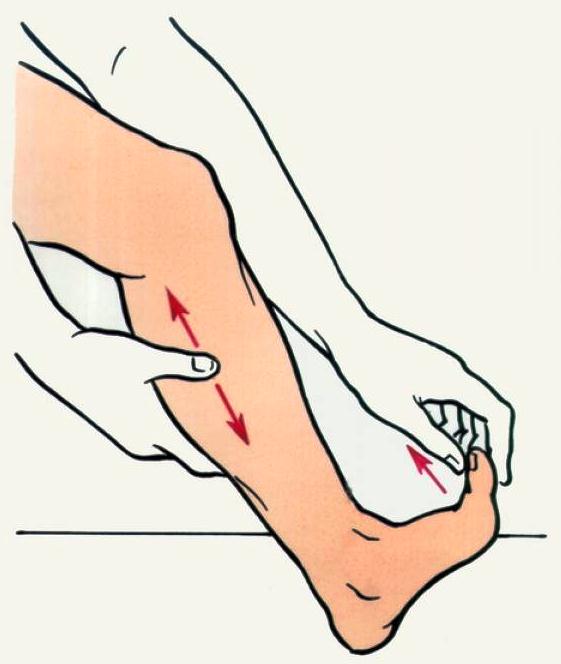 ¿Qué hacer si se cierra un pie o cómo aliviar un espasmo muscular?
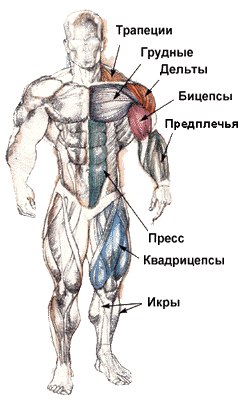 Estructura del sistema muscular humano.
 San Petersburgo, 15 de febrero de 2014.
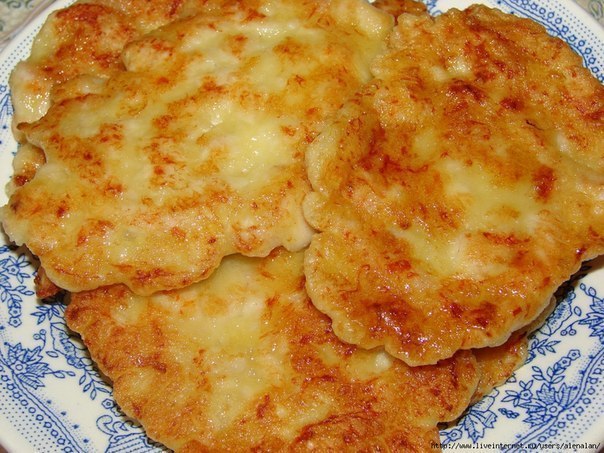 Deliciosas tortillas de pollo. Muy ricas y sabrosas tortillas de pollo.
 La mejor motivación para que un hombre alcance cualquier éxito es siempre tener a una mujer digna a su lado.
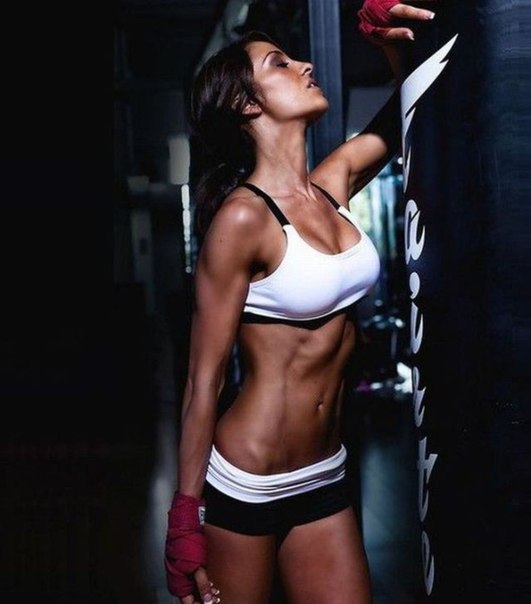 GIMNASIO “EMAGRAMOS JUNTOS”<br>ciudad.
 Las dificultades forjan la resolución, de la misma manera que el trabajo físico fortalece el cuerpo.
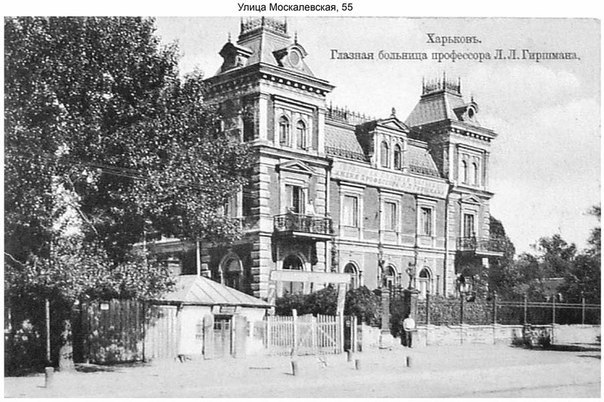 [club54109457|El Hospital Oftálmico Profesor Girshman se ubicaba en Moskalievka.
![[club554109457|Sumskaya, 22]. De 1869 a 1887, la propietaria fue la baronesa Agrafeña Ivanovna Rosen, viuda del consejero de estado de primer r clase Agustín Agustínovich Agustínov.](/storage/images/mixx/2014-02/7b22487c240eedee.jpg) [club554109457|Sumskaya, 22]. De 1869 a 1887, la propietaria fue la baronesa Agrafeña Ivanovna Rosen, viuda del consejero de estado de primer r clase Agustín Agustínovich Agustínov.
[club554109457|Sumskaya, 22]. De 1869 a 1887, la propietaria fue la baronesa Agrafeña Ivanovna Rosen, viuda del consejero de estado de primer r clase Agustín Agustínovich Agustínov.![[club54109457|Sumskaya, 21]. Entre 1869 y 1880, el propietario del terreno fue la empresa comercial Jahnenko, Semirenko.](/storage/images/mixx/2014-02/5c0435779092e0eb.jpg) [club54109457|Sumskaya, 21]. Entre 1869 y 1880, el propietario del terreno fue la empresa comercial Jahnenko, Semirenko.
[club54109457|Sumskaya, 21]. Entre 1869 y 1880, el propietario del terreno fue la empresa comercial Jahnenko, Semirenko.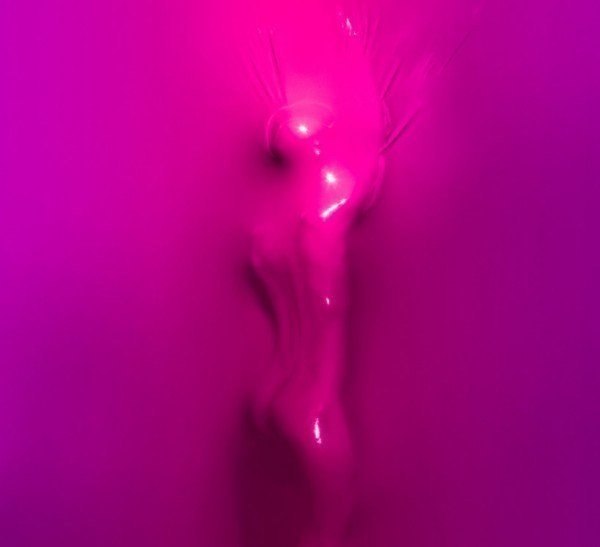 El fotógrafo francés Julien Palas creó un proyecto sorprendente e intrigante que recibió el nombre de “Skindeep”.