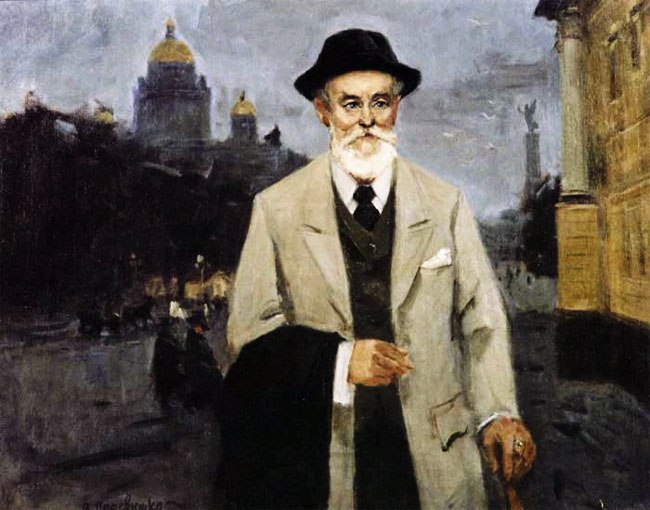
Peter Karl Fabergé was born on May 30, 1846, in Saint Petersburg. His father was a modest jeweler who owned his own business. The boy demonstrated artistic talent at an early age and showed a keen interest in the art of jewelry making.2 photos
Paul Faberge senior devoted every effort to ensuring that his son Karl received an excellent education. He sent him to study at the most prestigious German gymnasium in Saint Petersburg, and later to a commercial college in Paris. For several years, Karl gained practical experience in the jewelry industry throughout Europe. In 1872, he took over his father’s jewelry workshop.
Paul Faberge’s first success came in 1882 at the All-Russian Industrial and Art Exhibition in Saint Petersburg. The exquisite designs of his contemporary jewelry pieces, presented as elegant women’s accessories, won him a gold medal.
Around the same time, Karl began supplying his products to the Imperial Court. Although initially, his share of orders was not very significant, he competed with other well-known jewelers for these prestigious contracts. Over time, his presence in the court records increased, and he gradually gained the favor of the high-ranking officials at the court.
By providing free assessment, repair, and restoration services for jewelry items in the Hermitage Museum, he quickly won their respect. His access to the museum’s collections also allowed him to study in detail the technical skills of ancient masters and the stylistic characteristics of works from different eras.He continuously delighted the public with innovative and exquisite items such as cigarette cases, lamps, clocks, and other objects that were renowned for their creativity, elegance, and perfection. These instantly recognizable pieces became powerful symbols of their owners’ status.
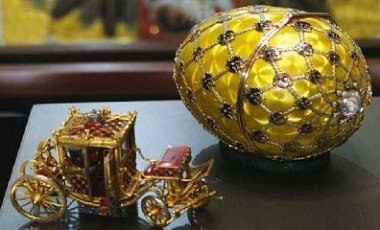
The famous Faberge Easter eggs were created at the imperial order. In total, 54 such eggs were made; today, 45 of them have survived, along with a photograph of another one and descriptions of five more. One of the two unfinished eggs remains in existence as well.
After the October Revolution, Faberge’s company and family assets were confiscated and looted. In 1917, Karl closed his shop on Bolshaya Morskaya Street and entrusted its contents to the director of the Hermitage Museum. He himself went abroad.
Paul Karlovich Faberge passed away on September 24, 1920, in Lausanne and was cremated according to his wishes. In 2004, the Forbes collection of Faberge Easter eggs, purchased for 100 million dollars by Russian businessman Viktor Vexelberg, was returned to Russia.
Trouvez les meilleurs professionnels pour votre projet
Des spécialistes en réparation, construction et rénovation prêts à vous aider
Galeries recommandées
Articles recommandés


Plus de galeries
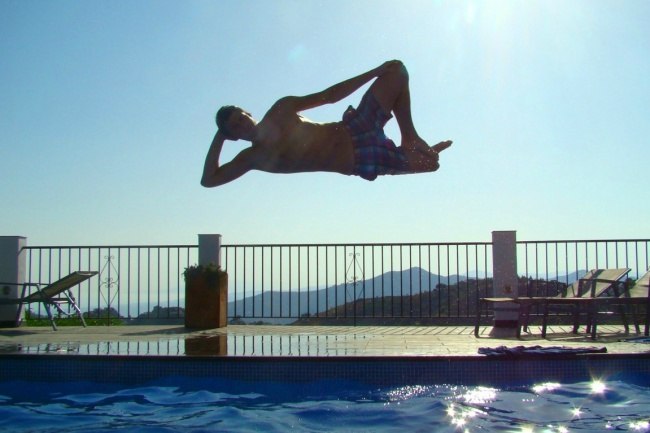 **Loisir plongée** – Une nouvelle activité de loisure inventée par la jeunesse anglaise qui se sentait ennuyée.
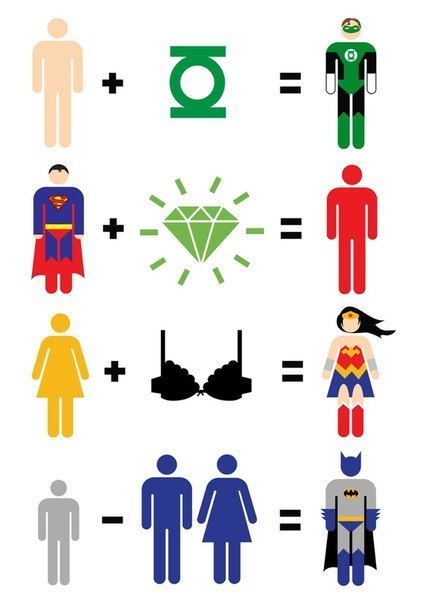 French:
 Quasars
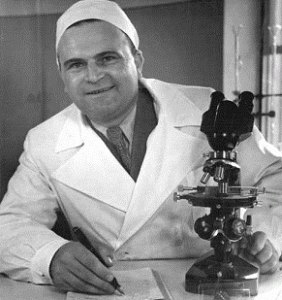 “L’Élixir de la jeunesse”
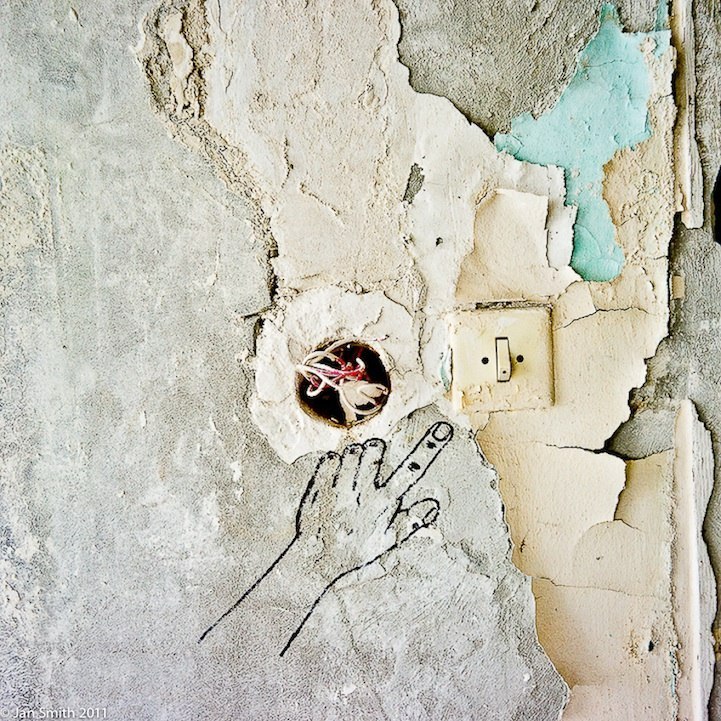 Graffiti dans la zone de désolation
 Christopher S
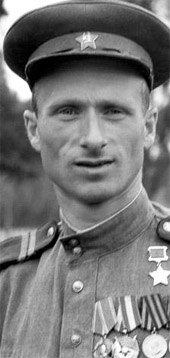 Meliton Kantaria
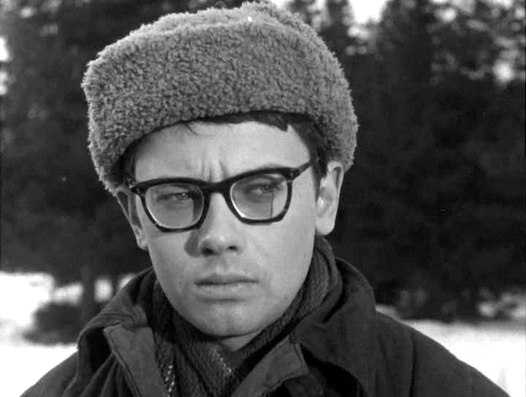 Alexandre Sergueïevitch Demiannenko est né le 30 mai 1937 à Sverdlovsk. Il a étudié au GITIS et, après l’obtention de son diplôme, a travaillé pendant quelques mois au théâtre Maïakovski avant de s’installer à Leningrad, où il a vécu toute sa vie. Sa carrière théâtrale…
 Iris Tablet – un tablette transparente développé par la société Fujitsu.
 ```French Pont suspendu en Malaisie, d'une hauteur de 685 mètres
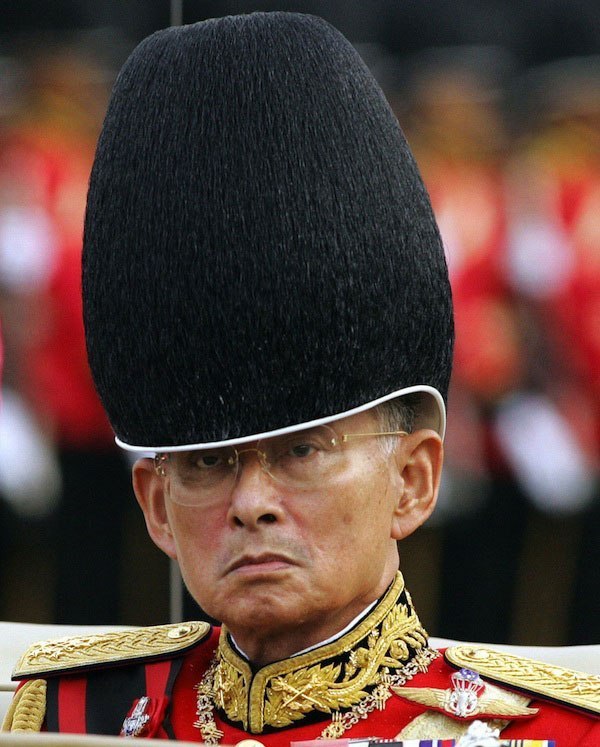 Les 6 dirigeants des pays les plus riches du monde sont les suivurs :
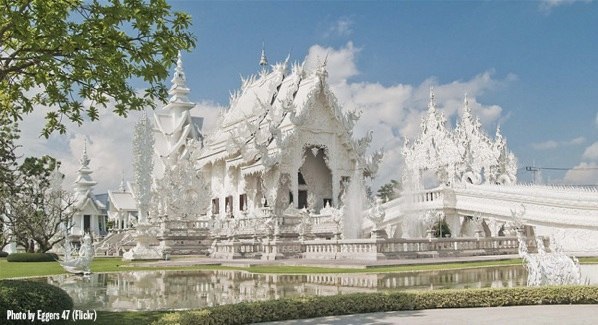 La ville de Chiang Rai, dans le nord de la Thaïlande, est l’une des régions où la culture et l’art traditionnels thaïs prospèrent. À 5 kilomètres au sud de la ville se trouve un édifice blanc d’une beauté exceptionnelle : le Wat Rong Khun, également connu sous le nom de Temple Blanc.