„Oni wa soto desu… Fuku wa uti“ – to wielogłosowy okrzyk, który zawsze rozlega się 3 lutego w świątyniach, na placach i specjalnie przygotowanych imprezach, a także w domach Japończyków. Ten krzyk oznacza: „Zły duch, odejdź z tego domu! Szczęście, przyjdź do tego domu!“3 zdjęć
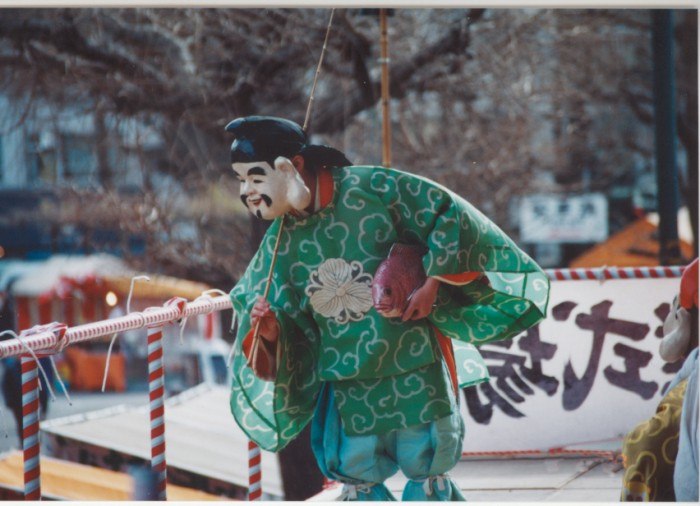
„One, two, three… away! Fuku away!“ This chorus of multiple voices is surely heard on temples, in squares and specially arranged venues, as well as in Japanese homes on February 3rd. „Evil spirits, go away from this house! Happiness, come here!“ These words, accompanied by the scattering of dry soybeans, signify this ritual. Beans are thrown handfuls at a time, sometimes hitting nearby participants or patient onlookers, or even members of the household. Scattering soybeans to invite happiness into the home is part of the Mamake ceremony, one of the important rituals of the ancient Setsubun festival. The celebration ofSetsubun is one of the oldest and most fascinating traditions in this country. Its origins are linked to the Chinese philosophical concept of yin and yang.
Yin and yang represent two opposing forces that underlie the universe: light and darkness, positive and negative, active and passive, feminine and masculine. It was believed that during the transition between seasons these forces clashed, creating a risk of various misfortunes. The term itself „Setsubun“ is directly related to this seasonal shift. In Japan, „Setsubun“ traditionally refers to the night between February 3rd and 4th, the eve of the Spring Equinox according to the lunar calendar. According to legend, in ancient times a plague caused many deaths, and demons and evil spirits were blamed for this disaster.
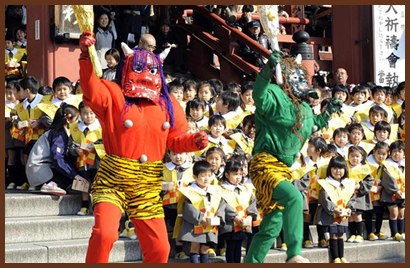
It was believed that scattering roasted soybeans could expel these evil spirits, thus giving rise to the Mamake ceremony aimed at driving them away and ensuring prosperity. In ancient times, this ritual marked the beginning of the new year according to the lunar calendar. Even today, it is performed to dispel all misfortune and invite happiness, prosperity, and good luck into the home. In families with young children, this ceremony often turns into a lively festivity. Someone—usually a father or grandfather—is dressed up as a demon, runs around the house, while the rest of the family throws soybeans at him.In some schools, students make masks of evil spirits and have great fun throwing beans at each other during Setsubun. According to tradition, after the ceremony everyone in the family should eat as many soybeans as they are years old. Although this practice is now rare, it can still be seen in remote villages. Public ceremonies to drive away evil spirits are also held in all temples, attracting large crowds. After the religious ritual, men dressed up as demons emerge from the temple and mix into the crowd, followed by monks who chase them through the streets. Then everyone returns to the temple grounds, where the Mamake ceremony begins.
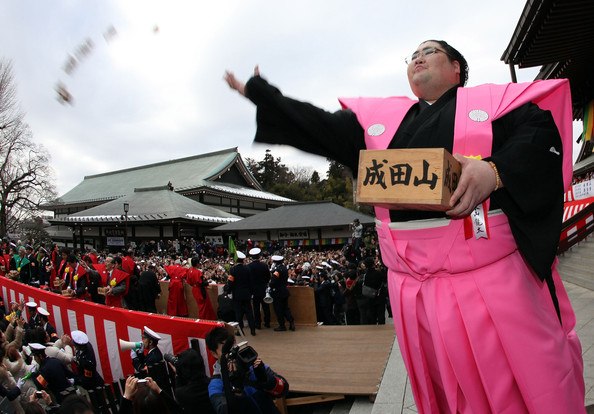
This ritual is usually performed by respected and influential figures of the city—popular artists, politicians, sumo wrestlers, etc.—who, dressed in traditional festive attire, scatter soybeans wrapped in white paper from wooden boxes. The whole event is lively and energetic, with a considerable amount of soybeans being scattered. For example, at Narita-san Temple, where this ceremony has been held for decades, nearly a ton of beans are distributed during a single day. And on February 4th, spring arrives.
Znajdź najlepszych specjalistów dla swojego projektu
Specjaliści od remontów, budowy i wykończeń gotowi Ci pomóc
Polecane galerie
Polecane artykuły




Więcej galerii
 Ciekawe fakty o Charlie Chaplinie
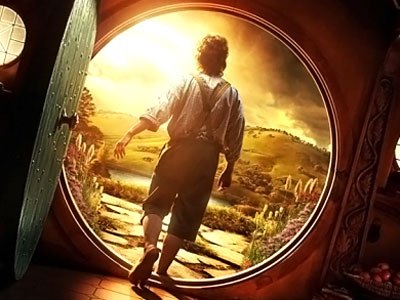 Przyczyny powstania trilogii Władca Pierściorów
 Koty samym swoim istnieniem zaprzecząć twierdzeniu, że wszystko na świecie zostało stworzone dla człowieka. Paul Gray
 Mosty podwieszone nie są dla osób o słabych nerwach
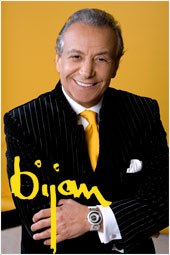 Najdroższy sklep na świecie": "Najdroższy sklep na świecie został otwarty przez amerykańskiego miliardera irackiego pochodzenia, Pakzada Bijana, i nosi nazwę od swojego właściciela – BIJAN. Ceny w tym ekskluzywnym butiku są naprawdę astronomiczne.
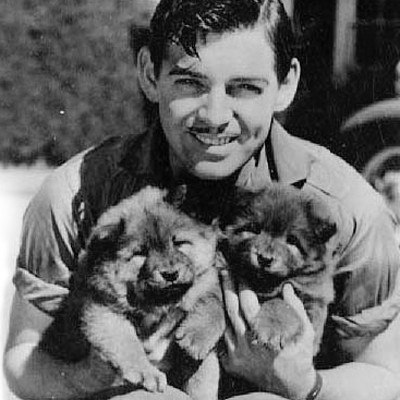 112 lat temu urodził się Clark Gable. Clark Gable, przyszły „król Hollywoodu“, przyszedł na świat 1 lutego 1901 roku w mieście Cadice, w stanie Ohio, w rodzinie naftowego geologa. Był jedynym dziećmi swoich rodziców. Gdy Clarkowi nie minęło jeszcze roku, jego matka zmarła, a wychowaniem chłopca zajmowała się macocha, która miała surowe moralne zasady. Gdy Clarku ukończyło się 16 lat, opuścił szkołę i zaczął pracować. Pracował na fabryce opon, we włókniarni, na oliwce. Ostatecznie zatrudnił się j
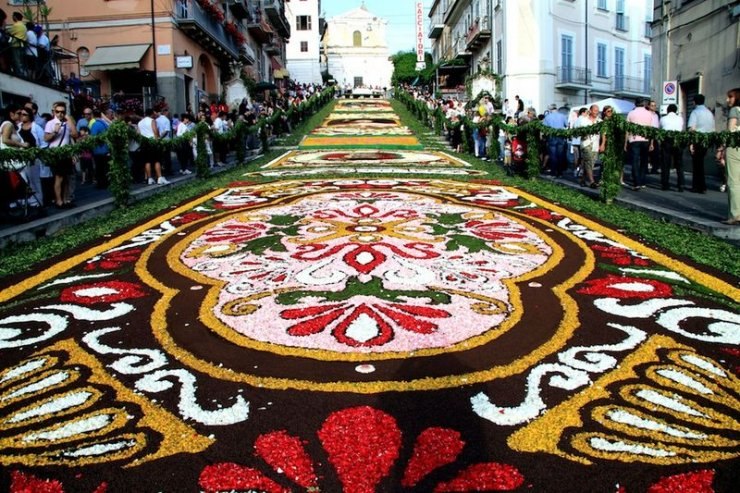 Festiwale kwiatów w Tajlandii – jeden z najpiękniejszych i najimponujących wydarzeń w Tajlandii, który co roku odbywa się na północy kraju, w mieście Chiang Mai. Uroczystości zaczynają się w pierwszą piątkę lutego i trwają trzy dni.
 Kto takiego Tio Sam? Tio Sam pojawił się jako symbol Stanów Zjednoczonych podczas wojny brytyjsko-amerykańskiej z 1812 roku. Amerykański folklor utrzymuje, że powstanie wyrażenia „Tio Sam” jest powiązane z rzeźnikiem Samuelem Wilsonem, który dostawiał prowiant armii amerykańskiej
 Ciekawe fakty o deszczu
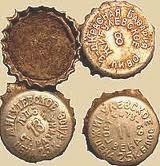 W latach 80. XIX wieku nakładki stosowane do zamykania butelek różnych napojów nie zapewniały wystarczająco hermetycznego zabezpieczenia i często się uszkadzały. W wyniku tego jakość napoju psuła się, gaz rozpuszony w nim uciekał na zewnątrz, a do środka dostawał się powietrze. Aby rozwiązać tę
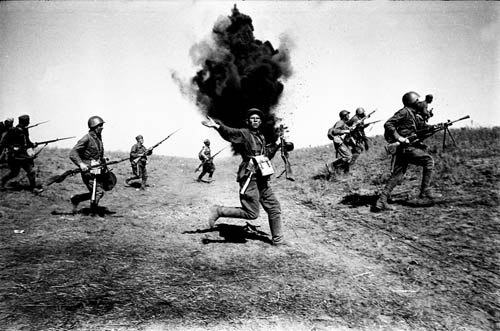 Dziennik wojskowej sławy Rosji – Dzień zwycięstwa w bitwie o Stalingrad z 1943 roku
 Błogosławiony ten, kto nie dostrzega, czy jest teraz lato, czy zima. Anton Czechow