Über das Anwesen Kwitkinskaja8 Fotos
#### About the Kvitke Estate
The estate was initially inhabited by Colonel Fedor Grigoryevich Donets. However, after his death, it was sold to Gregory Semyonovich Kvitke, and it was under his ownership that the property was actually developed and built up. The estate particularly flourished during the times of his grandsons, Andrei Fedorovich (the leader of the local nobility) and Gregory Fedorovich Kvitke-Osновyanenko, a writer.
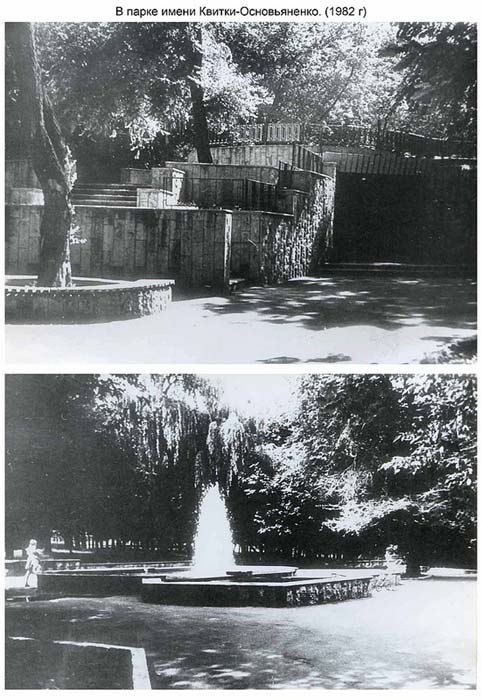
This is the oldest estate not only in the district but also throughout the province. Featuring a beautiful park located near a small river, on hilly terrain, it includes areas that transition into pine forests (though these are now largely remnants). Such landscapes are particularly rare in this region.
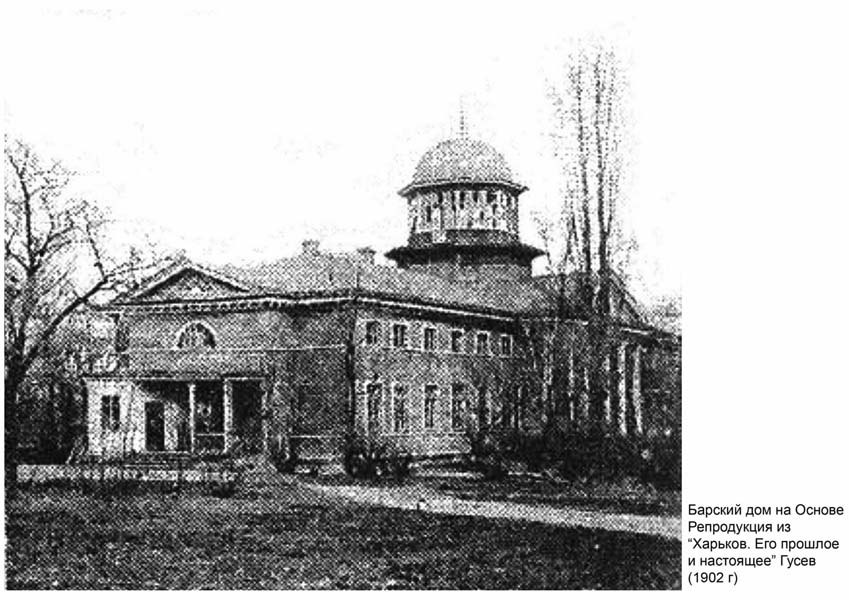
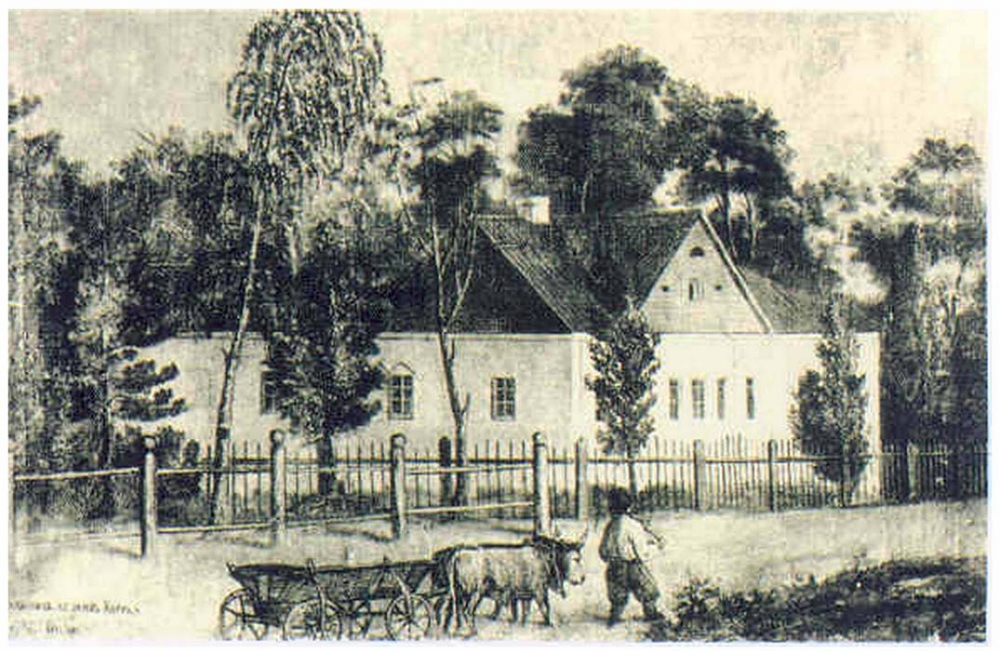
In the early 19th century, a magnificent two-story wooden palace was constructed here. It featured a dome on a high drum, a six-column portico covered by a heavy cornice, and a window adorned with rustic decorations. However, subsequent renovations—such as replacing column capitals with wooden planks and attaching ornate lintels that did not match the original architectural style—damaged the building’s original grandeur. Nevertheless, even in the first decades of the 20th century, the structure still existed and could have been restored for many more years.
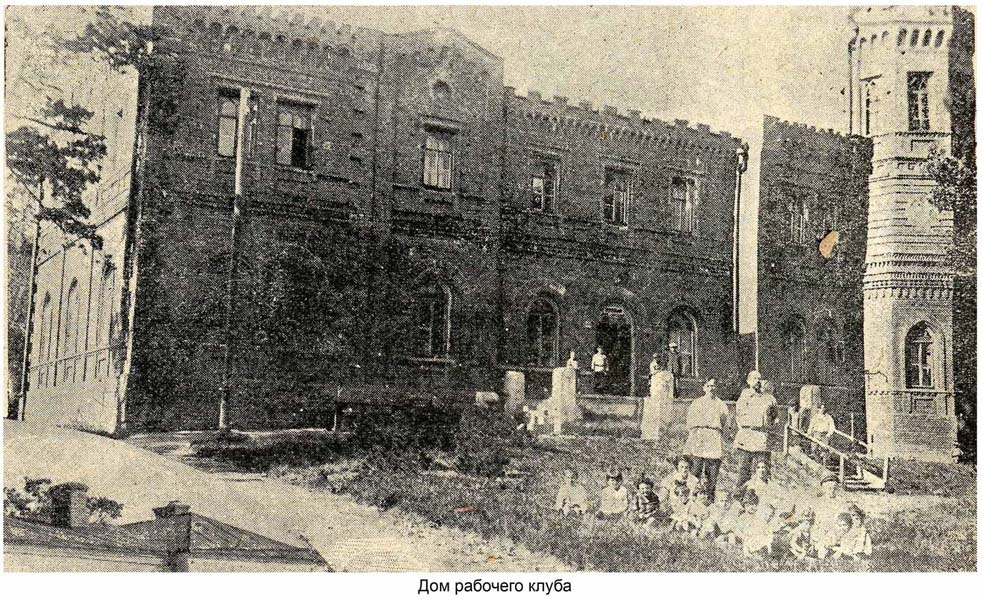
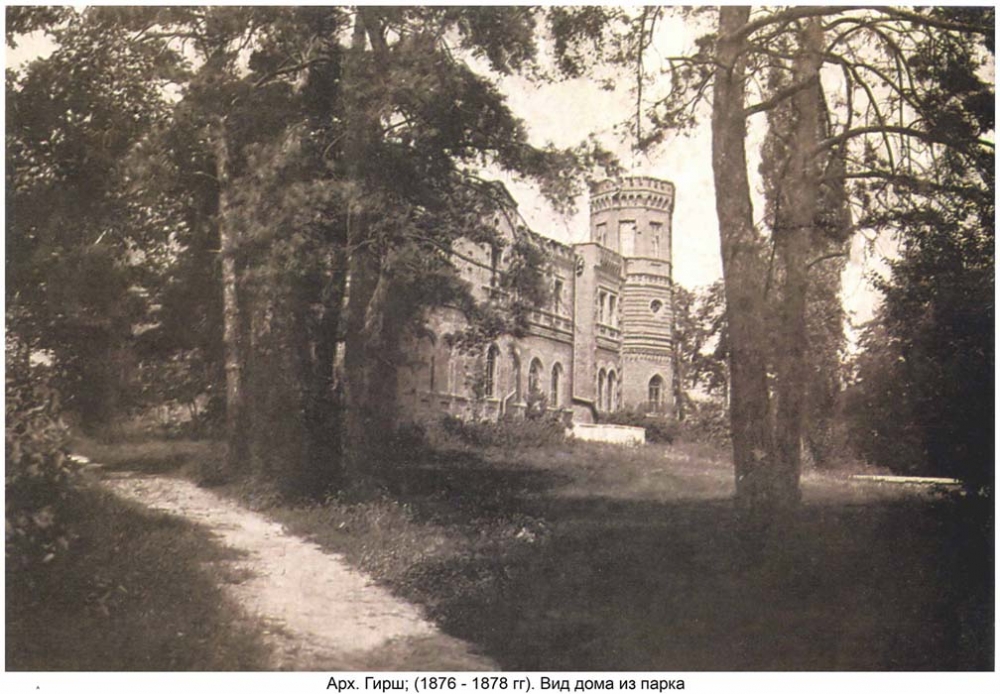
Unfortunately, shortly after its centenary, the palace was destroyed to make way for the construction of what is now the Dvoryanskoye Refuge for Former Institute Students, funded by the donor Tambovcev. In its place, a new building was constructed away from the busy roads, up on a hill.
The estate was initially inhabited by Colonel Fedor Grigoryevich Donets. However, after his death, it was sold to Gregory Semyonovich Kvitke, and it was under his ownership that the property was actually developed and built up. The estate particularly flourished during the times of his grandsons, Andrei Fedorovich (the leader of the local nobility) and Gregory Fedorovich Kvitke-Osновyanenko, a writer.
This is the oldest estate not only in the district but also throughout the province. Featuring a beautiful park located near a small river, on hilly terrain, it includes areas that transition into pine forests (though these are now largely remnants). Such landscapes are particularly rare in this region.
In the early 19th century, a magnificent two-story wooden palace was constructed here. It featured a dome on a high drum, a six-column portico covered by a heavy cornice, and a window adorned with rustic decorations. However, subsequent renovations—such as replacing column capitals with wooden planks and attaching ornate lintels that did not match the original architectural style—damaged the building’s original grandeur. Nevertheless, even in the first decades of the 20th century, the structure still existed and could have been restored for many more years.
Unfortunately, shortly after its centenary, the palace was destroyed to make way for the construction of what is now the Dvoryanskoye Refuge for Former Institute Students, funded by the donor Tambovcev. In its place, a new building was constructed away from the busy roads, up on a hill.

Finden Sie die besten Fachleute für Ihr Projekt
Reparatur-, Bau- und Renovierungsspezialisten stehen Ihnen jetzt zur Verfügung
Empfohlene Galerien
Empfohlene Artikel



Mehr Galerien
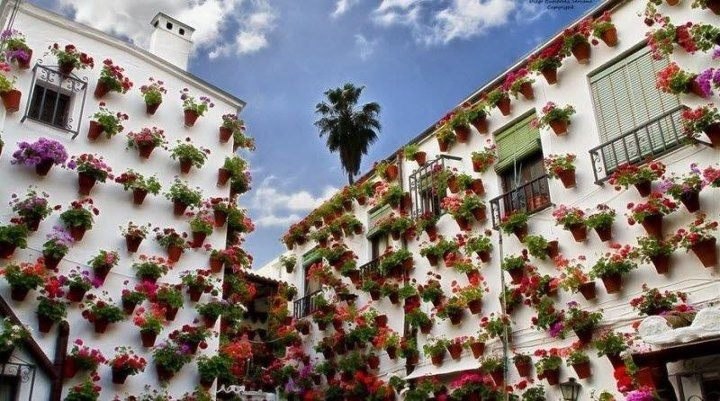 Zuhause in der Cordova-Straße in Spanien.
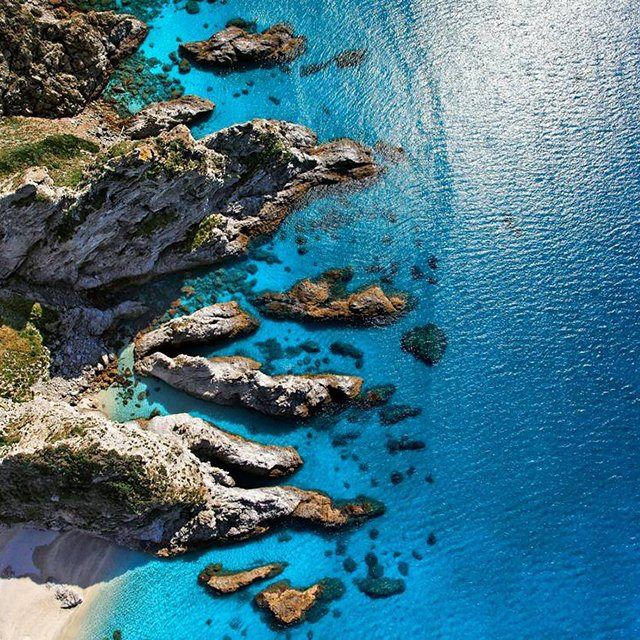 assistant
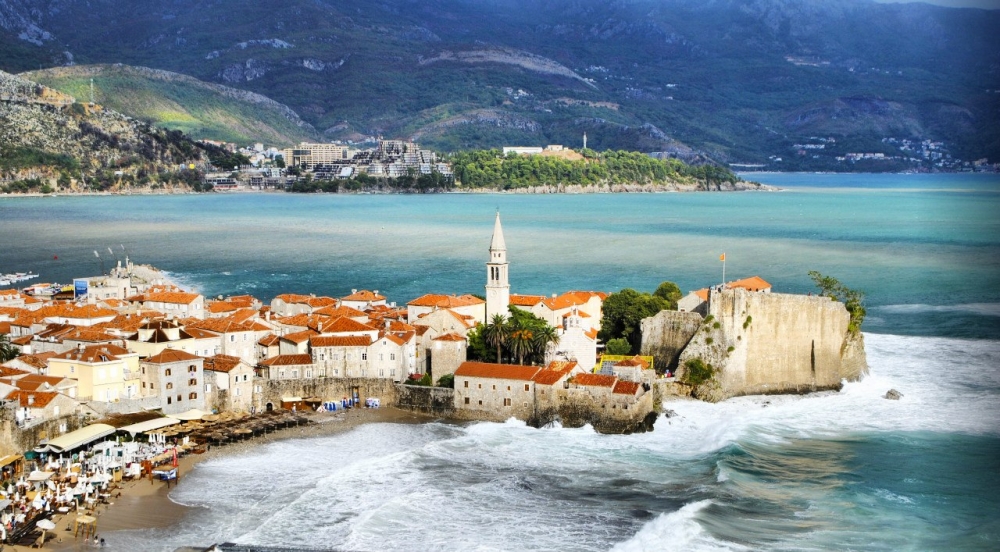 Montenegro
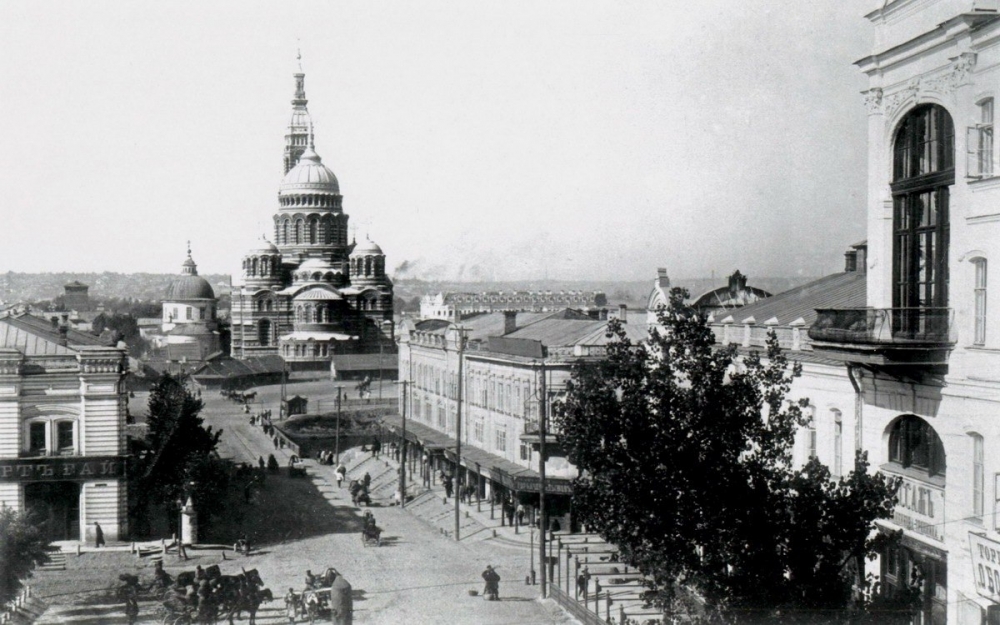 Straße ohne Häuser.
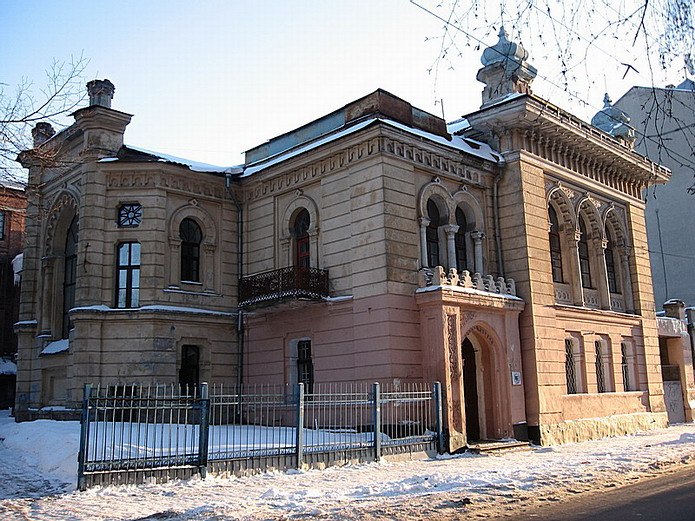 Das Haus Nr. 13 in der Darwinstraße
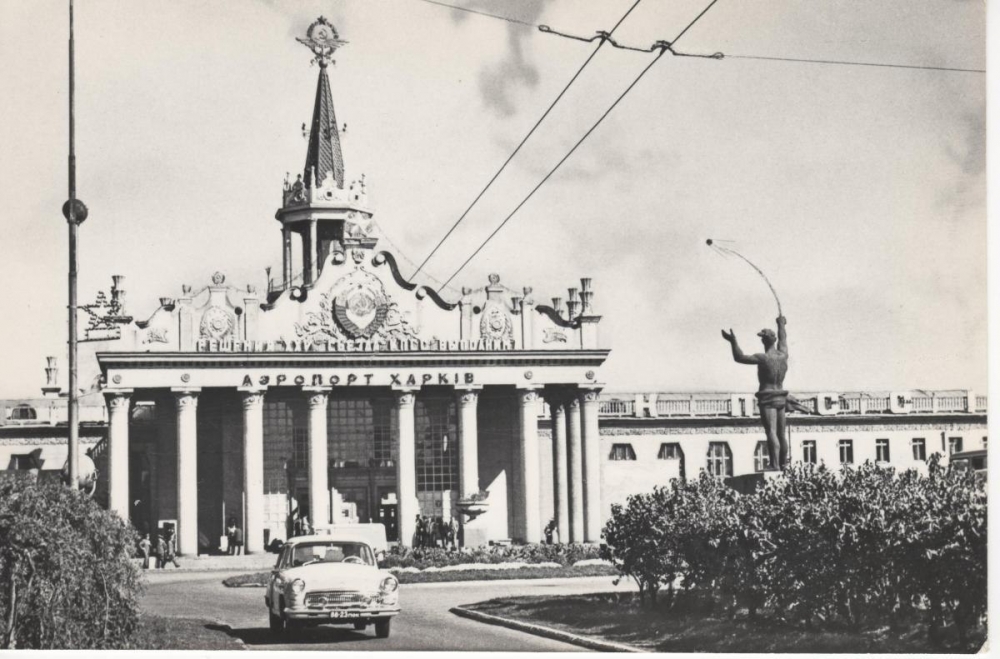 **Geschichte des Flughafens Charkiw** --- The history of Charkiw Airport dates back to 1930. It began its operation in 1932, and shortly thereafter, in 1933, it already had its own dedicated airport terminal building. eigenen Terminalgebäude. Im Jahr 1938, during the World War II, despite the ongoing military conflicts, die trotz des andauernden Militärkonflikten, the airport continued to operate. Der Flughafen bl blieb in Betrieb. Es war during this time that the airport began to develop rapidly. Währlich schnell entwickelte sich der Flughplatz. In den 1950s and 1960s, the airport continued to grow and expand. In den 1950er und 1960er Jahren weiterhin wuchs und expandierte der Flughafen. Unter the leadership of of unter der Führung von Wiktor Sawitsch Sawtschenko, Wiktor Sawitsch Sawtschenko, the airport developed significantly in terms of its infrastructure and facilities. Unter der Leitung von Wiktor Sawitsch Sawtschenko entwickelte sich der Flughafen erheblich hinsichtlich seiner Infrastruktur und Einrichtungen. Insbespecially in the area of aviation safety, aviation Sicherheit besonders wurde große progress made in Fortschritte gemacht bei der Sicherheit im Luftverkehr. Erst in the 1970s, in the second half of the 20th century, did things begin to change. Erst in den 1970er Jahren, in der zweiten Hälfte des 20. Jahrhunderts, begannen sich die Verhällich sich zu ändern. Durch the development of new technologies, durch die Entwicklung neuer Technologien, new developments in technology wurden er new developments in technology ermöglicht, which enabled modern aircraft to operate on this airport. Die Entwicklung neuer Technologien ermöglichte es, dass moderne Flugzeuge an diesem Flughafen operieren kon großen Flugzeugen konnten an diesem Flughafen fliegen. Zudem, thanks to the efforts of many people, including those from the technical staff, the technical personnel, as well as those from the management team, Managementteam, great achievements were made in improving the quality of service. Durch die Bemühungen vieler Menschen, einschließlich des technischen Personals und des Managementteams, konnten große Fortschritte bei der Verbesserung der Servicequalität erzielt werden. In conclusion, the history of Charkiw Airport is a fascinating story of development and progress. Die Geschichte des Flughafens Charkiw ist eine faszinierende Geschichte von Entwicklung und Fortschritt.
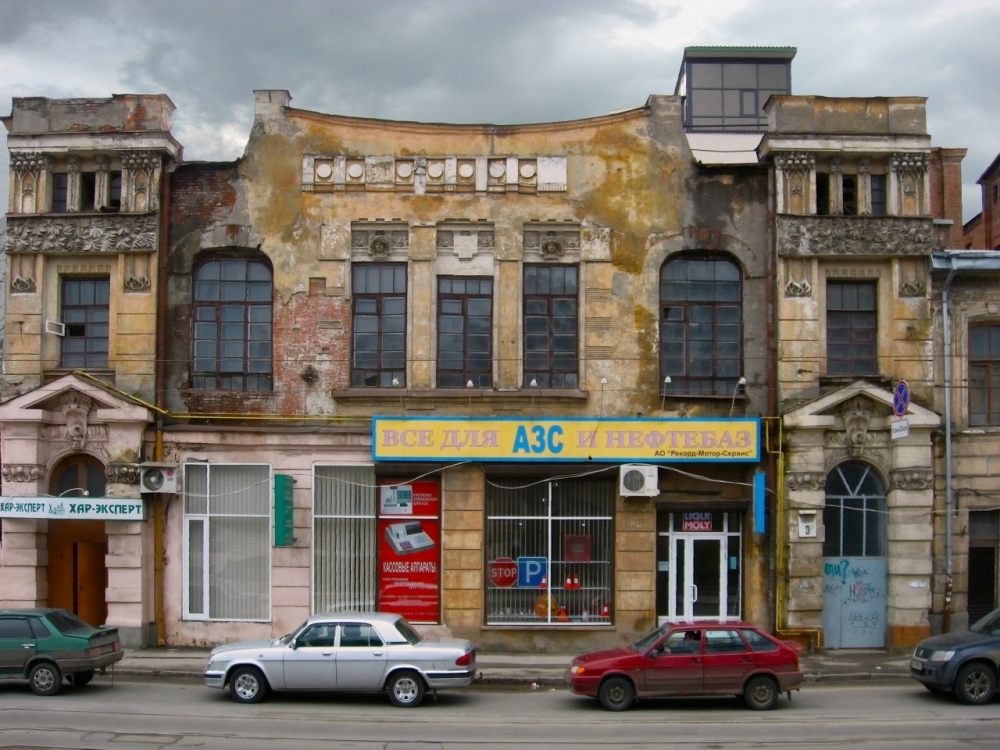 Modern auf der Klotzkowskaja.
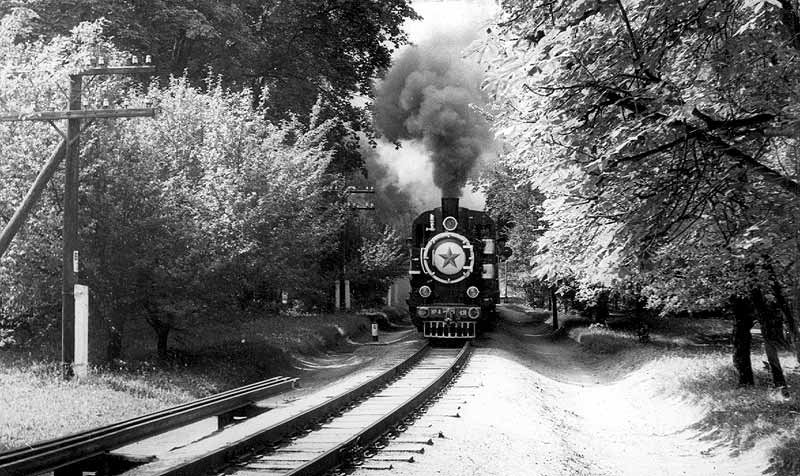 Die Kinderbahn Charkiw (Kleine Südbahn)
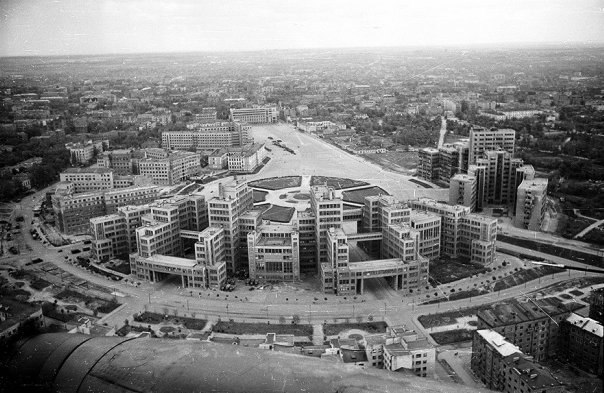 Sie wussten wohl nicht, dass bei den vier Schlachten um Charkiw sowie während seiner zweimaligen Besatzung sowohl die Sowjetunion als auch Deutschland mehr Menschen verloren als an jedem anderen Ort in der Geschichte des Zweiten Weltkriegs – einschließlich Stalingrad. Am 1. Mai 1941 betrug die Einwohnerzahl der Stadt 901.000 Menschen.
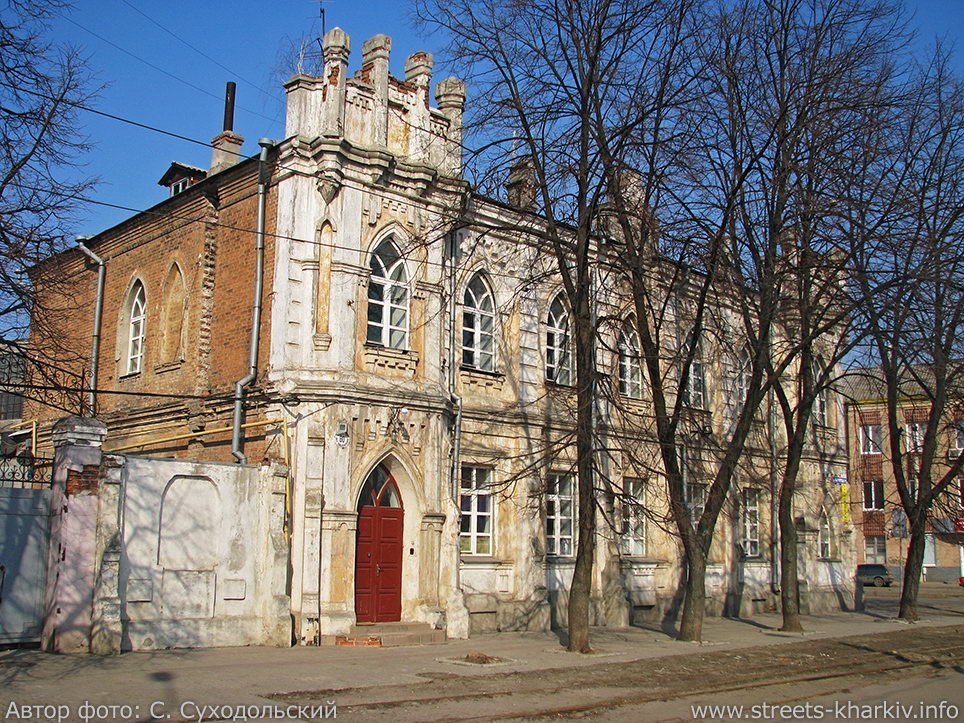 Bäckerei, Vergnügungspark „Schloss de Fleur“
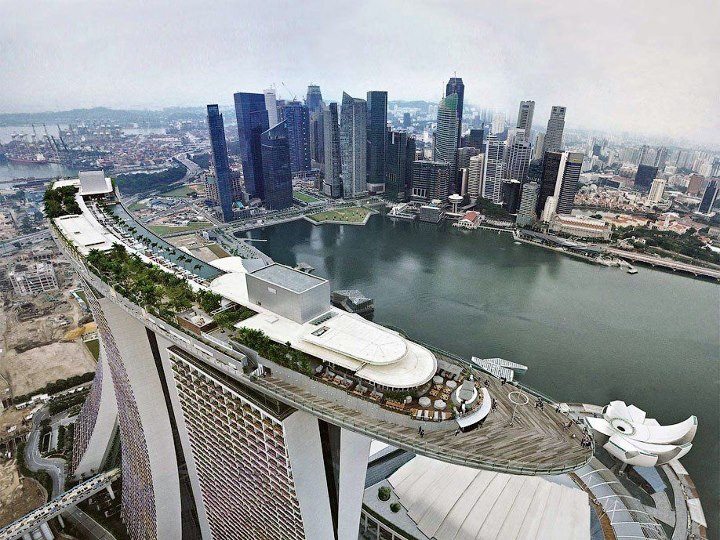 Singapur, das Hotel Marina Bay Sands mit dem berühmten Pool auf dem Dach.
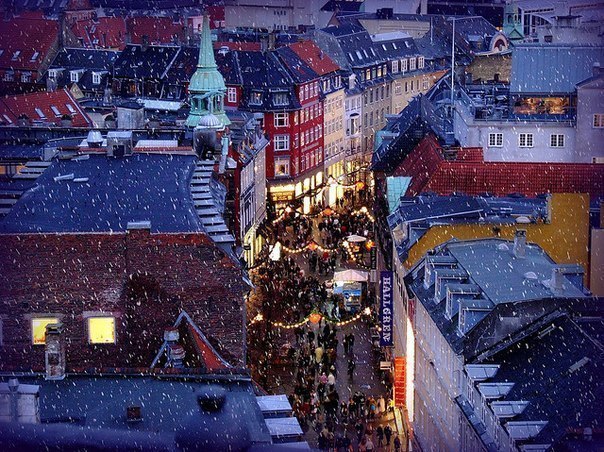 Weihnachtliches Europa