Rock Monastery, Little Monastery
In the small village of Monastyrok in the Ternopil region, there lies an incredibly fascinating rocky monastery. The village itself seems to be lost in the mountains; it is extremely difficult to reach due to the lack of proper roads. This place truly seems to be meant for hermits.
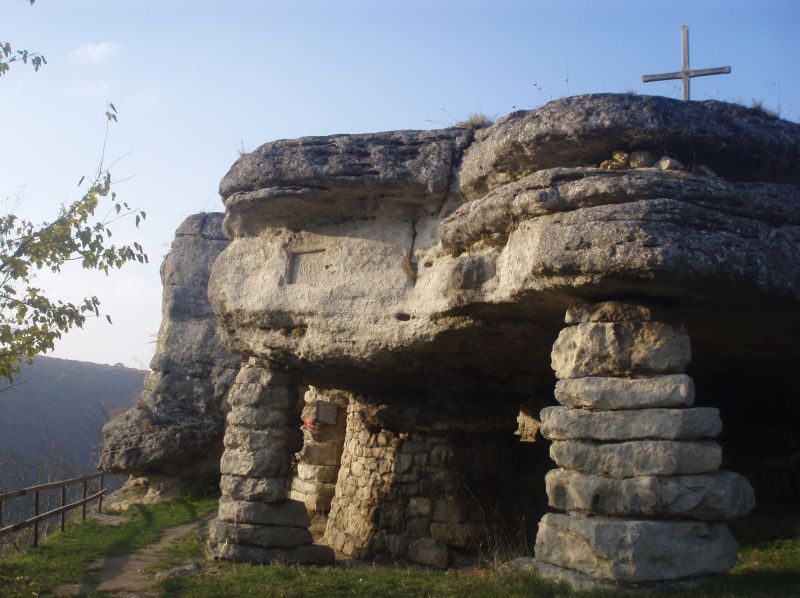
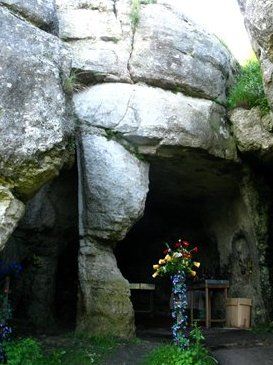
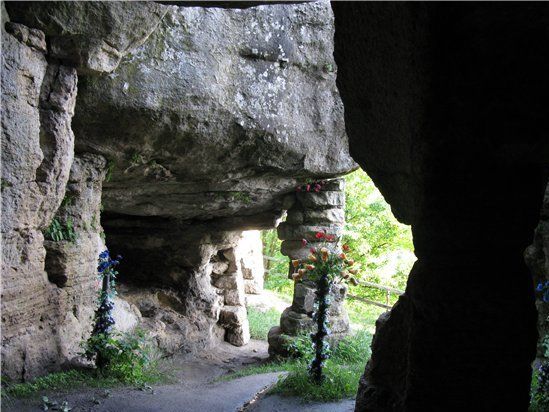
The nature here is breathtaking. The village is situated on the picturesque banks of the Seret River, offering tourists stunning views of its canyons. In the mountains, there is a natural cave called Yazycheskaya. Historical records indicate that an ancient Slavic temple once stood here. In the 9th or 10th century, hermit monks established a monastery in this location. Above the cave entrance, a huge rock hangs precariously, supported by columns made of flat stones—clearly the work of human hands.
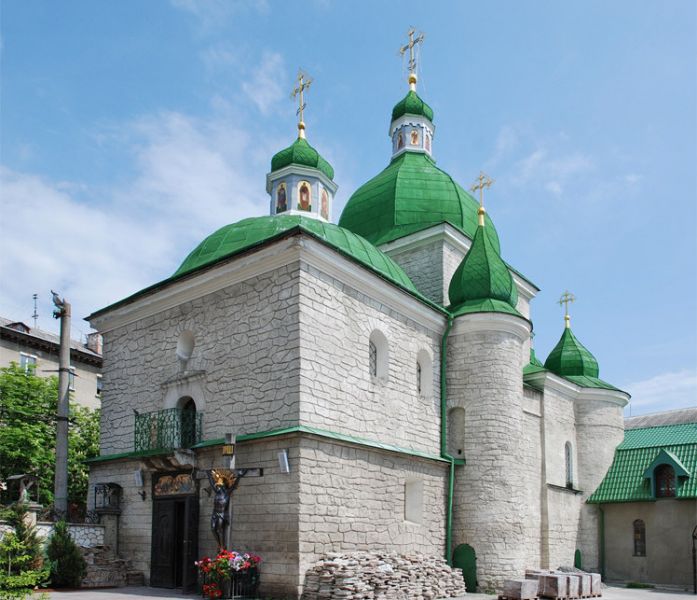
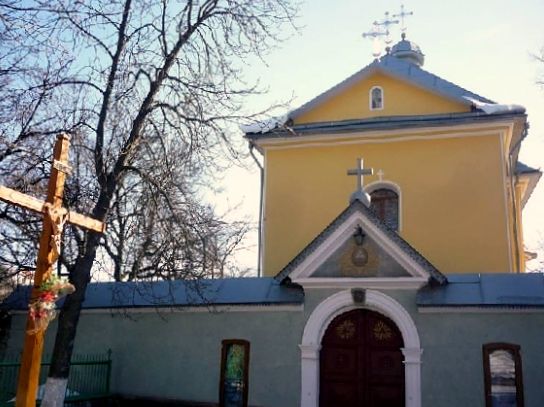
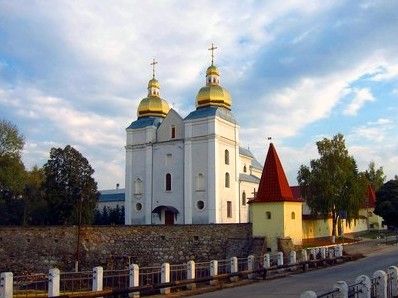
In the 17th century, the Vasilyan Monastery was built near this rocky site by Stefan Pototsky. It was destroyed by the Cossacks of Bohdan Khmelnytsky, but Jan Pototsky had it restored. The Church of the Ascension he built has survived to this day; it has been reconstructed and continues to serve the faithful.
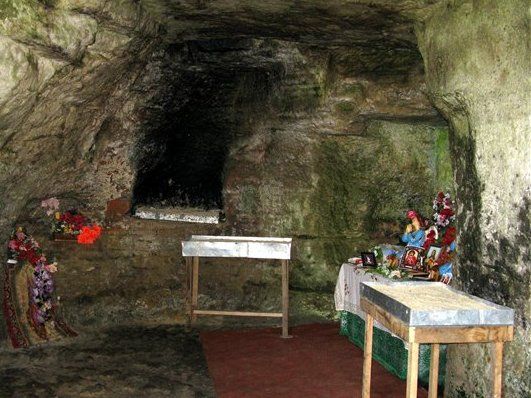
A path marked with 12 crosses leads from this church to the rocky monastery. One of its walls functions almost like an iconostasis, depicting Jesus with closed eyes—as if Christ could not bear to see human sins. According to legend, this image appeared to the monks in the form of a play of light and shadow. They painted it onto the wall, and thus an icon was created. Inside the cave, an ancient altar has also been preserved.
Near the entrance to the rocky monastery, there is a mysterious stone. This enormous slab is supported by three stone pillars. It is likely once served as an altar, with a cross and grooves that may have been used for draining blood. It is also known as “Dovbush’s Stone.”