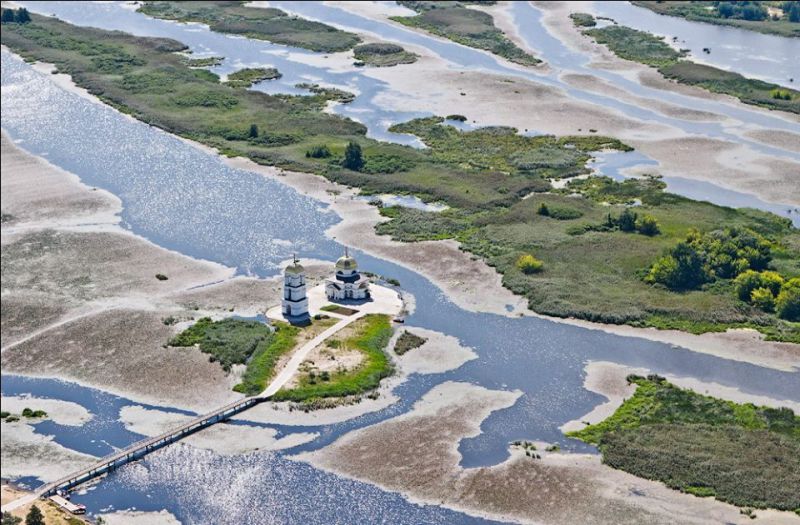
Savior Transfiguration Cathedral, Chernigov
Articles
Let’s get to know Ukraine!

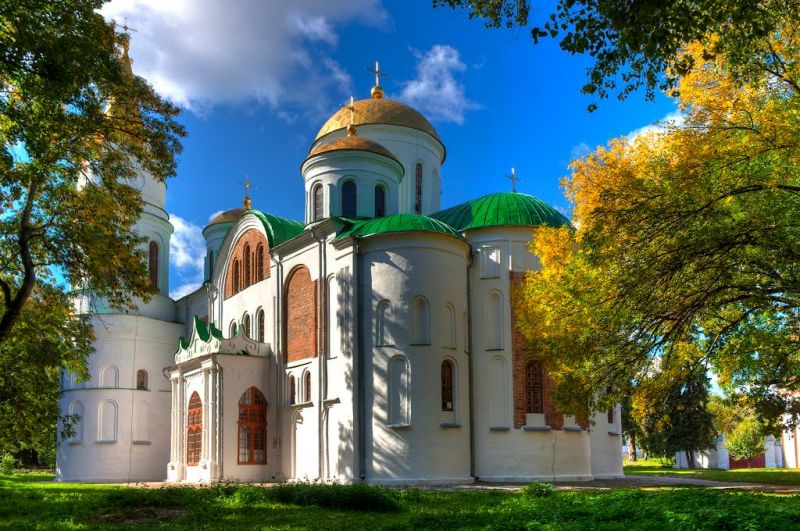
Savior Transfiguration Cathedral, Chernigov

In Chernigov, there are many interesting sights, one of which is the Transfiguration Cathedral. History of the Transfiguration Cathedral The cathedral has a long history and is one of the oldest monuments of architecture in Ukraine. Construction of the shrine was started in the 11th century.

In Chernigov, there are a lot of interesting sights, one of which is the Transfiguration Cathedral.

History of the Transfiguration Cathedral

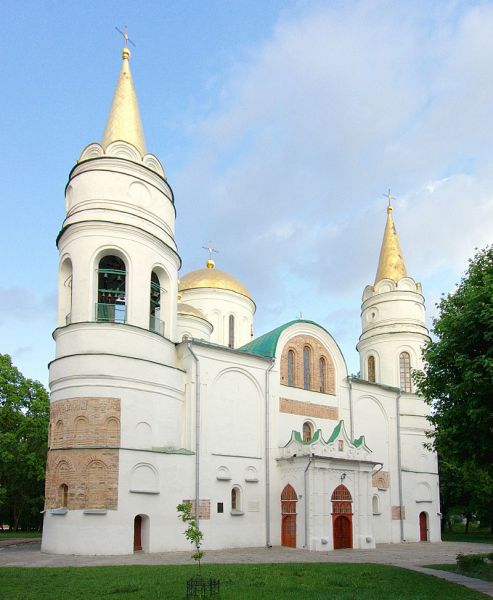
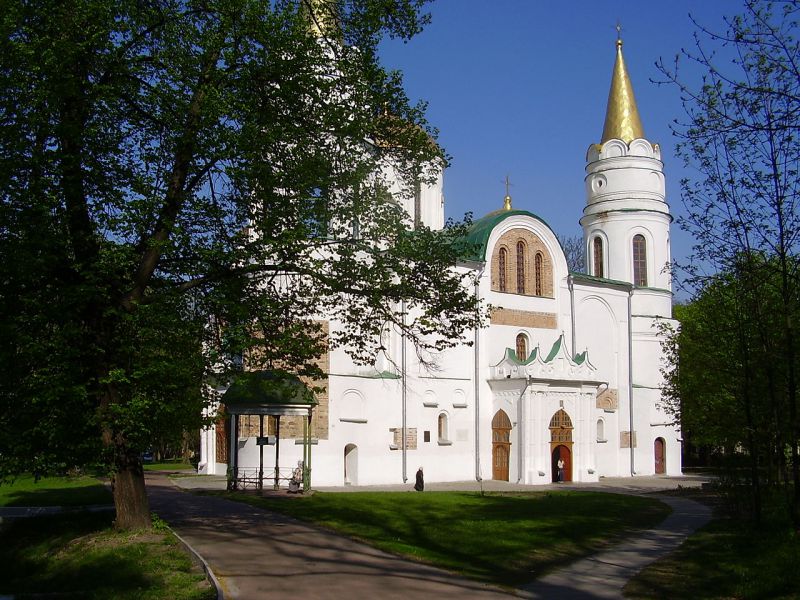
The cathedral has a centuries-old history and is one of the oldest monuments of architecturein Ukraine. Construction of the shrine was started in the 11th century. The original appearance of the building is strikingly different from its modern appearance. You can see the changes of the temple bypassing it from all sides.

The shrine combines elements of the Romanesque basilica. The temple has a Byzantine cross-dome type of structure. Its walls are built of natural stone, the combination of materials can be explained not only by the mixed type of construction of the temple, but also by its reorganization in the period of almost thousand-year history, which dates back to 1036.

The next moment in the life of spiritual relics is connected with the name of Svyatoslav Yaroslavich. At that time, reconstruction was carried out. The walls of the temple were raised, changed and the face of the facade, he, like other architectural elements, absorbed the traditions of stone architecture of his contemporaries.

Scientists believe that it was here that Prince Igor was buried, which is mentioned in the text of the chronicle "The Lay of Igor's Host". In 1246, the relics of martyrs - Prince Michael and boyar at his court Feodor - were brought to the temple. More than 300 years later, the shrines were taken to Moscow by the decree of Tsar Ivan the Terrible.

Interesting facts about the Transfiguration Cathedral

The interior of the Transfiguration Cathedral combines many elements of different styles. All this is explained by the terrible fires and battles that erased the true shape of the temple and caused its restoration. In 1239 the cathedral was partially destroyed and looted by Mongol-Tatar troops.

In 1675, the church was rebuilt under the leadership of Bishop Lazare Baranovich, but in 1750 the building was seriously damaged in the fire, which erased from its walls the surviving ancient Russian murals and completely changed the interior of the church returned to the shrine in 1783.

The reconstruction of the cathedral is connected with the name of Potemkin, who was passing through Chernigov and became interested in the history of the majestic church, whose appearance was practically erased by a centuries-old history and a violent fire. Potemkin ordered the restoration of the cathedral, in the course of repair work, spiky towers were added to the church building, which allow to compare the building with the church.

For 900 years since its foundation, the church belonged to the Chernigov diocese. The modern history of the temple begins in 1818, when the artist Y. Yurinov painted the walls inside the cathedral with oil, depicting scenes from the life of the church, saints and historical events. In 1891 the cathedral's domes were gilded. The original gilding still decorates the building. In Soviet times, the cathedral was converted into a museum of the history of the region, after a while the building was returned to the church. To date, the temple is active. It is the center of public and spiritual life of the inhabitants of the city.

How to get to the Savior's Transfiguration Cathedral

The cathedral is located in the historical center of the city on the Chernigov shaft. You can get to it by driving along Gorky Street or standing at a public transport stop at the intersection of Preobrazhenskaya Street and Mira Avenue.
Спасо-Преображенский собор, Чернигов

Спасо-Преображенский собор, Чернигов

Спасо-Преображенский собор, Чернигов

In Chernihiv, there are many interesting landmarks, one of which is the Spaso-Preobrazhensky Cathedral.

The History of the Spaso-Preobrazhensky Cathedral

This cathedral has a history spanning many centuries and is one of the oldest architectural monuments in Ukraine. Construction of this sacred site began in the 11th century. Its original appearance is vastly different from its current form; one can observe these changes by walking around it on all sides.

The cathedral incorporates elements of Romanesque architecture. It features a Byzantine cross-domed structure, and its walls are made of natural stone. This combination of materials can be attributed not only to the mixed architectural style but also to its reconstruction over the course of nearly a millennium, starting in 1036.

A significant event in the cathedral’s history is associated with Prince Svatoslav Yaroslavich. During that period, renovations were carried out; the walls were raised, and the facade was altered. Like other architectural elements, it incorporated the traditions of stone construction of its time.

Scientists believe that Prince Igor was buried here, as mentioned in the chronicle “The Tale of Prince Igor’s Host”. In 1246, the relics of the martyrs—Prince Mikhail and his courtier Fyodor—were brought to the cathedral. More than 300 years later, these relics were taken to Moscow by order of Tsar Ivan the Terrible.

Interesting Facts about the Spaso-Preobrazhensky Cathedral

The interior decoration of the Spaso-Preobrazhensky Cathedral combines elements of various styles. This is due to devastating fires and battles that destroyed its original appearance, prompting its restoration. In 1239, the cathedral was partially destroyed and looted by Mongol-Tatar forces.

In 1675, the church was restored under the leadership of Bishop Lazar Baranovich. However, in 1750, **the building suffered severe damage in a fire**, which destroyed the remaining ancient Rusian frescoes on its walls and completely altered the interior decor. The original interior was only restored to the sanctuary in 1783.

The reconstruction of the cathedral is associated with the name of Potemkin, who happened to be in Chernihiv at that time and took an interest in the history of this magnificent church—its appearance having been almost completely destroyed by centuries of wear and tear and a major fire. Potemkin ordered the restoration of the cathedral. During the repairs, pointed spires were added to the building’s structure, giving it a resemblance to a castle.

For 900 years since its founding, the church has belonged to the Chernihiv Diocese. Its modern history begins in 1818, when the artist Y. Yurinov painted oil murals inside the cathedral, depicting scenes from the church’s history, saints’ lives, and significant historical events. In 1891, the cathedral’s domes were gilded. The original **gilding still adorns the building to this day**. During the Soviet era, the cathedral was converted into a local history museum; later, it was returned to the church. Today, it remains in active use and serves as a center of public and spiritual life for the residents of the city.

How to Get to the Spasso-Preobrazhensky Cathedral

The cathedral is located in the historic center of the city, on the Chernihiv Rampart. You can reach it by driving along Gorky Street or by taking public transportation at the intersection of Preobrazhenskaya Street and Mira Prospect.

\"Spasso-Preobrazhensky

\"Spasso-Preobrazhensky

Spasо-Préobraženskyi Cathedral, Chernihiv

Recommended articles

Find the Best Professionals for Your Project

Expert repair, construction, and renovation specialists ready to help you right now