In the distant year 1032, Prince Yaroslav the Wise founded a church, which laid the foundation for the establishment of the city of Yuryev. Over time, this site became the core of the city as a settlement began to form around it. The area surrounding Castle Hill was quite marshy. Nevertheless, the people of Yuryev managed to overcome these challenges and settle down successfully.
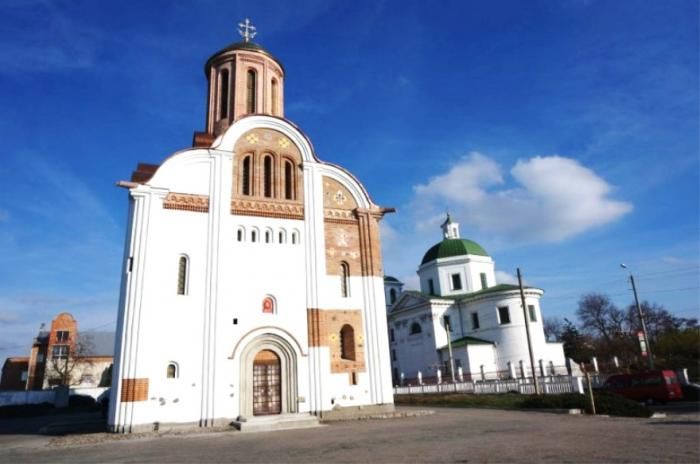
During the Mongol-Tatar invasion, the city was completely destroyed. Only the ruins of the church remained. According to legend, the city was named after this white limestone shrine. The foundation of the ancient church was not discovered until the 1980s, during archaeological excavations, when construction plans were also found. In 2011, it was decided to begin reconstructing the church based on the designs of architect Mishchenko.
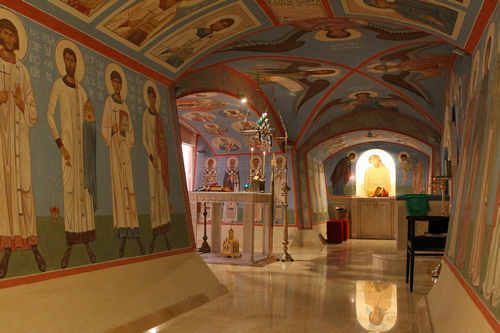
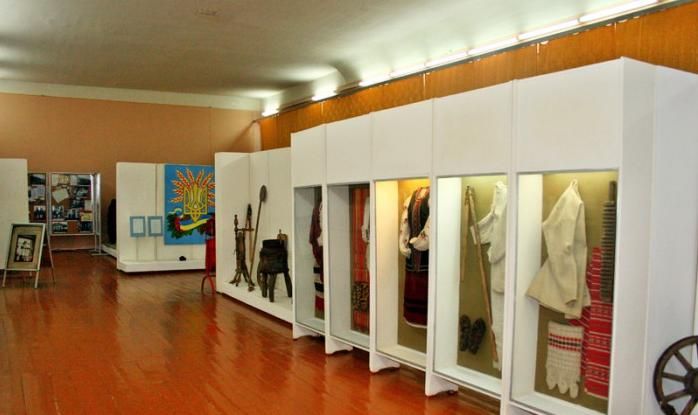
During construction, the design of ancient Rus' churches from the 11th to 13th centuries was used as a model. The basements were converted into exhibition spaces to display artifacts found at Castle Hill.
A monument to Yaroslav the Wise was also erected near the church.
In the distant year 1032, Prince Yaroslav the Wise founded a church, which laid the foundation for the establishment of the city of Yuryev. Over time, this site became the core of the city as a settlement began to form around it. The area surrounding Castle Hill was quite marshy. Nevertheless, the people of Yuryev did not let these difficulties prevent them from settling down and establishing a successful community.
During the Mongol-Tatar invasion, the city was completely destroyed. Only the ruins of the church were left. According to legend, the city was named after this white limestone shrine. The foundation of the ancient church was not discovered until the 1980s, during archaeological excavations, when construction plans were also found. In 2011, it was decided to begin reconstructing the church based on the designs of architect Mishchenko.
During construction, the design of ancient Rus' churches from the 11th to 15th centuries was used as a model. The basements floors were converted into exhibition spaces to display artifacts found at Castle Hill.
A monument to Yaroslav the Wise was also erected near the church
In the distant year 1032, Prince Yaroslav the Wise founded a church, which laid the foundation for the establishment of the city of Yuryev. Over time, this site became the core of the city as a settlement began to form around it. The area surrounding Castle Hill was once quite marshy. However, despite these difficulties, the people of Yuryev managed to settle down and develop a thriving community.
During the Mongol-Tatar invasion, the city was completely destroyed. Only the ruins of the church were left. According to legend, the city was named after this white limestone shrine. The foundation of the ancient church was not discovered until the 1980s, during archaeological excavations, when construction plans also were found. In 2011, it was decided to begin reconstructing the church based on the designs of architect Mishchenko.
During construction, the design of ancient Rus' churches from the 11th to 15th centuries was used as a model. The basement floors were converted into exhibition spaces to display artifacts found at Castle Hill.
A monument to Yaroslav the Wise was also erected near the church