Svyato-Klimentovsky cave monastery
It is not accidental that the name of the city of Inkerman is translated from the Turkic language as a "cave fortress".
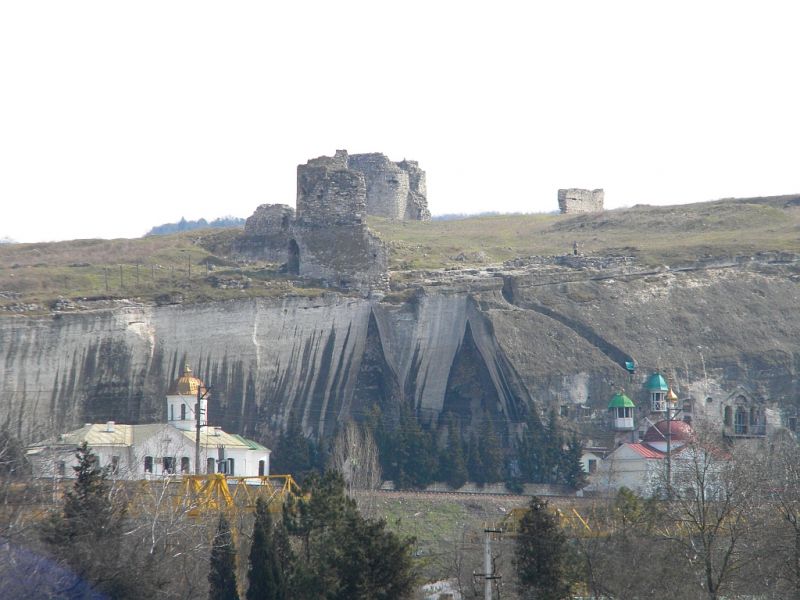
The history of the creation of the cave monastery begins with the erection in the 6th century on the Monastery Cliff of the fortification fortress Kalamita, which was part of the monastery complex. According to legend, Saint Climentius himself - the bishop of Rome, led the construction of this cave temple in the rock, when he was exiled to the Chersonesus quarries for preaching Christianity. There are several versions of the time of the erection of the shrine. According to the first - the Holy Klimentovsky monastery was built in 8-9 centuries, and according to another version - in the 14-15 centuries. Perhaps this is due to the fact that the temple has often fallen into decay, and then completed. At the present time this is one of the few cave temples operating on the territory of Ukraine.
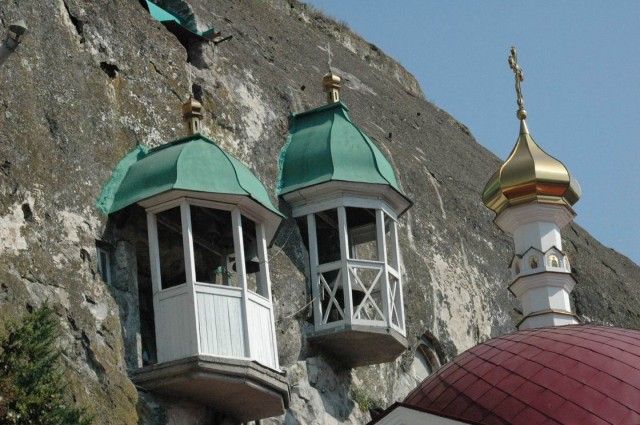
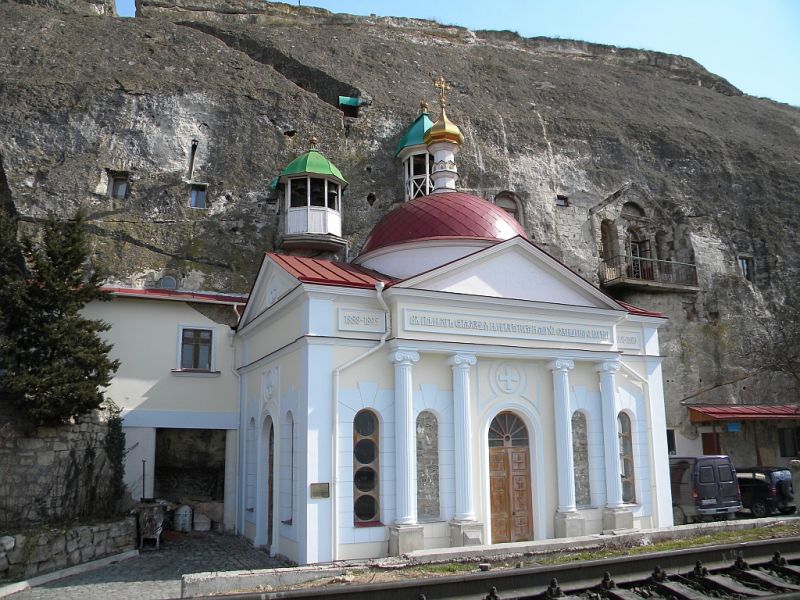
The Holy Klimentovsky Monastery is a unique creation of Byzantine architecture of 8-9 centuries. Initially, the inner halls carved into the Monastery cliff served as living quarters for the monks. From the central entrance stretched a long corridor, at the end of which there was a small room with stone benches, a throne and an altar. Apparently, in it the monks were waiting for the time of the church services. In the rock there are three main rooms in which divine services were held earlier. This is the church of St. Martin the Confessor, the temple of the Great Martyr Panteleimon and the church in the name of St. Nicholas of Myra. The temples have survived to this day, so visit these memorable places. In the apse of the third temple there is a large cross cut from the stone, at the ends of which the crosses are smaller. Such architectural detail was used in Byzantine temple structures from the 10th century. The preserved Greek inscription speaks of the inviolability of the stone shrine. In this same apse are placed the throne of the bishop, as well as the remnants of the surrender, behind which a niche for the image was hollowed out. Also preserved are the remains of ancient columns, which made this monastery three-nave. In general, the monastery cave complex in Inkerman has the form of a basilica.
The building of the St. Clement Monastery played a role in the times of the Great Patriotic War. It hid a detachment of Soviet troops, which repelled the enemy on the way to Sevastopol.
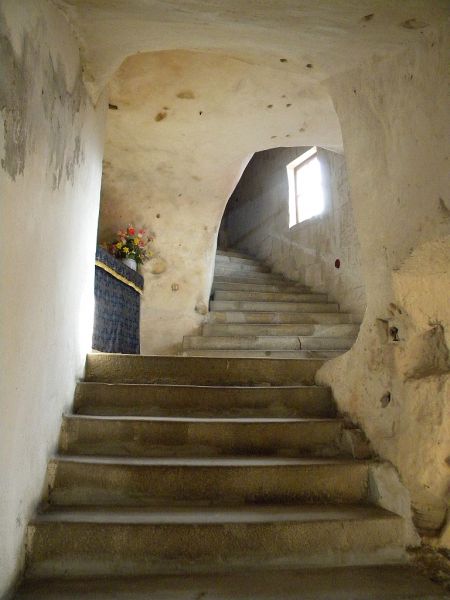
Now you can visit the church of St. Clement, part of which was assigned to the museum. Walk through the holy places, look into the rooms, which are connected with each other carved into the body of the rock with stairs. There is a passage that leads up to the fortress of Calamita. From there, a beautiful view opens up to the Inkerman Valley, spilling the Black River, and then the Black Sea.
You can get to the St. Clement Monastery from Sevastopol both by sea from the Count's wharf and by land - by train, bus or shuttle bus to the stop of 1531 km.
Find the Best Professionals for Your Project
Expert repair, construction, and renovation specialists ready to help you right now