Versailles - magnificent palace king-sun, in which there was not a single toilet.
Versailles is a pearl of French architecture. This palace complex was designed to express all the grandeur of the "sun king" of Louis XIV. The monarch allowed to visit his residence even for commoners, considering it a pride of the country. But along with the luxury and pomposity revealed defects in the layout of the complex. So, in a series of never-ending galleries, halls and apartments, no toilet was provided.
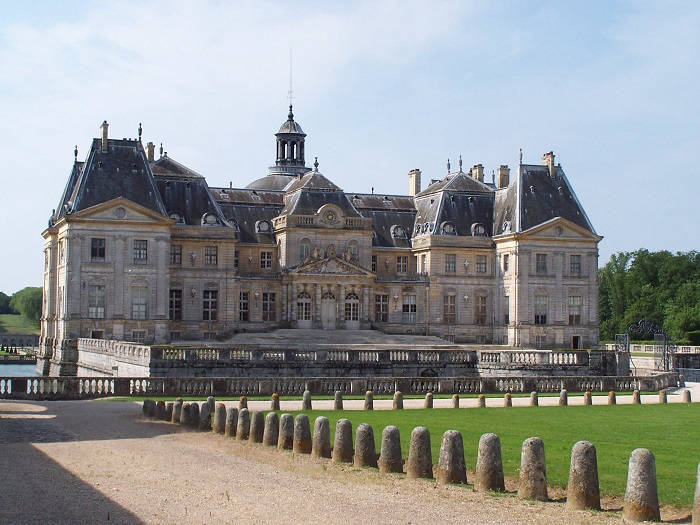
The castle of Fuke Vault (Vaux-le-Vicomte). | | Photo: ru.wikipedia.org.
Prior to the reign of Louis XIV, the residence of the French monarchs was the Louvre, but, after some time, the "sun king" conceived to build a new palace in the suburbs of Paris. The official reason for the beginning of construction was the fear of the king for his life. He repeatedly said that political intrigues do not allow him to sleep peacefully, so the residence must be moved away from the Paris conspirators.
In fact, the reason was different. Having visited a housewarming with the Minister of Finance Fouquet, Louis XIV saw a palace that was much more beautiful and luxurious than the Louvre. And monarchs do not like it when someone demonstrates their superiority.
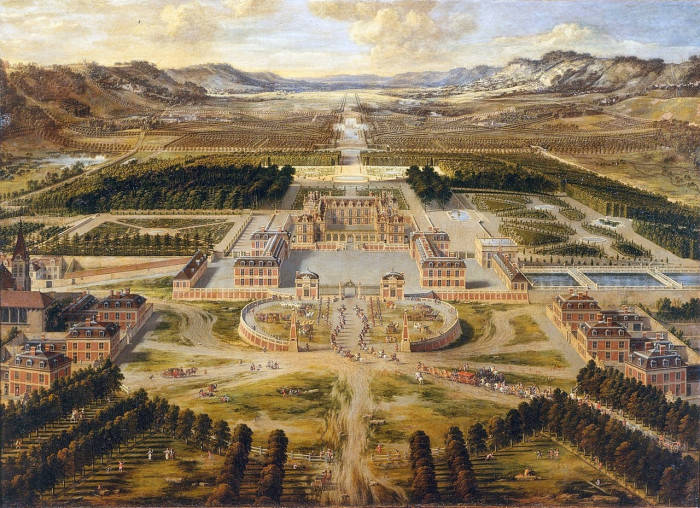
The Palace of Versailles. Pierre Patel, 1668. | | Photo: fiveminutehistory.com.
The same evening, Louis XIV ordered architects Louis Levau, Jules Arduin-Mansar and the park planner Andre Lenotr to come to him. They were given the task of creating an unheard-of palace that would reflect the grandeur of the French king. Thus began the history of Versailles. And Fouquet paid for the wounded pride of Louis XIV and was arrested in the same year of 1661.
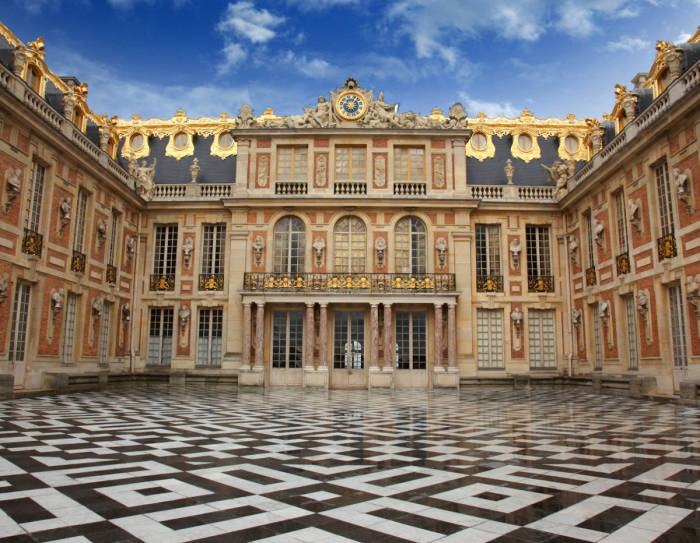
The marble courtyard of the Palace of Versailles, in place of which there used to be a hunting lodge. | | Photo: fiveminutehistory.com.
Louis XIV persistently accentuated the attention of architects on the fact that the palace had to be built qualitatively and in the shortest possible time. But it did not work out that way. A thousand workers were sent to Versailles. Then this figure grew 30 times. When the country did not fight with anyone, soldiers were sent to erect the palace. People literally worked day and night. Because of this, in the dark, fatal accidents became frequent. At first this information was withheld from the king, but when the truth surfaced, the monarch ordered a generous compensation to the families of the victims.
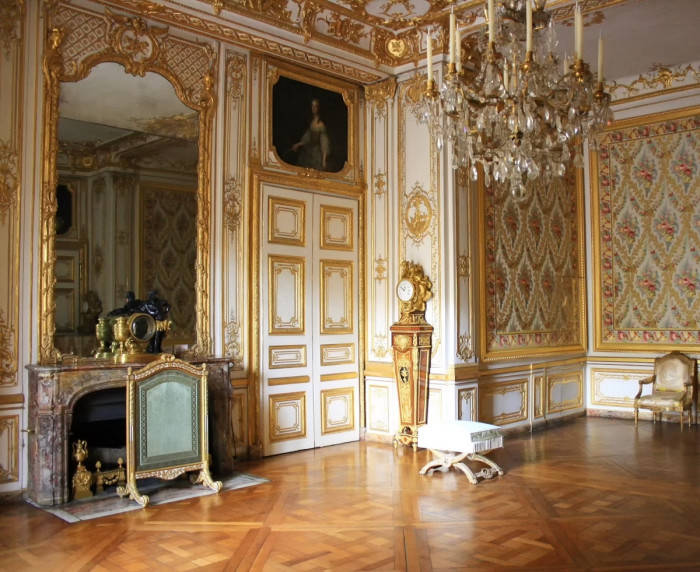
The small apartment of the King in Versailles. | | Photo: fiveminutehistory.com.
Money for the construction of the complex was taken from the treasury. But gradually the flow of funds decreased. Then the king shifted this mission to the courtiers. Every nobleman who had apartments allocated in Versailles during the Nine-Year War had to pay for their own construction.
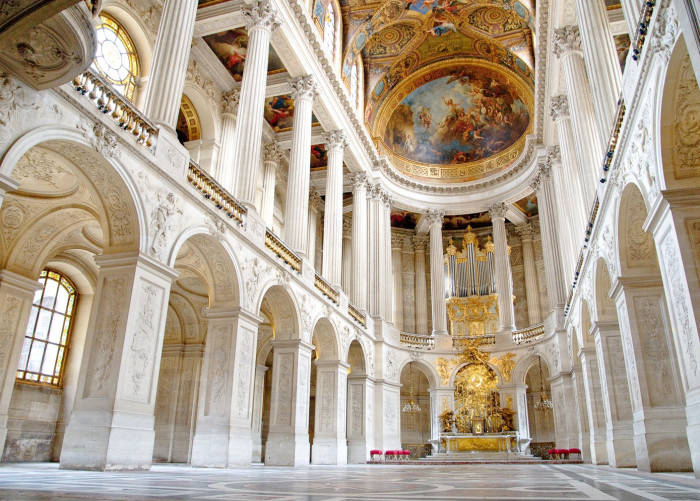
The Palace Church of Versailles. | | Photo: fiveminutehistory.com.
Hasty erection and lack of funds had the opposite side. A lot of fireplaces did not function, windows and doors could see gaps, which made the wind "walk" in the rooms, and the whole palace was very cold.
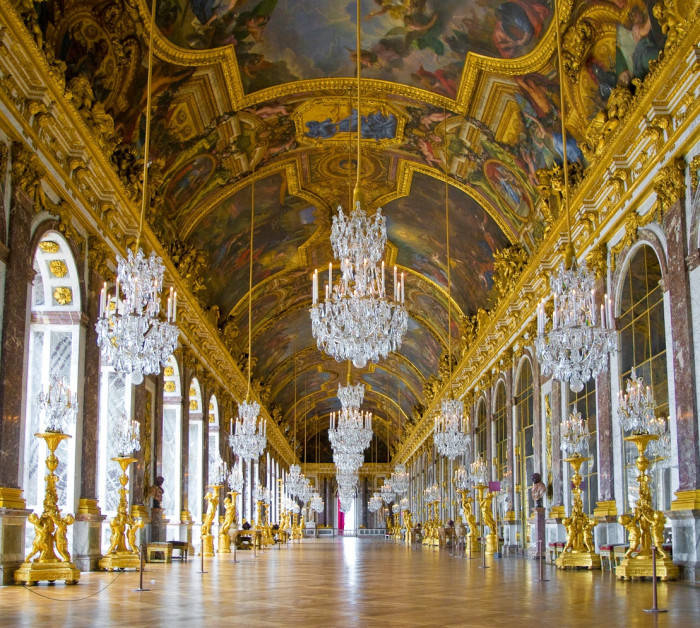
Mirror gallery. Versailles. | | Photo: fiveminutehistory.com.
But the most surprising is that, with all the splendor of the palace, the architects did not design a single toilet! The king and the queen had mobile booths for these "cases," and the courtiers were in need of food, where they would have to. In the galleries of Versailles you can find many alleys, niches. Earlier they were closed with heavy curtains. It was there that the aristocracy arranged "public toilets".
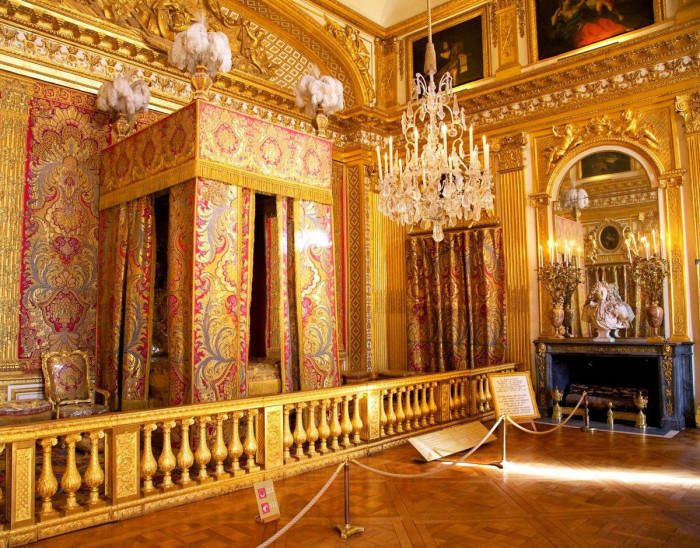
Apartments of the King of France, the Palace of Versailles. | | Photo: fiveminutehistory.com.
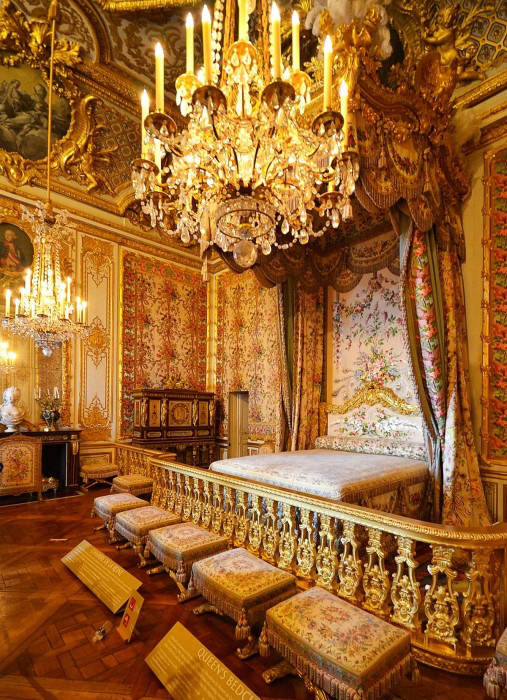
The main apartments of the Queen of France. | | Photo: fiveminutehistory.com.
By the way, it was then that the "Sun King" issued a decree that all would appear at Versailles, liberally laden with perfume. Some strong "flavors" interrupted others. Many guides say that in remote parts of Versailles there is still a foul odor.
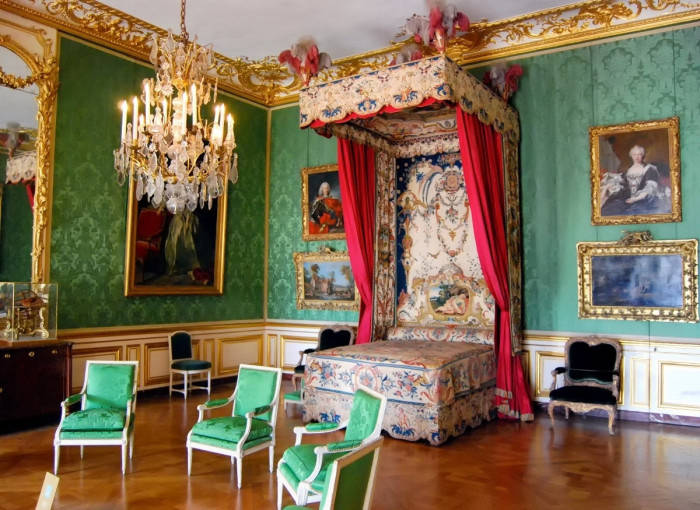
The bedroom of the Dauphin. | | Photo: fiveminutehistory.com.
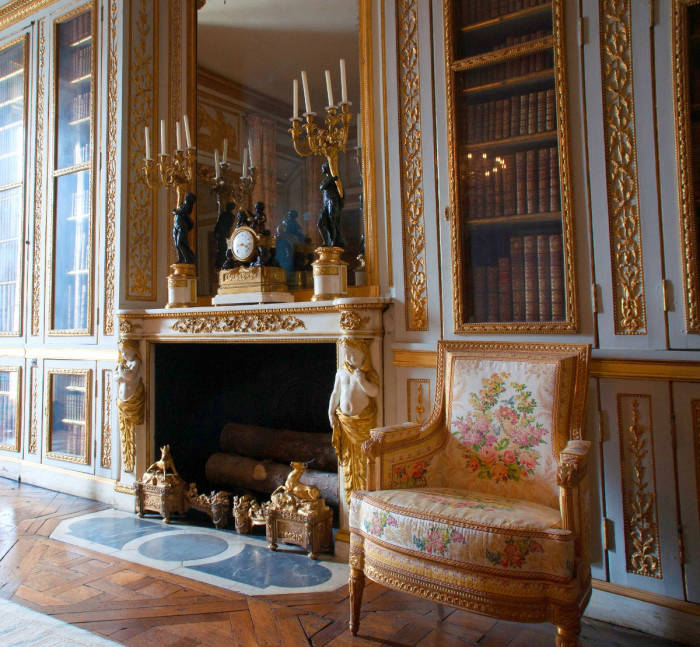
Small apartments and the library of Louis XVI. | | Photo: fiveminutehistory.com.
Work on the construction of Versailles continued after the death of Louis XIV. The maintenance of the palace cost the subsequent monarchs a pretty penny. And during the French Revolution of 1789 the magnificent complex was ruthlessly plundered. However, when Napoleon came to power, he planned to revive the magnificence of Versailles, but he did not succeed.
The return of the Bourbons to power most positively reflected on the fate of the palace complex. It was restored and then made a museum.
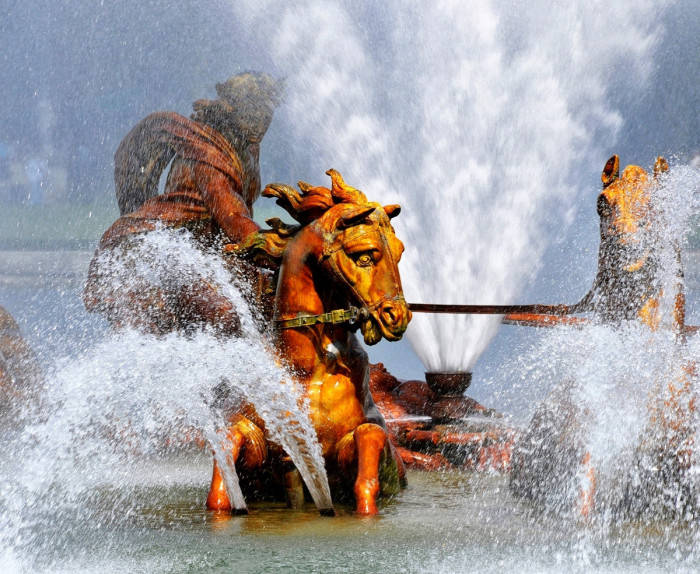
The pool of Apollo: the Greek god of the Sun rises from the sea, in a harness of four horses. | | Photo: fiveminutehistory.com.
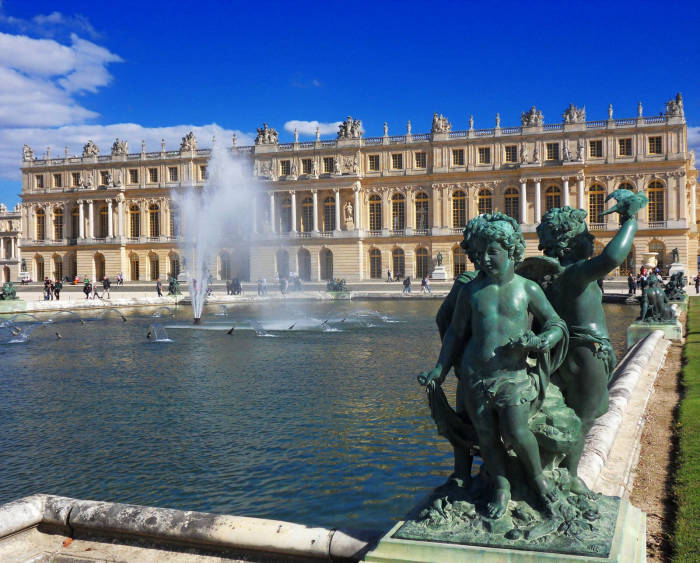
The fountain in front of the Palace of Versailles. | | Photo: fiveminutehistory.com.
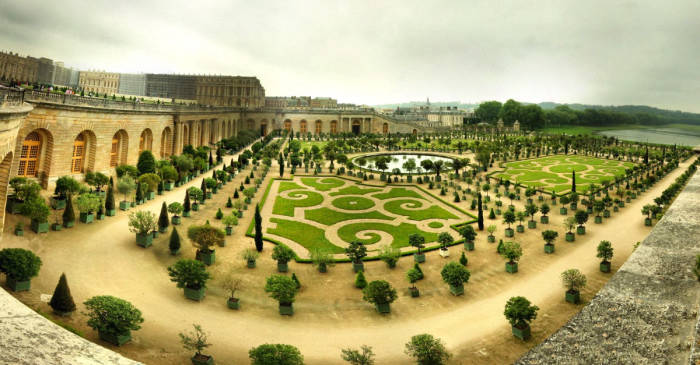
The gardens of Versailles. | | Photo: fiveminutehistory.com.
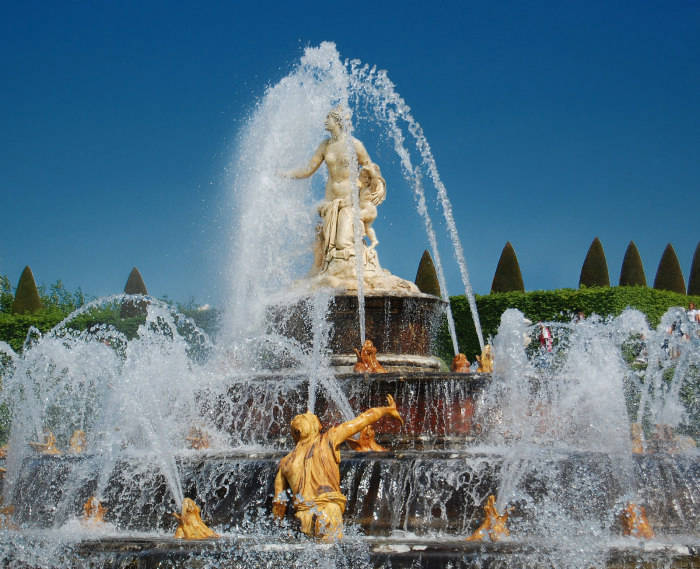
The fountain in the garden of Versailles. | | Photo: fiveminutehistory.com.
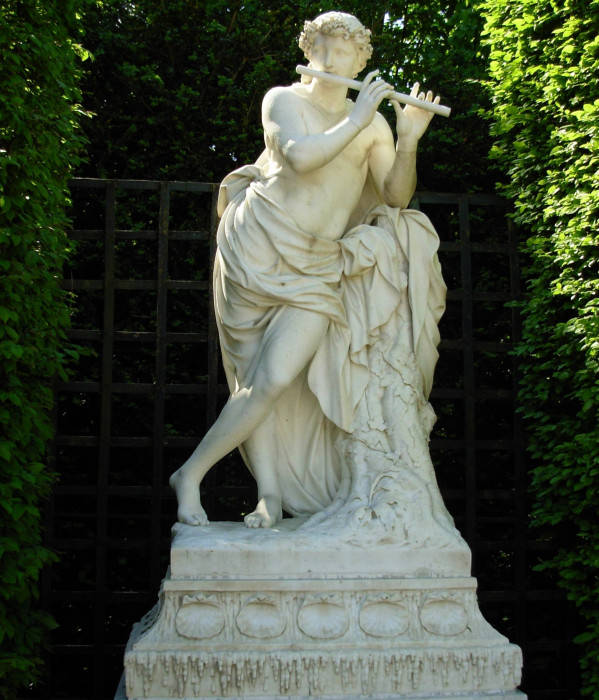
Aqeed, who plays the flute. Jean-Baptiste Tuby, 1674 year. | | Photo: fiveminutehistory.com.
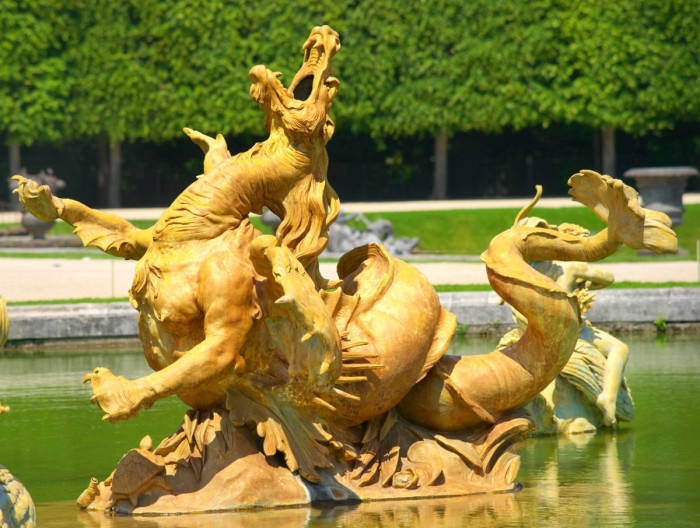
Statue of a sea monster in the garden of Versailles. | | Photo: fiveminutehistory.com.
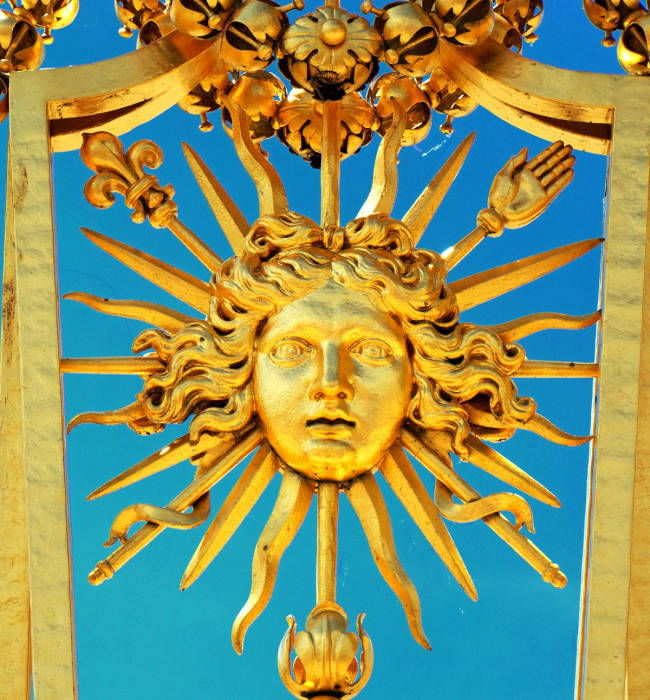
The King-Sun symbol on the lattice of the fence of Versailles. | | Photo: fiveminutehistory.com.
Louis XIV takes the prince de Conde at Versailles. Jean-Leon Jerome, 1878. | | Photo: fiveminutehistory.com.
However comical this may sound, but at the royal court the most desirable post sounded like "Keeper of the royal chair".The duties of this courtier were nothing but a mopping up of the royal buttocks after fulfilling the natural needs.
Find the Best Professionals for Your Project
Expert repair, construction, and renovation specialists ready to help you right now
Recommended articles
More articles:
 The waterfall of Honokokau - prehistoric landscapes of the dinosaur era, existing to this day
 12 most spectacular and scenic railway routes in the world
 18 amazing 100-year-old photos about everyday life in Japan
 20 pictures proving that Iceland is a country of unearthly beauty
 10 most expensive places to relax in the world
 The green seas of Chinese plantations, where they produce a quarter of all tea in the world
 20 of the most beautiful countries in the world
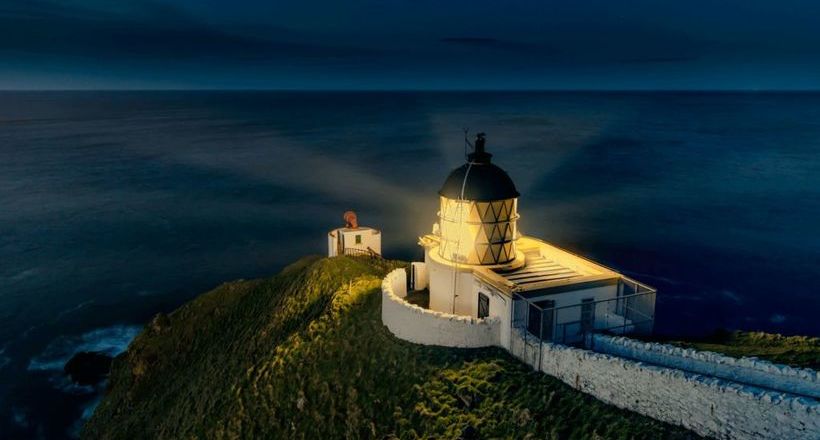 5 seascapes that won the Ultimate Sea View 2017 Photo Contest