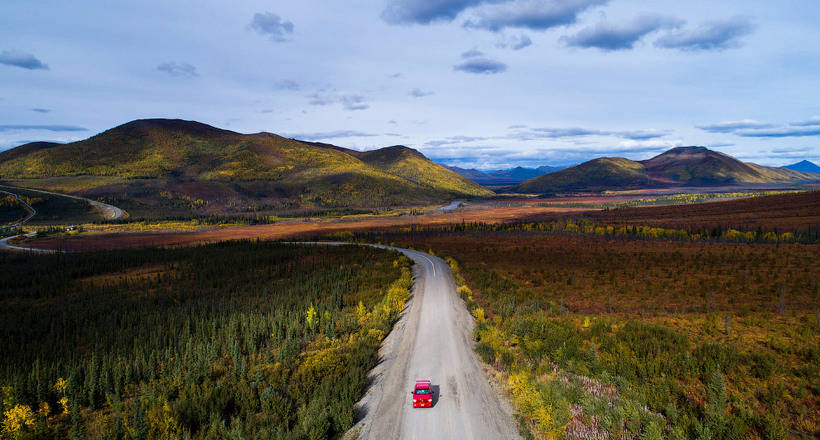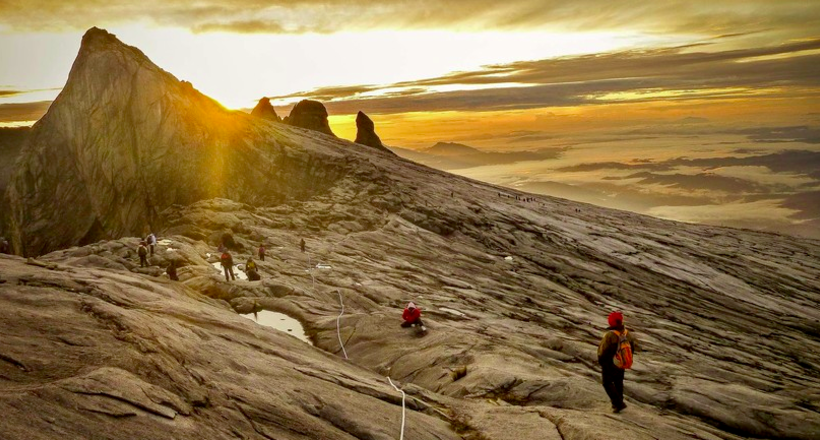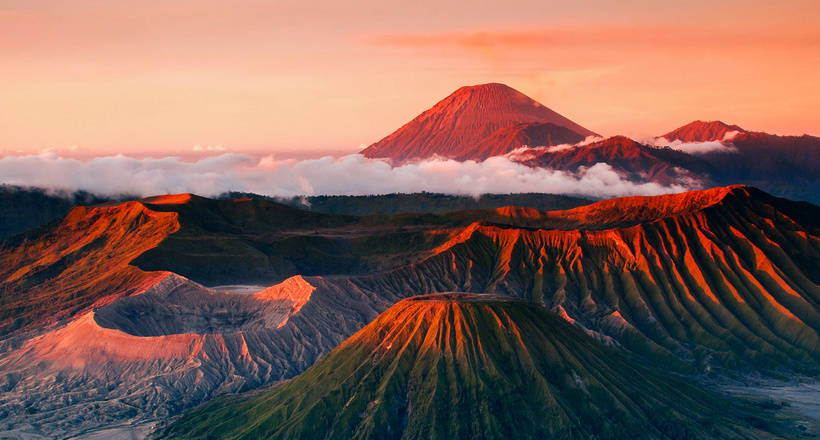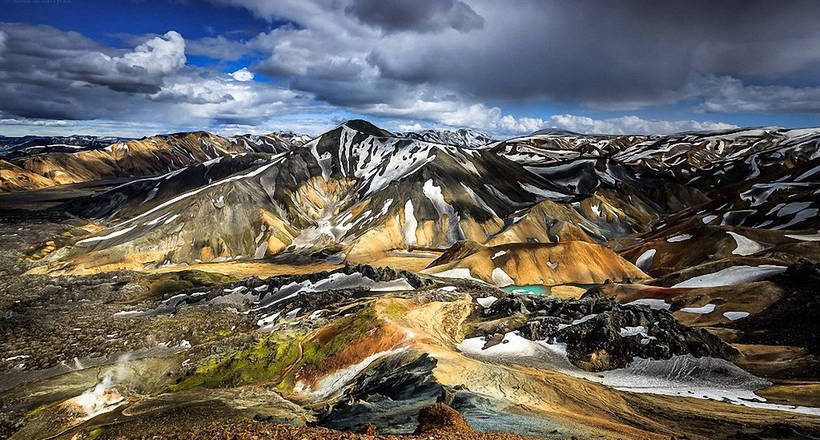
The trip to Iceland is very similar to the time travel. The ocean, lifeless rocks, volcanoes, frozen lava flows, geysers, hydrogen sulfide springs, waterfalls - all this is very similar to the terrestrial landscapes at the dawn of the planet's existence.
The primeval nature of Iceland: where new lands are born
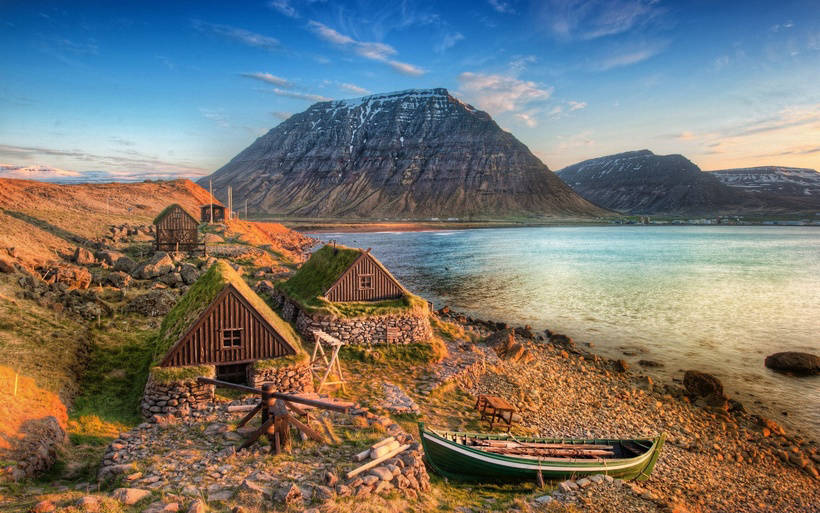
A similar picture is due to the geological structure of Iceland and the adjacent islands. By terrestrial standards this is a fairly young island, it originated about 60 million years ago and continues to form, as evidenced by numerous volcanoes and geothermal springs. It can be said that Iceland just emerged from the hot earths of the Earth. Geologically, the island belongs to the Mid-Atlantic Ridge. This is a rift zone that separates the North American and Eurasian lithospheric plates, in which the formation of the oceanic crust takes place. At the base of the island are dark-colored basalt lavas, in which there are cracks and splits. The basalt plateau is located at an altitude of 400-600 meters above sea level and steep slopes into the ocean. Eruptions of volcanic products occur in rift valleys. Iceland is one of the most tectonically active regions of the planet. There are often earthquakes and volcanic eruptions. We are witnessing the processes of formation of new islands and volcanoes. And the last major earthquake of magnitude 6.5 on the Richter scale occurred on the island in the summer of 2000.
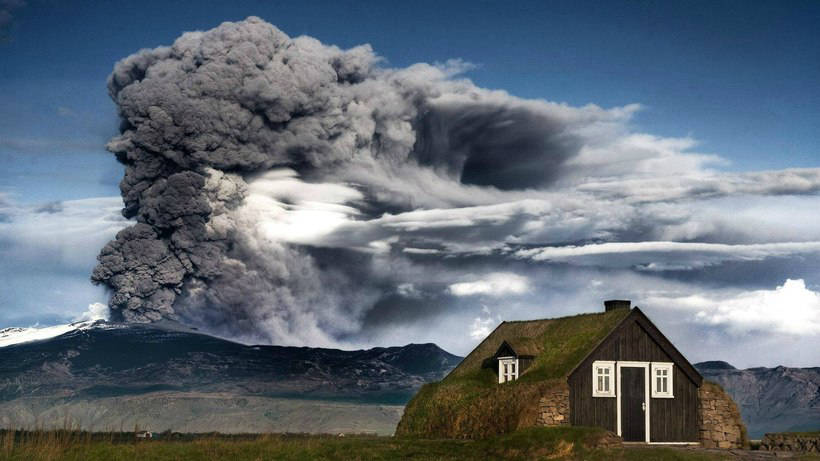
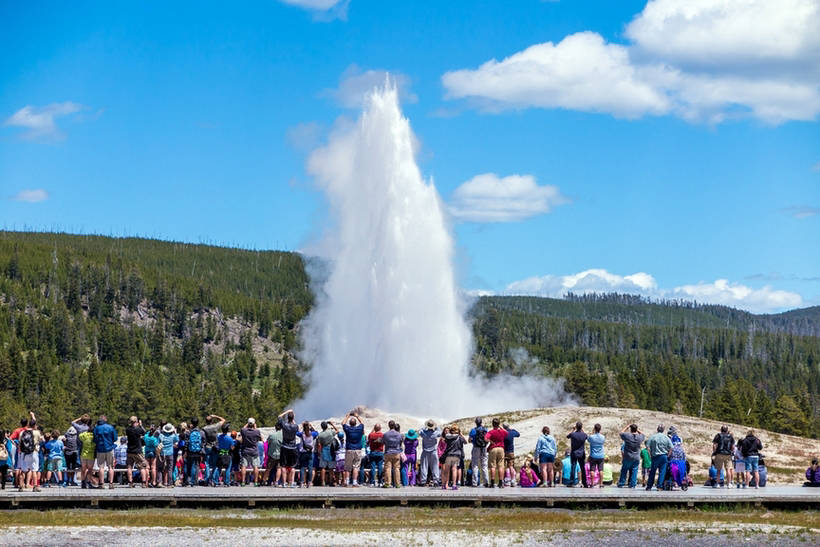
In Iceland there are about 250 geothermal springs. The most famous among them is called Big Geyser. Icelanders skillfully use the gifts of their harsh nature. The basis of the energy of this northern country is geothermal heat sources. More than 80% of all buildings in the country, swimming pools and greenhouses are heated by energy of the bowels.
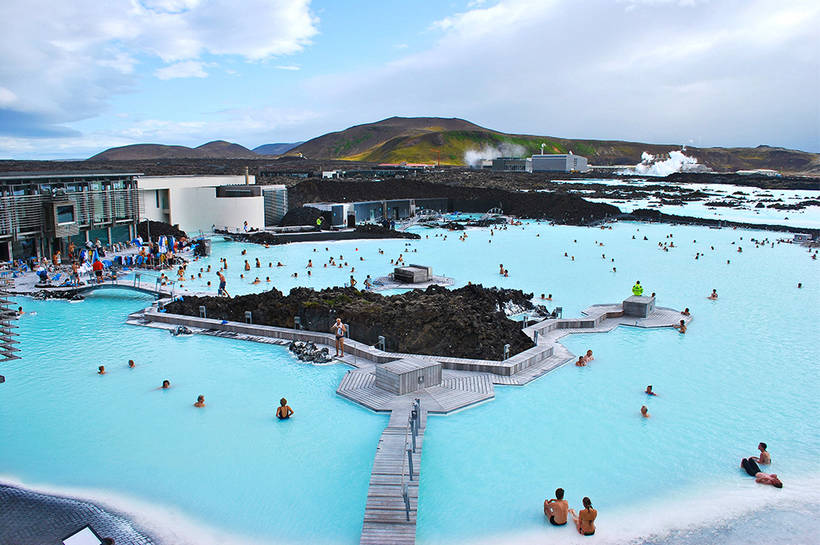
Geysers are used by the local population not only for heating and as tourist objects. It is also a valuable health resource. So, for example, there is a well-known place called the Blue Lagoon. Here the boiling water of the geyser is mixed with salty sea water, as a result of which the resulting water has medicinal properties. In the Blue Lagoon whole pools are formed, where people who want to improve their health or just to bask are bathing.
Iceland is located in the northern latitudes, so a large area of the island is occupied by glaciers. The combination of glaciers and volcanoes here is very unusual. This neighborhood leads to the formation of an interesting and at the same time a dangerous phenomenon - a subglacial eruption. As a result of the eruption of the subglacial volcanoes, the ice cover begins to melt and powerful streams of rocks, water and ice rush along the slopes of the mountains to the ocean. Iceland is the power of a pristine nature in all its manifestation.
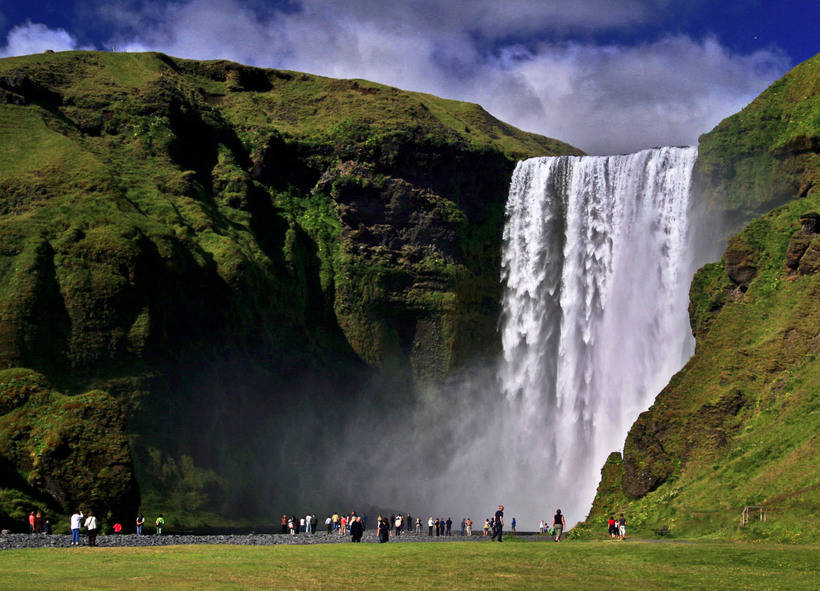
The population of Iceland is small, a little over 330 thousand people. But the harsh nature of these places attracts thousands of tourists. Every year, travelers and photographers, fishermen and extreme lovers from all over the world seek here. They come to see how our planet is born.