11 great cities of the past, from which breathtaking
Hundreds of years ago, these magnificent cities were abandoned by people because of wars and disasters. Today they became bright sights, for which it is worth to go to the other end of the world
Angkor, Cambodia
From the wonders of Angkor intercepts the spirit even among the most sophisticated travelers. When around Moscow only began to build the first wooden fortifications, and the population of London barely reached 50 thousand, in the capital of the Khmer Empire already lived about a million people. The largest pre-industrial city of the planet, Angkor was founded in the IX century and cast in the first half of the XV century under the onslaught of Siamese conquerors. The jungle swallowed wooden city buildings, but the main wealth of Angkor survived in a fight with nature. About a hundred majestic temples with a unique architecture, various statues and bizarre bas-reliefs can still be seen today near the border with Thailand.
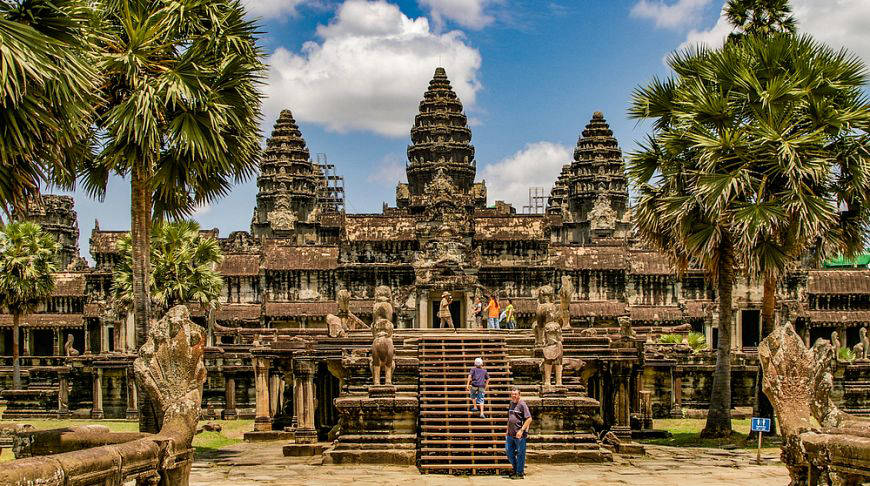
Photo: shutterstock
Leave at least two days to get acquainted with the sights of Angkor. Only the main temple, Angkor Wat, is larger in area than the Vatican, and even for a quick inspection will take at least a couple of hours. The minimum program includes five or ten temples, which are scattered over an area of 400 km². It sounds like a challenge for the hardy, but few people walk on Angkor - in the nearby town of Siem Reap, you can rent a bicycle or arrange a motor-rickshaw driver.
Sukhothai, Thailand
In Thailand there is quite a living city with the same name, but the ancient Sukhothai is 12 km from the new one, definitely dead and already quite a long time ago. The historical city of Sukhothai, as it is now called to avoid confusion, was the capital of the eponymous kingdom in the XIII - XV centuries. More than a hundred years from here, they controlled almost the entire territory of modern Thailand. From the city itself and its fortifications there were only picturesque ruins, but a few dozen temples and stupas were not badly preserved. The main attraction is the huge statue of the Sitting Buddha in the Wat Si Chum temple.
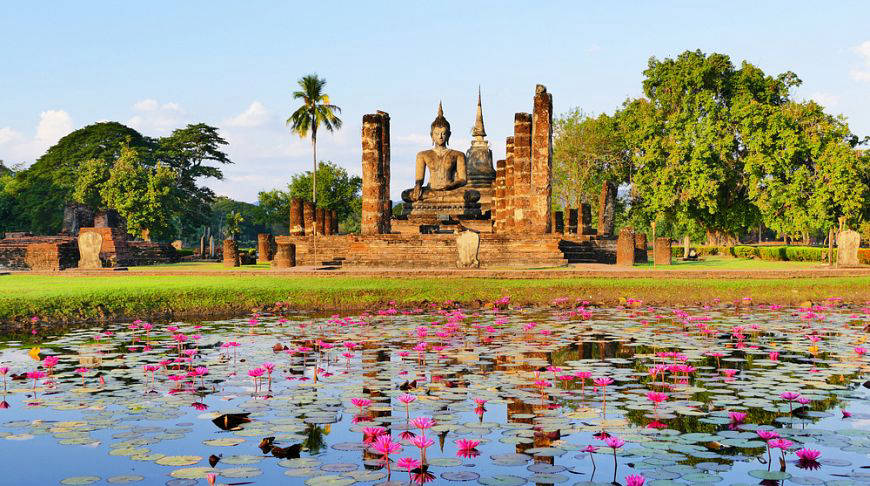
Photo: shutterstock
Petra, Jordan
To see one of the New Seven Wonders of the World, it is not necessary to go to the end of the world or get a Schengen visa: to fly to Jordan not far, and the visa is put on arrival. But the incredible, unlike any place in the world of Petra, there is one downside - after it most of the world's sights look small and boring.
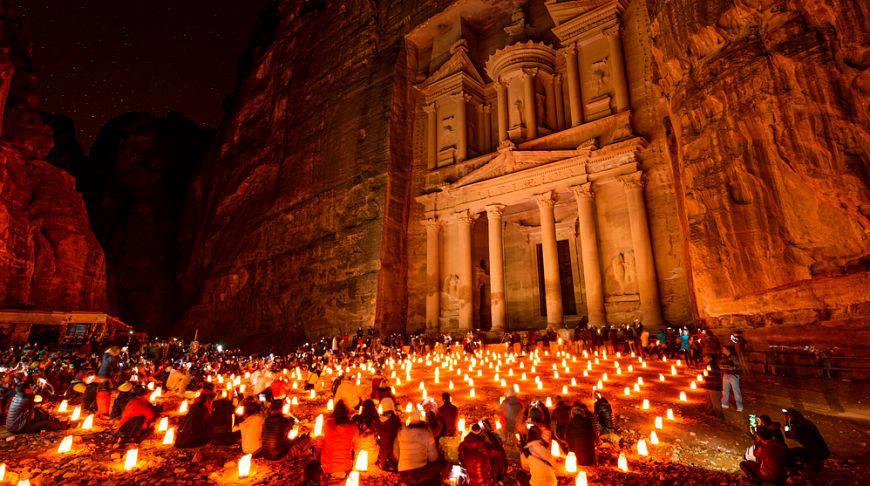
Photo: shutterstock
The capital of the ancient Nabataean kingdom, once the richest city, founded in the IV century BC. at the crossroads of trade routes, fell into decay after a strong earthquake in the 4th century AD. People continued the started element - Peter was robbed and ruined and crusaders, and Arabs, and local treasure hunters. Fortunately, cities of this scale are not easily erased from the face of the earth, and today you can see dozens of temples and tombs carved into colorful rocks and still amazing.
Machu Picchu, Peru
The real name of the "Lost City of the Incas" disappeared with its inhabitants: Machu Picchu was built in the middle of the 15th century and left after a century, during the colonization of South America by the Spaniards. Up to the city, located high in the mountains far from the capital of the Inca Empire, the conquistadors did not reach, so it was perfectly preserved. The real star of tourism Machu Picchu was after he entered the list of the New Seven Wonders of the World.
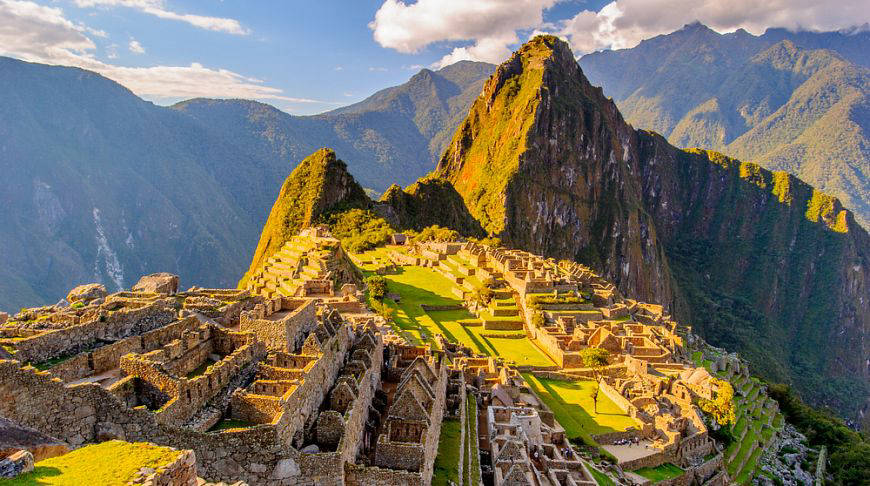
Photo: shutterstock
You can get to Machu Picchu by regular train or bus. But much more interesting - on foot along the picturesque ancient Inca Trail, where the head is spinning from the height, breathtaking landscapes and the speed of changing climatic zones. At the same time on this simple 4-day route 43 km long you can see the ruins of other Inca cities, not as impressive as Machu Picchu, but still interesting.
Palmyra, Syria
The most famous ancient city of the Middle East began with a simple oasis with a handful of houses. For several centuries Palmyra has become a powerful kingdom and challenged the Roman Empire itself. The Romans answered harshly, they won, and after them from the prosperous city there were only grandiose ruins. Majestic temples, long colonnades, paved roads - you do not need to have a wild imagination to imagine the splendor of Palmyra in its heyday.
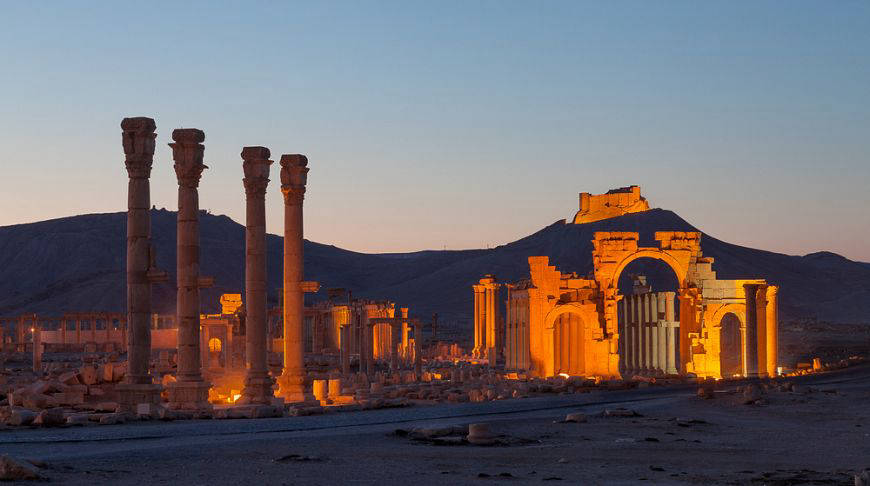
Photo: shutterstock
Ironically, the case of the "infidels" of the Romans undertook to finish two thousand years later the rebels of the IG. In 2015 they blew up the temple of Baal. But Palmyra is able to survive the invasion of invaders and destroyers of any scale. We hope that soon it will again become safe for tourists. Until then, some idea of it can be made with the help of other ancient cities in the Middle East - Gerasy in Jordan, Ephesus in Turkey or Baalbek in Lebanon.
Vajayanagar, India
The city of Vajayanagar in the Indian state of Karnataka has long been abandoned, and even its name has been forgotten for centuries - every tourist on Goa knows him as Hampi, by the name of a nearby village. But at one time Vajayanagara was the capital of all of South India, and the metropolitan scope is still visible here. Whimsical temples with a masterful carving, huge statues of Hindu deities, giant elephant stalls, aqueducts and pools, the royal palace and a magnificent stone chariot are perfectly preserved, and it seems as if they will simply stand for another thousand years.
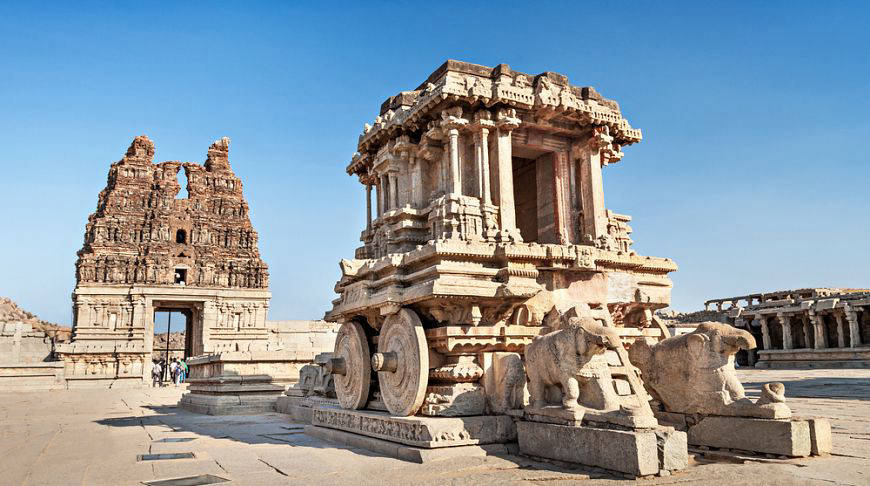
Photo: shutterstock
Another attraction of Hampi is the surrounding landscape. The local mountains look as if a giant from the Hindu pantheon built castles of boulders on the river bank, and so he forgot to disassemble them. Do not regret waking up still dark to climb to the top of one of them and meet the dawn. The spectacle is incredible!
Persepolis, Iran
Placed by Darius I in the 6th century BC, Persepolis immediately became the ceremonial capital of the Achaemenid state and remained it until Alexander the Great arrived in Persia. Plundered by the soldiers of Alexander and set on fire by the Athenian hetaer Thais, the city continued for some time, but gradually fell into decay and was abandoned.
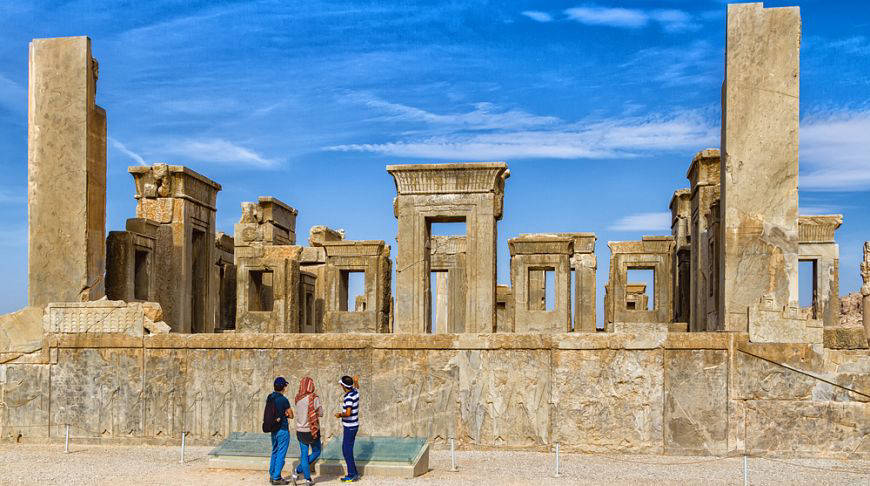
Photo: shutterstock
Ruins of palaces, massive columns, quaint statues and magnificent bas-reliefs on the walls - everything that was preserved in Persepolis, is marked by the seal of its former power. In the building of Harem Xerxes there is a museum of Persepolis, where only a small part of the treasures of the ancient city are collected: the rest "parted" around the world.
Pompei, Italy
One of the most famous dead cities in the world is in some way unique: the exact date of his death is known. The life of Pompeii and the two neighboring cities of Herculaneum and Stabia terminated the volcanic eruption of Vesuvius on August 24, The number of victims of the disaster is not known to anyone, but only as a result of excavations in the lost cities found the remains of 1500 people.
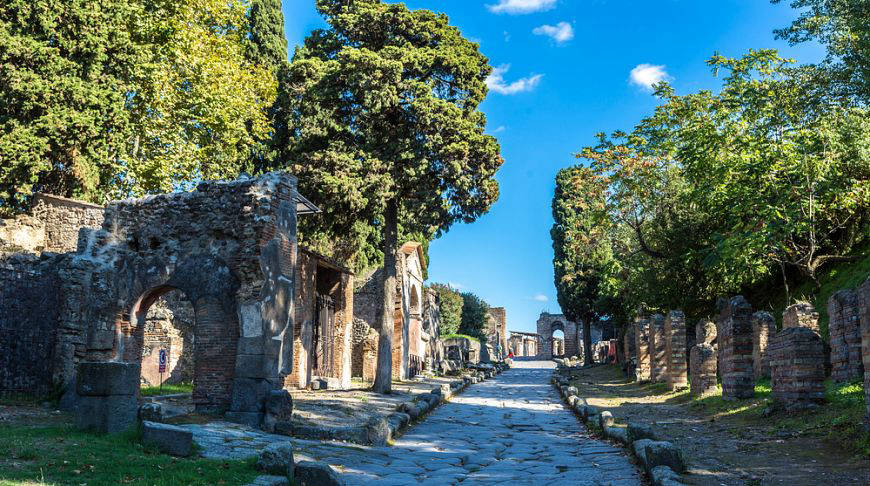
Photo: shutterstock
Today Pompeii is a huge open-air museum with ruins of temples, theaters, residential quarters and city fortifications. A separate "exhibit" is the mass of Vesuvius, dormant, but capable of waking up at any moment.
Teotihuacan, Mexico
Teotihuacan is a mystery city: no one knows its exact age, and the only known name for us is from the Aztecs who came here after the city's death. The period of the highest prosperity and power of Teotihuacan lasted from III to VI century: when it was the largest trade, cultural and spiritual center of the region. The reasons for the decline and destruction of the city are also not completely clear; It is only known that by the middle of the 7th century only majestic ruins remained from it.
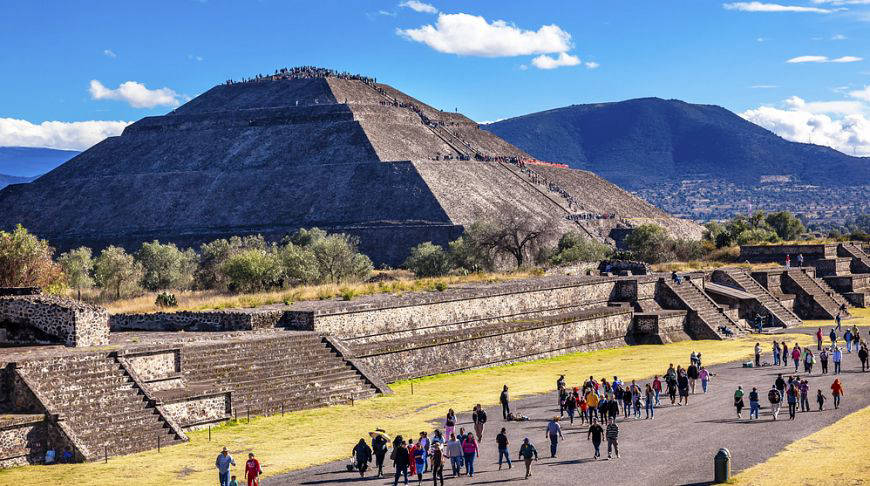
Photo: shutterstock
The main buildings of Teotihuacan are two huge pyramids: the Sun is 64.5 meters high and the Moon is the size of a 15-storey house. There are also a half dozen smaller pyramids, the remains of two palaces, geometrically regular streets and a huge square in the central part of the city.
Pagan, Myanmar
The Pagan kingdom lasted for a relatively short time - from the middle of the 11th to the end of the 13th century. But his legacy is truly unique. On the territory of the capital of the kingdom - the city of Pagan - there were neither residential nor administrative buildings. But it does not matter, because the area of 40 km² near the eastern bank of the Irrawaddy River is covered with an incredible number of Buddhist temples, pagodas, monasteries and stupas. There are really thousands of them: similar and different, active and abandoned, restored and dilapidated, adorned with gilding and overgrown with grass. Unfortunately, for political reasons, UNESCO could not take Pagan under its protection, and it is still not included in the World Heritage List.
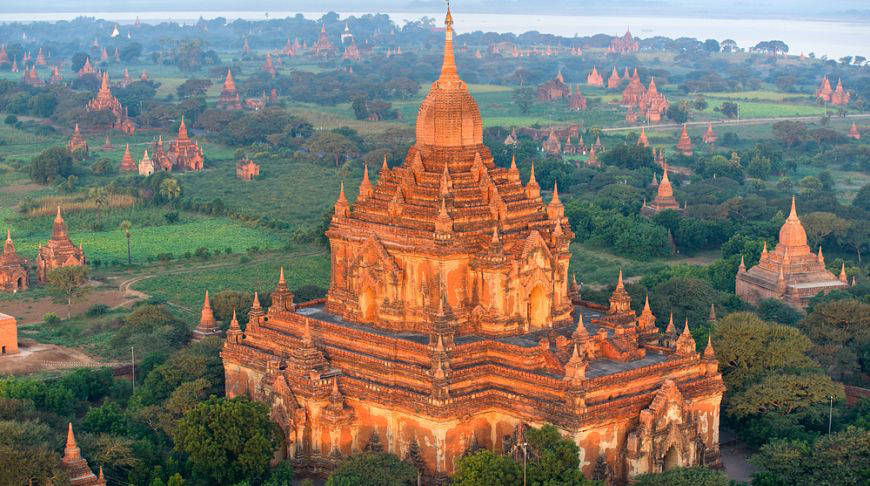
Photo: shutterstock
Troy, Turkey
And finally, the ruins are not the most picturesque, but - one of the most famous cities of antiquity. Those who know the history of the "strong-walled Troy", an effort of fantasy will turn the walk along the coastal hills into an amazing journey through time. Imagine: there were Achaeans camped down there, and in the distance a forest of masts of 1186 ships could be seen.
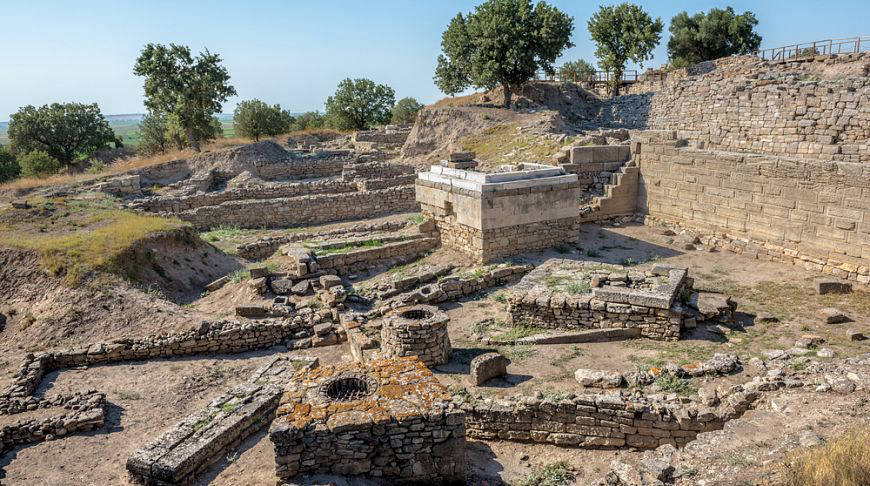
Photo: shutterstock
And suddenly, these plain-looking stones remember the wheels of the Trojan horse or did Hector say goodbye to Andromache at this very spot? Well, if you have a very good imagination and history, you can not even go to Turkey: most of the archaeological finds from the excavations of Troy are stored in the Moscow Pushkin Museum and the Hermitage.
A source:.
Find the Best Professionals for Your Project
Expert repair, construction, and renovation specialists ready to help you right now
Recommended articles
More articles:
 Mangroves: unique ecosystems in danger
 Where is the driest desert in the world
 The best photos of nature for the National Geographic 2017 contest
 Ukrainian photographer found the entrance to Through the Looking Glass
 Top-10 cities to visit in 2018 by Lonely Planet
 Stunning windows from all over Portugal, which are more like works of art
 Mount Guilin fantastic scenery of the Celestial Empire
 Mysteries of the Terracotta Army of the Chinese Emperor Qin Shihuandi