3000 dollars per kilogram: why the inhabitants of the East so appreciate the nest salangan
Surely many people have heard that there is an unusual dish in Chinese cuisine - soup, which is prepared from bird nests. This tradition is more than 1000 years old, and the price of quality nests can reach $ 2,000 per kilogram and even higher. Indonesia alone supplies up to 300 tons of nests per year to the world market.
Let's get acquainted with these interesting birds and find out why the people of South-East Asia appreciate the dish from the nests.
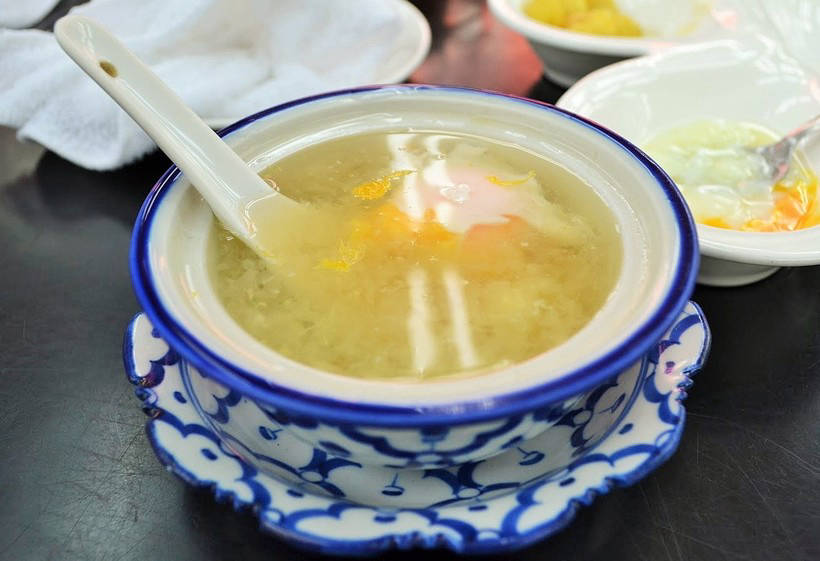
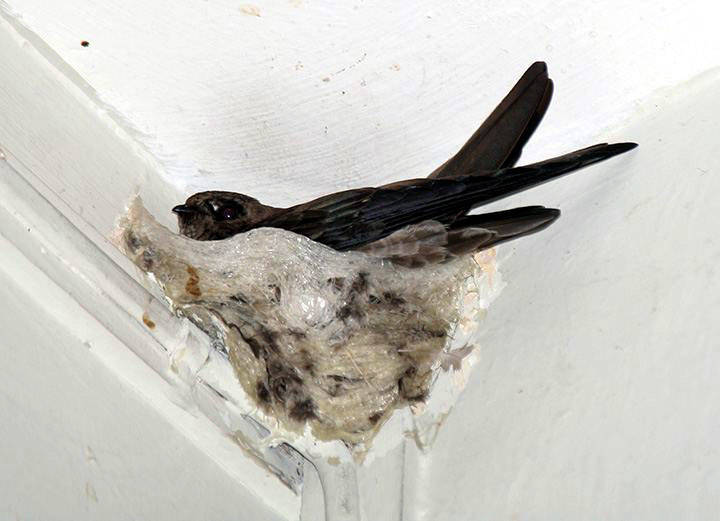
Birds, whose nests are used to make a national dish, are called salangans and belong to the family of the Střígin. Salangans live in Indonesia, Malaysia, Vietnam, Australia, the Philippines and the surrounding islands. For nesting, they choose sheer cliffs or gloomy caves.
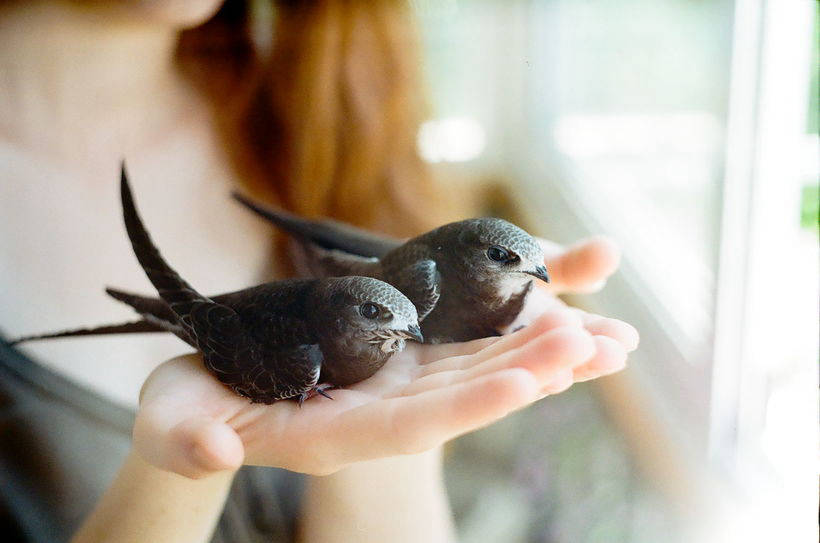
Nest, unlike most birds, salangans are built with their own saliva. Under the tongue of the birds is a pair of salivary glands, from which a sticky substance is released. There are two main types of salangan, whose nests are in demand with the local population. These are gray salangans, which are built only from saliva, and large salangans, whose nests are heterogeneous and, as a rule, contain feathers. Salangans build their nests in the spring, from February to May, and it is during this period of the year that they are most saliva. The process takes 4 to 6 weeks. Interestingly, the salangans build nests at night, as in the daytime they are busy searching for food.
Nest of salangan nests today, like hundreds of years ago, are occupied by local residents. This is a very difficult and dangerous work: not everyone can climb the bamboo poles and ropes for tens of meters under the cave roofs in total darkness. But nests of salangans are very much appreciated, therefore in poor rural areas there are always daredevils ready to risk their lives.
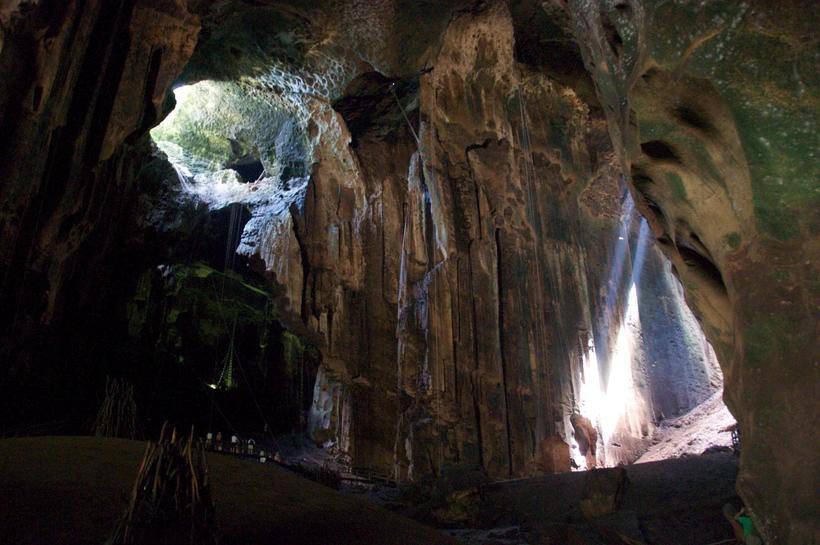
It is interesting that the nest collectors actively work in the spring season. According to local residents, they cut the salangan nests three times. After each loss, the birds restore the nest. It is noteworthy that the most valuable nest is the gray salangan, which was built the very first in the season: it consists of pure saliva. The second and third nests are no longer of such good quality, there may be foreign impurities. These nests are also harvested, but they are less valuable and are not suitable for soup preparation, they are mainly used to produce gelatin. It is noteworthy that local residents take the nest from the salangan, thereby forcing them to build an apartment anew. The last nest conscientious collectors do not touch, thereby allowing the birds to breed and providing themselves with work for the next year. But there are also cases of predatory attitude to birds, which causes alarm among scientists and the public.
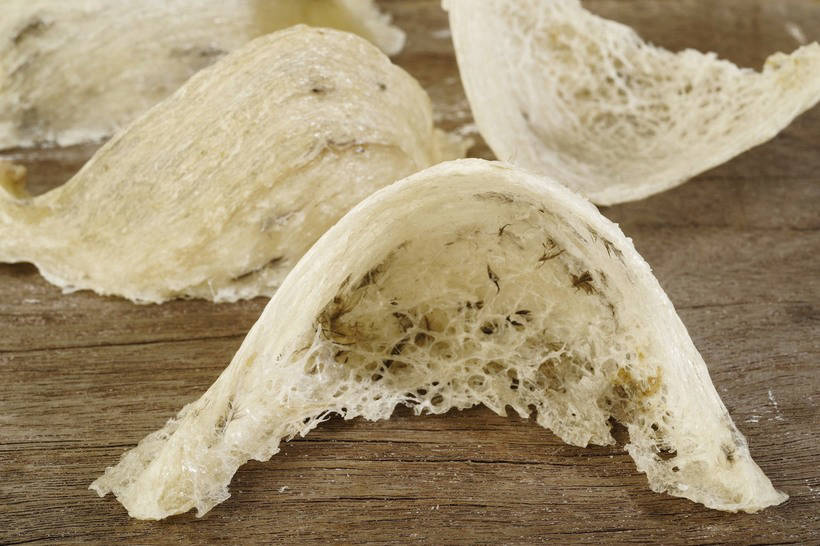
But what is so useful in these nests, that their price in the market reaches $ 3000 per kilogram, and a serving of soup of them costs about $ 50 in a Hong Kong restaurant?
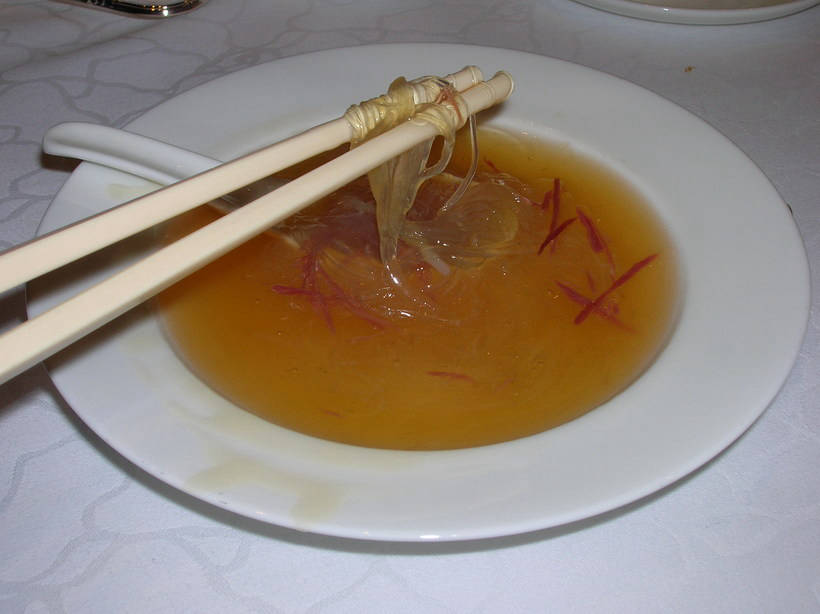
First of all, it is worth mentioning that this dish is considered a delicacy and sacred food, that is why it is revered among wealthy citizens. In addition, nests have a number of valuable properties. Studies show that salangan nests are a product consisting of approximately 60% protein and 30% carbohydrate. It contains several essential amino acids, as well as trace elements - magnesium and calcium. Nest collectors often eat them raw, right on the day of work. They assure that the nests make them strong and enduring.
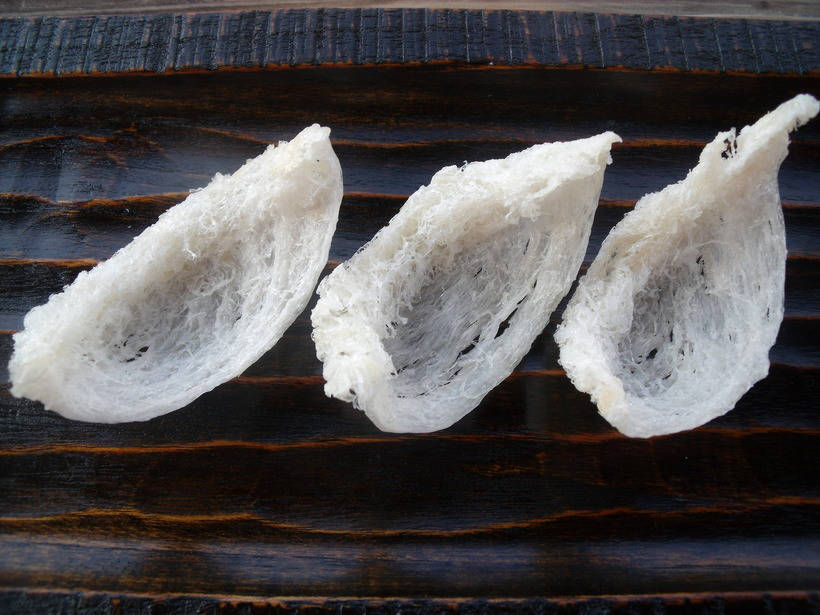
Annually, the world market receives about 300 tons of this delicious product. The main supplier of bird nests is Indonesia, which produces 250-300 tons per year. In second place is Malaysia, which supplies about 25 tons of nests.
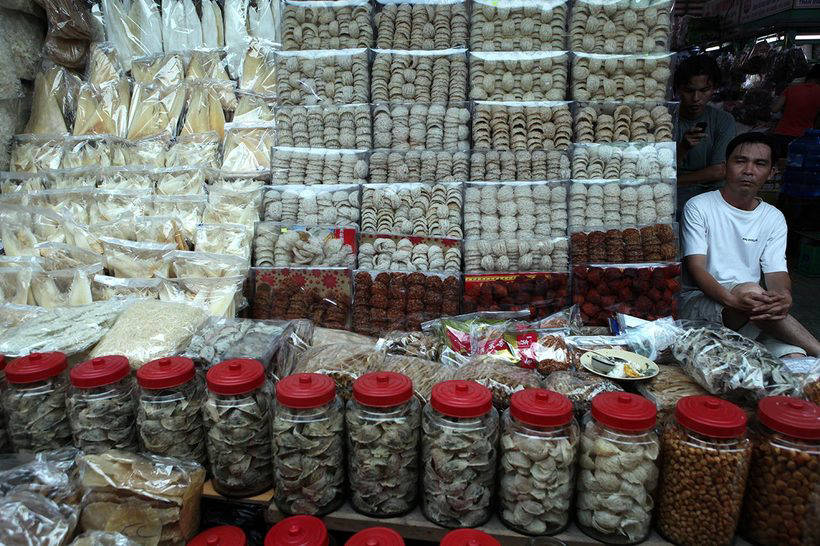
Interesting and geography of the main consumers of salangan nests. More than half, and to be more precise, 60% of the nests leave for Hong Kong. But the second place is firmly held by North America. Do not be surprised, Americans are not fans of soup from bird nests. The fact is that the US has a large Chinese diaspora, numbering more than 3 million people. Chinese emigrants and their descendants are fond of their national dishes, so in the United States annually consume about 30 tons of nests.
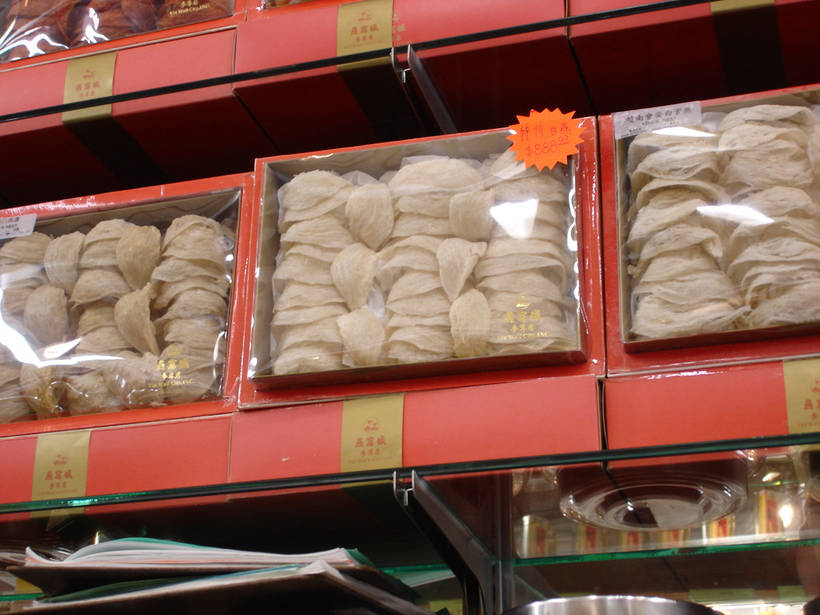
It is noteworthy that lately nests are obtained not only in the traditional way, but also by breeding the salangan on special farms. Such a business is very popular with Malaysia.
Find the Best Professionals for Your Project
Expert repair, construction, and renovation specialists ready to help you right now
Recommended articles
More articles:
 15 most delightful natural wonders of the world
 The Hoover Dam: a symbol of America's engineering triumph in the Art Deco style
 5 grandiose and picturesque abandoned places, where it is better not to be alone for nothing
 Top 10 places where you can see the northern lights
 Why rice fields are flooded with water, when rice grows well and on ordinary soil
 The 7 most remote islands in the world
 How does the crocodile breeding farm in Thailand live and work
 30 cool photos from Project Van Life about what leads to a passion for travel