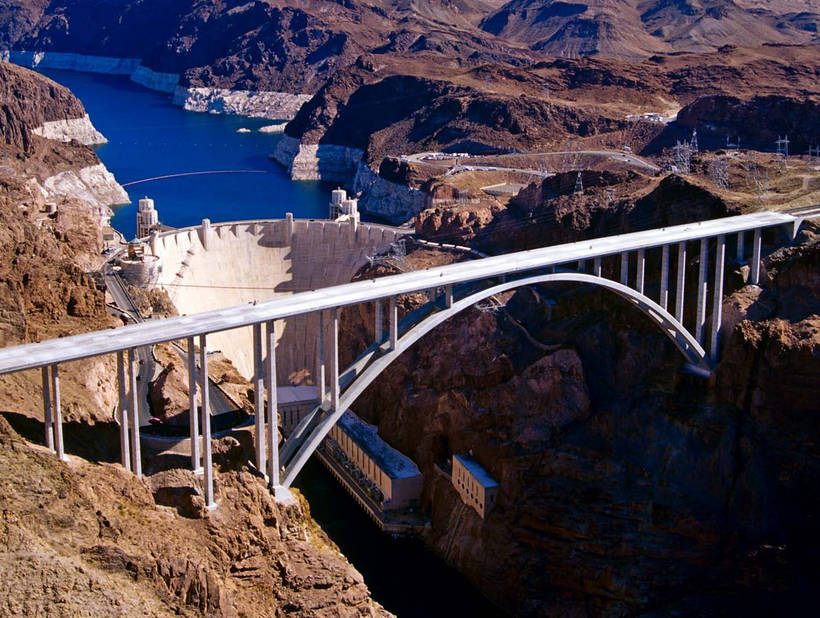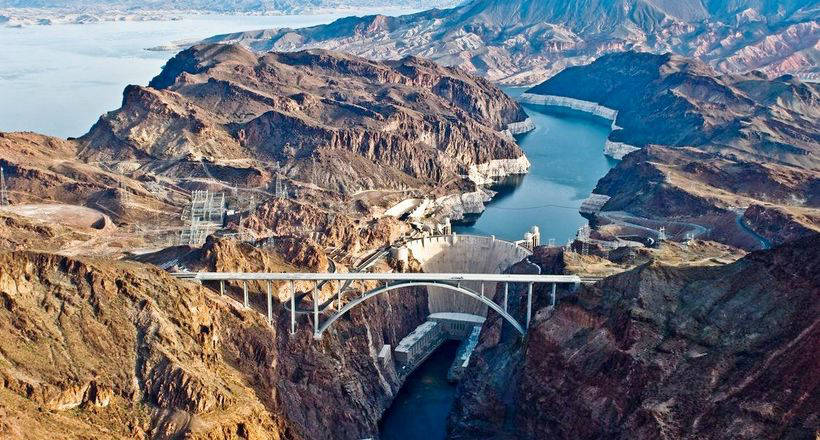
This unique hydraulic structure, attracting annually more than a million tourists, was built in 1936 in the lower reaches of the Colorado River in the United States. Wrapped between the rocks and made in the Art Deco style dam was the personification of the technical power and triumph of engineering thought of America of the 30s of last century.
The Hoover Dam: a symbol of America's engineering triumph in the Art Deco style
But even today, 80 years after the construction, the power station located there is the most important source of energy in the west of the USA.
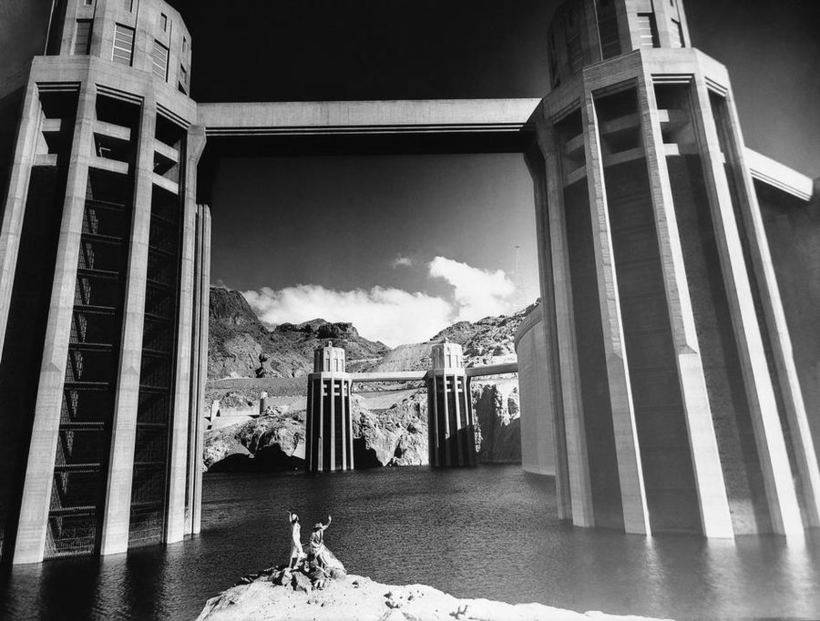
To implement such a large-scale project, a narrow section was chosen in the lower reaches of the Colorado River called the Black Canyon. The dam itself was originally designed in the traditional version of industrial facilities of the time. But the simple architectural solution did not fit into the grandiose purpose of the whole design, and the primary version was changed. As a result, the Hoover Dam acquired a proper architectural appearance in the Art Deco style.
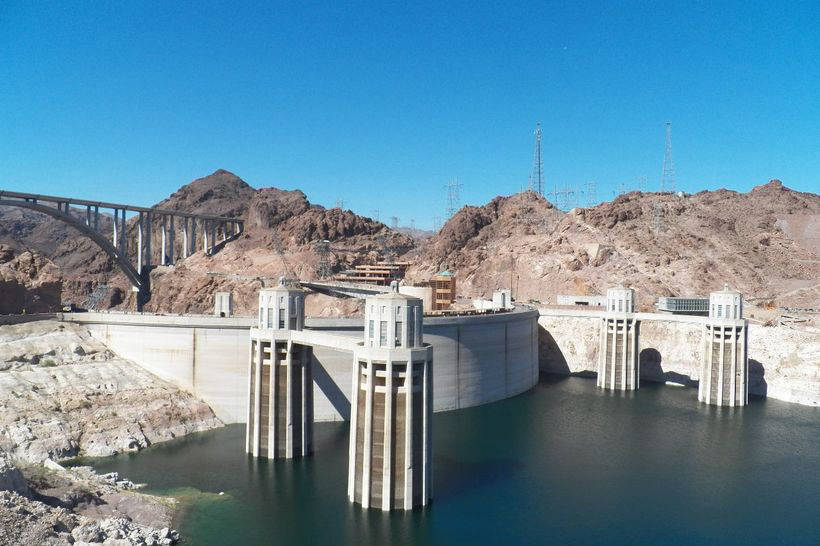
The dam itself has an arch-gravity structure, which provides it with special stability in comparison with other options. Arched construction allows to significantly redistribute the load that the reservoir water exerts. In this case, part of the load is taken by the bearing walls, in which the rocks of the canyon protrude for the Hoover Dam.
Before the construction began, extensive preparatory work was carried out. The waters of the Colorado River were diverted to the side using four tunnels, and to protect the construction site from contact with water, it was protected by special dams.
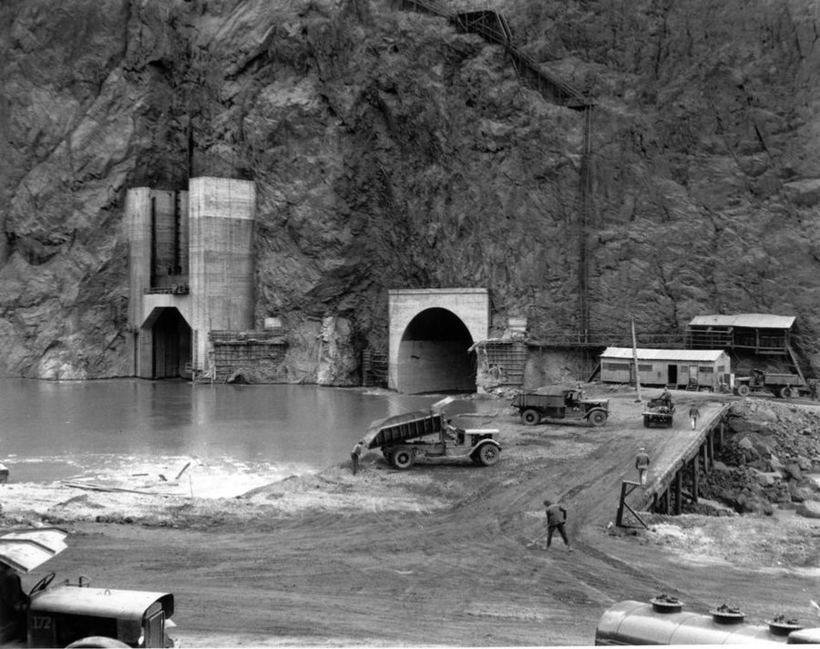
The construction began in 1931. It was a grandiose project, especially when you consider that the country was going through a period of the Great Depression. At the construction of the dam, more than 5,000 people were employed at the same time, and 96 workers perished under the various circumstances.
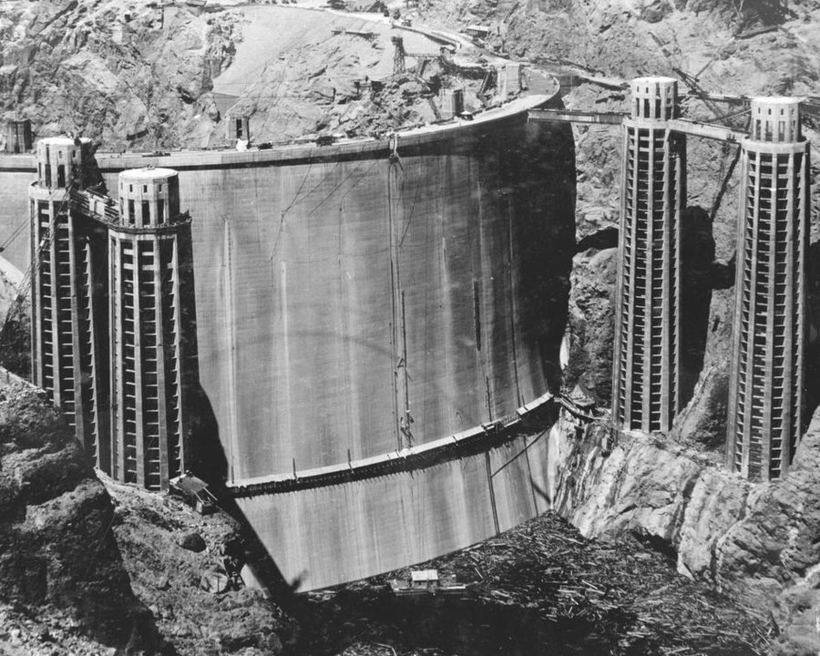
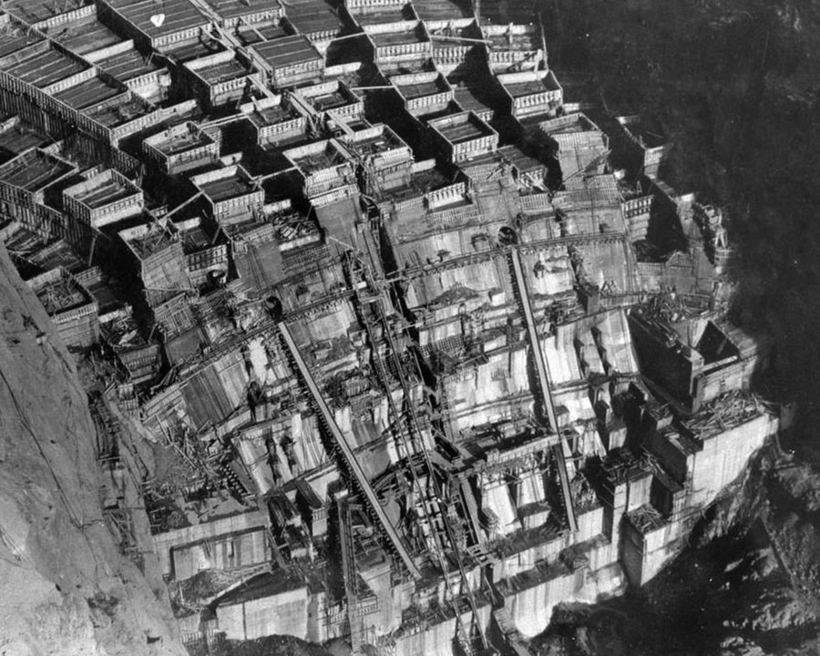
The dam itself was made of concrete. To extract such a huge amount of building materials, quarries were developed in the dam area, and two concrete plants were built nearby. To ensure that in the hot climate of the desert concrete freezes faster, unique technologies were applied. The body of the dam was not flooded with monolithic blocks, but with trapezoidal columns that increased evaporation and somewhat accelerated the process of cooling concrete. Although, according to experts, the curing of concrete, from which the body of the dam is made, has not ended even to this day.
After the completion of the construction of the water dams, the Colorado River formed a grand reservoir, the artificial lake Mead.
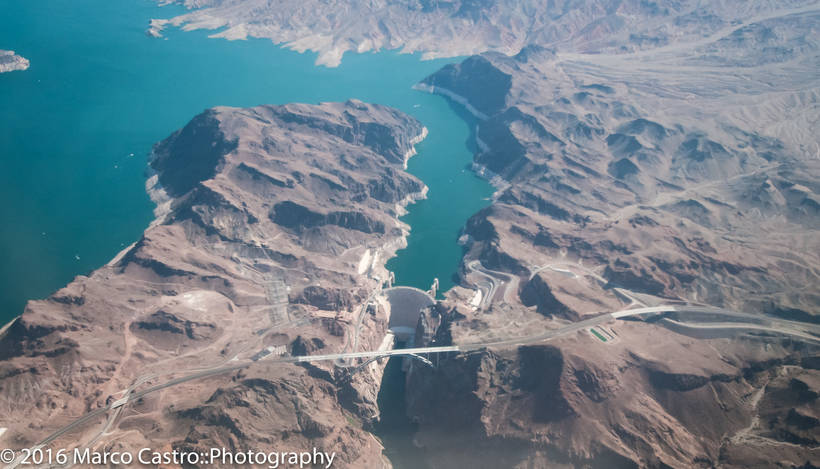
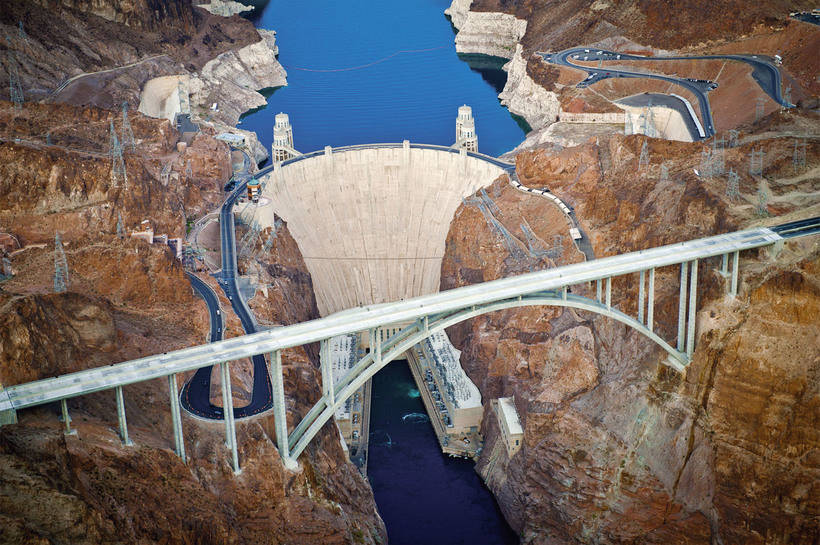
Interestingly, until 2010, the dam also performed a transport function: highway 93 was passing along it. But for security reasons, it was decided to limit car access to the dam, and in 2010 a bridge with a very long name was commissioned: Mike's Memorial Bridge O ' Callaghan - Pat Tillman. This grandiose structure is in no way inferior to its famous neighbor. This bridge is the first composite arch reinforced concrete bridge built on the territory of the United States. Its construction was carried out simultaneously from two sides and with observance of all nature protection norms. It is interesting that the workers even stopped construction, in order to miss the mountain goats, who needed to move to the other side.