Monemvasia: a medieval fortress-city perched on a rock amidst the sea.
History and Context: The “Gibraltar of the East”
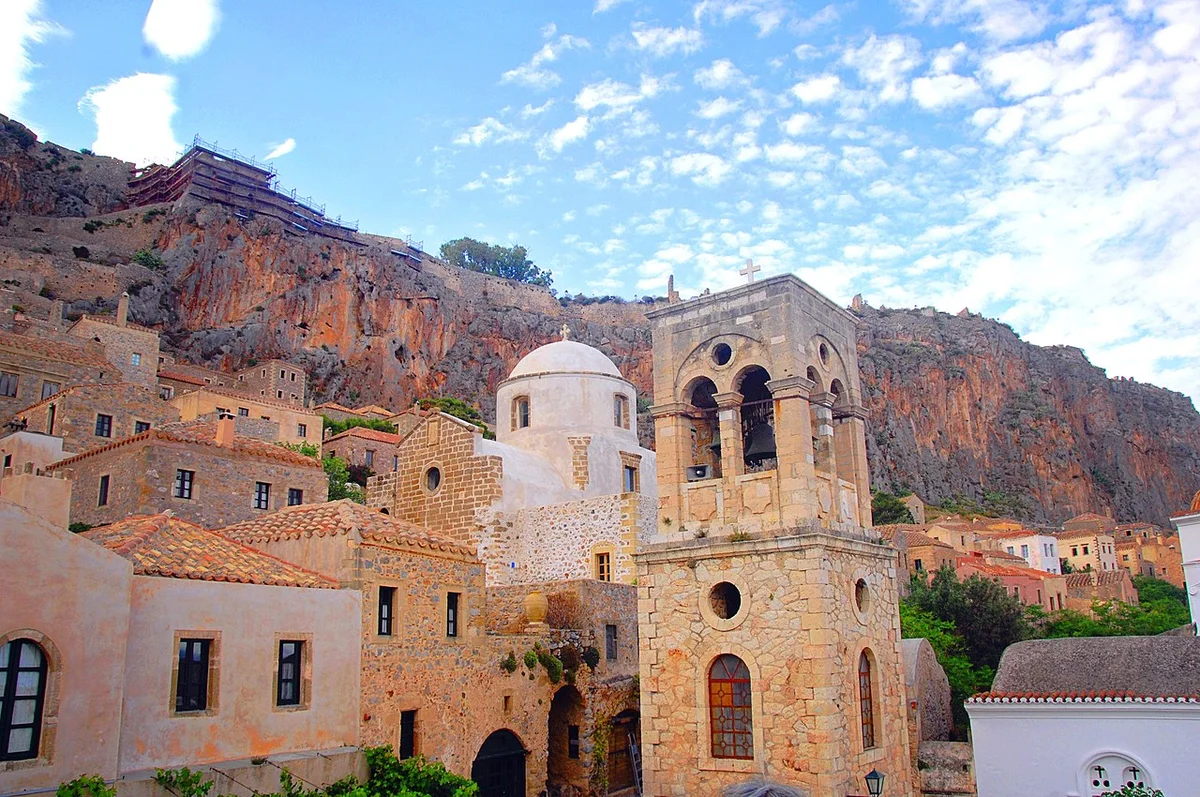
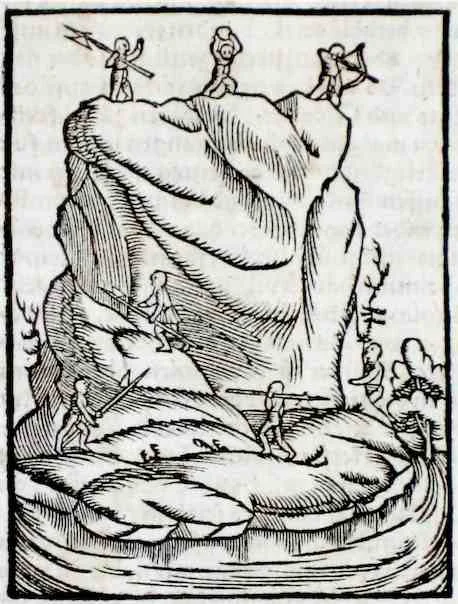
Monemvasia is a massive 300-meter-tall rock connected to the Peloponnese coast by a narrow dam. Its name itself speaks volumes: “moni embasia” in Greek means “single entrance.” This single passage made the fortress virtually impregnable for over a thousand years.
The city was founded in 583 by Lakonians who fled the invasions of Slavs and Avars on this isolated rock. Soon, Monemvasia became one of Byzantium’s major trading ports. The famous Malvasia wine, whose name derives directly from Monemvasia, was exported to courts in England and France. The city was so wealthy that it was dubbed the “Gibraltar of the East.”
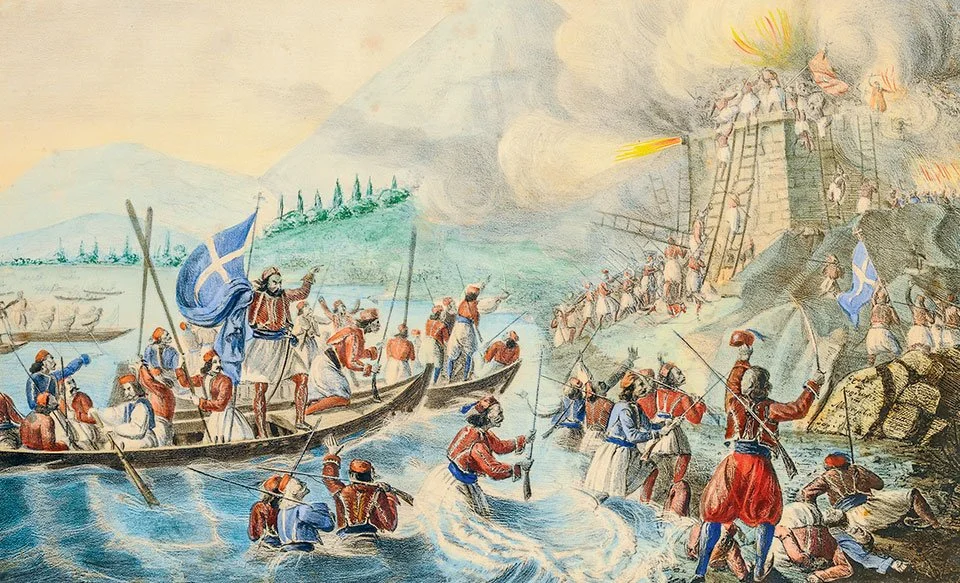
Over the centuries, the fortress changed hands several times: it was ruled by Byzantines, Franks, Venetians, and Ottomans, each leaving their architectural mark behind. In 1821, Monemvasia was one of the first places to be liberated during Greece’s War of Independence. By the 20th century, the city had largely fallen into disuse, but extensive restoration efforts began in the 1970s. Today, it remains one of Greece’s most fascinating historical sites.
How to Get There
By car from Athens: The distance is approximately 320 km along the E65 highway, passing through Corinth and Sparta. The travel time is around 4 hours. The tolls on this highway amount to a total of 5–7 EUR. Parking in Gephira (a mainland town located opposite the cliffs) is free; there is a large parking lot at the beginning of the dam.
By bus from Athens with KTEL Lakonias: There is a direct bus service from the Kifisou Terminal A. Buses depart daily at 07:30 and 15:30 (the schedule may vary seasonally). The one-way ticket costs around 30–35 EUR, and the travel time is 5.5–6 hours, with a stop in Sparta. You can book tickets online at ktellakonias.gr or at the bus station.
From Athens via Sparta: If there is no direct bus, you can first take a bus to Sparta (every 2–3 hours, cost: 22 EUR), and then continue on a local bus to Monemvasia (cost: around 12 EUR, travel time: 2 hours).
Car rental: Rental cars in Athens cost between 35–50 EUR per day. This is the most convenient way to visit, as you can also stop in Mystras and Elafonisos along the way.
By ferry: In summer, small ferries depart several times a week from the port of Piraeus to the island of Kythira, with stops in Naples. From there, it is another 80 km by car to Monemvasia.
What to See
Monemvasia is divided into two parts: the Lower Town (Kato Polis), where residential houses and churches have been preserved, and the Upper Town (Ano Polis), which consists of the ruins of a citadel on top of the cliffs.
Lower Town
The only entrance to the fortress walls is through the “Moni Embasia” gate. Once you pass through the tunnel in the rock, you’ll find a completely pedestrian-only medieval town with paved streets, blooming bougainvilleas, and stone houses.
Christos Elkomenos Cathedral (Christ in Chains) {GOOGLE=36.6867,23.0528} – The main church of the Lower Town, founded in the 13th century. It houses a unique icon of Christ, said to have been brought from Constantinople. Admission is free.
Panagia Myrtidiotissa Church {GOOGLE=36.6872,23.0522} – A small church with beautiful 16th-century frescoes, built directly into the fortress walls. Pay attention to the Venetian-style carved iconostasis.
Mosque (formerly) {GOOGLE=36.6865,23.0535} – An Ottoman relic converted into a small archaeological museum. Admission fee: 2 EUR. Open from April to October.
Main Street – The only “avenue” in the Lower Town, lined with boutique hotels, taverns, jewelry shops, and small stores selling local olive oil and wine.
Upper Town (Citadel)
Upper Town Fortress {GOOGLE=36.6842,23.0508} – It takes 20–30 minutes to climb the stone path from the Lower Town. This remote area is the best part of Monemvasia. Ruins of Byzantine and Venetian buildings, remnants of palaces, and water cisterns are scattered across the vast plateau at the top of the cliff.
Aya Sophia Church {GOOGLE=36.6839,23.0503} – The jewel of the Upper Town. Built in the 13th century under Emperor Andronikos II, it stands on the edge of a cliff overlooking the open sea. Its architecture resembles the famous church in Constantinople, with an octagonal dome on a high drum. Admission is free.
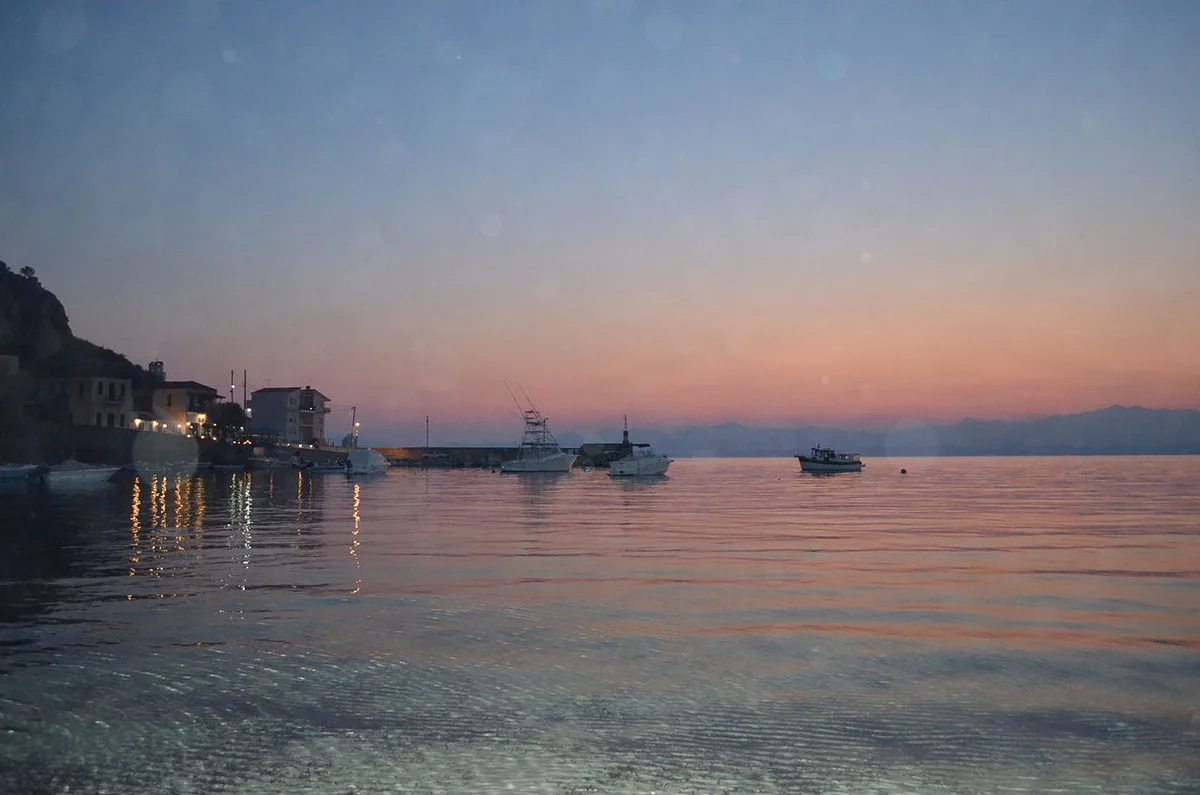
The observation deck at the top {GOOGLE=36.6835,23.0498} – from here, you can see the coastline of Laconia for dozens of kilometers. On clear days, you can even spot the island of Kithira in the distance. The sunset viewed from this point is one of the most beautiful in Greece.Outside the fortress
The dam and bridge {GOOGLE=36.6886,23.0575} – A 200-meter-long path that connects the rock to the mainland. This is the best spot for taking photos of the entire fortress; shoot from the mainland side, especially at dawn when the rock is illuminated from the east.
Gefira {GOOGLE=36.6920,23.0561} – A town on the mainland where you can find ATMs, a supermarket, a pharmacy, and most of the hotels. It takes only 10 minutes to walk across the dam from here to the fortress gates.Practical information
Entry to the Lower Town: Free and open 24/7. The gates are never closed.
Upper Town (citadel): Free entry. Officially open from 08:00 to 20:00 in summer and from 08:00 to 15:00 in winter, but the gates are often left unattended.
Archaeological Museum (mosque): Open from April to October, Monday–Friday 08:30–15:30; closed on Sundays. Admission fee: 2 EUR; discount: 1 EUR.
Church of Christ Elkomenos: Daily hours: 09:00–13:00 and 17:00–19:00 in summer. Free entry, but you must cover your shoulders and knees when visiting.
Best times to visit: Late April to June, and September to mid-October. During these periods, it’s not unbearably hot (temperatures on the rock can reach +38°C in summer), there are fewer tourists, and all facilities are open. July–August are the peak seasons: crowded streets and double-digit hotel prices.
How long should you plan to stay? At a minimum, one full day is required. Ideally, two nights will allow you to see both sunrise and sunset and take your time exploring both parts of the city.Accommodation: Boutique hotels located in the stone buildings of the Lower Town cost anywhere from 80 EUR for a double room during the off-season to 180–250 EUR in summer. Reservations should be made at least one month in advance, as rooms are limited. More budget-friendly options can be found in Gephira, starting from 45–60 EUR.
Tips for Visitors
Footwear: Only comfortable sports or hiking shoes are suitable. The streets of the Lower Town have uneven stone pavements, and the path to the Upper Town includes steep ascents over slippery rocks. High heels or slippers are certain to cause injuries.
Water and headgear: These are essential. There are no shops or shaded areas in the Upper Town. In summer, you can easily suffer from heatstroke on the scorching rocks within 20 minutes.
Baggage: If staying in the Lower Town, keep in mind that cars cannot reach there. A wheeled suitcase won’t be able to move smoothly over the cobblestones. Bring a backpack or ask your hotel for help with carrying luggage (many offer trolleys).
What to try: The local malvasia wine—a sweet dessert wine that made this place famous throughout Europe in the Middle Ages. A bottle costs around 8–15 EUR at local stores.
Where to Eat:- Matoula — a tavern located near the main gates of the Lower Town. Grilled octopus, moussaka, fresh fish. Main dish prices range from 12 to 18 EUR. The best tables are on the terrace with sea views.
- Chrisovoulo — a restaurant in a restored Venetian house. Exquisite Greek cuisine: lamb with figs, capers from Monemvasia. Dinner for two costs 50 to 70 EUR.
- Voltes — a cozy bar in a stone cellar; cocktails start at 8 EUR. An ideal place for an evening out.
- Taverns of Gephyra — more casual and affordable options: fried fish with salad costs around 10 to 14 EUR.
What to Avoid:
Advice from Those Who’ve Been There: Arrive at the castle gates before 08:00. At this time, the Lower Town is completely empty – only cats and the morning sun on the stones remain. It’s a completely different Monemvasia that most tourists never see.
Find the Best Professionals for Your Project
Expert repair, construction, and renovation specialists ready to help you right now
Recommended articles
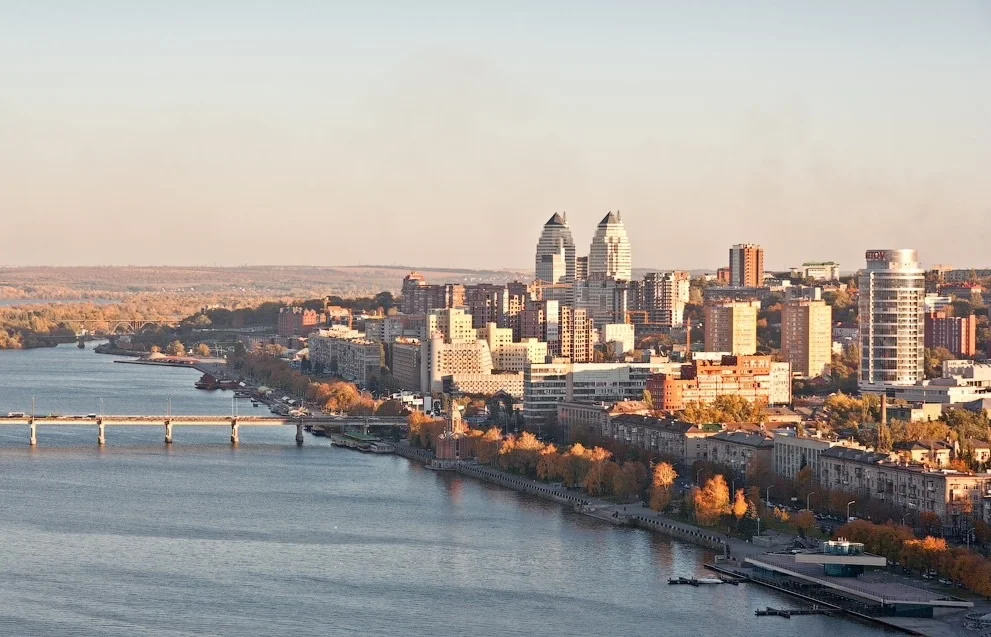
Dnieper Promenade and the monastery on the island: walks by the water in the city of Dnipro
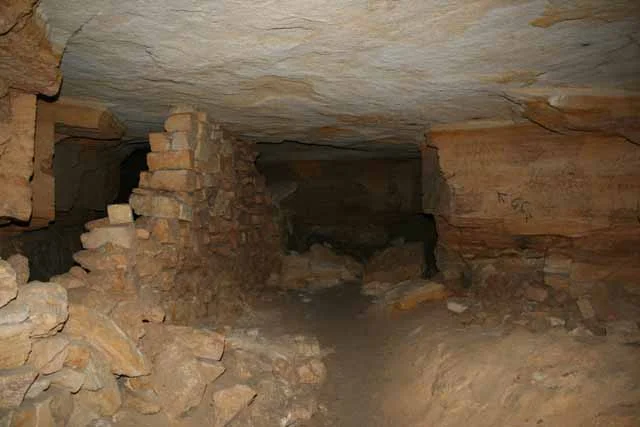
The Odessa Catacombs and Privoz Market: an underground world with a vibrant market atmosphere
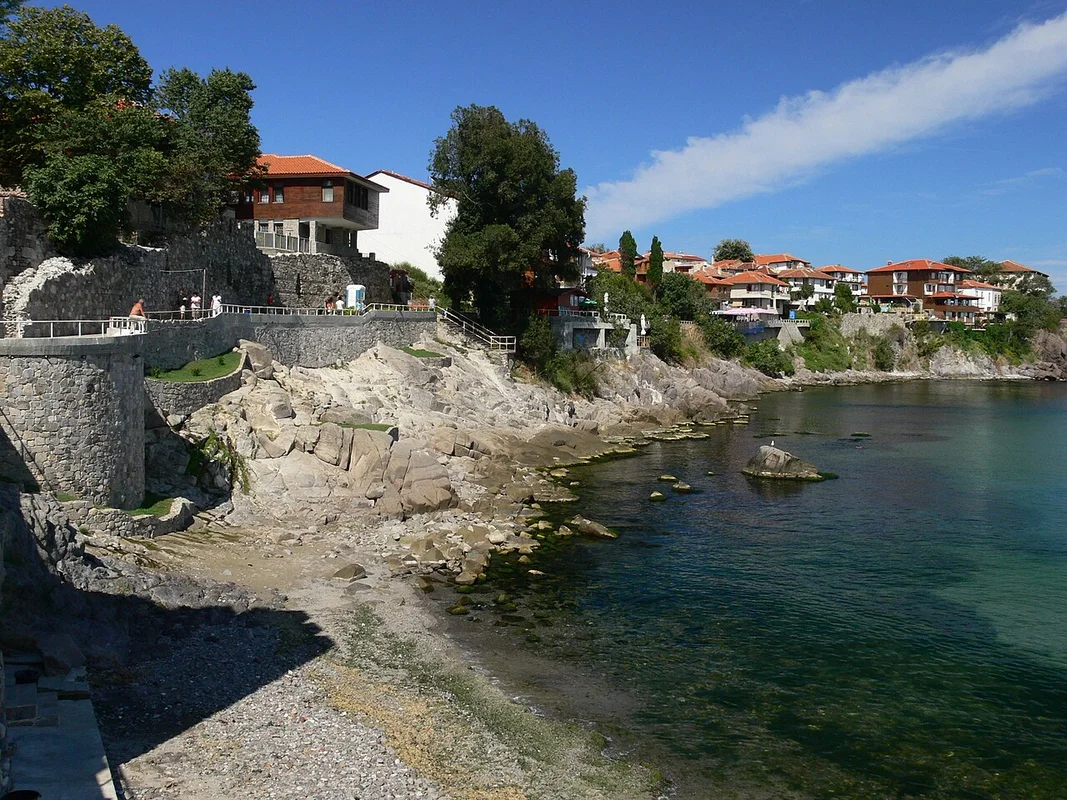
Sozopol: Tiles Roofs and the Island of Saint Ivan
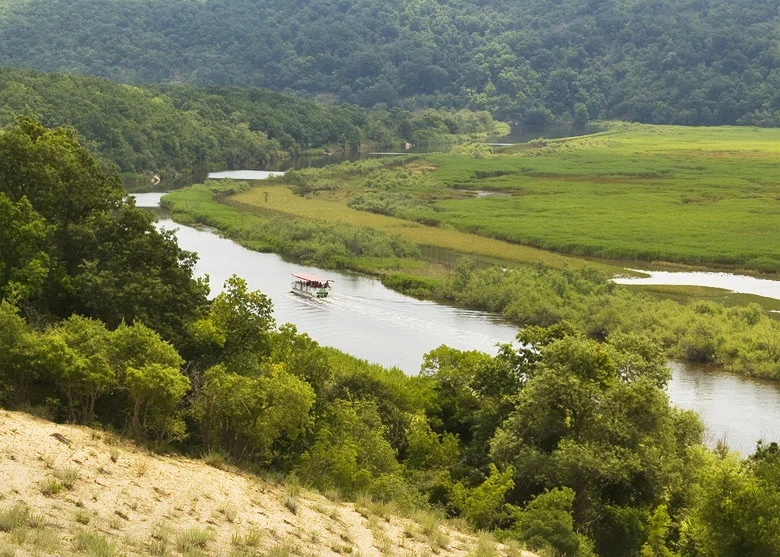
Ropotamo: riverine lagoons, sand dunes, and a nature reserve by the sea near Primorsko
More articles:
- Dnieper Promenade and the monastery on the island: walks by the water in the city of Dnipro
- The Odessa Catacombs and Privoz Market: an underground world with a vibrant market atmosphere
- Sozopol: Tiles Roofs and the Island of Saint Ivan
- Ropotamo: riverine lagoons, sand dunes, and a nature reserve by the sea near Primorsko
 Thracian Tombs in Bulgaria: Alexandrovо, Kazanlыk, and the Secret Crypts Surrounding Sviilengrad
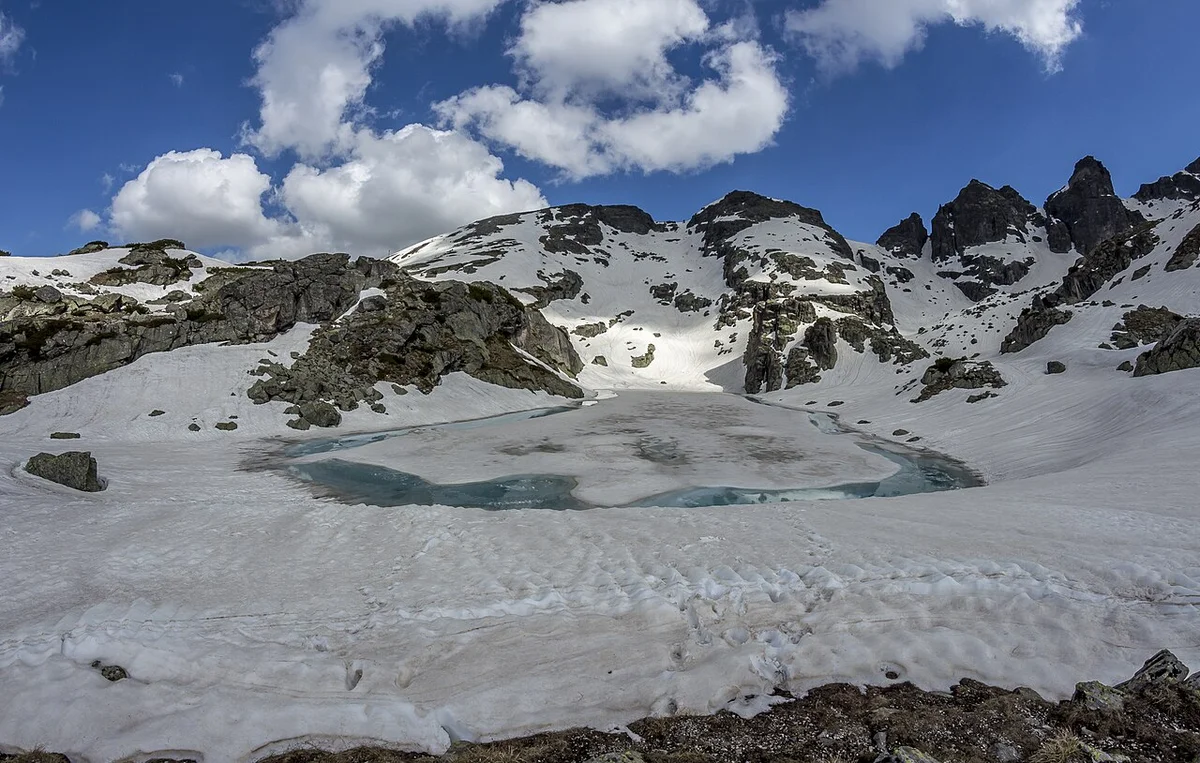 Rila: A trek around seven lakes, including a night stay in a mountain cabin.
 Bulgarian thermal resorts: Velingrad, Hisarya, and Sandanski – hot springs and spa facilities in the Balkans
 Kutna Hora: The Silver City and the Horrible Bone House – A Complete Guide for 2025