Portuguese Cuisine: Bacalhau, Francesinha, and Soupa de Pedra – A Gourmet Guide
History and Context: Why Whole Portugal Smells of Cod
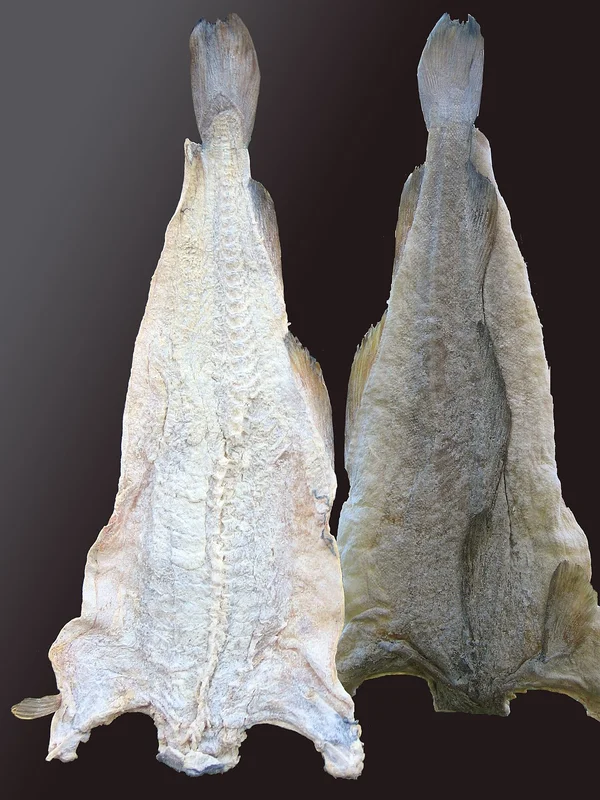
Portuguese people say that they have as many recipes for bacalhau as there are days in the year. In fact, the number is even higher—ranging from 365 to thousands, depending on how it’s counted. Bacalhau is not fresh fish but rather salted and dried cod that is soaked for 24 to 48 hours before cooking. This tradition dates back to the 15th century: Portuguese fishermen would go fishing off the coasts of Newfoundland, and salt and sunlight were the only ways to preserve their catch during the long return journey.
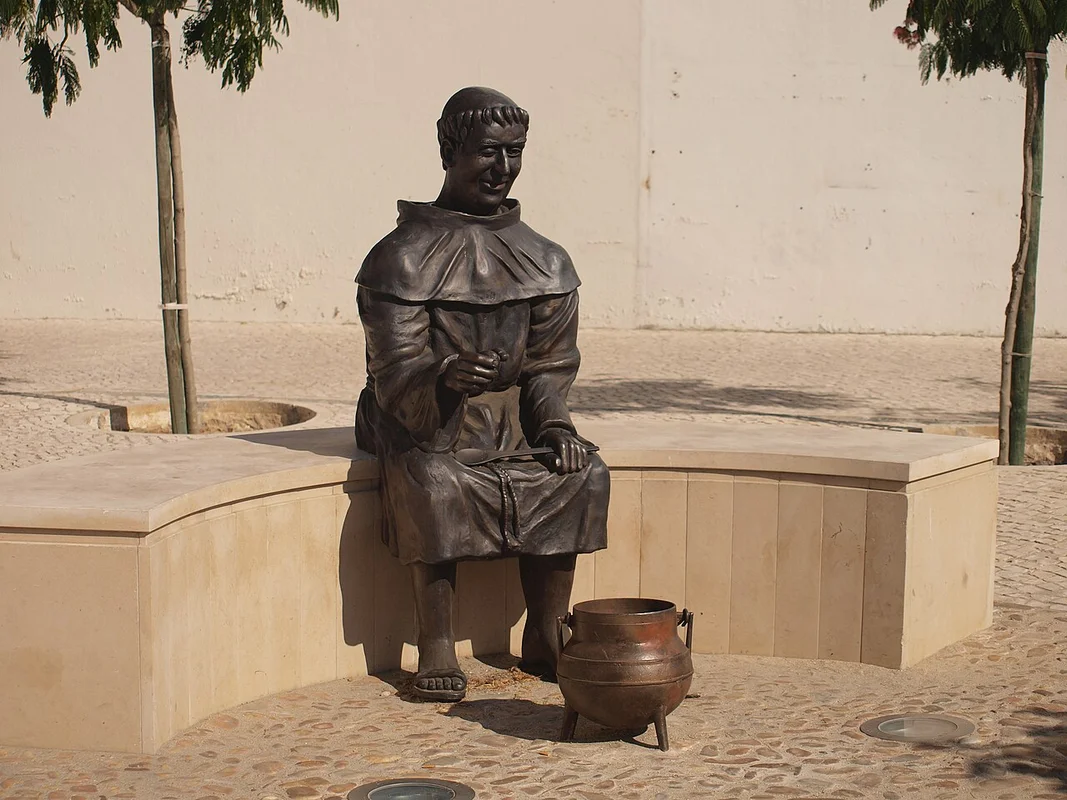
Sopa de Pedra, also known as “stone soup,” originated in Almeirim, a small town 80 kilometers from Lisbon. According to legend, a clever monk convinced a stingy farmer that he was cooking the soup using a stone, gradually asking for “just a little” beans, chorizo, potatoes, and cabbage. To this day, a stone is still placed in the pot—just for good measure.
Francesinha, meaning “little Frenchwoman,” appeared in Porto in the 1960s. Daniel David da Silva, who had returned from France, decided to adapt the croque-monsieur to Portuguese tastes. The result was a multi-layered sandwich with ham, linguiça, and beef, topped with a tomato-beer sauce and melted cheese. Dieticians are shocked—one serving contains as many as 1,500 calories! But it’s definitely worth trying at least once.
How to Get There: Routes to These Gastronomic Capitals
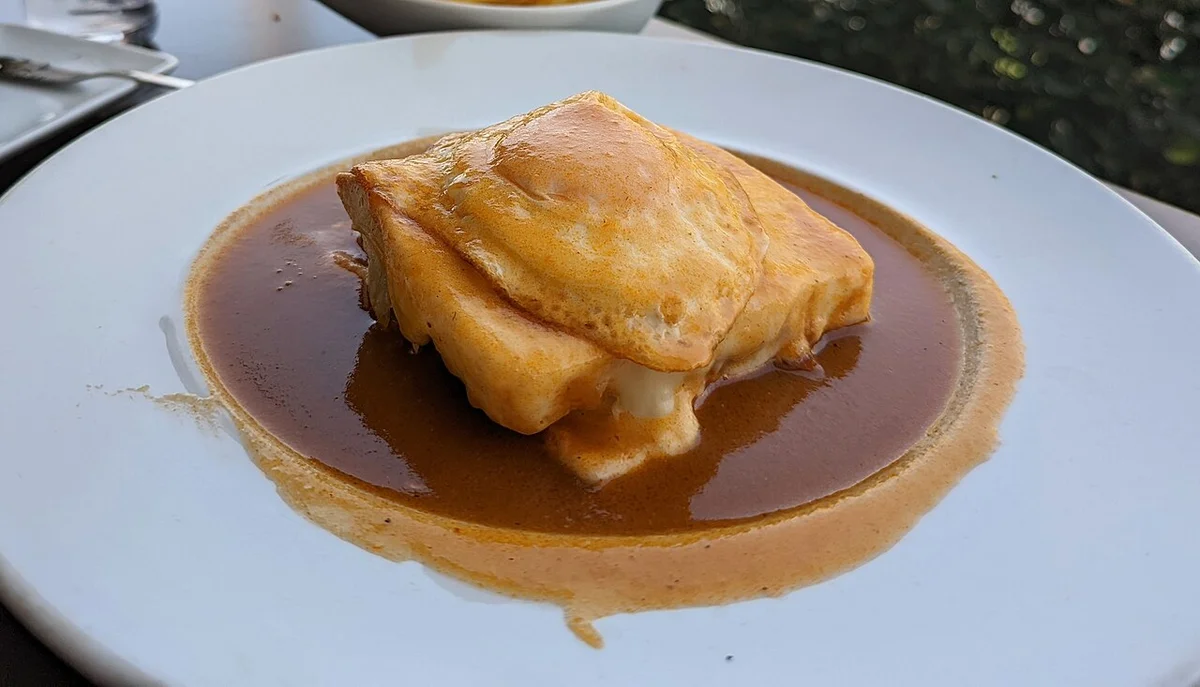
Gastronomic Portugal is represented by three key cities: Lisbon (bakalau, pastéis de nata), Porto (Franzeseinha, tripas), and Almeirim (sopa de pedra).
Lisbon: Humberto Delgado Airport is connected to the city center by the Linha Vermelha subway. The journey from Aeroporto station to Baixa-Chiado takes 20 minutes and costs 1.65 EUR (or 0.50 EUR with a Viva Viagem card). Tram No. 28E passes through all the old districts where the best taverns are located; the fare is 3.00 EUR when purchased directly from the driver.
Porto: From Francisco Sá Carneiro Airport, the Linha E (purple line) subway takes 30 minutes to reach the city center. The ticket costs 2.60 EUR, plus an additional 0.60 EUR for the Andante card. Alternatively, take the Alfa Pendular high-speed train from Santa Apolónia Station in Lisbon; the journey takes 2 hours and 40 minutes, and the fare starts at 22 EUR when booked in advance on cp.pt.
Almeirim: From Lisbon’s Sete Rios bus station, Rede Expressos buses depart 5-6 times a day; the trip takes 1 hour and 15 minutes, and the fare is 9-11 EUR. You can also take a train to Santarém (40 minutes, 8 EUR) and then catch a taxi for about 8-10 EUR.
What to See and Try: Major Gastroonomic Attractions

Lisbon: Tavern “A Cevicheria” and Bairru Alto — For those who enjoy modern Portuguese cuisine, this is a great option. However, for authentic bacalhau, you should try “Zé da Mouraria” {GOOGLE=38.7147,-9.1348} — a small tavern with 30 seats in the Mouraria district. Bacalhau à lagareiro (cod with baked potatoes and olive oil) costs 14 EUR. The portions are very large. It is open Monday–Friday from 12:00–15:00 and 19:00–22:00, and is closed on Sundays.
Lisbon: Mercado da Ribeira (Time Out Market) {GOOGLE=38.7068,-9.1460} — This gourmet market is located on the waterfront promenade of Caísh do Sodré. Here, you can try various versions of bacalhau prepared by different chefs, with prices starting from 8 EUR per portion. Pastéis de bacalhau (cod in pastry, fried) cost 2.50–3.50 EUR each. The market is open daily from 10:00–00:00, and on Thursdays and Fridays from 10:00–02:00.
Porto: “Café Santiago” {GOOGLE=41.1494,-8.6101} — A legendary spot for francêsinha since 1959. A portion with fries costs 13–15 EUR. On weekends, the queue can be 20–40 minutes long, so it’s best to come early in the day or on weekdays. The restaurant is open Monday–Friday from 12:00–23:00 and is closed on Sundays. It is located at Rua de Passos Manuel, 226 — just 5 minutes walk from the Bolhão metro station (lines A, B, C, E, F).
Porto: “Cervejaria Brasão” {GOOGLE=41.1460,-8.6113} — Another top spot for francêsinha. Here, they serve a special version with three types of meat and an egg on top (francesinha especial, 14.50 EUR). Each restaurant has its own secret recipe for the beer sauce, and Brasão’s version includes a hint of whiskey. The restaurant is open daily from 12:00–23:00.
Almeirim: “O Toucinho” {GOOGLE=39.2090,-8.6280} – a restaurant specializing in Sopa de Pedra. A thick soup with smoked sausages, beans, potatoes, and a real stone at the bottom – costs 5-7 EUR per serving for two people. Open daily from 12:00-15:00 and 19:00-22:00. The town is small; it’s only a 10-minute walk from the bus stop.Almeirim: “Restaurante Bela Vista” {GOOGLE=39.2112,-8.6310} – another reliable option. In addition to the soup, try Açorda Alentejana – a bread porridge with garlic, coriander, and poached egg – for 6-8 EUR. Open Monday through Sunday from 12:00-22:00.
Practical Information – Prices, Hours, Seasonality
Average Spending: A lunch in a traditional tavern costs 12-20 EUR per person, including wine. Francesinha in Porto ranges from 12-16 EUR. Sopa de Pedra in Almeirim is 5-7 EUR. A bottle of wine in these restaurants costs anywhere from 8 EUR (for green wines) to 25 EUR and above. Coffee (bica) costs 0.70-1.00 EUR.
Paštéis de Bacalhau (cod in pastry) – street-style versions cost 1.50-2.50 EUR. They’re available everywhere: in cafes, markets, and fast-food stalls. An ideal snack on the go.
Restaurant Hours: Lunch from 12:00-15:00, dinner from 19:00-22:30. Many taverns are closed on Sundays or Mondays. Tourist areas usually have more flexible hours. To reserve a table for dinner at popular places like Santiago or Laurentina, use apps like TheFork or Zomato – especially on Fridays and Saturdays.
When to go: The “Festival Nacional de Gastronomia” takes place annually in Santarém (15 minutes from Almeirim) in October – over 300 dishes from all over Portugal are on offer, and the entrance fee is around 3-5 EUR. In Porto, during São João’s festival (June 23-24), the whole city grills sardines over charcoal; entry is free. In Lisbon, a similar scene unfolds during the Festas de Lisboa in June: grilled sardines can be found everywhere, with portions costing around 3 EUR each.Tipping: Tipping is not mandatory in Portugal, but giving 5-10% of the bill is considered polite. Round up the amount to the nearest whole number.
Tips for travelers – what to bring, what to avoid, practical tips
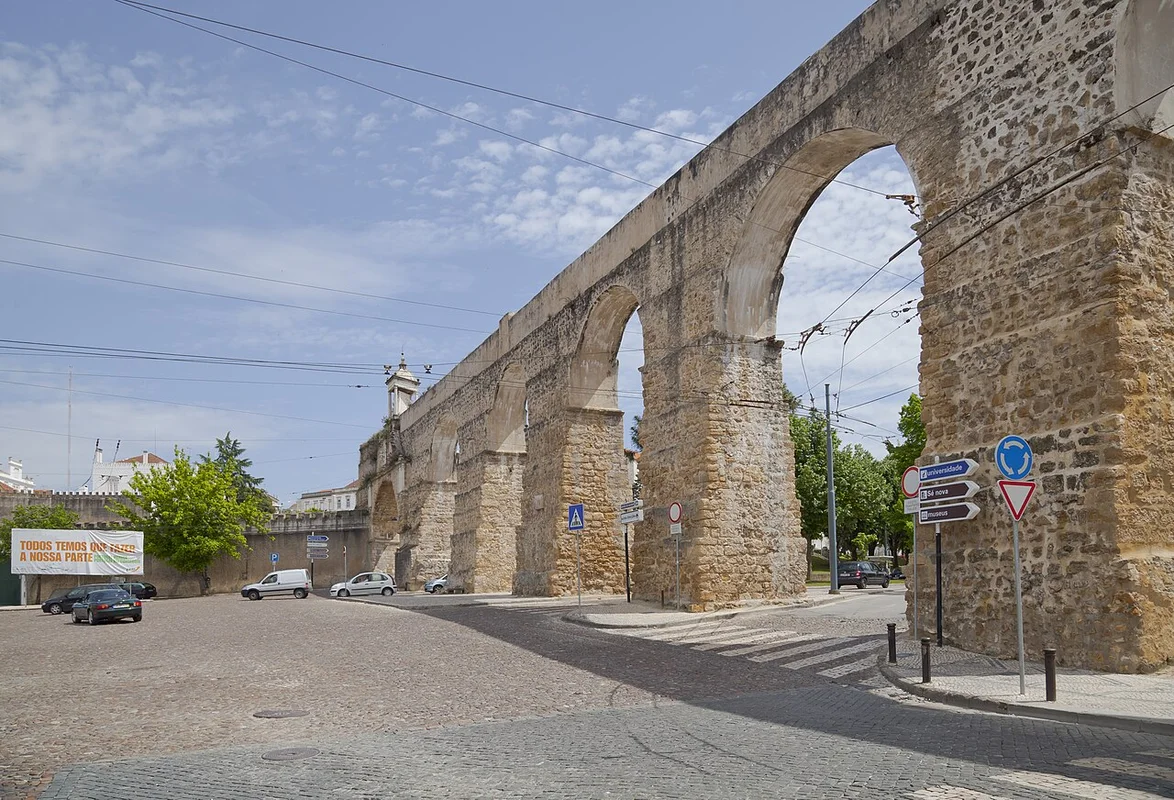
Order the “prato do dia”: This daily special is always cheaper and often more delicious – soup, main course, and drink for 7-10 EUR. Such deals are less common in tourist areas but can be found almost everywhere in residential districts.
Couvert: a hidden expense. Bread, olives, oil, and sometimes pâté are brought to the table. These are not free; each small portion costs 1-3 EUR. If you don’t want to pay for them, politely ask them to remove them. No one will be offended.
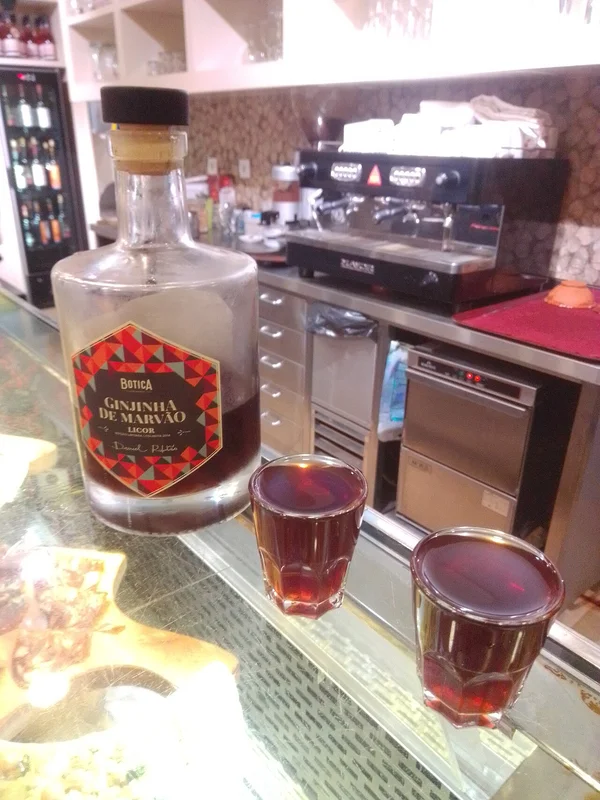
Wine – it comes in green, and in many other colors too. In Porto, try vinho verde, a young, slightly carbonated wine that’s refreshing. A glass in a restaurant costs around 2-3 EUR. In the Alentejo region (in the south), enjoy red wines that are rich and full-flavored. In Lisbon, give ginjinha a try – it’s a cherry liqueur; a shot costs 1.50 EUR at the historic bars on Rossio.Avoid restaurants with menus in 10 languages located right in Porto’s Commerce Square or along the Ribeira waterfront. The prices there are 30-50% higher, and the quality is mediocre. Walk 2-3 blocks inland, and you’ll find authentic Portuguese cuisine.
For vegetarians: Traditional Portuguese cuisine focuses on meat and fish. But in Lisbon, there are dozens of vegetarian and vegan restaurants. In traditional tapas shops without meat options, you’ll find caldo verde (cabbage soup with chorizo – ask for it without), salads, and cheese.
What to bring with you: At Continente and Pingo Doce supermarkets, you can buy a jar of canned olives in olive oil (for sandwiches) for 2-4 EUR. A pack of dried olives costs around 8 EUR per kilogram. Pastéis de Belém’s pаштейш de nата (6 pieces per box) costs 7.80 EUR, but eat it on the same day.
Useful terms: “Uma dose” means one serving; “Meia dose” means half a serving – this is often available and costs 60-70% of the full amount. It’s perfect if you want to try many dishes in one meal.
Find the Best Professionals for Your Project
Expert repair, construction, and renovation specialists ready to help you right now
Recommended articles
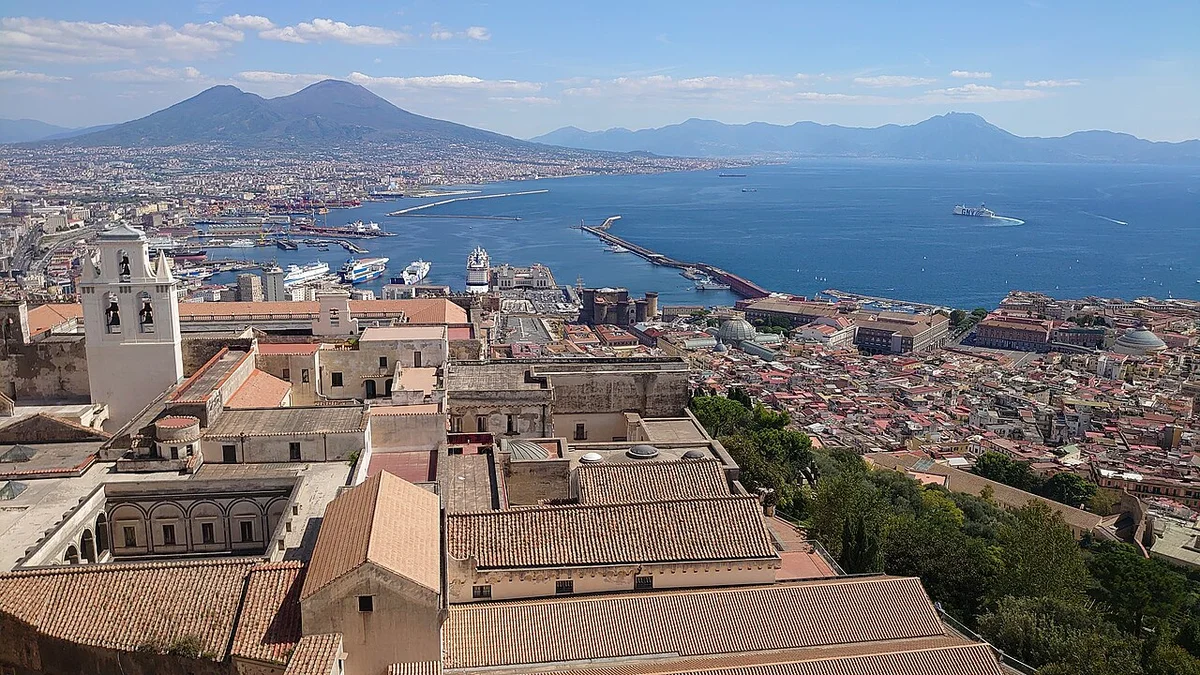
Naples in 1 day: from the port through Spaccanapoli to the legendary Marinara pizza
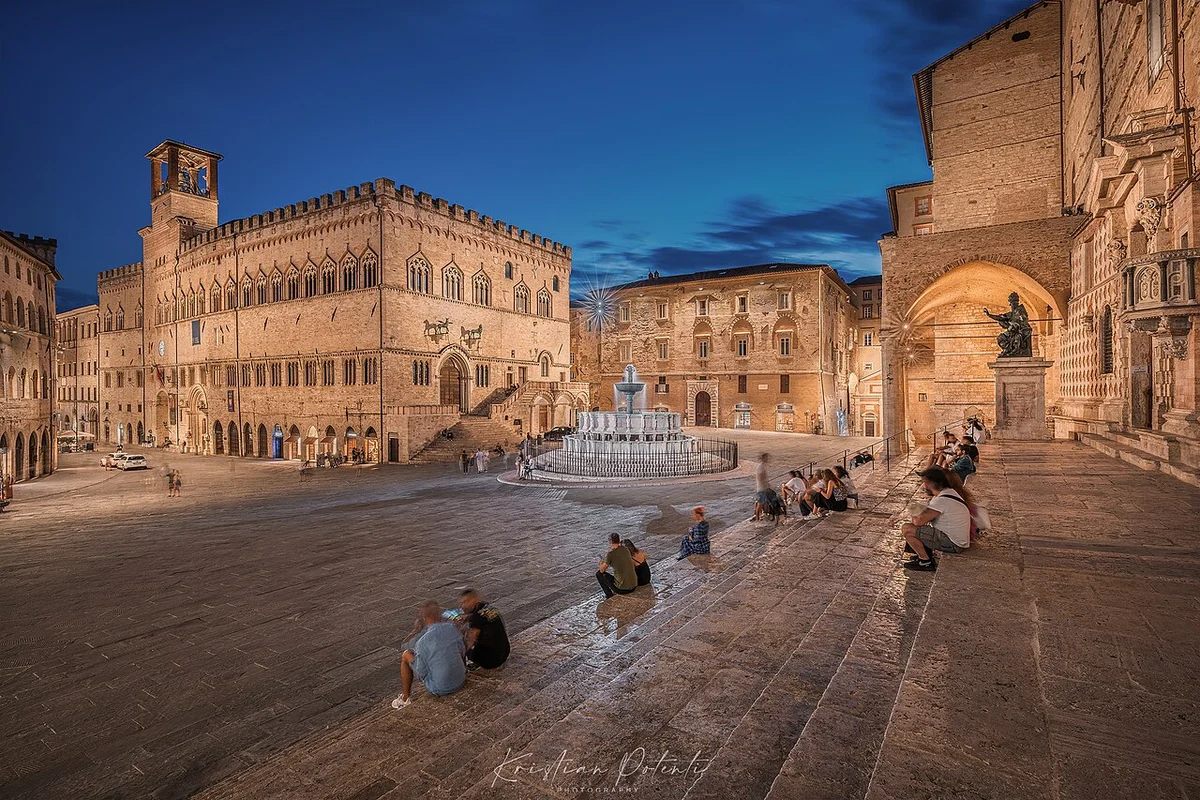
Perugia: The Eurochocolate Chocolate Festival and Umbria's Musical Evenings
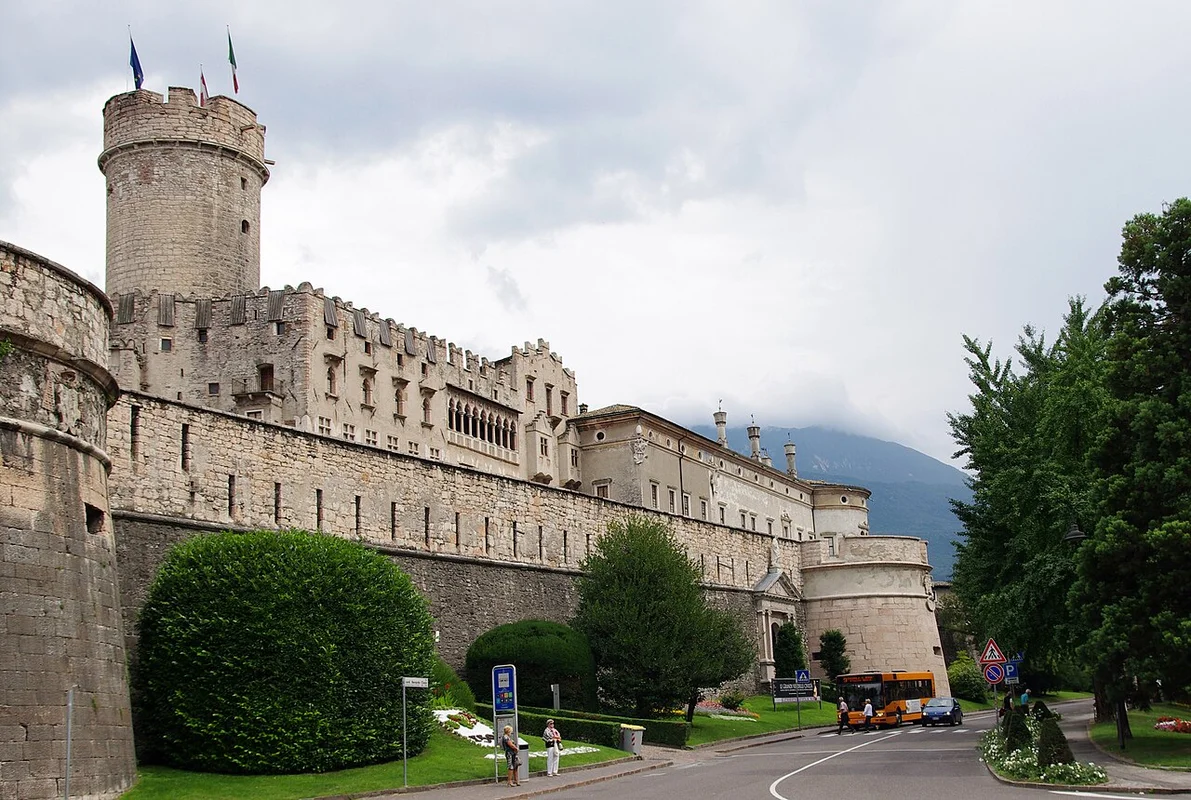
Trentino: The Castle of Bonconsiglio and the tranquil Dolomite villages – a comprehensive guide
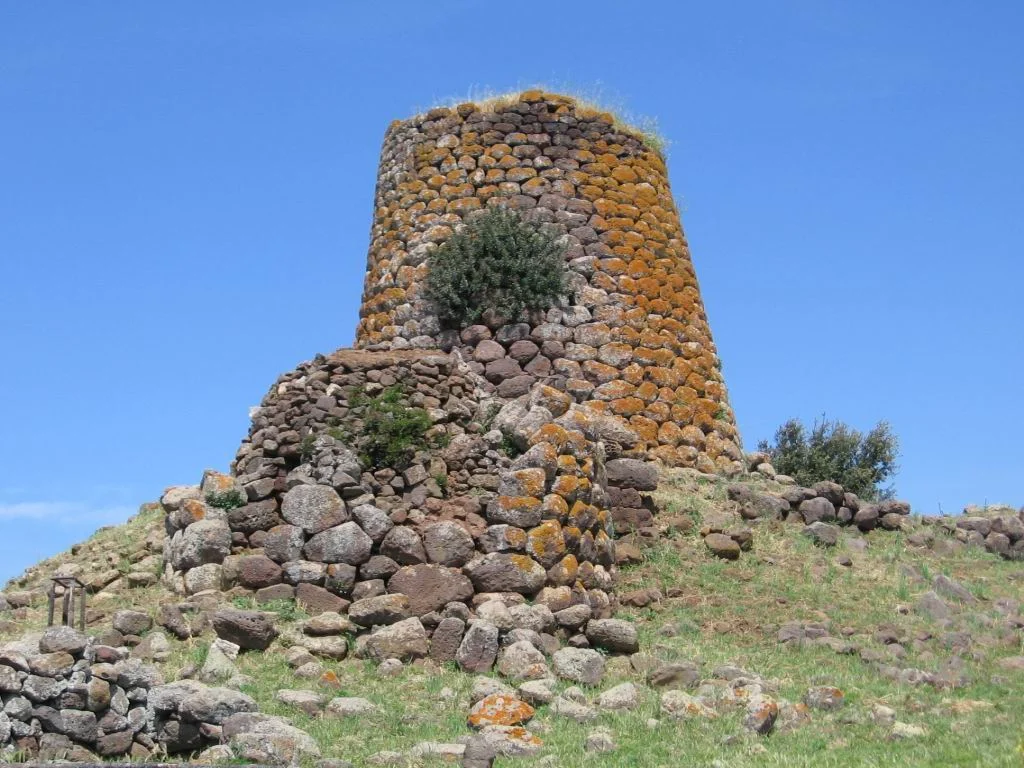
Sardinia: Nuraghi, the Gennarargentu Mountains, and the wild beaches of Ogliastra
More articles:
- Naples in 1 day: from the port through Spaccanapoli to the legendary Marinara pizza
- Perugia: The Eurochocolate Chocolate Festival and Umbria's Musical Evenings
- Trentino: The Castle of Bonconsiglio and the tranquil Dolomite villages – a comprehensive guide
- Sardinia: Nuraghi, the Gennarargentu Mountains, and the wild beaches of Ogliastra
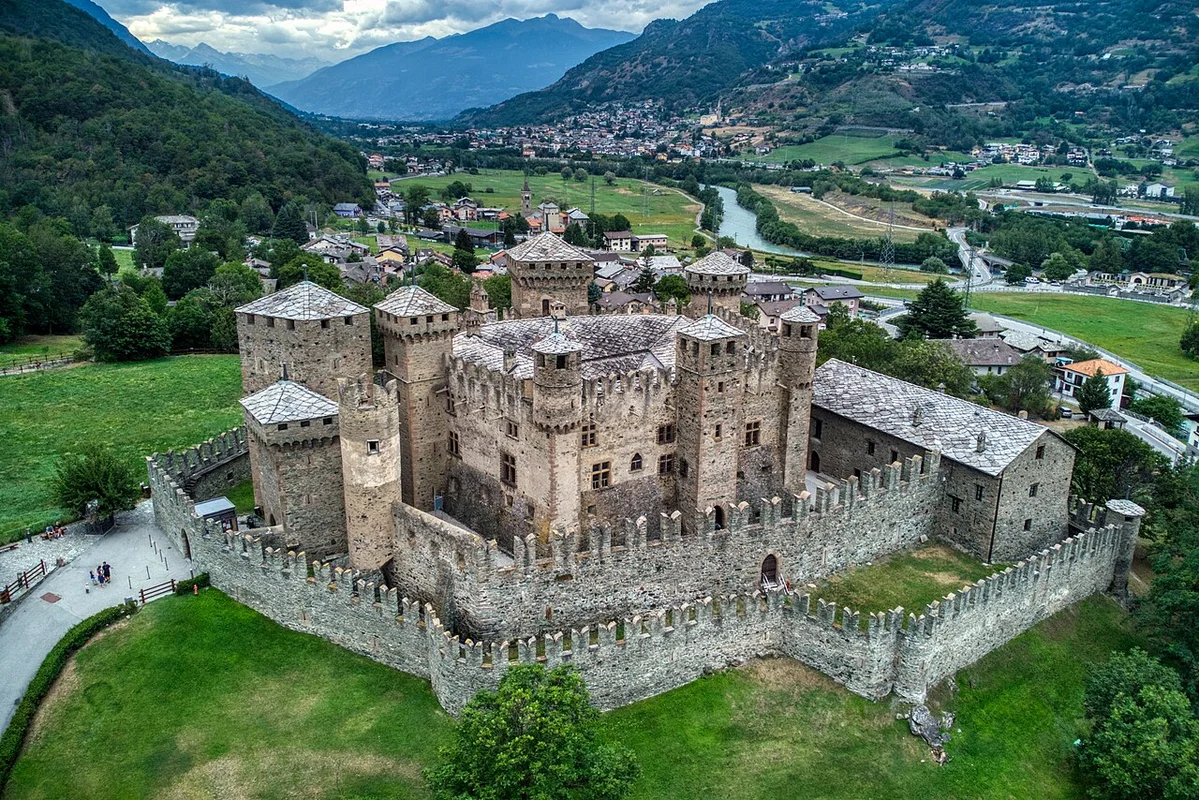 Aosta Valley: Italy's castles against the backdrop of Mont Blanc
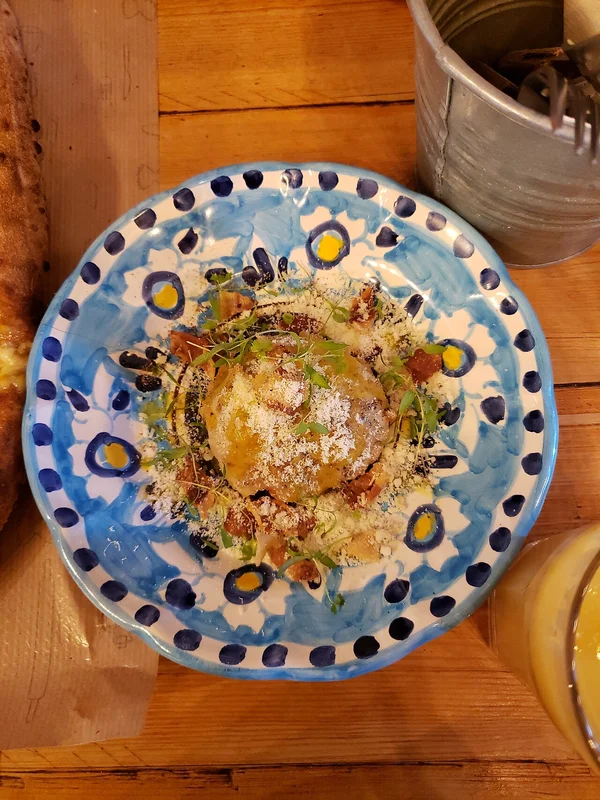 Italian cuisine by region: where to taste authentic carbonara, risotto, and straciatella
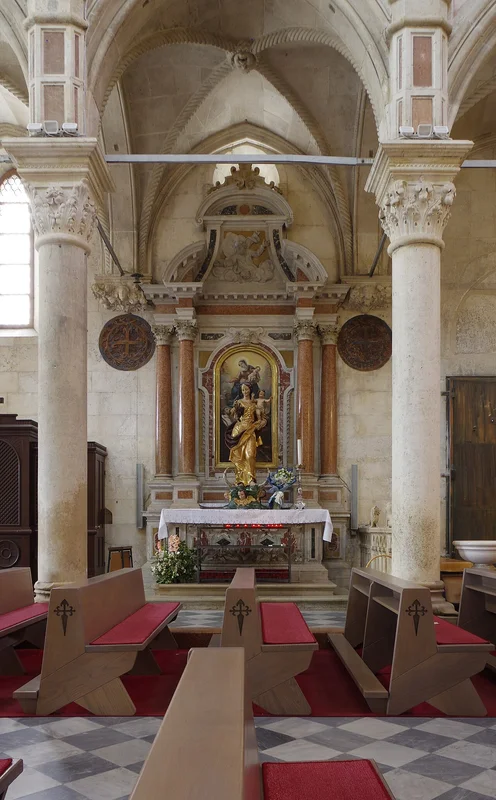 Šibenik and the Cathedral of Saint James: Renaissance along the Adriatic Coast
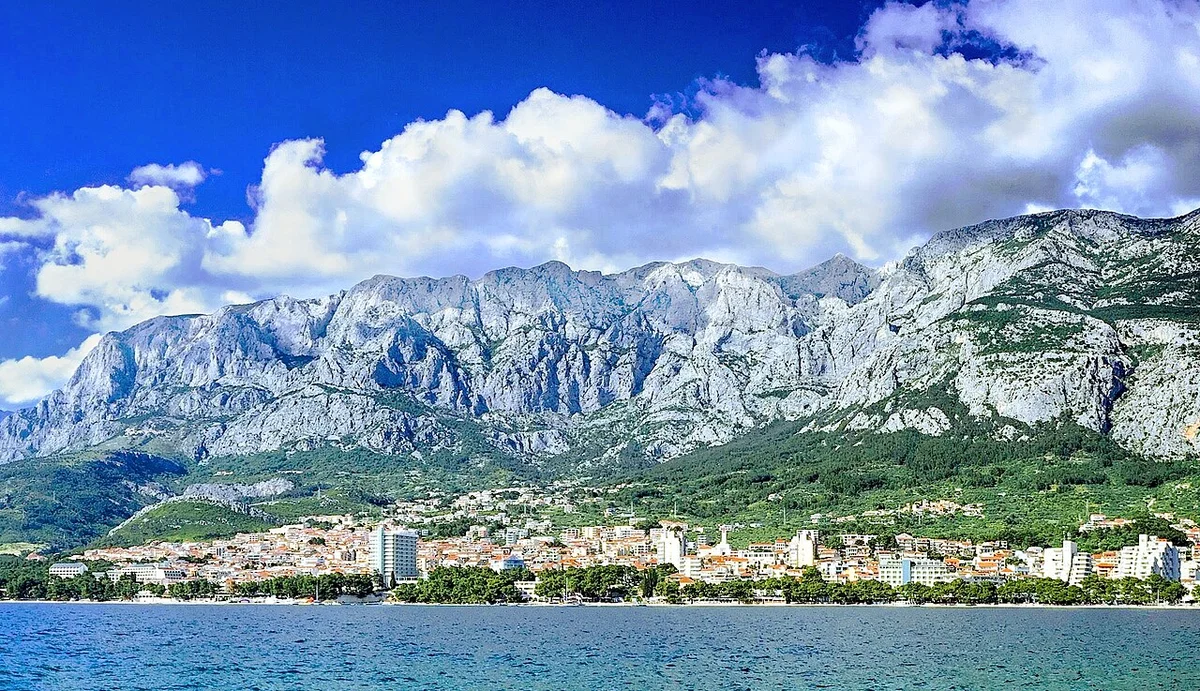 Skypevo Bioovo: a glass platform overlooking the Adriatic Sea at an altitude of 1228 meters