Neuschwanstein Castle in the Bavarian Alps is not just a tourist attraction, but also a source of inspiration for countless “dream castles” in world culture. Built by King Ludwig II between 1869 and 1892, this romantic fortress attracts 1.5 million visitors every year. Let’s tell you how to get there, what it costs, and why taking photographs inside the castle is not allowed.
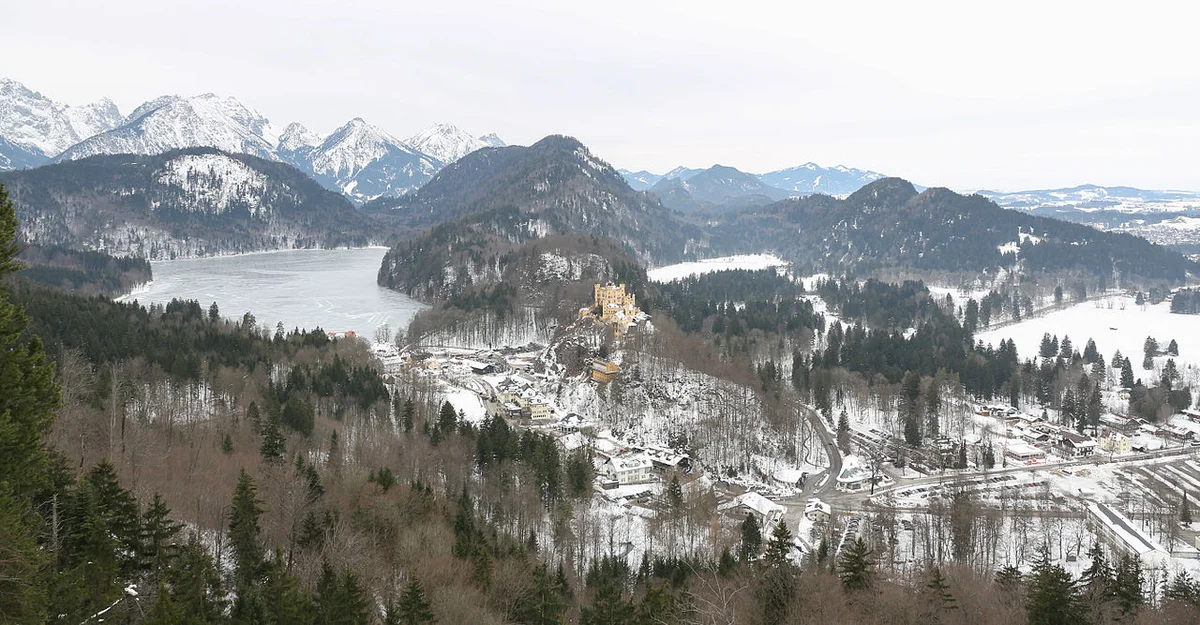
Neuschwanstein Castle rises atop a rocky hill above the village of Hohenschwangau in the Bavarian Alps, at an altitude of 970 meters. It is the most frequently photographed castle in the world—since its opening in 1892, its image has appeared on the logos of film companies (including Disney’s opening credits), on tourist posters, and on postage stamps from over 50 countries. Ludwig II invested 6.2 million gold marks in its construction (equivalent to over 400 million euros in today’s currency), but he never lived to see it completed, as he died in 1886, six years before its completion.
The castle itself is the product of a young monarch’s fanciful dreams. At the age of 19, Ludwig witnessed Richard Wagner’s opera and vowed to live in such a magical environment for the rest of his life. Neuschwanstein is not a defensive fortress but rather a theatrical set made of stone—romantic towers, Gothic windows, and walls adorned with scenes from legends of knights and wizards.
Some interesting facts:
The castle took 17 years to build (1869–1886), and Ludwig spent only 11 nights there; the rest of the time he was engaged in politics or attending his favorite operas in Munich.
It was the first castle in Europe to feature central heating and running water—technologies of the 21st century in the 19th.
The castle inspired the design of Disney’s Sleeping Beauty Castle in California, USA, and all its subsequent versions around the world—this is officially confirmed by Disney Archives.
The castle’s walls hide more than 200 rooms, but only 15 are open to tourists; the rest remain private or off-limits.
After Ludwig II’s death, the castle was opened to the public. The first visitors were amazed to find thousands of candles and lit lanterns left in the rooms, giving the impression that the owner had just left.
Tickets, opening hours, and how to get there
King Ludwig II (1845–1886) was a romantic and dreamer who invested a vast amount of money in his dream castle. He spent only 11 nights there.
The castle is located 120 km from Munich, in the village of Hohenschwangau near the town of Füssen.
Opening hours: Daily from 9:00 am to 5:30 pm (April–October), and from 10:00 am to 4:00 pm (November–March). The castle is closed on Mondays.
Ticket prices (2025–2026):
Adult full ticket — 14 EUR
Students/children aged 7–14 — 10 EUR
Family package (2 adults + 2 children) — 35 EUR
Audio guide in Russian (optional) — 4 EUR
How to access the castle: You cannot enter the castle on your own; visits are only possible via organized tours. Tours group visitors in teams of 30–40 people, and each tour takes approximately 2 hours, including travel time and exploration of the site. Reservations must be made online at least 2–3 days in advance. During the peak season (May–September), tickets are usually sold out by the time reservations are opened.
The best way to reach the castle is on foot (about 1.5 hours uphill along forest trails) or by horse-drawn carriage (20 EUR round trip). There is also an alternative: a cable car on the opposite hill provides an ideal spot for taking photos – the very scene you’ve probably seen millions of times.
Marienbrücke: the perfect spot for taking photos from a distance of 100 meters Marienbrücke is the ideal spot for taking photos. From here, the castle looks just like it does on all postcards around the world.
If you are in a hurry or want to simply take photos of the castle without exploring its interior, head straight for the Marienbrücke.
This is a small wooden suspension bridge over the Pöllat gorge. From here, the castle looks exactly like it appears on postcards. It’s free to access and open 24/7. It takes about 40 minutes to walk uphill from the bus stop in Hohenschwangau to the bridge, but the view is well worth it. The scene where the movie “What Girls Dream Of” (2006) was filmed was taken here.
In spring (around May), golden eagles soar above the bridge, watching the castle from both sides – just like tourists do. In the evening, from 7:30 pm to 9:00 pm in summer, the castle is illuminated, and it looks like a fairy tale scene from a distance.
What else to see in the area in one day
If you came from Munich, one single castle isn’t enough. There are around 20 attractions within a 20-kilometer radius.
Hohenschwangau Castle () is a yellow, romantic castle located in the valley where Ludwig II spent his childhood. It is the royal family’s residence, and while not all areas are open to the public, the tour is interesting (12 EUR, hours of operation: Mon–Sat 9:00–3:00 pm). It is situated 5 kilometers away from Neuschwanstein.
>
strict rules must be followed without exception. Please follow these guidelines:
1. The translation should be in English.
2. Only the translated text should be presented, without any additional explanations or comments.
3. Do not include any phrases such as "Translation," "translated text," or similar phrases.The Allgäu Scenic Route is a beautiful drive or cycling path through the meadows of the Bavarian Alps, leading to Lake Forggensee. Stop by the village of Schwan – there you can find traditional beer gardens where you can taste local beer and Bavarian sausages.
Lake Forggensee (Forggensee Lake) is the second largest lake in Bavaria, surrounded by alpine peaks. It’s perfect for hiking (2–3 hours around the lake) or cycling. Admission is free, and there are beaches, cafes, and catamaran rentals (10–15 EUR per hour).
Füssen and Kempten are neighboring towns with historic centers, Baroque churches, and souvenir shops. In Füssen, you can visit the legendary Hohen Schloss from the late 15th century – admission is 5 EUR.
Where to eat: Bavarian cuisine in the mountains
The usual tourist recommendation is to grab snacks at the cafes near the castle. But we have something different to suggest.
Eifele is a restaurant in the village of Schwangau, right next to the castle. They serve classic Bavarian dishes like Schweinbraten (roast pork, 16 EUR), Knödel (dumplings with filling, 2 EUR), and potato salad (4 EUR). Beer is served by the glass – 3.5 EUR per half liter. Open Tuesday–Sunday from 11:00–22:00, closed Monday.
Alpirozi is a small mountain inn located between Neuschwanstein and Lake Alpsee. They serve raw cheese plates (käseplatte, 14 EUR), goat cheese popcorn, and hot punch in winter. Very authentic, without any tourist distractions. Open only from 11:00–17:00, closed Monday and Tuesday.
Grenzstube is a historic cafe in Hohen Schwangau with views of the valley. They serve their own brewed beer, Bavarian dumplings (maultašen, 9 EUR), and schnitzel (12 EUR). Open Monday–Sunday from 11:00–20:00.
On the way back to Munich:
Day itinerary: how to spend 10–12 hours efficiently
7:00 – Leave Munich by train or bus. We recommend the S31 train from the main station (München Hbf) with early departure time to arrive in Füssen by 9:30.
9:45 – Arrive in Höhenswangau. The bus No. 78 from Füssen station departs every 20–30 minutes (travel time is 20 minutes, cost is 3 EUR).
10:00–11:30 – Walk up to the castle via the forest or take a horse-drawn carriage for a faster and more romantic experience. You can also hike to the Pöllenspitze lookout tower (1100 m altitude) along the way – the views are breathtaking, but it will add an additional 1.5 hours to your trip.
11:45–13:30
13:45–14:30
15:00–16:15
16:30–17:30
Unconventional 2-day itinerary: If you have extra time, consider staying overnight in Füssen (hotels like Steigenberger cost 85–110 EUR per room) or in Hohenschwangau (the Gasthof zum Schwan ranges from 60–80 EUR). On the second day, spend some time by Lake Forggenze and take a bike ride through the valley.
When to go: seasons and weather
May–June is the ideal time. The castle looks stunning against the backdrop of green mountains, alpine flowers are in bloom, and the weather is mild (15–22°C). There are many tourists, but it’s not as crowded as in July–August. Tickets should be reserved at least a week in advance.
July–August is the peak season. The weather is sunny and warm (20–25°C), but crowds are larger. Tickets usually sell out 10–14 days in advance. If you plan to visit during these months, buy your tickets as soon as they become available in the booking system (usually 60 days in advance).
September–early October is the second best time. There are fewer tourists than in summer, and the weather is still warm (14–19°C). The first leaves begin to fall, and the castle looks particularly romantic when photographed at this time.
November–March The castle is covered in snow, creating a magical atmosphere, but there are fewer tourists. It may also be closed during heavy snowstorms. The weather is cold (-3…+5°C), and hiking up the mountains becomes more difficult. However, tickets are always available.
What to avoid: Avoid the Day of German Unity (3 October) – the castle is closed throughout the day. Also, avoid the Easter holidays (2–3 weeks in March–April) and Christmas (21 December – 2 January), as these periods are extremely crowded.
Practical tips
Photography: Photography is not allowed inside the castle (cameras are checked at the entrance). However, you can take photos outside. The best views are from the Marienbrücke (free) or the summit of the Pflönenspitze (which requires some climbing).
Clothing: Even in summer, bring warm layers – it’s windy in the mountains. Wear comfortable shoes, as you’ll be walking on gravel paths and through forests. A raincoat is essential regardless of the season.
Language: Guides are available in German and English. A Russian-language audio guide is also available for an additional fee of 4 EUR, but it is recommended to download the Neuschwanstein Castle app in advance onto your smartphone (it is free and works offline), as it provides comprehensive descriptions in Russian. The castle is not accessible for people in wheelchairs due to numerous stairs and narrow corridors. People with mobility issues may view the castle from outside or from the bridge. For children: Children aged 6 and above can find the castle interesting. Younger children may get tired quickly from walking up many stairs and visiting various rooms. A children’s audio guide is available for 3 EUR, in which fairy tale characters tell stories about the castle in an entertaining way. Money: Cards are accepted everywhere, but in some small cafes, only cash (in euros) is accepted. You can withdraw money from any ATM in Füssen. Noyshwanstein Castle: This is not just a ordinary tourist attraction; it is a castle that embodies a unique spirit and culture, inspiring generations of artists, designers, and dreamers. Even if you have no particular fondness for fairy tales, the magical atmosphere of this place and the story of the man who was king but did not want to be king will remain with you forever.Bavarian classics: schwinebraten and local beer at the Eifele mountain cabin. Large portions, affordable prices.
Find the Best Professionals for Your Project
Expert repair, construction, and renovation specialists ready to help you right now


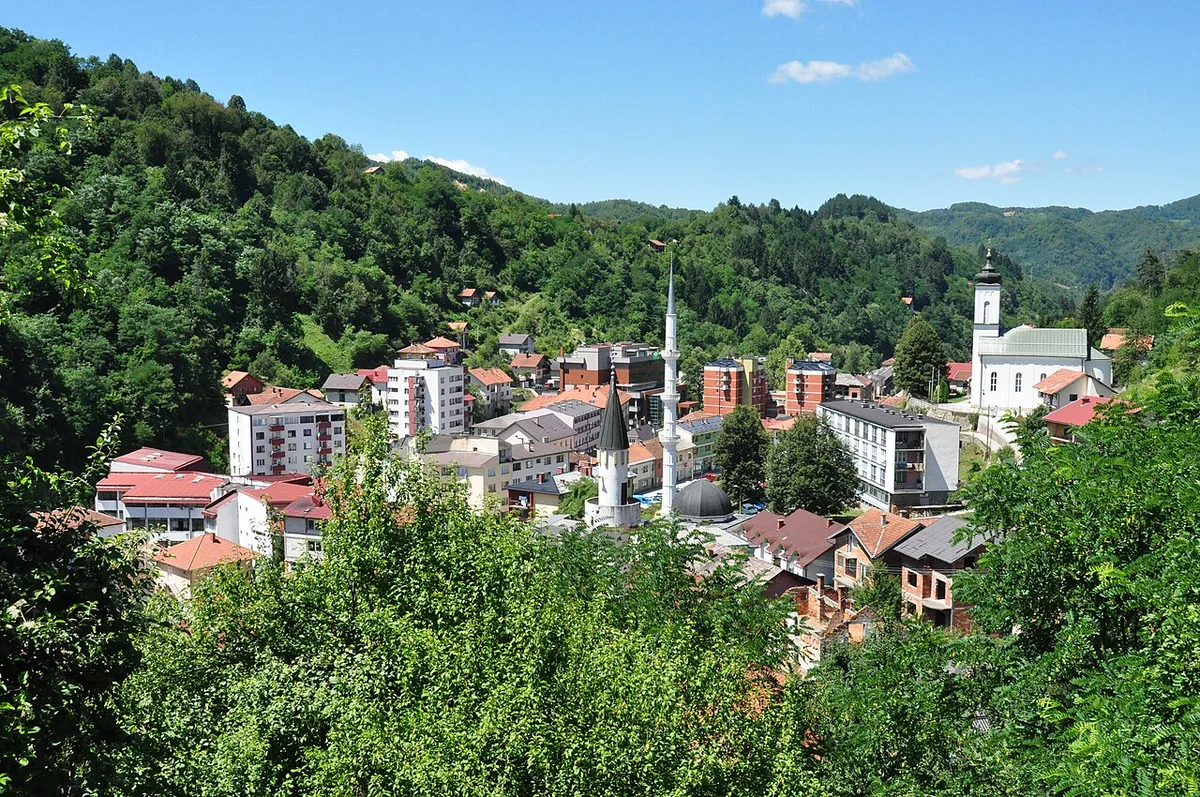
 Serbian hospitality: a night at a kafana with rakia and live music
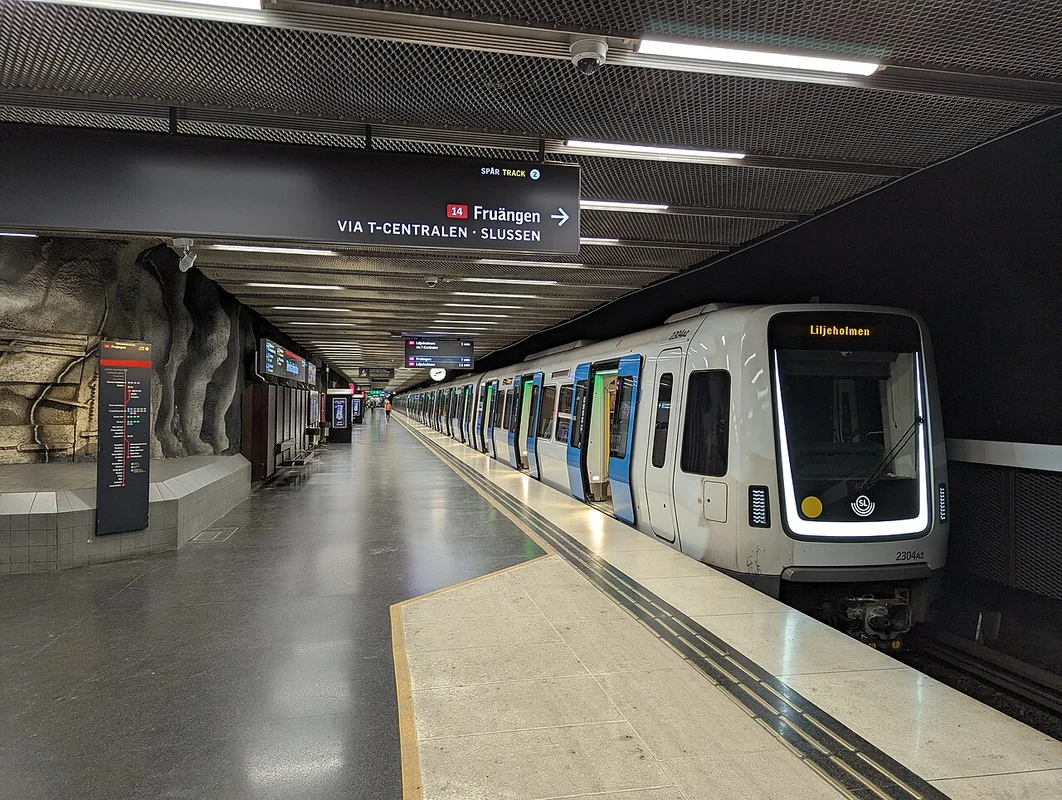 The Stockholm Metro is the longest art gallery in the world.
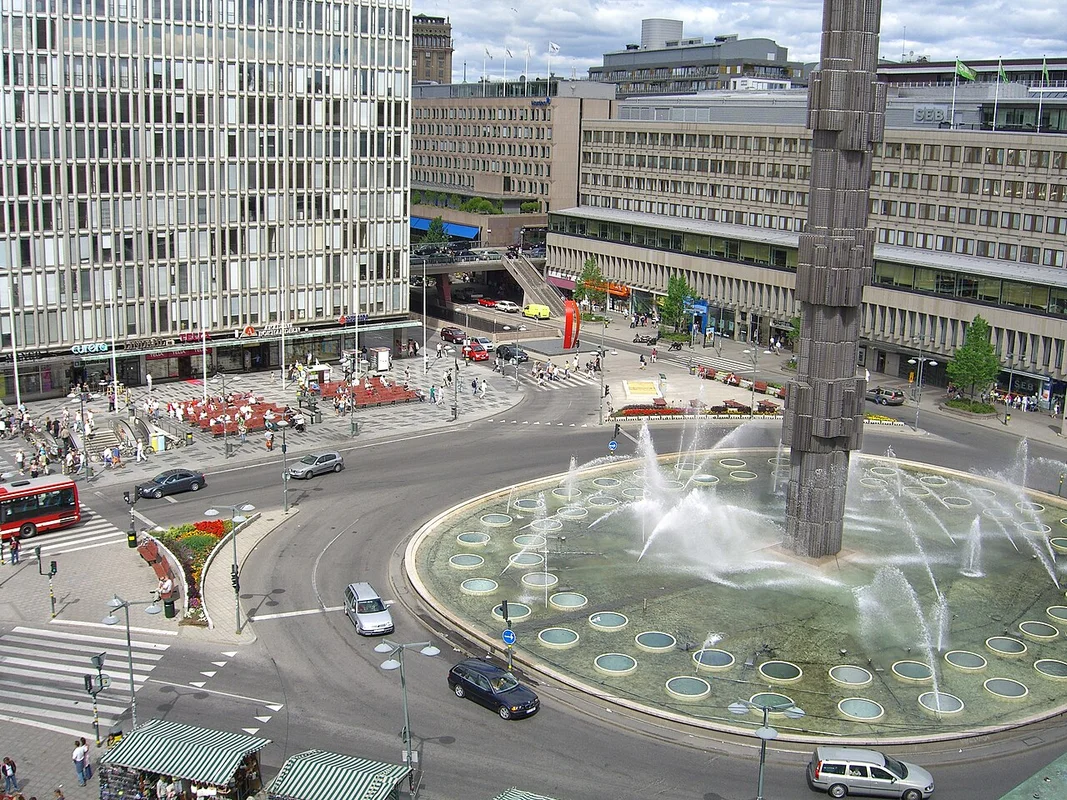 Sergeltorget and Drottninggatan: Stockholm's main shopping areas
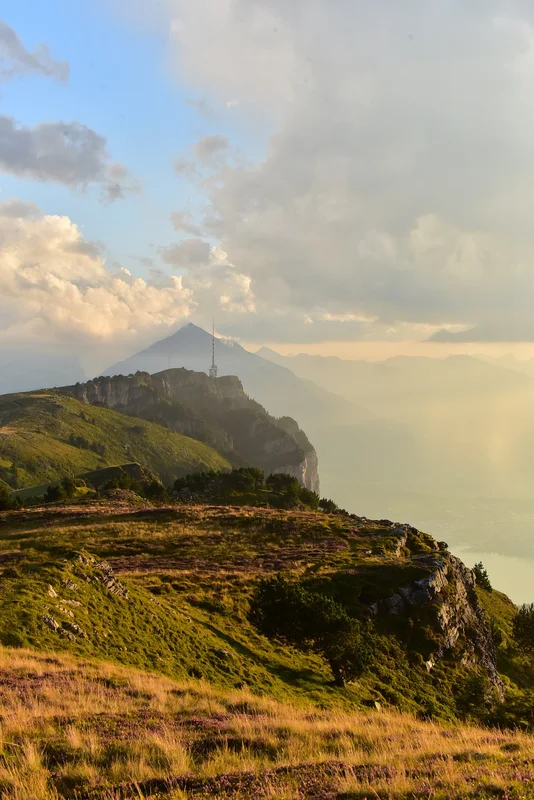 The Niederhorn cable car in Beatenberg: a panoramic view of Lake Thun from a height of 1963 meters.