Limfjord: Viking burial mounds and medieval cities in northern Jutland
The Limfjord stretches 180 kilometers across northern Jutland — it is not a single channel but a complex network of waterways and narrow bays connecting the North Sea to the Kattegat. If you have come seeking a “Viking experience,” forget Hollywood portrayals: here you will find not the drama of battleships but practical logistics — why the ancient Normans chose these narrow straits, where they traded, built settlements, and left behind burial mounds that have stood for thousands of years.
Why the Vikings Chose the Limfjord
Lysefjord was a strategic port for Vikings because it connected two marine systems and served as an ideal base for raids, trade, and overwintering. Narrow straits protected ships from storms at sea, while numerous islands (about 97 in total) provided shelter. Archaeologists have found settlements dating back to the 8th–10th centuries here—right in the heart of modern cities.
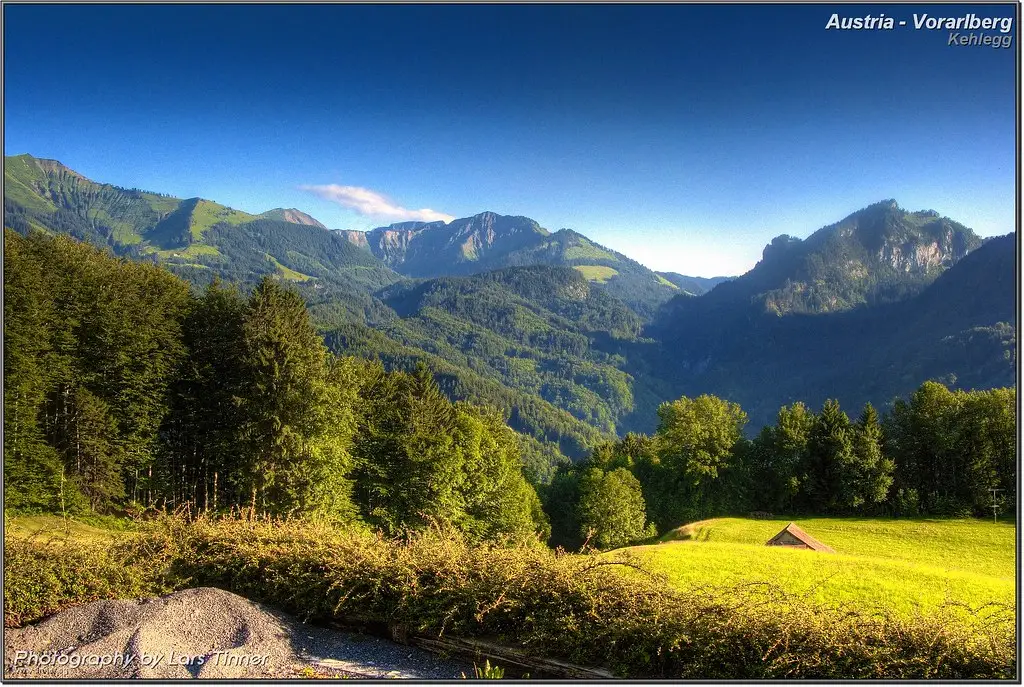
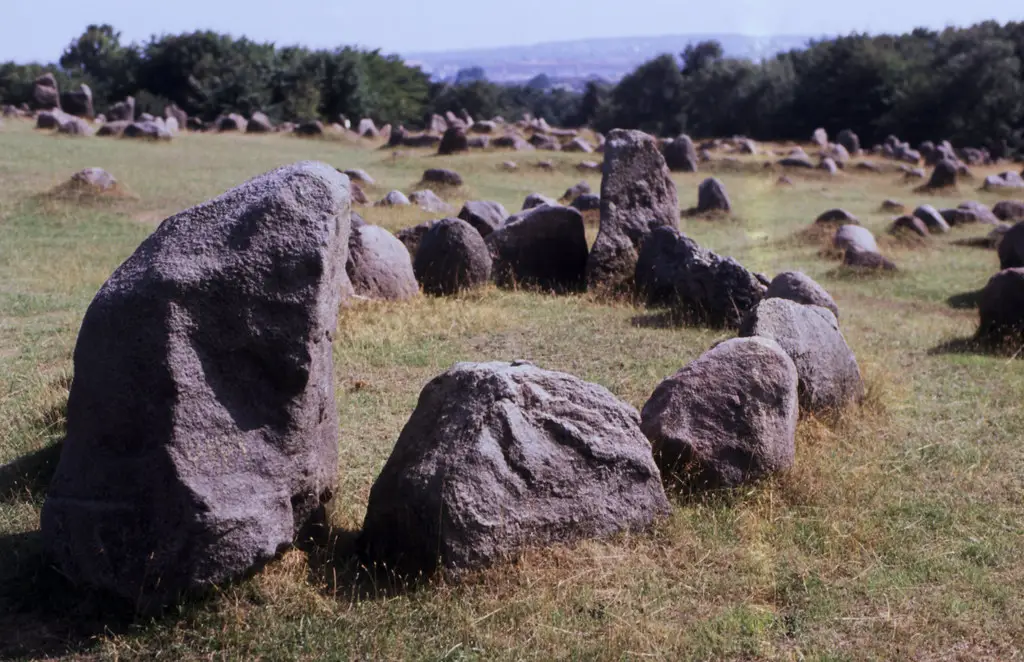
The main attraction here is not the architecture but the landscape and its history. As you walk along the fjord’s shore, you’ll see rounded hills among the fields—these are not natural formations but Viking burial mounds. Some of them contained wooden ships (ship burials), in which leaders were buried along with weapons, jewelry, and even domestic animals.
Some facts that will surprise you:
- More than 1,500 Viking burial mounds have been discovered in Limfjord — making it one of the largest concentrations of Viking-era graves in Europe.
- The settlement of Jorsø on the fjord’s shore served as a major Viking trading center and competed with the legendary Jorvik (modern-day York in England) in terms of trade volume.
- During excavations in Vestjylland, a coin from the 8th century issued by a Byzantine emperor was found — evidence that Viking trade networks extended as far as Constantinople.
- Limfjord was almost completely blocked by a sandbar during the Middle Ages and was only fully reopened to navigation in the 19th century after engineering work.
- Near the town of Nørre Snedede stands one of Denmark’s tallest Viking burial mounds at 11 meters high — it can be seen from afar from any hill.
Route through Viking burial mounds: Northern Jutland

The best way to visit the Viking burial mounds is to rent a car and follow the designated routes. Denmark is actively promoting Viking-era tourism, so many of the mounds have informational signs in both English and Danish.
Nørre Snedede and surrounding area (60 km southeast of Skagen). This is one of the region’s main attractions. Three giant mounds rise above the landscape, the largest of which, Jettelkundene, was built in honor of a chieftain who died in battle. A small outdoor museum nearby provides information on Viking burial rituals. Admission is free, with parking available at the edge of the village. Coordinates:
Viking Museum of Limfjord (Aaalgårdene, Vestsjælland). If you prefer a guided tour, this small museum is the right choice. Located in a historic building right on the shore, it houses artifacts from excavations, including jewelry, weapons, and household items. Open from April to October, Monday to Friday 10:00-16:00, Saturday to Sunday 11:00-16:00. Admission is 60 DKK (about 8 EUR). Coordinates:
Clint’s Cliff (Möns utøya i Limfjord). This is a less well-known but impressive 60-meter-high rocky shore where Vikings left rock carvings (some dating back to the Iron Age and antiquity, though others may be of Scandinavian origin). Access is free, with a trail running along the cliffs. It is located 50 km northeast of Limfjord, coordinates:
Medieval Coastal Cities

The Limfjord is surrounded by several towns that thrived thanks to Viking trade and later became centers of medieval Denmark. Each town retains its own character and offers unique experiences.
Nibel (Nіbе) is a city of crafts and colorful facades. It is one of the most beautiful towns in Limfjord, with a well-preserved 17th–18th century center. Narrow streets are paved with cobblestones, houses are painted in bright colors, and the post office, bakery, and several cafes operate in a historic style. Nibel is especially beautiful in spring and summer. You can take a walking tour here (the tourist office recommends a 45-minute route). Parking is available in the central square and along the waterfront. Coordinates of the center:
Løgstør is a town with a port and historic warehouses. It is a larger town (population 6,500) with an active port. Here you can buy fresh fish, rent a boat to explore the fjord, or simply sit in one of the port restaurants and watch the ships. The town has a ceramics museum (Løgstør Keramik Museum) — 60 DKK, open Monday to Friday from 10:00 to 17:00. Coordinates:
Mandal is on the southern shore. It is a small port town where fishing is the main occupation. It’s a great place to see traditional Danish fishing houses with red roofs. There is a small fish market on Wednesdays and Saturdays (it’s best to arrive between 8:00 and 10:00). Parking is available. Coordinates:
Skagen is a city on the cape of two seas. It is the point where the North Sea meets the Kattegat (coordinates:
How to spend the weekend in Limfjord
Day 1: Northern route. Arrive in Skagen, visit Grenen and the lighthouse, and have lunch at a fish restaurant (average prices of 150-200 DKK for the main dish, around 20-27 EUR). Then head south to Nørre Snedsted to view the mounds at sunset (the lighting is particularly good for photography at this time). Stay overnight in Nibe or Løgstør (3-star hotels cost 600-900 DKK per night, 80-120 EUR).
Day 2: Museums and cities. In the morning, visit the small Viking museum in Aaalgården (entry fee 60 DKK), then stroll through Nibelø, and buy local pastries at Nielс' Vageri (40 DKK per bun). Have lunch at the fish restaurant Løgstør (Fiskehusene, 180 DKK for a fish and potato combo). In the evening, take a peaceful walk along the fjord’s shoreline to watch the sunset.
Day 3: Hiking trails. Mons Klint and the rocky shores are suitable for hiking. The route takes 1.5–2 hours. After that, head south to Mandal to see the fishing houses and buy fresh herring (50–70 DKK per pack). In the evening, return or stay overnight in another town.
Practical information
When to go: May to September is the ideal period when all museums are open and the weather is suitable for walking. April and October are good for less crowded visits, but some outdoor museums have limited hours. In winter (November to March), most seasonal museums are closed.
How to get there: Lymfjord is located 400 km north of Copenhagen. By car, it takes 4.5–5 hours via highway E45. The train goes via Aarhus to Skagen (3–3.5 hours from Copenhagen to Aalborg, followed by bus or car). Renting a car at Copenhagen Airport costs 400–600 DKK per day (55–80 EUR).
Food: The region is famous for its fresh fish. Smoked trout, herring, and shrimp are standard on the menu. Cities have inexpensive fish shops (40-80 DKK) and small restaurants (with an average price of 180-250 DKK for the main dish). Vilka and Nettø supermarkets are available in every city if you need supplies for picnics.
Accommodation: Nibel and Løgstør offer the best selection of hotels and guesthouses. Budget options (guesthouses): 400-600 DKK. Three-star hotels: 700-1000 DKK. Campgrounds near the fjord: 150-200 DKK per site.
Language and Money: The language is Danish, but everyone in tourist areas speaks English. The currency is the Danish krone (DKK), with 1 EUR ≈ 7.4 DKK. Cards are accepted everywhere.