Saint-Nectaire: a Romanesque church, cheese caves, and the volcanoes of Auvergne
Saint-Nectaire is more than just a village nestled on the slopes of extinct volcanoes. It is a place where architecture sinks into the ground, and cheese matures in caves, as if following ancient monastic traditions. The population barely exceeds five hundred people, yet thousands of tourists visit each year to see a marvel of Romanesque architecture and taste one of France’s best cheeses.
Saint-Nectaire Church: Romanesque Architecture at the Heart of Volcanoes

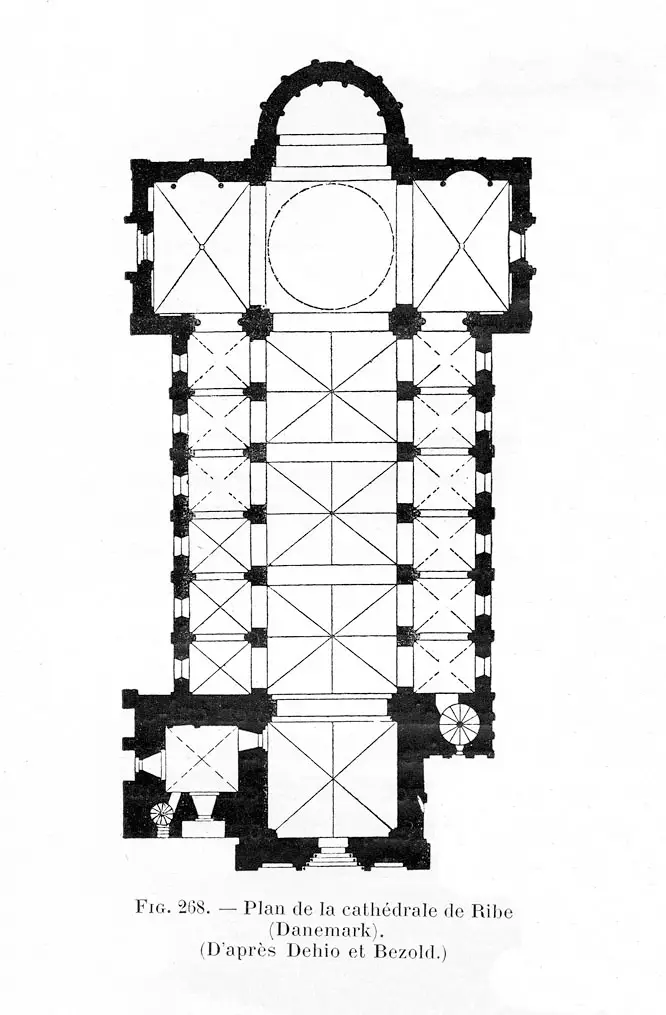
Saint-Nectaire church
Entry to the temple is free, but during the summer season (June-September), a guide leads tours for 5 EUR. Hours of operation: 9:00-18:00 (except during services). The main attraction is the underground crypt, accessible via narrow stone steps. In the dim light there, the relics of Saint Necter are kept in a decorated chest from the 11th century. The vaults of the crypt rest on columns made of volcanic basalt, and the walls are covered with medieval prayers and the names of pilgrims from various eras.
The chapels in the side aisles are adorned with frescoes from the 13th century — though faded, the silhouettes of saints in solemn poses are still visible. The acoustics in the temple are unusual: singing resonates through the stone with almost supernatural clarity. Organ concerts are held here in the summer (check the schedule at the entrance or the tourist office).
Cave cheeses and underground aging labyrinths

If the church is the soul of Saint Nectaire, then the caves are its body. Right beneath the village, at a depth of 50-100 meters, lies a network of natural caves where volcanic rock maintains a constant temperature of 8-10°C and 95% humidity. These are ideal conditions for cheese aging.
Saint Nectaire is a semi-hard cheese made from cow's milk, protected by the AOC (Appellation d'Origine Contrôlée) status. One wheel weighs 1.8–2 kg and requires at least three weeks to mature. The cheese has a buttery flavor with a barely noticeable spicy note and a nutty aftertaste. The cut surface shows eyes—small holes the size of a pinhead.
Visits to the cheese factories can be made at three main production sites:
Fromagerie de la Vallée
Cooperative Fromagers du Massif
Les Fromages de Saint-Nectaire is a cheese museum located on a farm. Admission is 4 EUR, open daily from 10:00 to 18:00. It tells the story of cheese and its role in the medieval diet of pilgrims.
Volcanoes and Hiking Trails in Auvergne

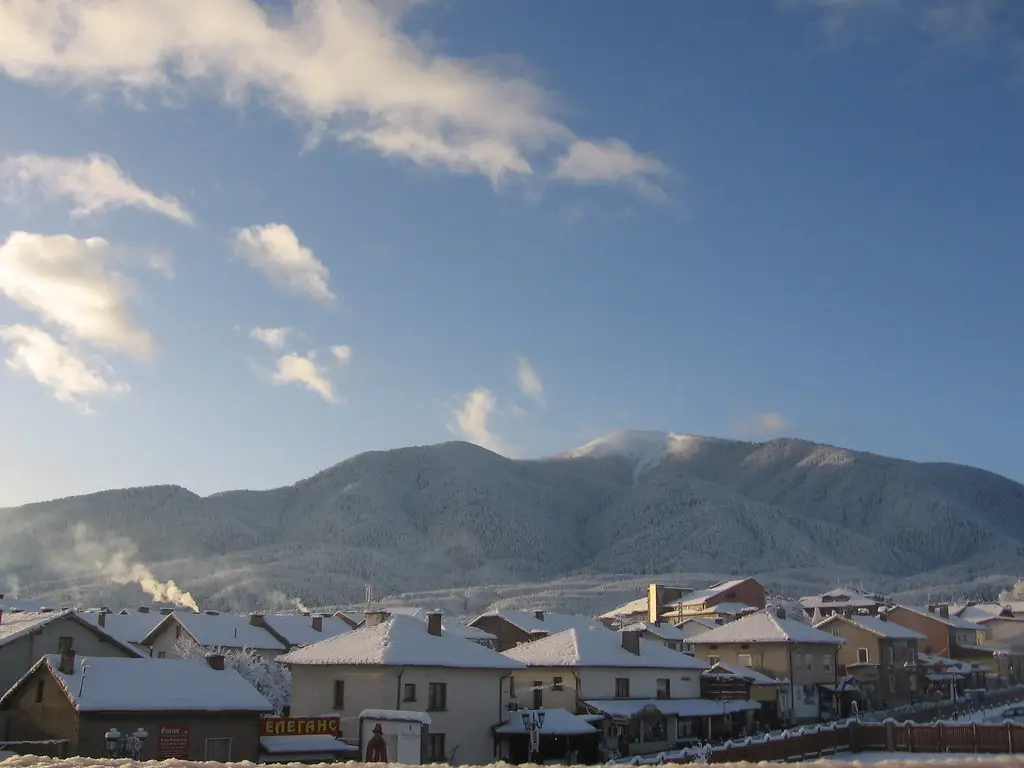
Saint-Nectaire is located at the edge of the Puy volcanic plateau. It’s not Vesuvius — extinct volcanoes appear as rounded hills covered with pine trees and grasses. The last eruption here occurred 6,000 years ago, but magma has left its mark everywhere: in the black basalt of churches, in the fertile soil, and in the cold of caves.
The “Circuit de la Croix” hiking trail (5 km, 2 hours) starts from the church and climbs up the slope to the ruins of an old chapel. Along the way, you can enjoy a panoramic view of Auvergne: rolling terrain with a dozen volcanic peaks. The trail is marked with yellow arrows, and its difficulty level is moderate.
For geology enthusiasts: 15 km from Saint-Nectaire lies the Volcan de Lemertégue museum — an open volcano where visitors can descend 80 meters into the crater. Admission is 11 EUR, and it is open from April to October from 10:00 to 18:00. The exhibits display layers of lava and scoria that illustrate the region’s geological history.
Local cuisine: cheese, garlic, and volcanic bread

The cuisine of Saint-Nectaire revolves around cheese. It is eaten as an appetizer, added to omelets, and served with pear compote (a classic combination in French tradition). The local wine is a light red from the vineyards of Auvergne, with a barely noticeable acidity.
Restaurant du Prieure
Ferme Auberge Ducher
At the market (every Thursday morning in the square), vendors offer cheese, alfalfa honey, and blueberry jam. The prices are lower than those in tourist shops: 150 grams of cheese costs 8 EUR, and a jar of honey costs 7 EUR.
How to Get There and Route Logistics

Saint-Nectaire is located in the Auvergne region, 40 km from Clermont-Ferrand city (the region’s main airport). There are no direct trains.
By car: From Clermont-Ferrand, take the A75 highway south, then take the D996 road via Muriol. Travel time: 1 hour. Parking is free near the church and cheese farm.
By bus: The “Clermont — Saint-Nectaire” route operated by Auvérgne Transport (route number 2510). Departures from the center of Clermont-Ferrand at 9:00, 14:00, and 17:30. Round-trip ticket price is 12 EUR, with a travel time of 1.5 hours. The bus stops at the Saint-Nectaire tourist office.
For groups or families: Local guides offer customized tours. Price: 80-120 EUR per day (up to 6 people), including transportation, visits to the church and cheese farm, and a lunch on the farm. Book through the tourism office (phone +33 4 73 65 61 61).
Best time to visit: May to September. Summer (July-August) sees crowds of tourists, but all attractions are open without closures. April and October are milder with fewer visitors, though some shops shorten their hours. In winter (November-March), most routes are closed due to snow and cold.
Local custom: There is a lunch break from 12:30 to 14:00 when restaurants and shops are closed. Plan your itinerary accordingly.
Some facts that will surprise you:
- The caves where Comté cheese is aged are natural cavities in volcanic rock that formed over 10 million years ago. The first monks discovered them accidentally while digging a basement for a monastery in the 12th century.
- Cheese Saint-Nectaire is one of the five AOC cheeses from Auvergne, which means the milk must come only from cows grazing in the region’s area, and the cheese must age exclusively in local caves.
- Few people know that the Romanesque architecture of Auvergne’s churches often features alternating layers of black basalt and gray limestone not for aesthetic reasons but out of practicality: black stone retains heat better, while gray stone is more resistant to moisture. The cave climate shaped the style of the facades.
- The Volcanic Plateau of Puy de Dôme is listed as a UNESCO site not for its geology alone, but for the entire complex: the 15 churches spread over 20 km², the villages, and the natural landscape that have shaped this civilization over 1,000 years.
- Only 300 to 400 wheels of Saint Nectaire cheese are produced per day — this means the total annual output does not exceed 150,000 wheels, whereas neighboring regions produce millions of wheels of industrial cheese.