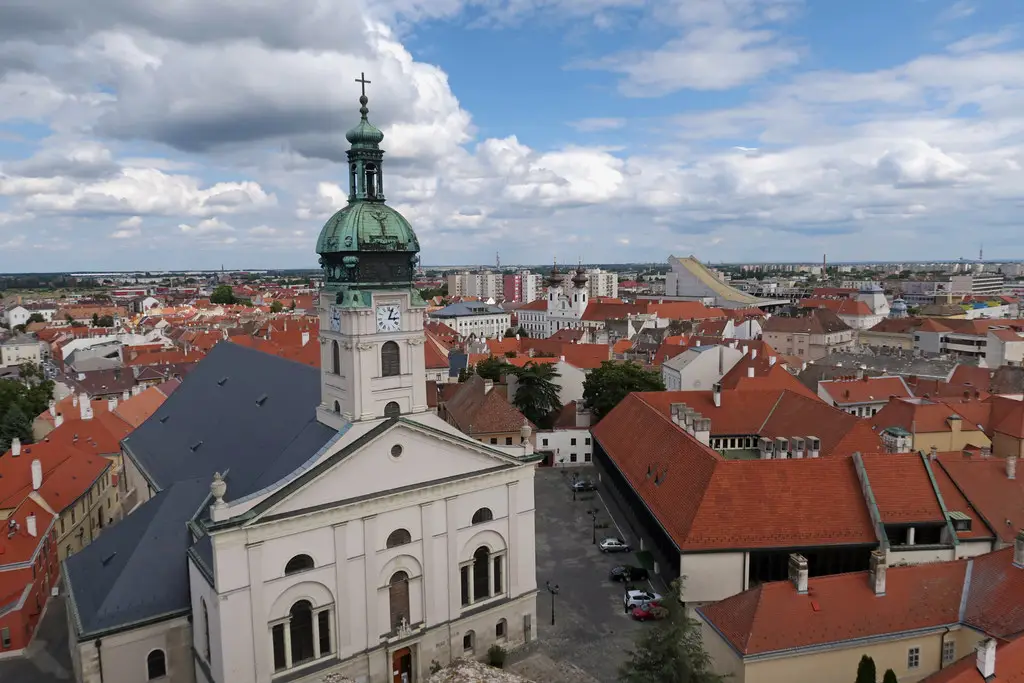
Kastoria and Lake Orrestias: the fur city on the shores of northern Greece
In Kastoria, you hardly encounter organized tour groups. Instead, there are medieval family-owned workshops where the fifth generation has been working with fur, a lake untouched by mass tourism, and an atmosphere of a city that lives its own life without relying on travel guides. The first secret of Kastoria: it’s a destination for wholesalers from European fur boutiques who come to buy in bulk. On the streets of Kapodistriakou and Oikonomidi, there are dozens of shops where you can find mink coats or fox hats at 30-50% off European prices. Lake Oristias, though only 25 kilometers long, offers one of the most beautiful routes in northern Greece for hikers, cyclists, and car travelers.
The City of Fur: A History Woven Over Three Centuries

Kastoria is not a product of the 2000s. Its reputation as the world capital of the fur industry began in the 1920s, when refugees with trading experience arrived in the city following the Greek-Turkish population exchange. By the 1950s, Kastoria was supplying fur coats to European royal families. Today, there are approximately 350 fur factories and workshops operating here — a figure that seems enormous for a city with only 17,000 inhabitants.
A walk through the city center is a journey back to the past of the Adriatic ports. Narrow streets, Turkish mansions with striped roofs from the early 1920s, and numerous signs on shop windows: “Castoria Furs,” “Fur Fair,” “Echort Nousé.” On Oikonomidi Street (the main shopping avenue), there are five fur shops for every clothing store. Entry is free, but the workshops require that if you enter, you must seriously consider making a purchase.
The Fur Industry Museum
Lake Orestias: a circular route around Macedonia’s mirror

Lake Orestias (its ancient name being Kastoria) is the heart of northern Greece, which most tourists pass by on their way to Chalkidiki or Mount Athos. This is a mistake. The circular trail around the lake is one of the most stunning hiking paths in the region, winding through 15 kilometers of untouched natural park.
The best option is to start from the eastern shore near the village of Agios Germanos
On the western shore, near the village of Fanos, is the taverna “Lambes tis Fanos”
Driving a full circle around the lake takes 1.5 hours. The road is paved but narrow and sometimes unfenced — drive carefully, especially if you are not used to mountain roads.
Top 3 Must-See Places in the City

1. Byzantine Iconography Museum
Located in a building that was once a synagogue. The collection of icons and religious items spans from the 14th to the 19th century. Admission is 4 euros. Open Wednesday to Saturday from 10:30-14:30 and 18:00-20:00, Sunday from 10:30-14:30, closed Monday to Friday.
2. Monastery of Mavriotissa
It is perched on a rocky promontory right above the lake. Built in the 14th century, it functions as an active monastery today. Admission is free, but it’s best not to wear sneakers—monks require modest clothing. Visiting hours are 8:00-12:00 and 16:00-18:00 (check in advance).
3. Marine Fishing Museum
A small museum dedicated to the history of fishing on the lake. It features small collections of ancient nets, boats, and tools. Admission is 3 euros, and it is open Tuesday to Saturday from 10:00-14:00 and 17:00-19:00.
Off-the-beaten-path route: the real Kastoria for discerning travelers

Forget the city center. This is what those who live here and know it truly do.
Morning (8:00-10:00): Head to the fish market by the lake waterfront, where local fishermen unload trout and perch right on the shore. There are no tourists, only local grandmas inspecting the catch. There’s also a small coffee kiosk nearby where you can enjoy strong Greek coffee for 1.5 euros.
Early afternoon (10:00-13:00): Stroll through the pedestrian zone of Kapodistriou Street, where small cafes can be found between fur shops. Stop at Café “To Rerivolio”
Afternoon (14:00-16:00): Take a car to the village of Mati
Evening (17:00-21:00): Taverna “Rigi”
Budget and Travel Logistics to Kastoria
How to get there:
By car from Thessaloniki (200 km, 3 hours) via highway A1, then a regional road to the lake. Parking in the city center is free but limited.
Bus: 4-5 trips per day from Thessaloniki (KTEL company), ticket price 16-18 euros, travel time 3.5 hours. The bus station is 500 meters from the city center.
Train: One trip per day from Thessaloniki (7:50), arrival at 11:50, ticket price 11 euros. The train is more romantic, but the schedule doesn’t always align with tourist plans.
When to go:
June to September is ideal for trips around the lake. May and October are also good, with milder weather. Winter (November to March) is rainy, and spring floods can close some trails.
Daily budget for two people:
- Car rental: 35-45 euros
- Fuel: 10-12 euros
- Breakfast/coffee: 6-8 euros
- Lunch at a tavern: 20-25 euros
- Museum entries (3 museums): 12 euros
- Dinner: 25-30 euros
- Unforeseen expenses: 15 euros
Total: approximately 120-150 euros per day for two people. About 80-100 euros per person.
Where to stay:
Guesthouse “Lеfkо”
Hotel “Каstоrіа”
Airbnb apartments by the lake (village of Agios Germanos) cost 55-85 euros, offering access to the beach and tranquility.
Things to know before you go
- Kastoria was one of the first cities in Europe to start large-scale mink farming—this occurred in 1927 when mink farms were considered a revolutionary technology. Today, several farms have closed due to animal rights activists, but the fur processing industry still thrives.
- Lake Oristias is the deepest lake in the Balkans among natural bodies of water, with a maximum depth of 76 meters. A local legend says an ancient city lies on the lake bottom, submerged by an earthquake, but it’s just a beautiful story.
- Thanks to the lake ecosystem, over 300 bird species are recorded in Kastoria—more than in the entire United Kingdom. In spring and autumn, geese, ducks, and rare herons migrate here.
- The Monastery of Mavriotissa was built on the site of an ancient shrine dedicated to Demeter, the goddess of harvest. The current monks found fragments of pottery from the 2nd century AD right beneath the altar.
- Local fur shops are officially registered as trading centers, and many of them deal only with wholesale buyers from European countries — so “tourist prices” simply do not exist here.