Despite the fact that February is the shortest month of the year, there have been enough events for these 28 days to publish full material about it. Let's see what happened in the last month of winter.
Space February 2013 (review of the events of the month)
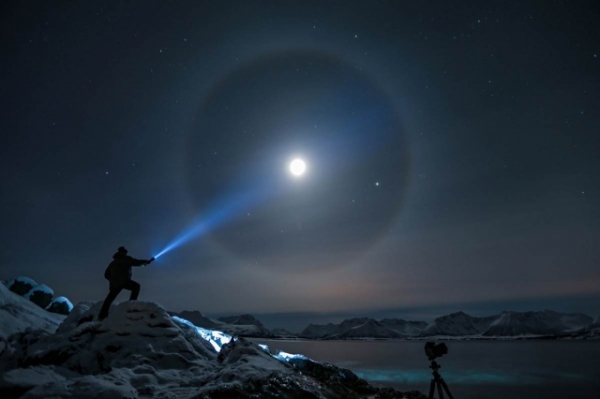
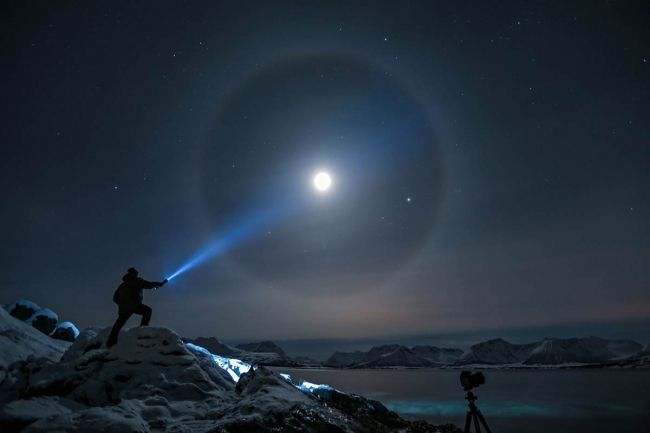
Beautiful aurora visible in the sky over Tromso, Norway, on February 19th.
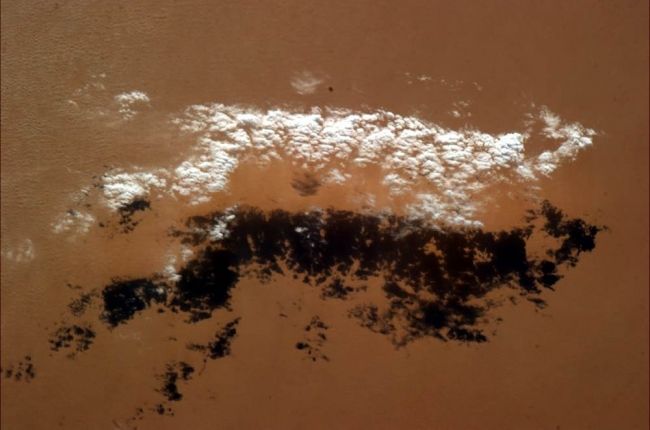
Canadian astronaut Chris Hadfield continues to delight his fans by sharing photos from the ISS. This image shows a cloud and its shadows over the Sahara Desert on February 17th.
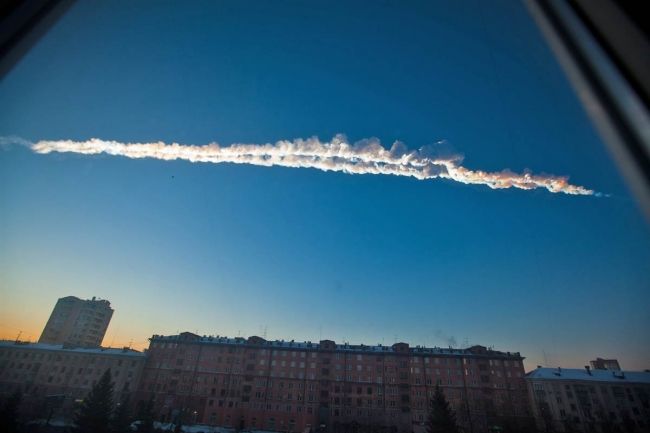
The impact site of the meteorite that fell in Chelyabinsk became an instant news highlight in February.
The impact site of the meteorite that fell in Chelyabinsk became an instant news highlight in February.
A photograph of the W5 star formation region.
The supernova W49B is considered one of the youngest in the Milky Way Galaxy. This image was taken by the Chandra X-ray Observatory.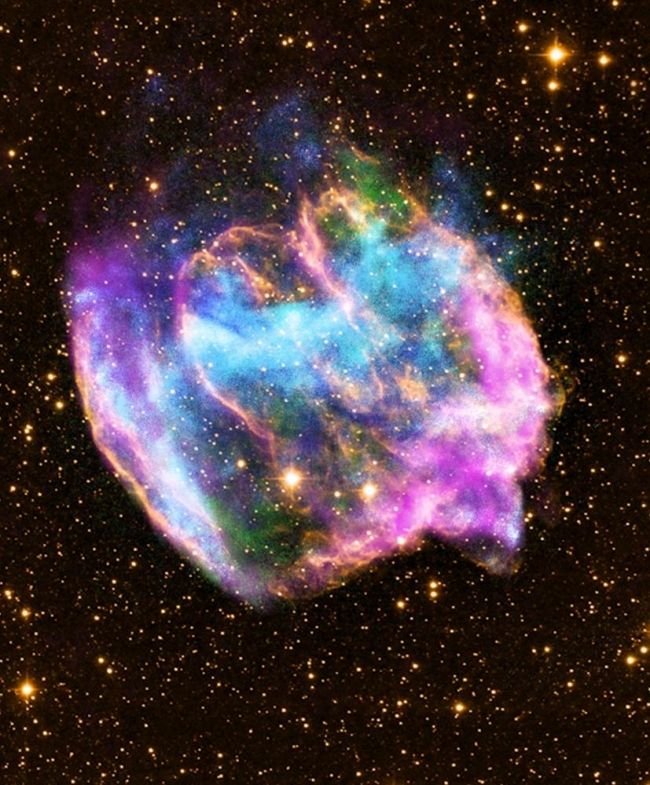
The W5 star formation region is often depicted as a heart-shaped symbol. It serves as a beautiful example of cosmic beauty.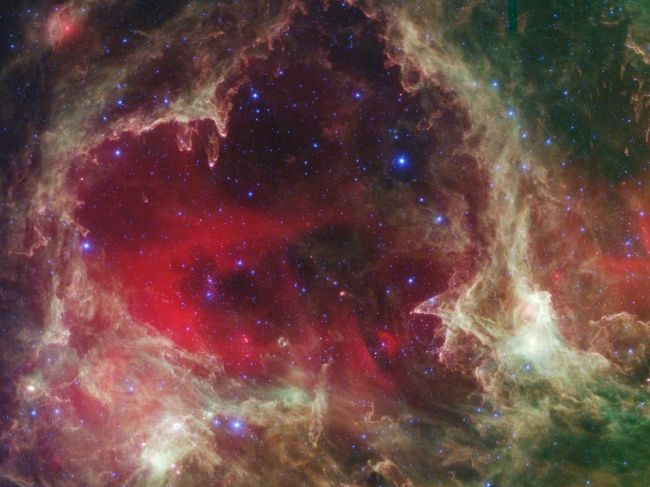
Alexander Samokutyaev is training in Star City as he prepares for his mission to the ISS in October 2014.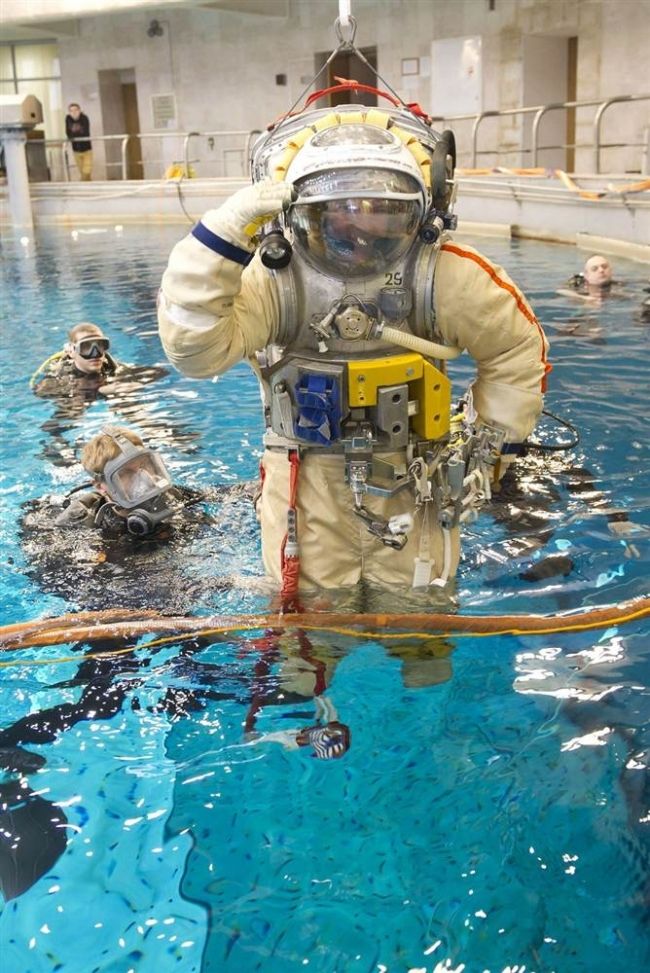
This image shows comet Panstars, which will approach Earth at its closest distance on April 17th this year.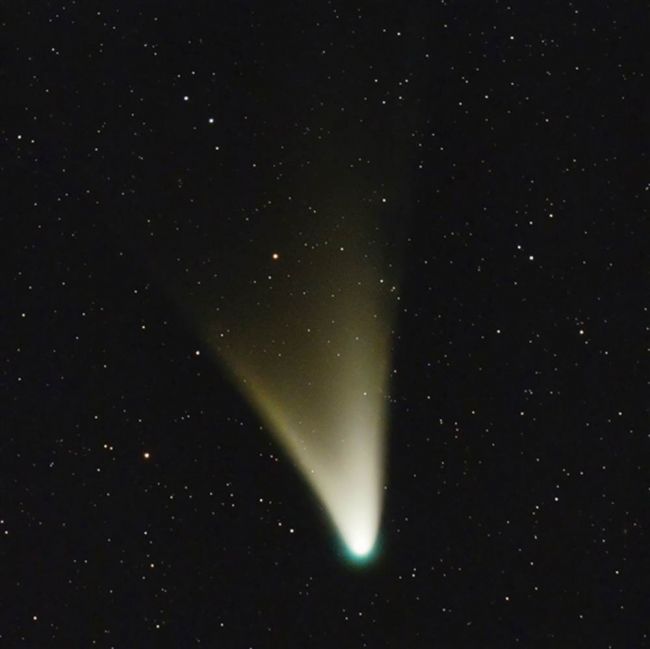
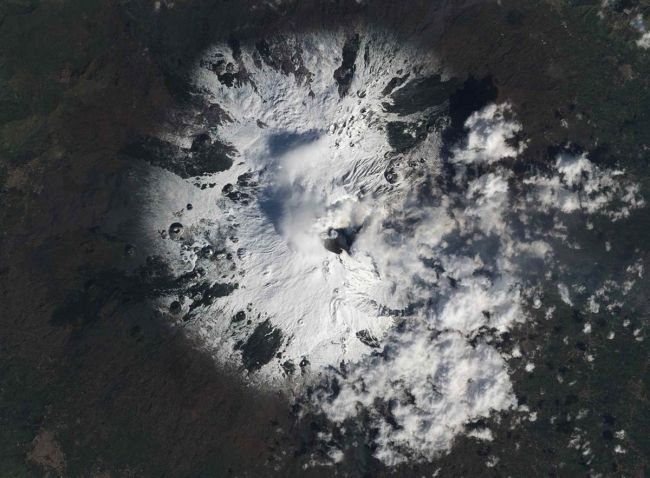
Another eruption of the Etna volcano on Sicily.
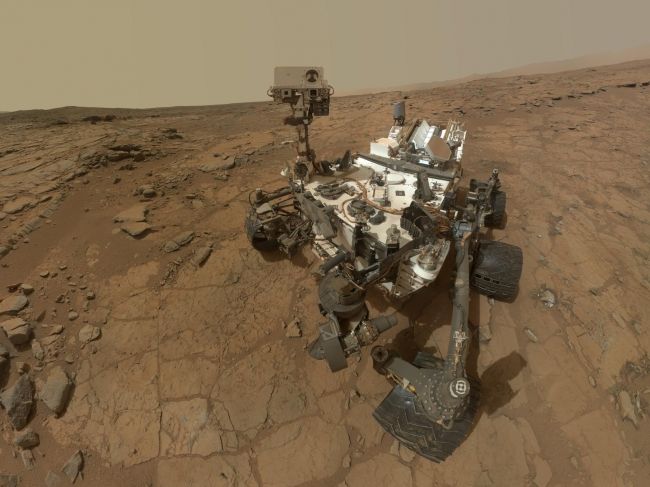
A self-portrait of the Curiosity rover before it began drilling into the surface of Mars on February 3.
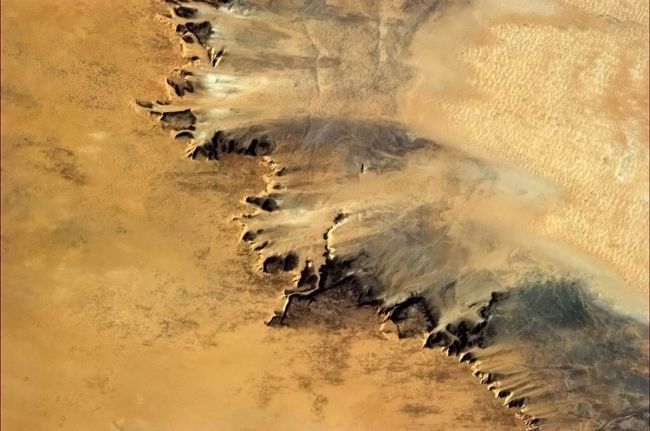
A mysterious photograph taken in the Sahara Desert, captured from the International Space Station on February 20.
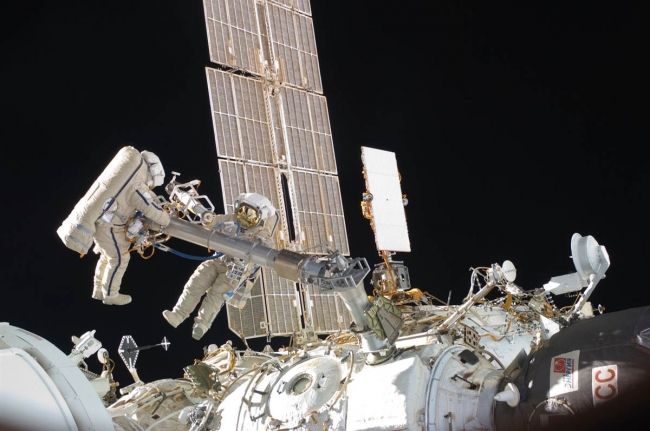
Oleg Kononenko (left) and Anton Shkaplerov (right) working together on the International Space Station on February 16.
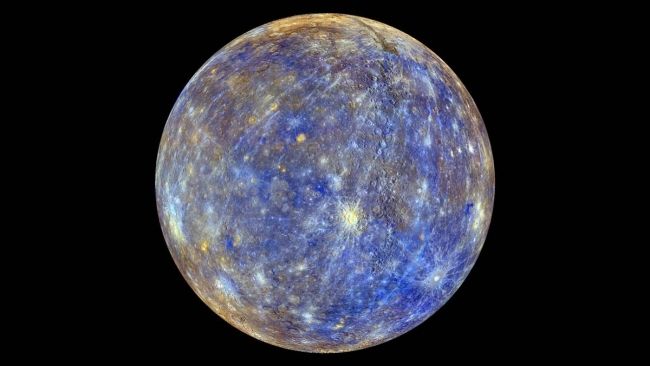
A color image of Mercury taken by NASA, released on February 22, which shows the variations in surface color due to different mineral compositions of the terrain.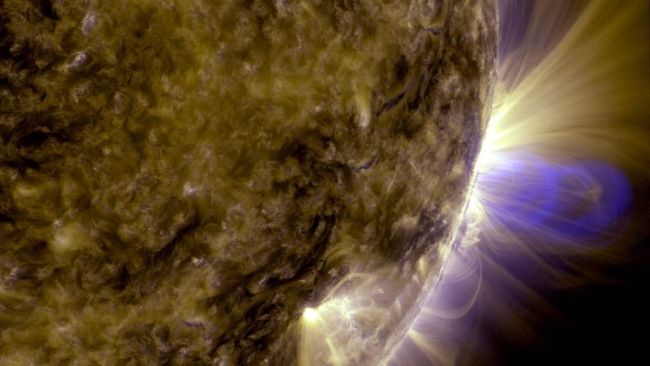
Magnetic flux loops above the surface of the Sun, as observed during a coronal mass ejection event last summer. This photograph, taken in August 2012, was published on February 20.
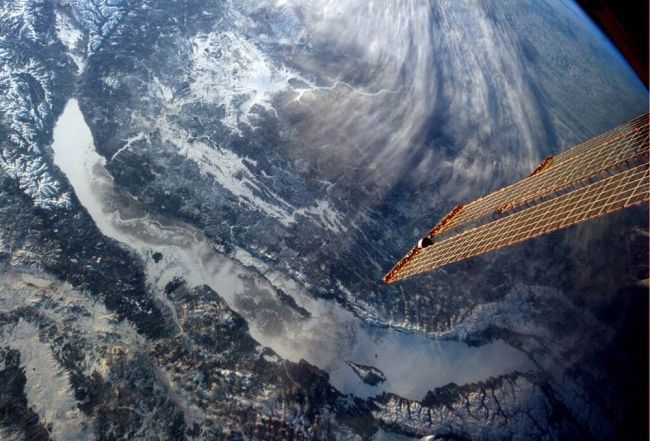
A photograph taken from the International Space Station showing Siberia, with Lake Baikal apparently in the center of the frame.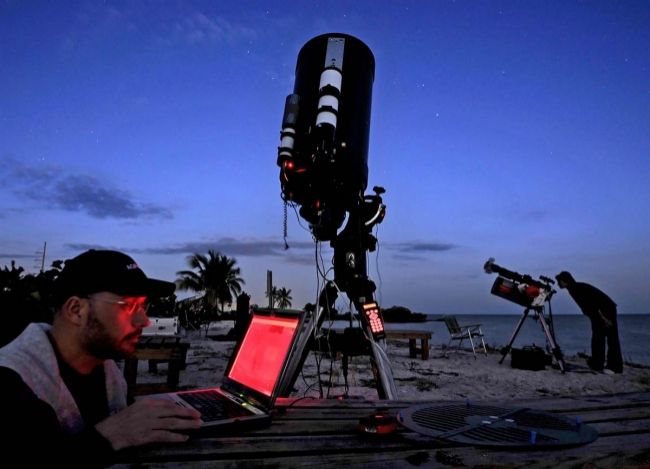
On February 4, approximately 500 amateur and professional astronomers gathered in Scout-Ki, Florida, USA. This location is ideal for stargazing, as it offers excellent views of the stars and even allows observation of the International Space Station.
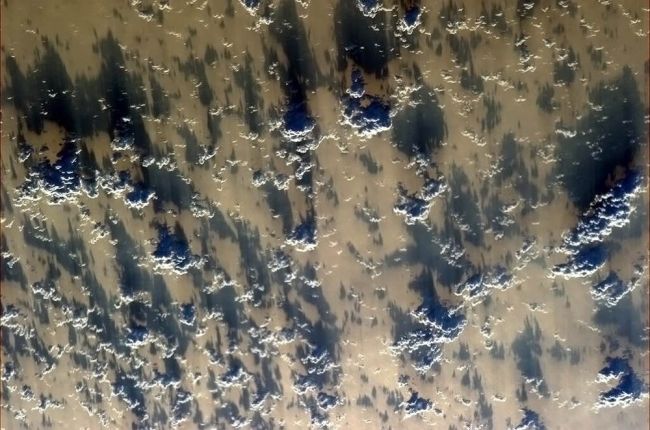
Clouds over the coast of China, on February 9th. Photo taken from the ISS.
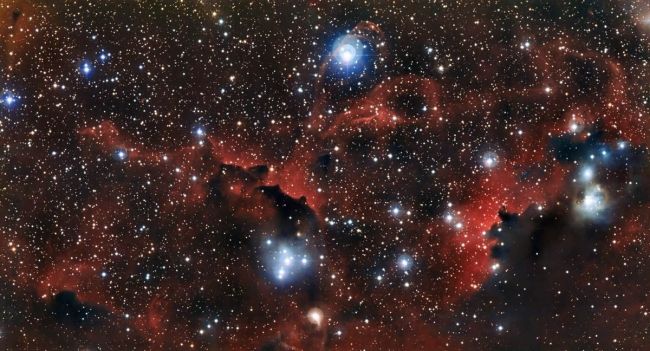
The complex structure of the Chayka Nebula (IS 2177). Gas clouds form shapes resembling bird wings. Photo taken by the European Southern Observatory on February 4th.
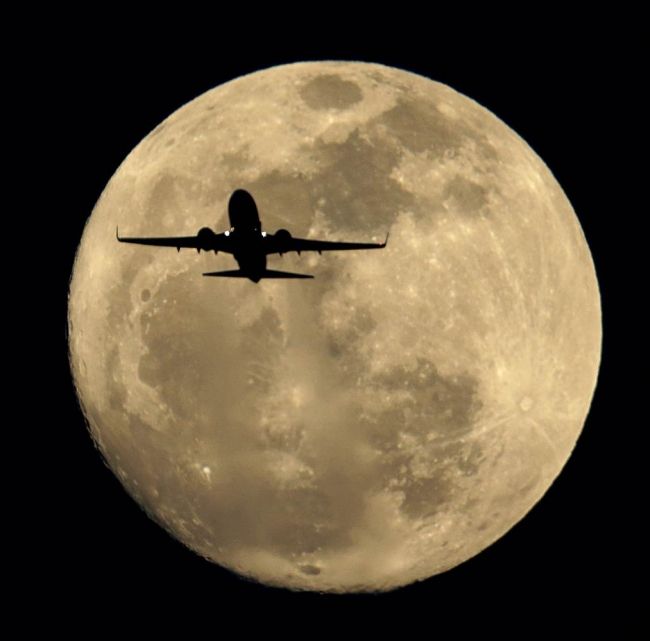
Let's go to the Moon! Photo taken over an airport in Phoenix, Arizona, USA, on February 24th.
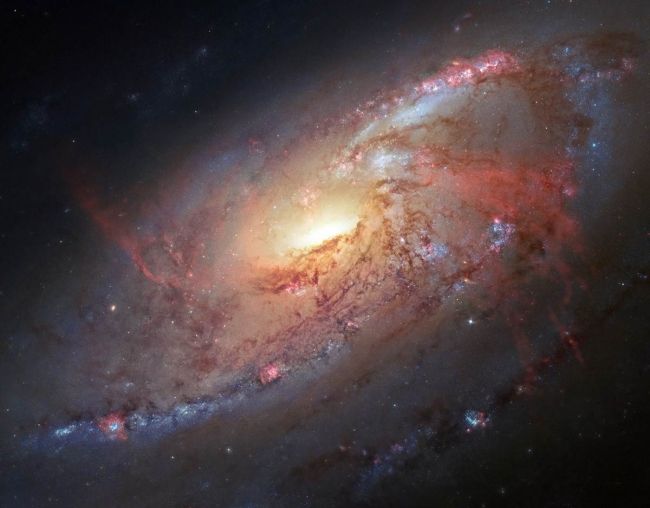
M106 is one of the brightest and closest spiral galaxies to Earth. It is located approximately 20 million light-years away. This image was taken by the Hubble Space Telescope, with adjustments made by astronomers Robert Gendler and Jay Gabañ.
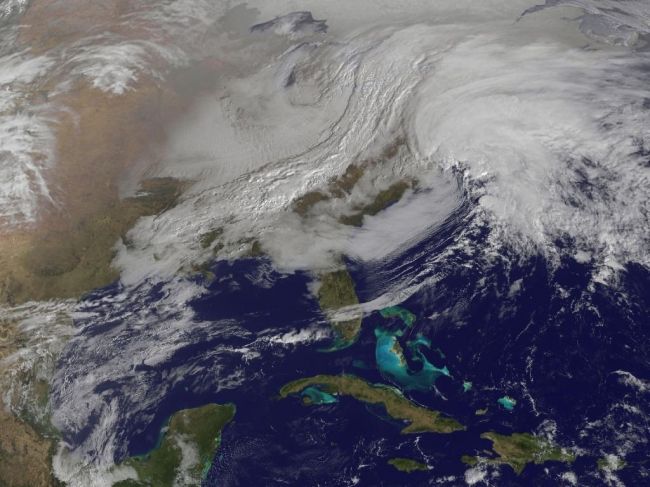
A snow storm is approaching North America, on February 8th.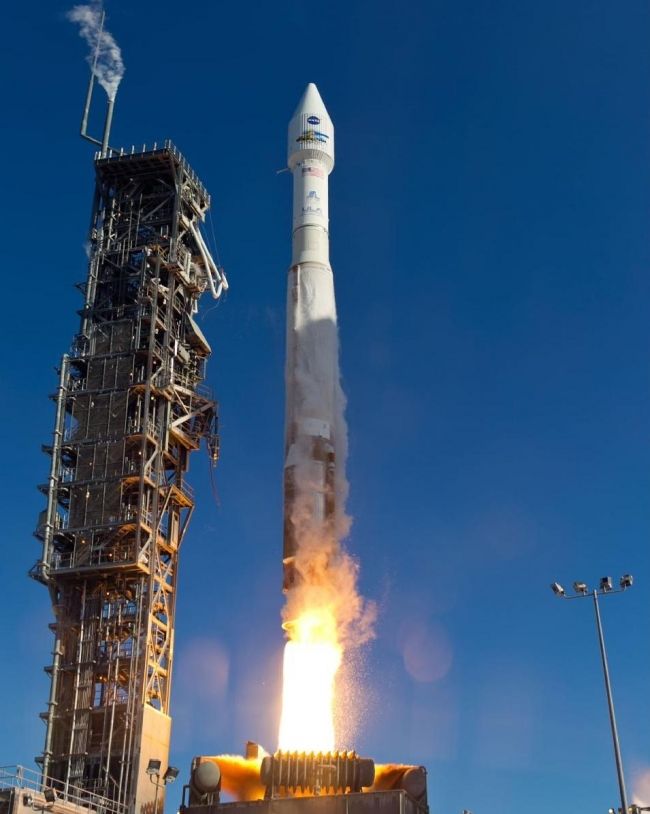
The Atlas V rocket was launched, carrying the Landsat satellite that will study Earth’s landscape. The launch took place at the Vandenberg Air Force Base in California, USA, on February 11th.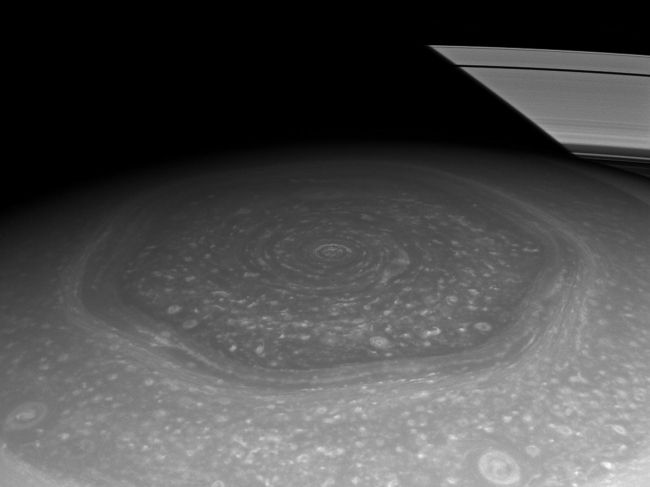
The North Pole of Saturn. Spring has arrived. This image was taken by the Cassini spacecraft from a distance of 650,000 kilometers.
This is how we viewed February 2013 in space.
UPD: For those who missed the asteroid "2012 DA14" passing by Earth, we provide a retrospective overview of these events.