10 Prehistoric Marine Monsters10 photos
Some of the largest creatures that ever inhabited this world lived millions of years ago. Below are ten of the biggest and most terrifying marine monsters that once roamed the oceans:
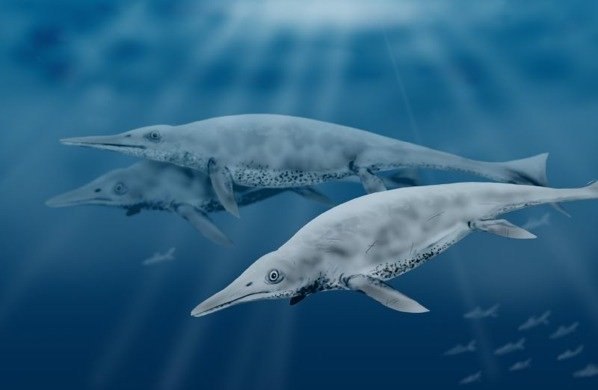
1. Shastasaurus
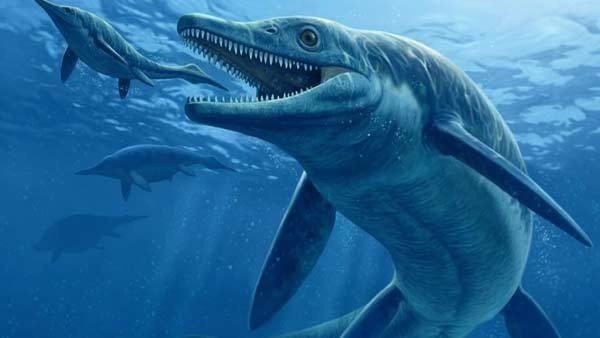
Ichthyosaurs were marine predators that resembled modern dolphins and were enormous in size. They lived during the Triassic period, around 200 million years ago. The Shastasaurus, the largest marine reptile ever found, was an ichthyosaur and could grow over 20 meters long. It was much longer than most other predators. However, one of the biggest creatures to swim in the oceans wasn’t a fierce predator—the Shastasaurus fed by sucking in food and mainly ate fish.
2. Dakosaurus
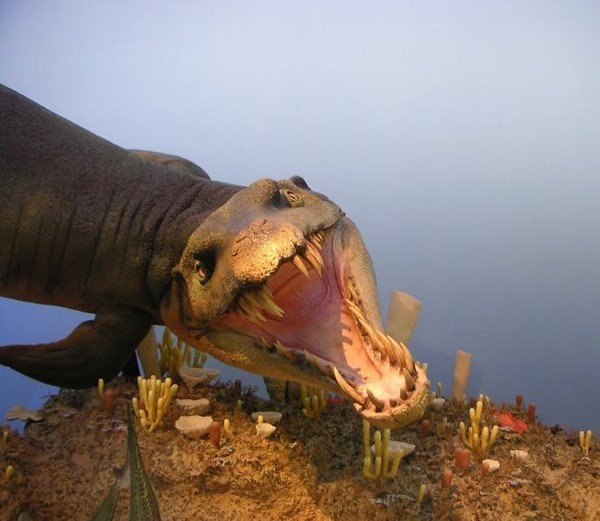
The Dakosaurus was first discovered in Germany. With its strange reptilian yet fish-like body, it was one of the main marine predators during the Jurassic period. Fossils of this creature have been found over a vast area, from England to Russia and Argentina.
3. Thalassomedon
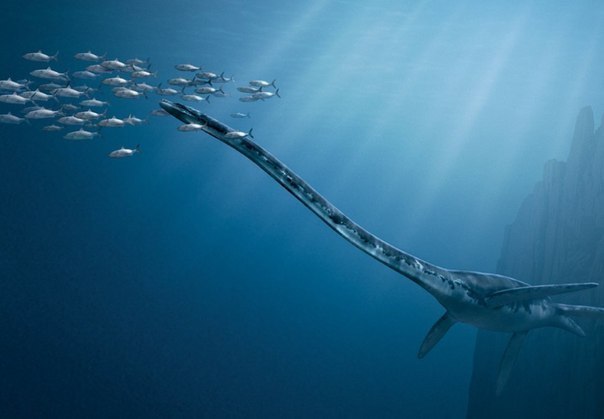
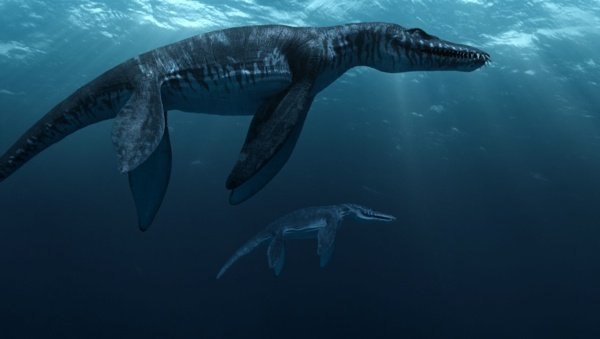
The Thalassomedon belonged to the plesiosaur group, and its name means “sea lord” in Greek—indeed, it was an enormous predator that could reach up to 12 meters in length. It had nearly 2-meter-long flippers, which allowed it to terrorize the creatures of the deep ocean.
4. Nothosaurus
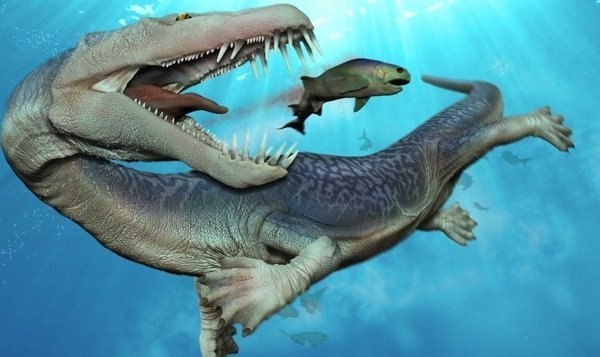
The Nothosaurus, only 4 meters long, was an aggressive predator. Its mouth was filled with sharp teeth that pointed outward, indicating its diet consisted mainly of squid and fish. It is believed that Nothosaurs often attacked their prey from ambush, using their smooth reptilian bodies to sneak up on them.
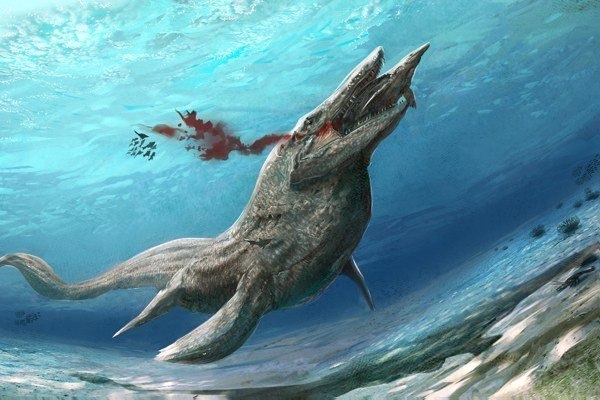
5. Tylosaurus
The Tylosaurus belonged to the mosasaur family. It was enormous, reaching over 15 meters in length. Mosasaurs were carnivores with diverse diets; fossils of fish, sharks, smaller mosasaurs, plesiosaurs, and even some flightless birds have been found in their stomachs. They lived at the end of the Cretaceous period in the oceans that covered what is now North America and dominated the marine food chain for millions of years.
6. Thalattoarchon Saurophagis
The recently discovered Thalattoarchon was as big as a school bus, reaching nearly 9 meters in length. This early ichthyosaur species lived during the Triassic period, 244 million years ago. Since it appeared shortly after the Permian extinction event—the worst mass extinction in Earth’s history, which wiped out 95% of marine species—this discovery helps scientists understand how ecosystems recovered.
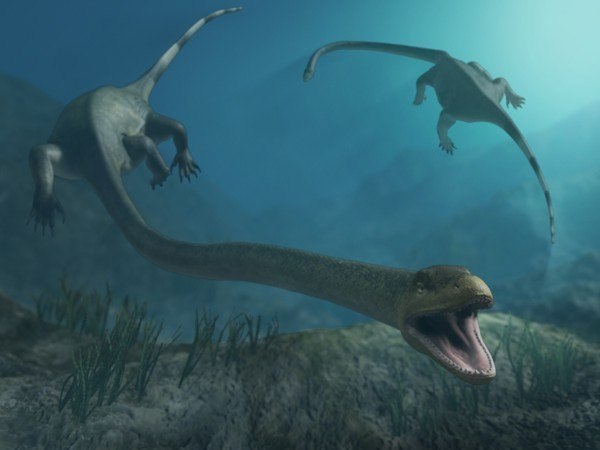
7. Tanystropheus
Although the Tanystropheus wasn’t strictly a marine creature, its diet mainly consisted of fish. Scientists believe it spent most of its time in water. This reptile could grow up to 6 meters long and lived during the Triassic period, around 215 million years ago.
8. Liopleurodon
The Liopleurodon was a marine reptile that exceeded 6 meters in length. It inhabited the seas of Europe during the Jurassic period and was one of the most formidable predators of its time. Scientists estimate that its jaws alone could be over 3 meters long—almost as tall as a person.
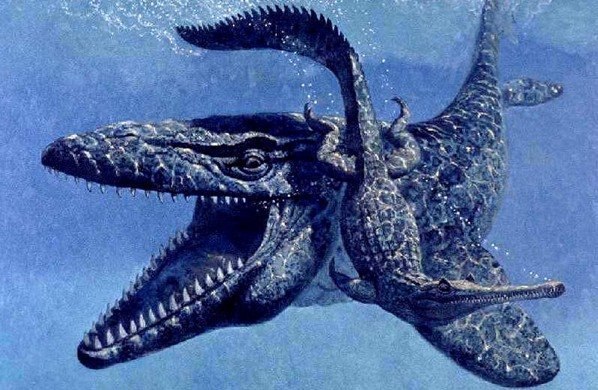
9. MosasaurusFossil evidence shows that the Mosasaurus could grow up to 15 meters long, making it one of the largest marine predators of the Cretaceous period. Its head resembled a crocodile’s, equipped with hundreds of razor-sharp teeth that enabled it to kill even the best-armored prey.
10. Megalodon
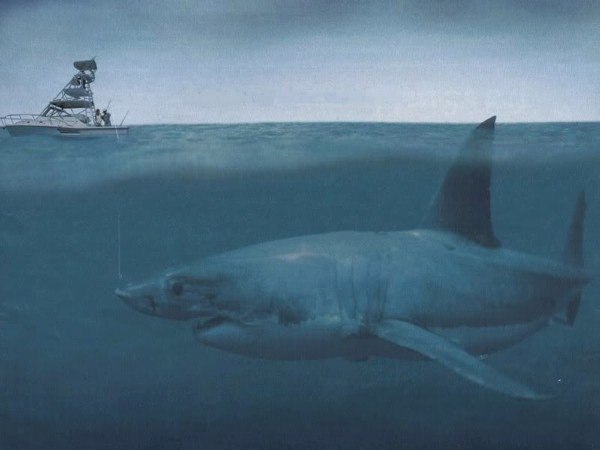
One of the largest predators in marine history and one of the biggest sharks ever recorded, the Megalodon was an incredibly terrifying creature. It roamed the depths of the oceans during the Cenozoic era, 28 to 1.5 million years ago, and was a much larger version of the great white shark—the most formidable ocean predator today. Modern great whites can reach up to 6 meters in length, but Megalodons could grow over 20 meters—far bigger than a school bus!
Find the Best Professionals for Your Project
Expert repair, construction, and renovation specialists ready to help you right now
Recommended Galleries
Recommended articles



More Galleries
 What Are the Smallest Countries?
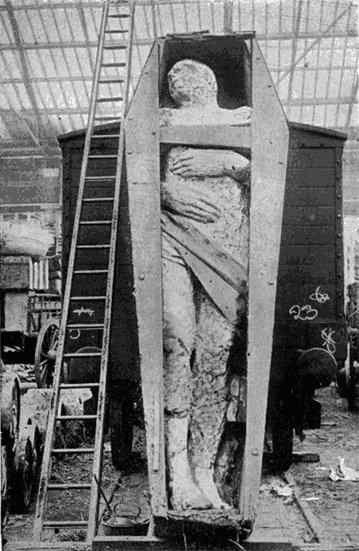 Gigants of the Past . . .
 The Artistic Mind: Artist Isaac Salazar Really Goes All Out! We All Loved To Bend Book Pages As Kids
 What Exactly Happened During the Reigns of These Three Presidents?
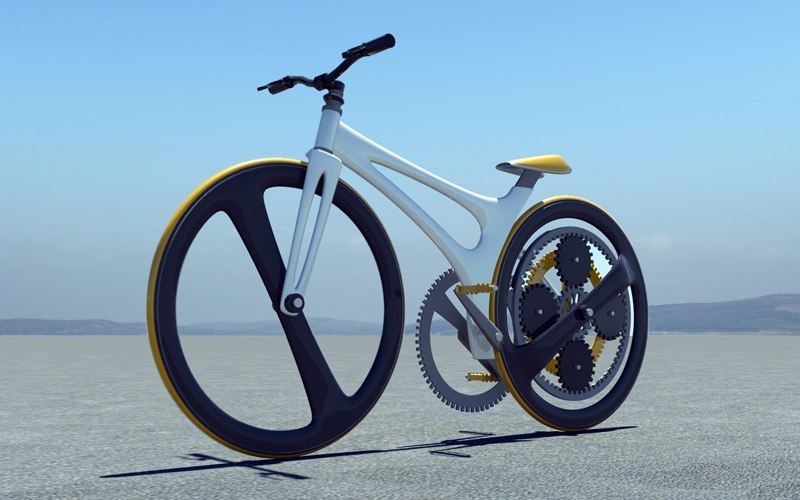 Have the Bicycle Been Invented Again?
 The World's Smallest Mother
 1908 Olympic Games in London
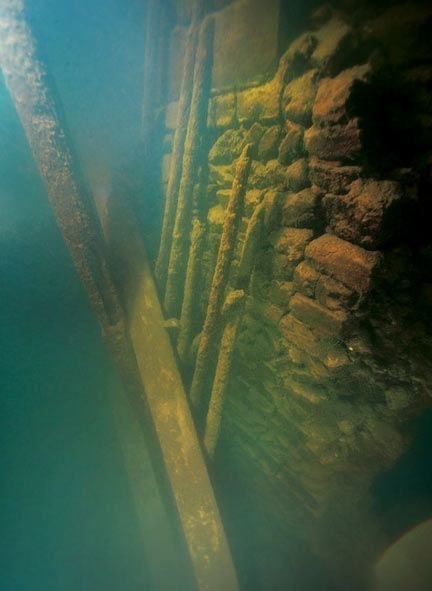 At the bottom of Qiandaohu Lake lie the ruins of a mysterious ancient city with a history spanning thousands of years
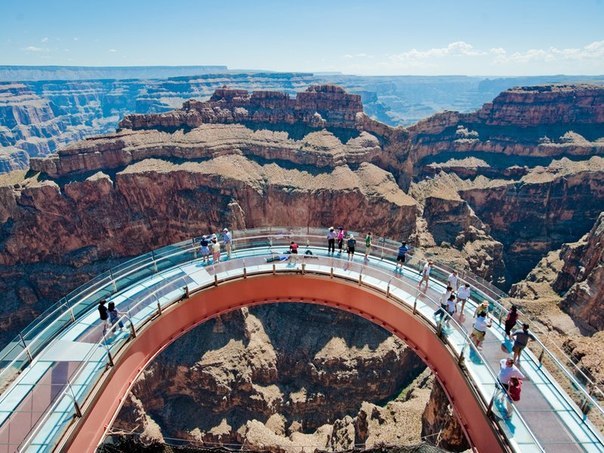 Skywalk
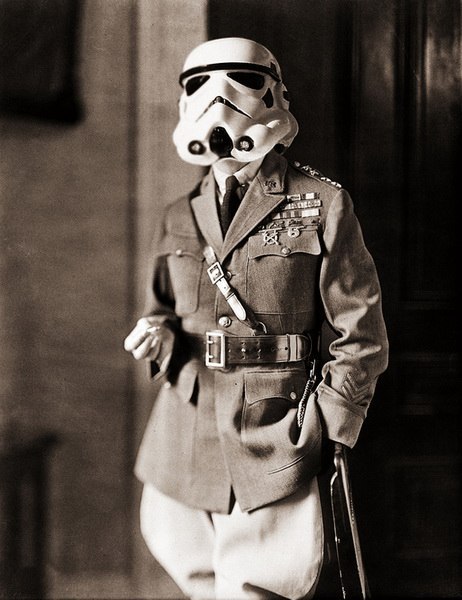 Remade Stories with Pop Heroes
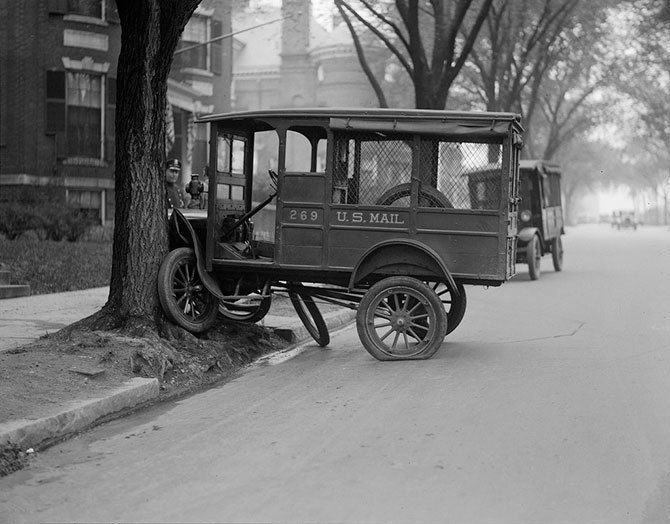 In the early 20th century, cars still resembled horse-drawn carriages and were devoid of any safety features. The speed of all vehicles did not exceed 30 km/h, and there were far fewer cars on the roads than today. However,</p>\n "home_text": "<p>even under such conditions, collisions and other traffic accidents were inevitable.</p><p>These photos were taken in the 1920s and 1930s in Boston, USA. As you can see, at that time, traffic accidents were a common occurrence, affecting perhaps an enti
 Northern Lights