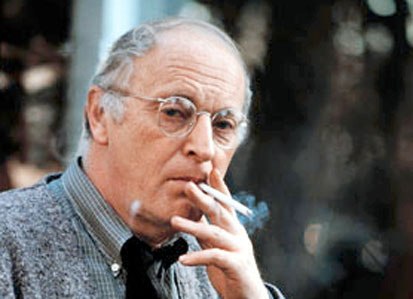
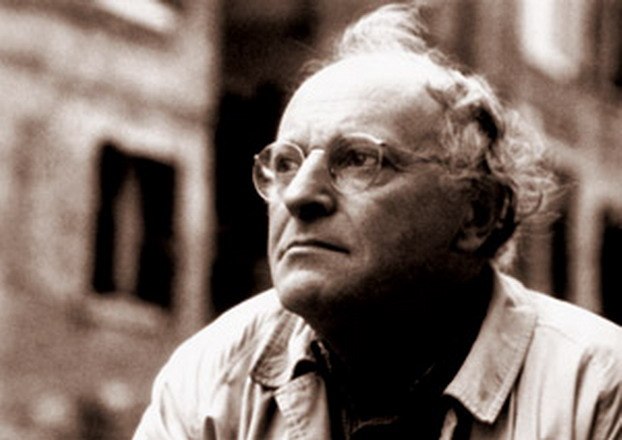
In the years of Soviet stagnation, he was forced to leave the country and lived in America. In 1987, Brodsky received the Nobel Prize in Literature, which was awarded to him for “his comprehensive creative work, characterized by the purity of his thinking and the brilliance of his poetry.” At the time of the award ceremony...2 photos
With the beginning of the Perestroika in the Soviet Union, Brodsky’s poems began to be published, along with articles about him, and books were released. In 1995, he was awarded the title of Honorary Citizen of Saint Petersburg, and in 2005, the first monument to this great poet was erected in the city on the Neva River....
Yosif Aleksandrovich Brodsky was born on May 24, 1940, in Leningrad. He, the most “un-Soviet” citizen of the Soviet Union, was named Yosif in honor of “the Father of All Nations.”
Yosif wrote his first poems at the age of 16. The inspiration for this came from reading a collection of Boris Slutsky’s poetry. In 1959, after encountering the works of Evgeny Baratynsky, Brodsky became even more determined to dedicate himself to poetic creation.
In the early 1960s, Yosif Aleksandrovich became familiar with the poetry of the English metaphysical poet John Donne. From Donne and other metaphysical poets, Brodsky adopted a particular stylistic approach—what are known as “conceptual metaphors” (from the Italian term for “concept”). These metaphorical techniques form the basis of nearly all his works.
On November 29, 1963, an article titled “The Literati’s Scourge” was published in the newspaper “Evening Leningrad,” criticizing Brodsky’s work. In 1964, Yosif Aleksandrovich was arrested on charges of “idleness.” He spent his exile in the village of Norinskaya in Arkhangelsk Oblast. Even during this time, he continued to write; poems such as “The Sound of the Rain,” “Song,” “Winter Mail,” and “To a Certain Poetess” were written during these years.
Instead of the five years prescribed by the sentence, the poet spent one and a half years in exile. Thanks to the support of Anna Akhmatova, Mikhail Shostakovich, and other artists, he was able to return to Leningrad.
In 1972, Yosif Aleksandrovich emigrated from the Soviet Union. He went to the United States, where he gained recognition and the necessary conditions for literary activity. He taught Russian literature at universities and colleges, continuing to write poetry in Russian and prose in English. In December 1987, he was awarded the Nobel Prize in Literature, and in 1992, he received the title of Library of Congress Laureate.
Yosif Aleksandrovich Brodsky died of a heart attack on January 28, 1996, at the age of 55 in New York, USA. He is buried in the Protestant section of the San Michele Island Cemetery in Venice.
Find the Best Professionals for Your Project
Expert repair, construction, and renovation specialists ready to help you right now
Recommended Galleries
Recommended articles



More Galleries
 A Woman as the Guardian of the Family Hearth
 Color Compatibility and Shades
 5 Lakes with Water of Amazing Colors
 Beachy Head - at the edge of the earth
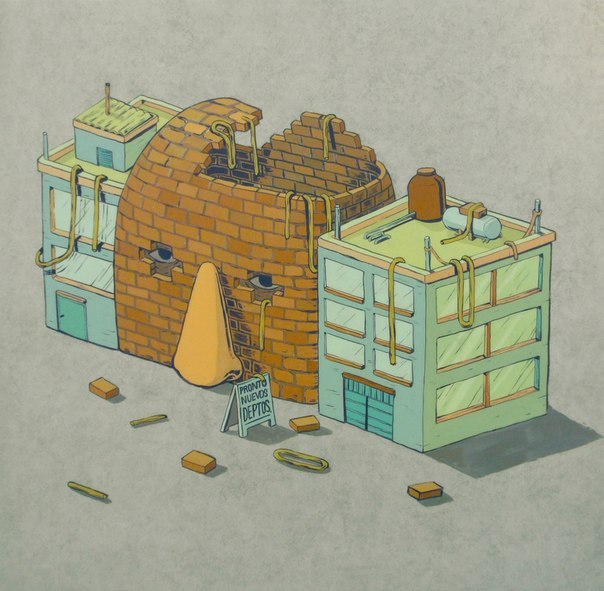 Brain Drain and the Deconstruction of Humanity in Smith's Artwork
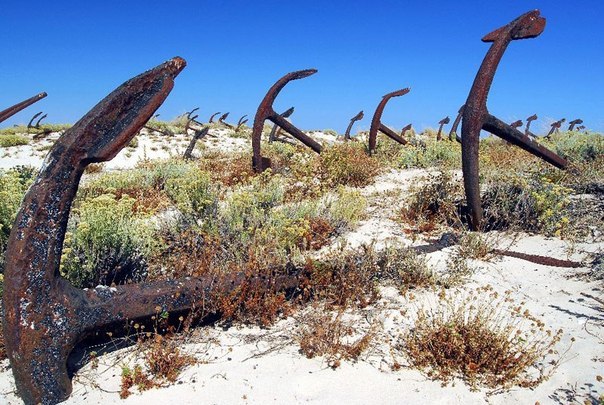 「Cemetery of Anchors」 – that's how the Portuguese call the cemetery where anchors are laid to rest on one of the beaches of Tavira Island,</td>\n "home_text": "<p>Tavira Island is a bustling fishing port where, for centuries, local residents have been catching tuna. The fishing technique was invented by the Phoenicians: they used large nets attached to anchors to catch their prey. For a long time, the fishery industry sustained the island's population until the natural resources of its coastal
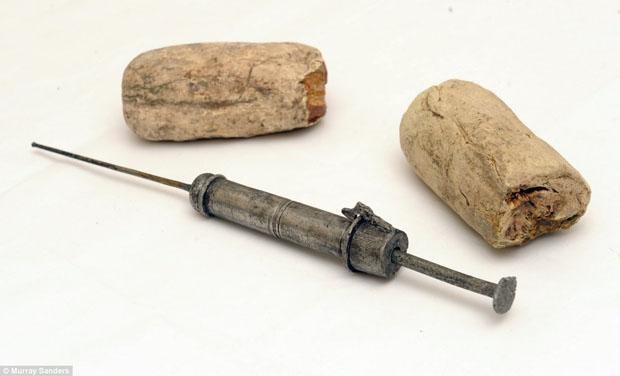 Horrible Medical Instruments of the Past
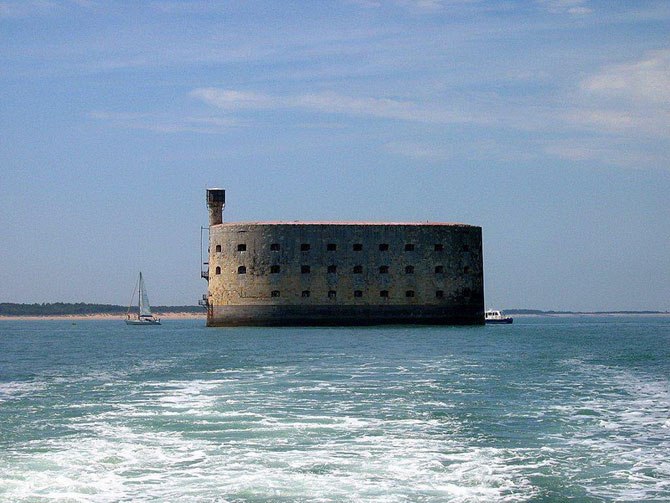 The History of Fort Bayar
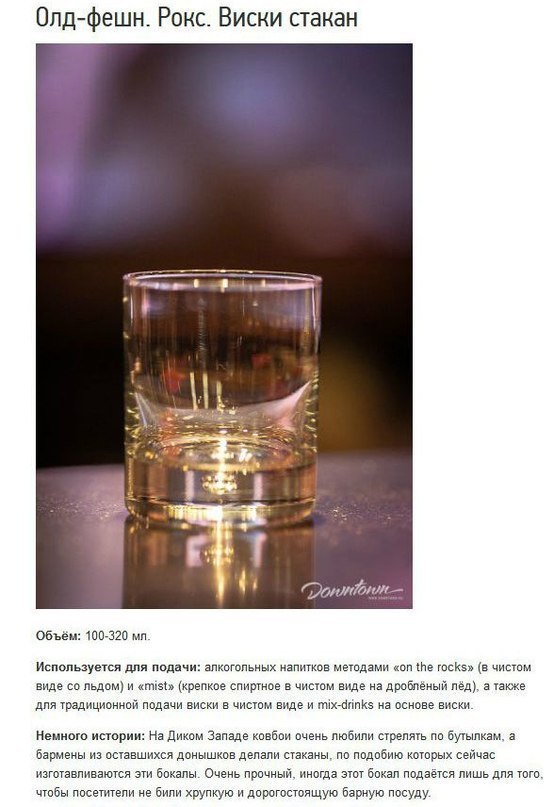 Types of Glasses and Their Uses
 Waterscraper: The Floating City-Aisle
 Water Hairpieces
 Ellora Caves in India