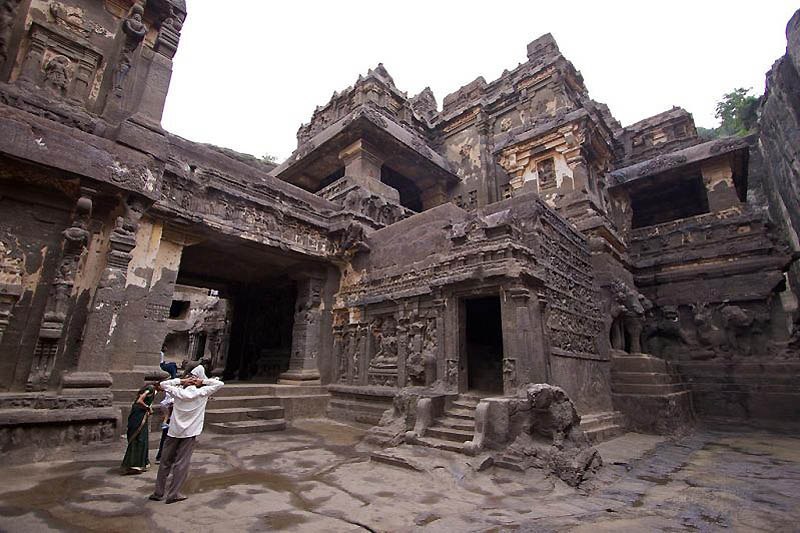
Ellora Caves in India9 photos
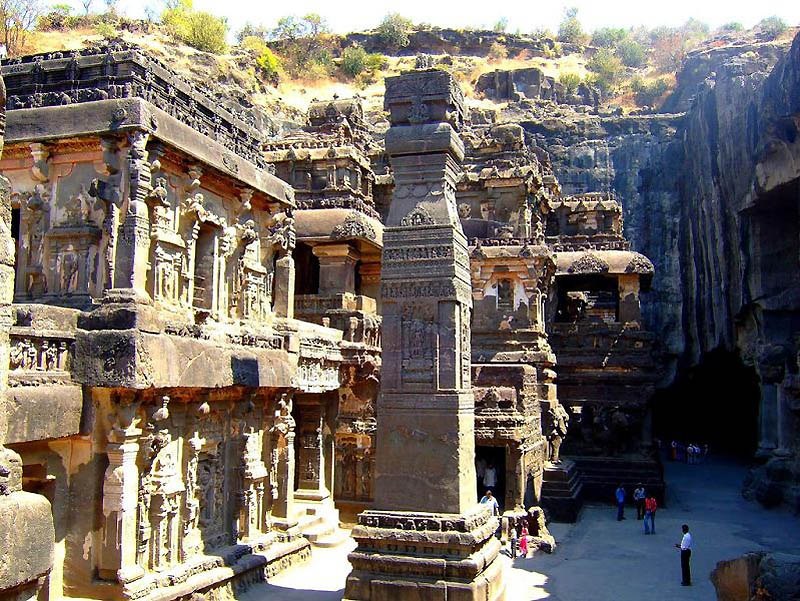
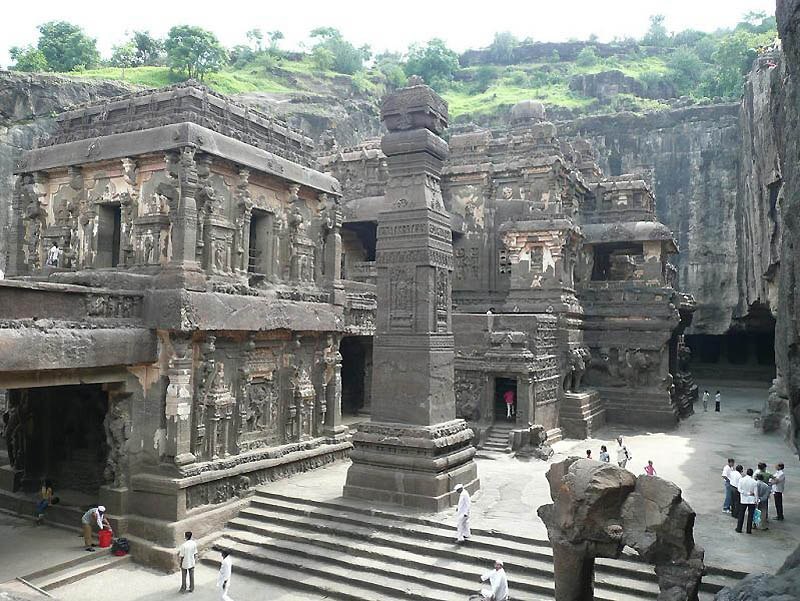
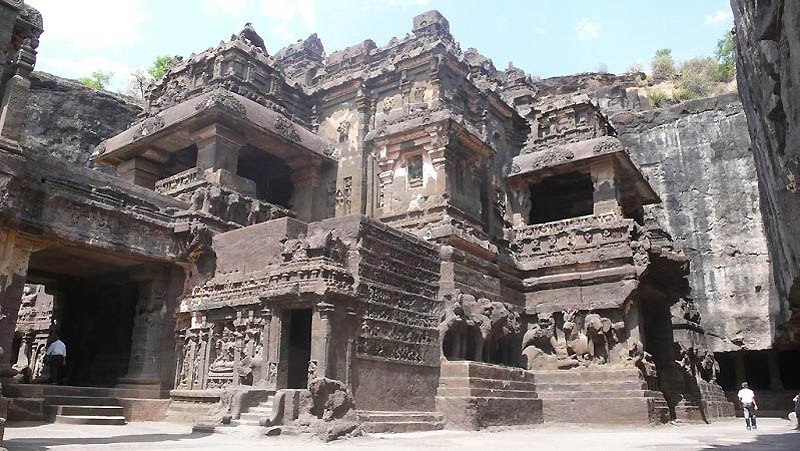
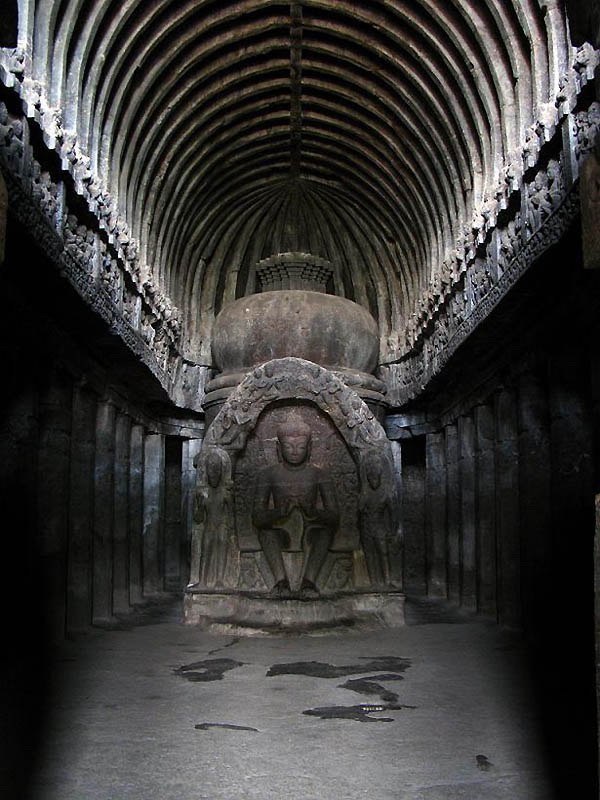
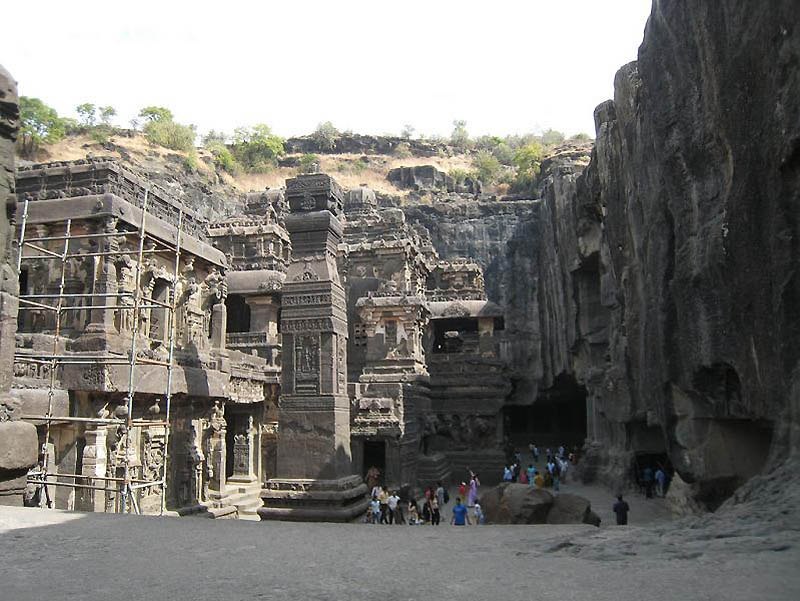
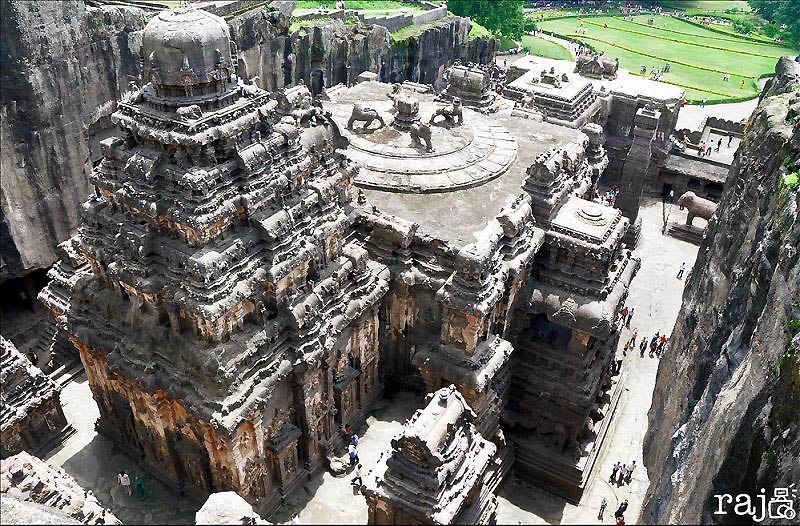
These caves are a testament to the religious harmony that existed in India during this period. Ellora Caves are the most popular ancient attractions in the state and a must-see for every tourist.
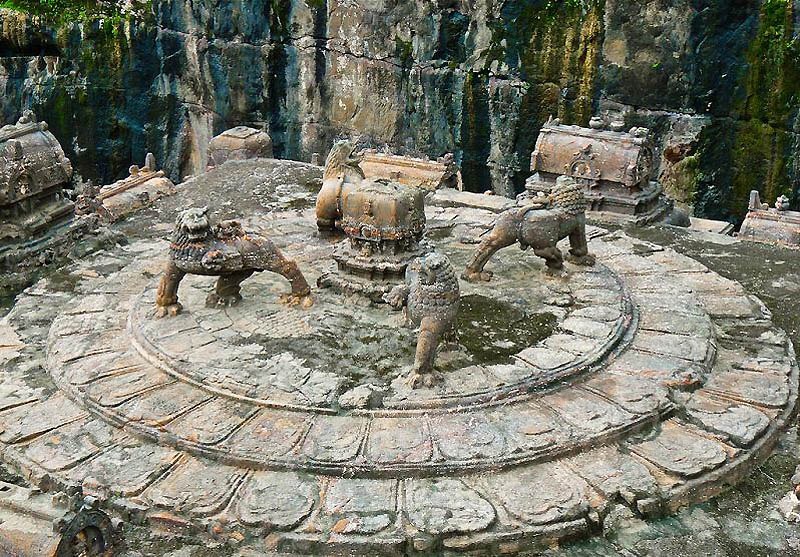
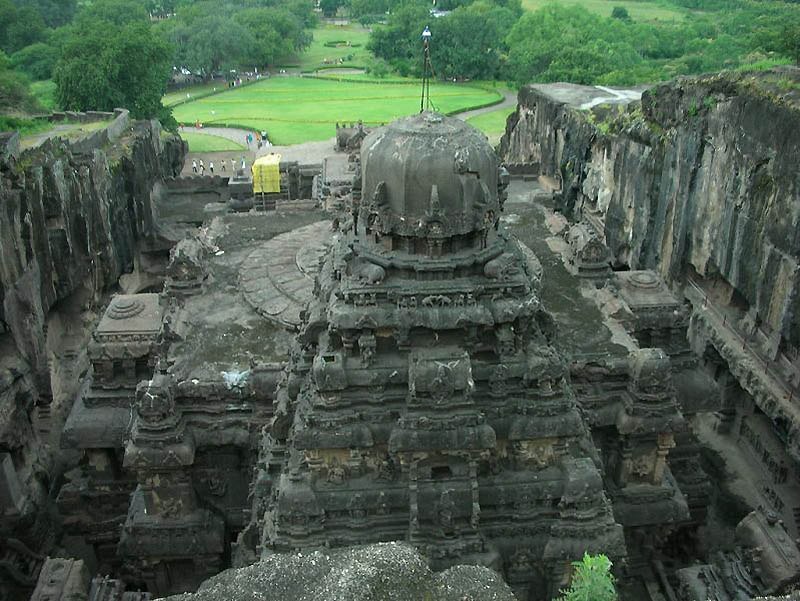
The Buddhist caves (Vishvakarma) are the earliest among all the caves in Ellora, dating back to between 500 and 750 AD. All but one of these caves serve as monasteries, where teachings, meditation, public rituals, meals, and lodging took place. The earliest Hindu caves were built around the year 600 AD, during the peak of Buddhism. Created during a time of flourishing and revival for Hinduism, these Hindu caves represent a completely different style of artistic craftsmanship compared to the Buddhist caves. The Hindu temples were carved from top to bottom, and it took multiple generations to complete them. There are a total of 17 Hindu caves in this complex, built between 600 and 870 AD. They are located in the center of the cave complex, surrounding the famous Kailasa Temple. All these caves are dedicated to the god Shiva, but they also feature several depictions of Vishnu and his various incarnations. (Srinivas Padma)
Find the Best Professionals for Your Project
Expert repair, construction, and renovation specialists ready to help you right now
Recommended Galleries
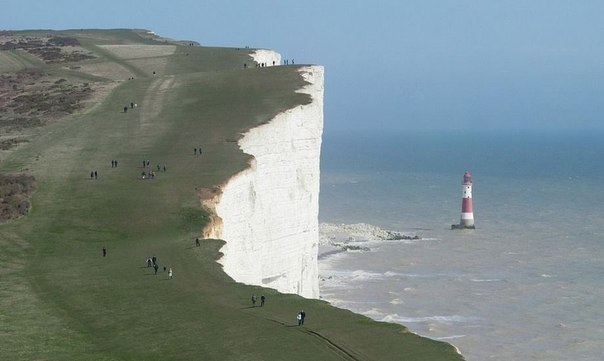
Beachy Head - at the edge of the earth
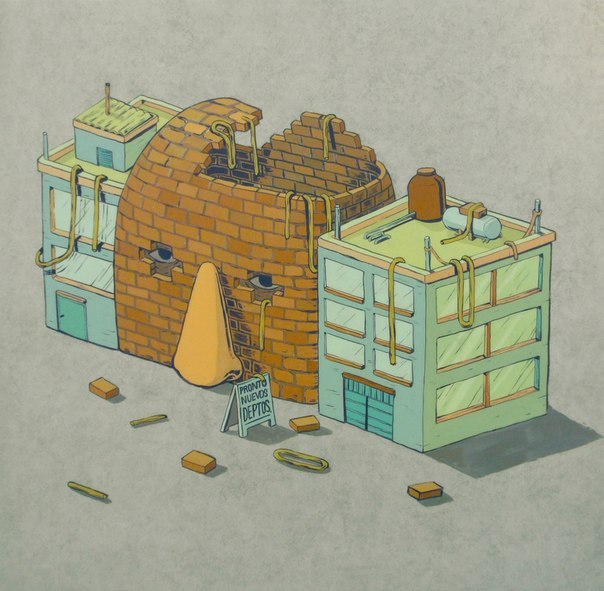
Brain Drain and the Deconstruction of Humanity in Smith's Artwork
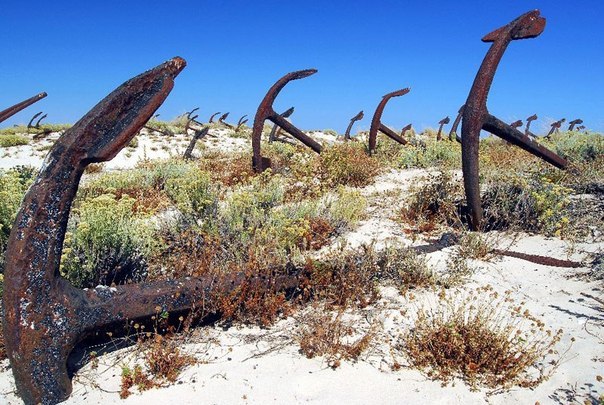
「Cemetery of Anchors」 – that's how the Portuguese call the cemetery where anchors are laid to rest on one of the beaches of Tavira Island,</td>\n "home_text": "<p>Tavira Island is a bustling fishing port where, for centuries, local residents have been catching tuna. The fishing technique was invented by the Phoenicians: they used large nets attached to anchors to catch their prey. For a long time, the fishery industry sustained the island's population until the natural resources of its coastal
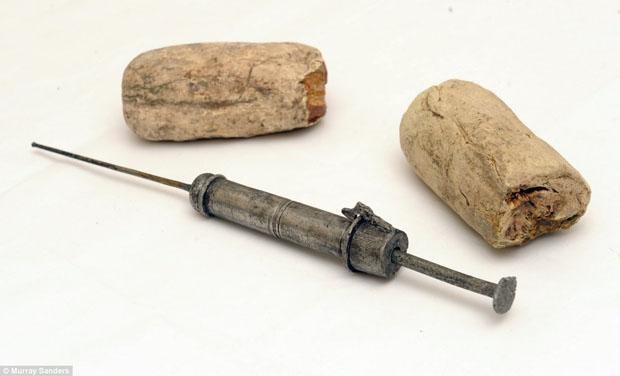
Horrible Medical Instruments of the Past
Recommended articles




More Galleries
- Beachy Head - at the edge of the earth
- Brain Drain and the Deconstruction of Humanity in Smith's Artwork
- 「Cemetery of Anchors」 – that's how the Portuguese call the cemetery where anchors are laid to rest on one of the beaches of Tavira Island,</td>\n "home_text": "<p>Tavira Island is a bustling fishing port where, for centuries, local residents have been catching tuna. The fishing technique was invented by the Phoenicians: they used large nets attached to anchors to catch their prey. For a long time, the fishery industry sustained the island's population until the natural resources of its coastal
- Horrible Medical Instruments of the Past
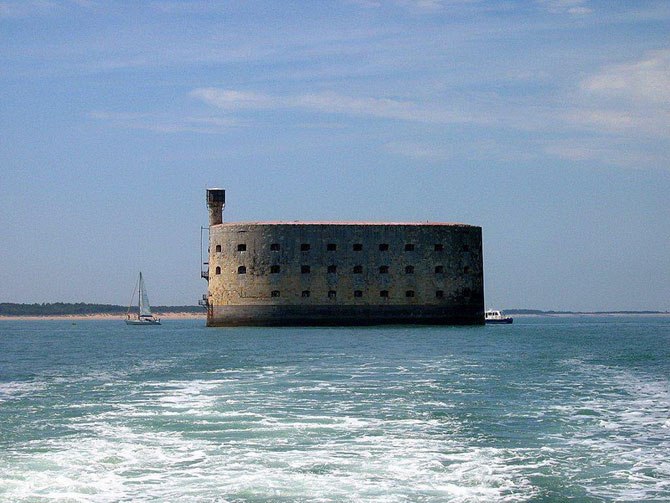 The History of Fort Bayar
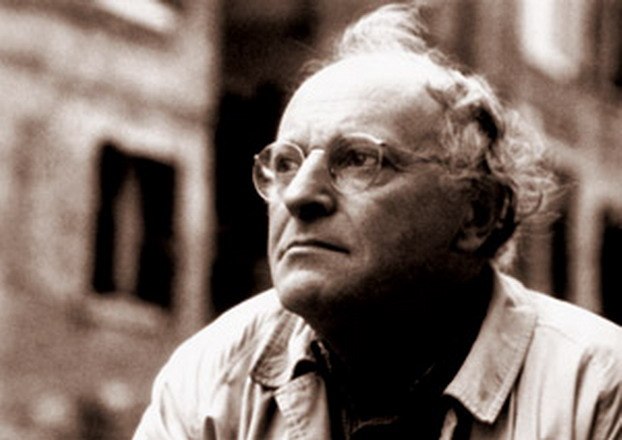 In the years of Soviet stagnation, he was forced to leave the country and lived in America. In 1987, Brodsky received the Nobel Prize in Literature, which was awarded to him for “his comprehensive creative work, characterized by the purity of his thinking and the brilliance of his poetry.” At the time of the award ceremony...
 Types of Glasses and Their Uses
 Waterscraper: The Floating City-Aisle
 Water Hairpieces
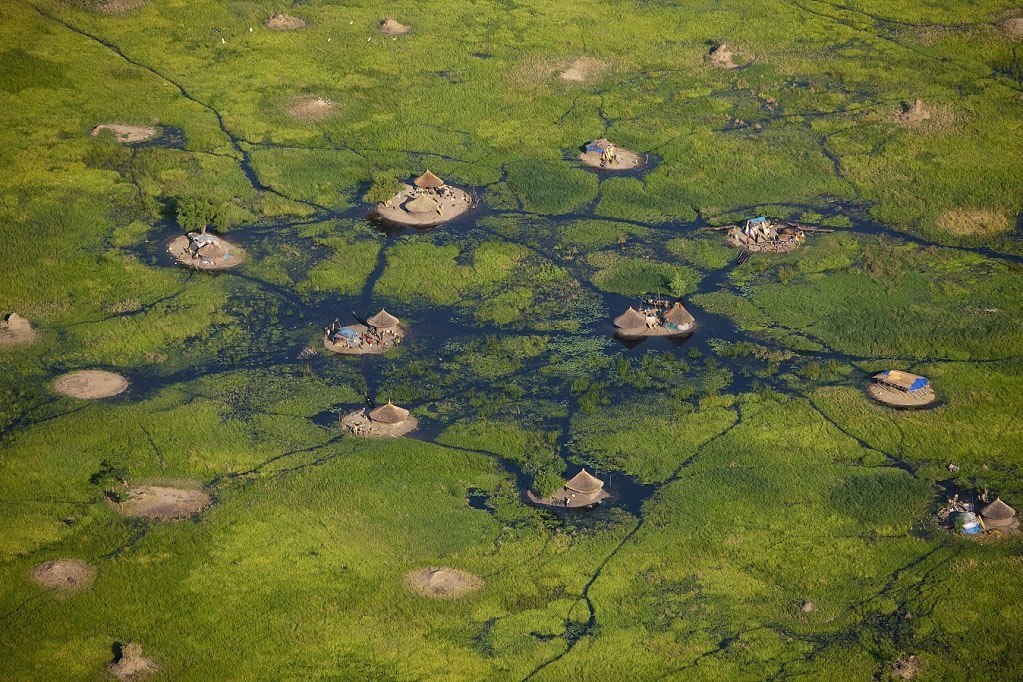 The Impenetrable Swamps of Sudd in Southern Sudan
 Summer
 Famous Artists and Their Cats