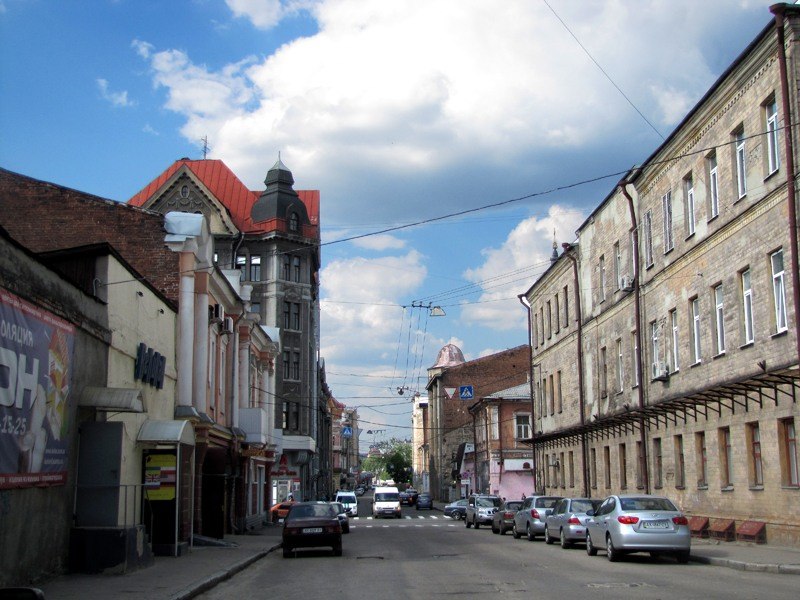
Office District – a sanctuary for the old city of Kharkov<br>(How Zalopan’, a rural area once, <br>became a prestigious commercial district.)6 photos
Kontorskaia – a sanctuary of old Kharkov
(How Zalopan, once a rural area, became
a prestigious merchant district.)
Before us lay the mysterious Zalopan:
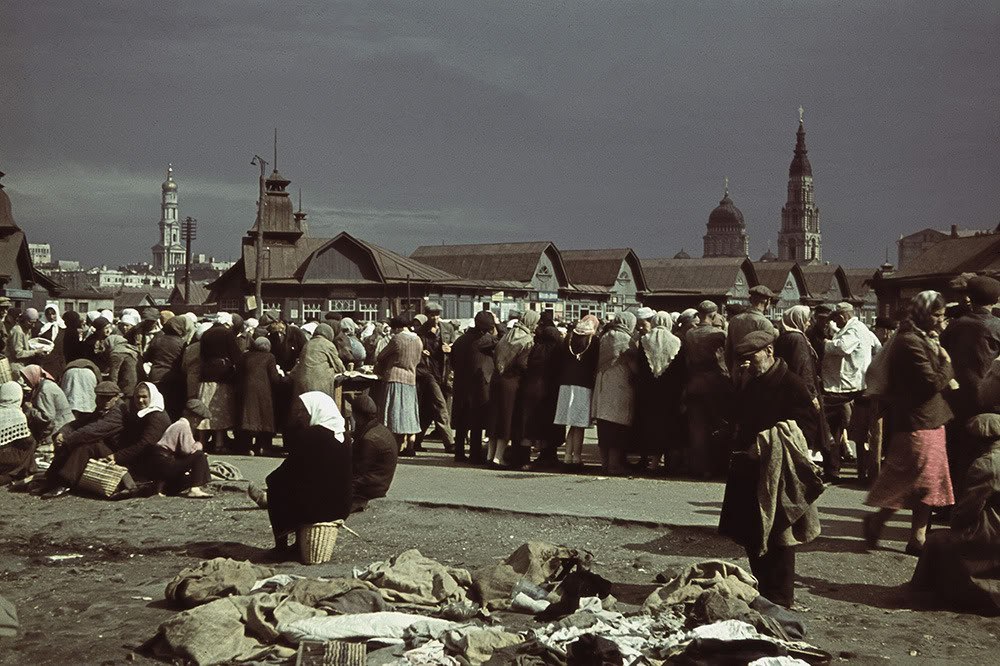
an area filled with marshy meadows, market stalls, and merchant quarters.
In the late 17th century, settlements began to emerge around Kharkov Fortress. The first such settlement was called Zalopanskaia and was located in what are now Chobotarskaya, Krasnooktiabrskaya, and Yaroslavskaya streets. This territory became part of the city thanks to Peter the Great. On the eve of the Battle of Poltava in 1709, the tsar inspected the fortress and ordered its fortification and expansion, in case troops had to retreat there after the battle against the Swedes.
“A second line of defenses was added to the city boundaries. Kharkov expanded mainly in the western direction—from Klokhkovskaya, which lay along the walls, all the way to the area where today’s Southern Station stands,” says local historian Maxim Rosenfeld.
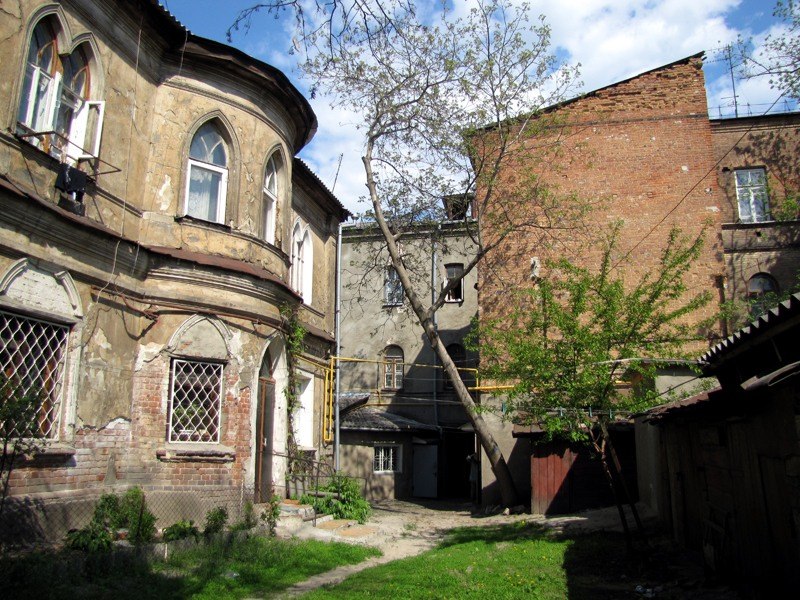
In the 18th century, the main streets of this district were laid out. One of the oldest is Krasnooktiabrskaya, formerly known as Kontorskaia. Local historians call it a true “sanctuary” of old Kharkov—buildings from 250 years ago still stand along its length. At that time, craftsmen gradually began to replace the rural population in Zalopan. The street names retain the unique character of that era: shoemakers lived on Chobotarskaya, potters on the nearby Gontcharovka, which later became famous due to Kvitka-Osновьянenko; the reputation of weavers from Kocarskaya spread throughout the empire.
“Today, many signs spell the name with an ‘a’—like Katsarskaya. But that’s incorrect. The street name comes from the word ‘koц’—these were carpets with long fur,” explains Mikhail Krasikov, an expert on Kharkov’s history. “Women specialized in making these carpets, and no similar ones were produced in any other provinces.”
There is a story that the imperial court once showed interest in Kharkov’s koц carpets and ordered 500 pieces. But they couldn’t reach an agreement on price, and the deal never happened. By the end of the 19th century, these carpets had fallen out of fashion, and the craft of making them became something exotic in Kharkov.
The transformation of a dilapidated area into a business center
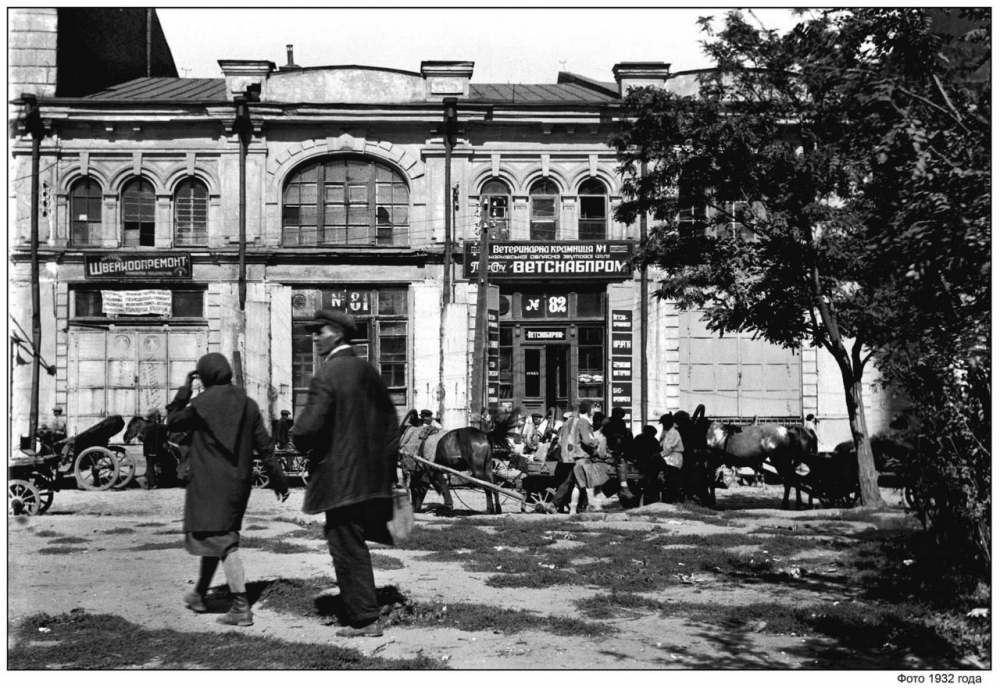
In the 1830s, an important event changed Zalopan’s fate: the market, which was previously located where today’s Proletarskaya Square is, moved elsewhere. The market stalls extended from Blagoveshchenskaya Square to what is now the Trade House. In its former location lay marshy meadows called “Peskunovskaya Levada.”
“The old course of the Lopan stream was winding. In spring, during floods, small lakes would merge into larger bodies of water that extended all the way to Gontcharovka,” says Aleksey Khoroshkovaty, chairman of the city council’s toponymic committee.
The largest lake used to be located where today’s Youth Theater is—that’s why the square in front of the theater has such a peculiar shape; it follows the contours of the former lake bed.
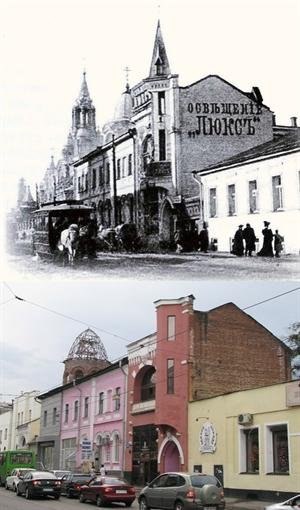
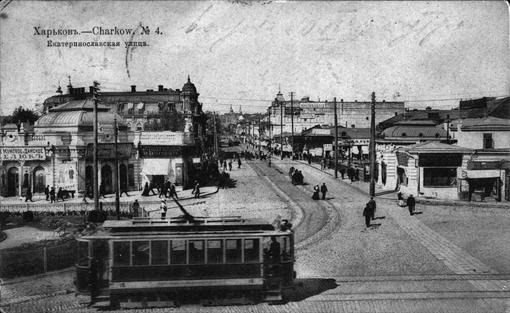
By the first half of the 19th century, the lakes and meadows had been drained. Merchants and early industrialists in Kharkov flocked to this area, making it the most prestigious and prosperous district after Nagorni. Mansions were built along the Poltava Road (then called Ekaterinoslavskaya Street), mostly by wealthy merchants. This was a district of contrasts—next to respectable noble and merchant homes lay areas of poverty.
“The areas around Blagoveshchensky Cathedral were always troubled. There was a market for seasonal labor; most of the people employed there were poor, so the area was often filled with vagrants,” says Maxim Rosenfeld.
The district also had its “gem” — the Second Men’s Gymnasium, located on Blagoveshchenskaya Square. This institution trained the city’s scientific elite. All the later rectors and professors of Kharkov University graduated from here. During the war, the building was completely destroyed; today, a parking lot occupies its site.
By the end of the 19th century, Zalopan began to change dramatically. The remnants of the former craft community disappeared entirely—shoe and carpet workshops were replaced by sewing, pharmacy, confectionery factories, and other businesses. At the same time, Rozhdestvenskaya Street (today’s Engelsa Street) was lined with buildings in the northern modernist style; what used to be offices for trading companies now stood there. The rural area had transformed into Kharkov’s business center. Even after the revolution, when memories of merchants faded, Zalopan remained a district dominated by factories, mills, and offices.
The land was purchased from the church
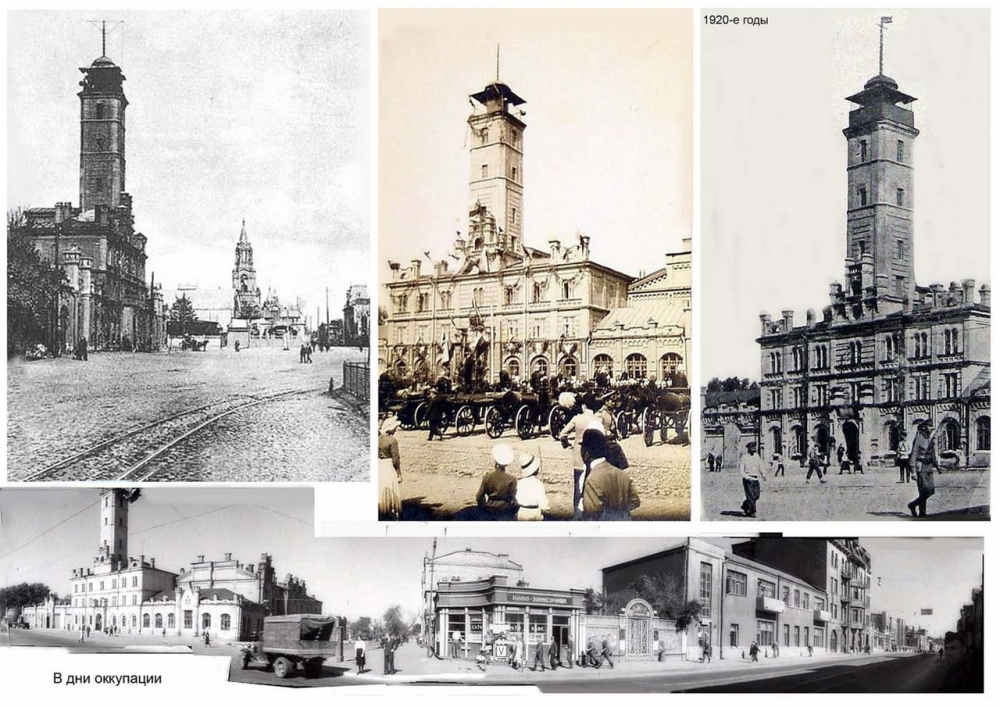
The construction of the railway station gave a major boost to the district’s development. Regular train service began in Kharkov in 1869. Before that, the area where the tracks and depot were located was used as an archiepiscopal pasture—cattle were grazed there, and vegetables were grown for the bishop’s needs. When the railway was built, the land belonging to the church was purchased.
The arrival of the railway transformed Ekaterinoslavskaya Street. Private mansions of merchants and minor nobles were replaced by hotels and boarding houses along what is now Poltava Road.
“When people got off the train, cab drivers would take them straight here—they wanted to make a quick profit without going all the way to the city center,” says Rosenfeld.
So in the early days of the railway, this street became a symbol of Kharkov’s prosperity.
In the area around Blagoveshchensky Market, there were many theaters and circuses in the mid-19th century. In 1911, a truly immense venue opened here—the Mussuri Theater or Circus. It was the largest theater in Europe, capable of accommodating 6,000 spectators. Once, Shalyapin performed there, but that didn’t save it from bankruptcy—the theater was never fully occupied. After the revolution, political leaders like Krupskaya and Dzerzhinsky gave speeches here.
The building on Karl Marx Street caught fire several times and is now considered a dangerous structure; it has been removed from the list of architectural monuments. The Mussuri Theater, however, stands as a testament to the entrepreneurial spirit of Zalopan’s residents.
Source: kh.vgorode.ua
#1stolica_history
(How Zalopan, once a rural area, became
a prestigious merchant district.)
Before us lay the mysterious Zalopan:
an area filled with marshy meadows, market stalls, and merchant quarters.
In the late 17th century, settlements began to emerge around Kharkov Fortress. The first such settlement was called Zalopanskaia and was located in what are now Chobotarskaya, Krasnooktiabrskaya, and Yaroslavskaya streets. This territory became part of the city thanks to Peter the Great. On the eve of the Battle of Poltava in 1709, the tsar inspected the fortress and ordered its fortification and expansion, in case troops had to retreat there after the battle against the Swedes.
“A second line of defenses was added to the city boundaries. Kharkov expanded mainly in the western direction—from Klokhkovskaya, which lay along the walls, all the way to the area where today’s Southern Station stands,” says local historian Maxim Rosenfeld.
In the 18th century, the main streets of this district were laid out. One of the oldest is Krasnooktiabrskaya, formerly known as Kontorskaia. Local historians call it a true “sanctuary” of old Kharkov—buildings from 250 years ago still stand along its length. At that time, craftsmen gradually began to replace the rural population in Zalopan. The street names retain the unique character of that era: shoemakers lived on Chobotarskaya, potters on the nearby Gontcharovka, which later became famous due to Kvitka-Osновьянenko; the reputation of weavers from Kocarskaya spread throughout the empire.
“Today, many signs spell the name with an ‘a’—like Katsarskaya. But that’s incorrect. The street name comes from the word ‘koц’—these were carpets with long fur,” explains Mikhail Krasikov, an expert on Kharkov’s history. “Women specialized in making these carpets, and no similar ones were produced in any other provinces.”
There is a story that the imperial court once showed interest in Kharkov’s koц carpets and ordered 500 pieces. But they couldn’t reach an agreement on price, and the deal never happened. By the end of the 19th century, these carpets had fallen out of fashion, and the craft of making them became something exotic in Kharkov.
The transformation of a dilapidated area into a business center
In the 1830s, an important event changed Zalopan’s fate: the market, which was previously located where today’s Proletarskaya Square is, moved elsewhere. The market stalls extended from Blagoveshchenskaya Square to what is now the Trade House. In its former location lay marshy meadows called “Peskunovskaya Levada.”
“The old course of the Lopan stream was winding. In spring, during floods, small lakes would merge into larger bodies of water that extended all the way to Gontcharovka,” says Aleksey Khoroshkovaty, chairman of the city council’s toponymic committee.
The largest lake used to be located where today’s Youth Theater is—that’s why the square in front of the theater has such a peculiar shape; it follows the contours of the former lake bed.
By the first half of the 19th century, the lakes and meadows had been drained. Merchants and early industrialists in Kharkov flocked to this area, making it the most prestigious and prosperous district after Nagorni. Mansions were built along the Poltava Road (then called Ekaterinoslavskaya Street), mostly by wealthy merchants. This was a district of contrasts—next to respectable noble and merchant homes lay areas of poverty.
“The areas around Blagoveshchensky Cathedral were always troubled. There was a market for seasonal labor; most of the people employed there were poor, so the area was often filled with vagrants,” says Maxim Rosenfeld.
The district also had its “gem” — the Second Men’s Gymnasium, located on Blagoveshchenskaya Square. This institution trained the city’s scientific elite. All the later rectors and professors of Kharkov University graduated from here. During the war, the building was completely destroyed; today, a parking lot occupies its site.
By the end of the 19th century, Zalopan began to change dramatically. The remnants of the former craft community disappeared entirely—shoe and carpet workshops were replaced by sewing, pharmacy, confectionery factories, and other businesses. At the same time, Rozhdestvenskaya Street (today’s Engelsa Street) was lined with buildings in the northern modernist style; what used to be offices for trading companies now stood there. The rural area had transformed into Kharkov’s business center. Even after the revolution, when memories of merchants faded, Zalopan remained a district dominated by factories, mills, and offices.
The land was purchased from the church
The construction of the railway station gave a major boost to the district’s development. Regular train service began in Kharkov in 1869. Before that, the area where the tracks and depot were located was used as an archiepiscopal pasture—cattle were grazed there, and vegetables were grown for the bishop’s needs. When the railway was built, the land belonging to the church was purchased.
The arrival of the railway transformed Ekaterinoslavskaya Street. Private mansions of merchants and minor nobles were replaced by hotels and boarding houses along what is now Poltava Road.
“When people got off the train, cab drivers would take them straight here—they wanted to make a quick profit without going all the way to the city center,” says Rosenfeld.
So in the early days of the railway, this street became a symbol of Kharkov’s prosperity.
In the area around Blagoveshchensky Market, there were many theaters and circuses in the mid-19th century. In 1911, a truly immense venue opened here—the Mussuri Theater or Circus. It was the largest theater in Europe, capable of accommodating 6,000 spectators. Once, Shalyapin performed there, but that didn’t save it from bankruptcy—the theater was never fully occupied. After the revolution, political leaders like Krupskaya and Dzerzhinsky gave speeches here.
The building on Karl Marx Street caught fire several times and is now considered a dangerous structure; it has been removed from the list of architectural monuments. The Mussuri Theater, however, stands as a testament to the entrepreneurial spirit of Zalopan’s residents.
Source: kh.vgorode.ua
#1stolica_history
Find the Best Professionals for Your Project
Expert repair, construction, and renovation specialists ready to help you right now
Recommended Galleries
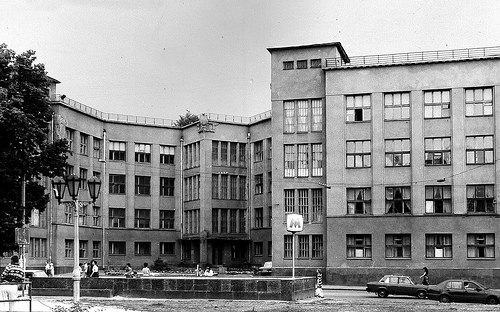
82 Pushkin Street, Institute of Medical Radiology. (1930). <br>Style: Constructive Art Deco.
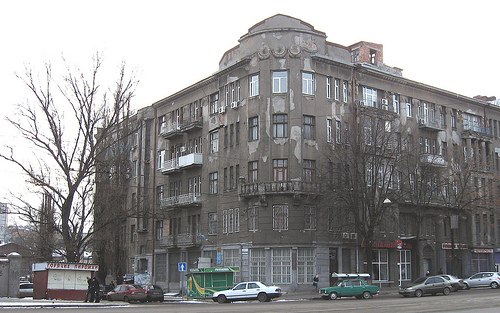
47/49 Poltavskiy Shlyakh.<br>Former Feldman Income House and private clinic (1918).
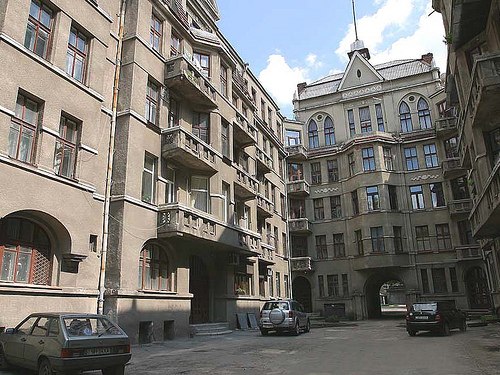
6 Artyom Street, “Red Banker” Residential Building (1928). <br>Designed in collaboration with architect Andrusenko. <br>Style: Decorative Art Deco.
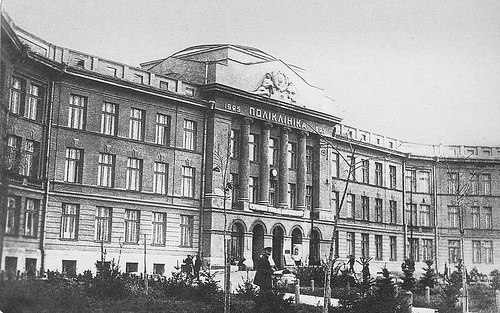
Moscow Street, 197
Recommended articles


More Galleries
- 82 Pushkin Street, Institute of Medical Radiology. (1930). <br>Style: Constructive Art Deco.
- 47/49 Poltavskiy Shlyakh.<br>Former Feldman Income House and private clinic (1918).
- 6 Artyom Street, “Red Banker” Residential Building (1928). <br>Designed in collaboration with architect Andrusenko. <br>Style: Decorative Art Deco.
- Moscow Street, 197
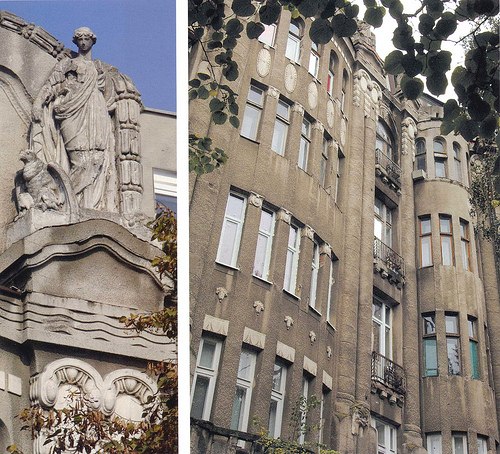 22a Poltavskiy Shlyakh. Former income-producing property owned by the Kats brothers (1914).
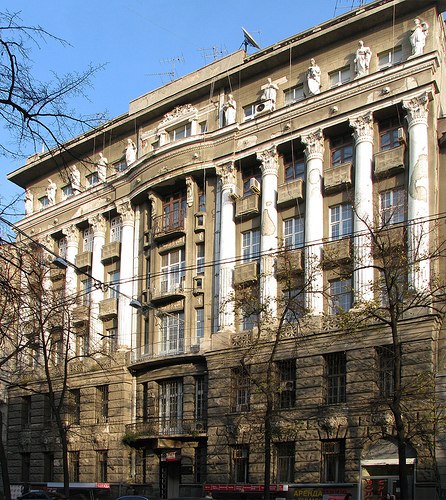 82 Sumskaya Street. Former Moshevich Income House (1914). <br>Style: Neorenaissance.
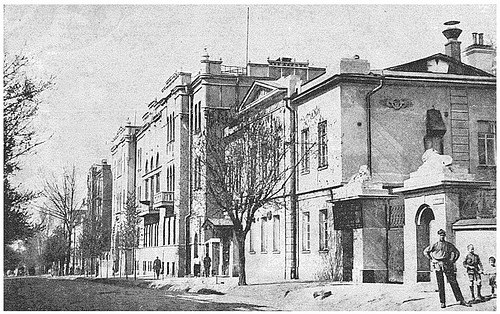 On the level of education
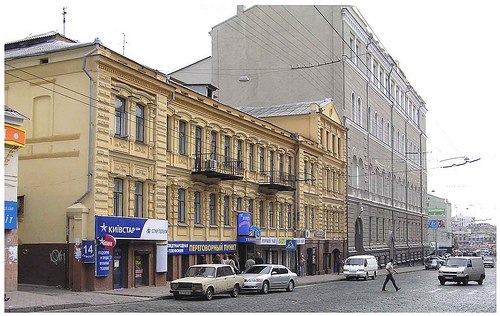 The Story of One House at 14 Sumskaya Street
 #
#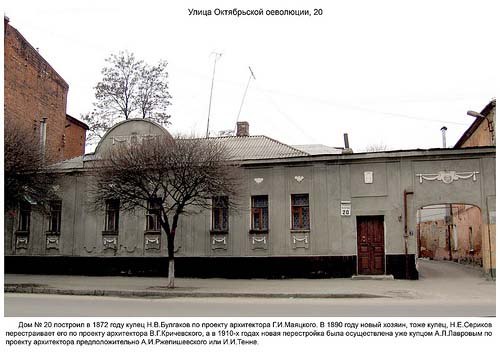 20 Oktyabrskoy Revolutsii Street
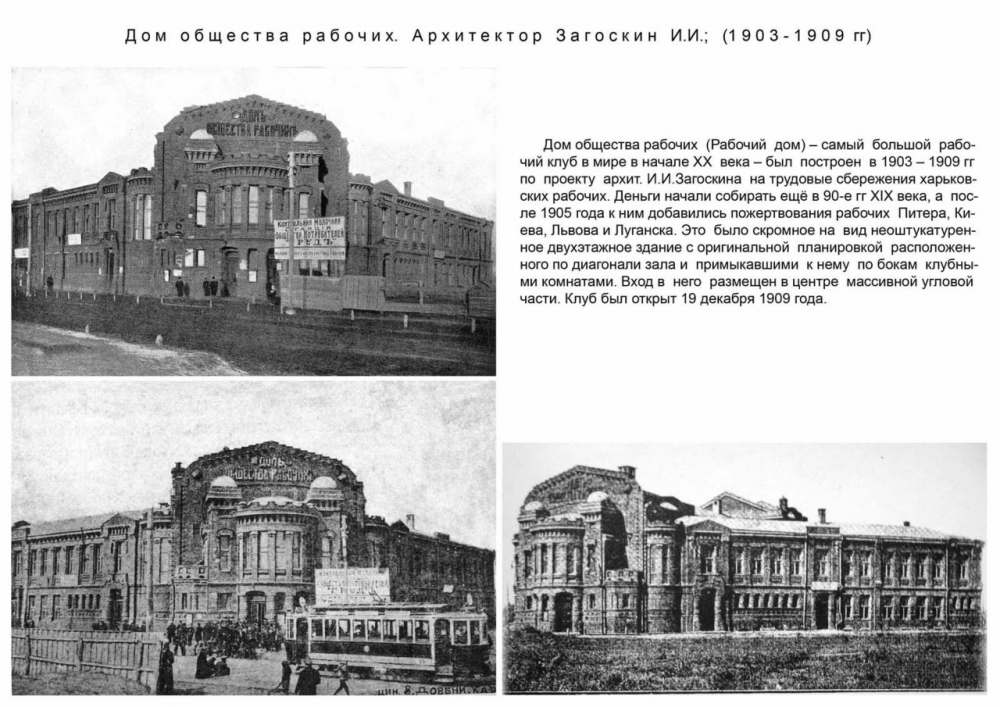 「The Workers' Home」
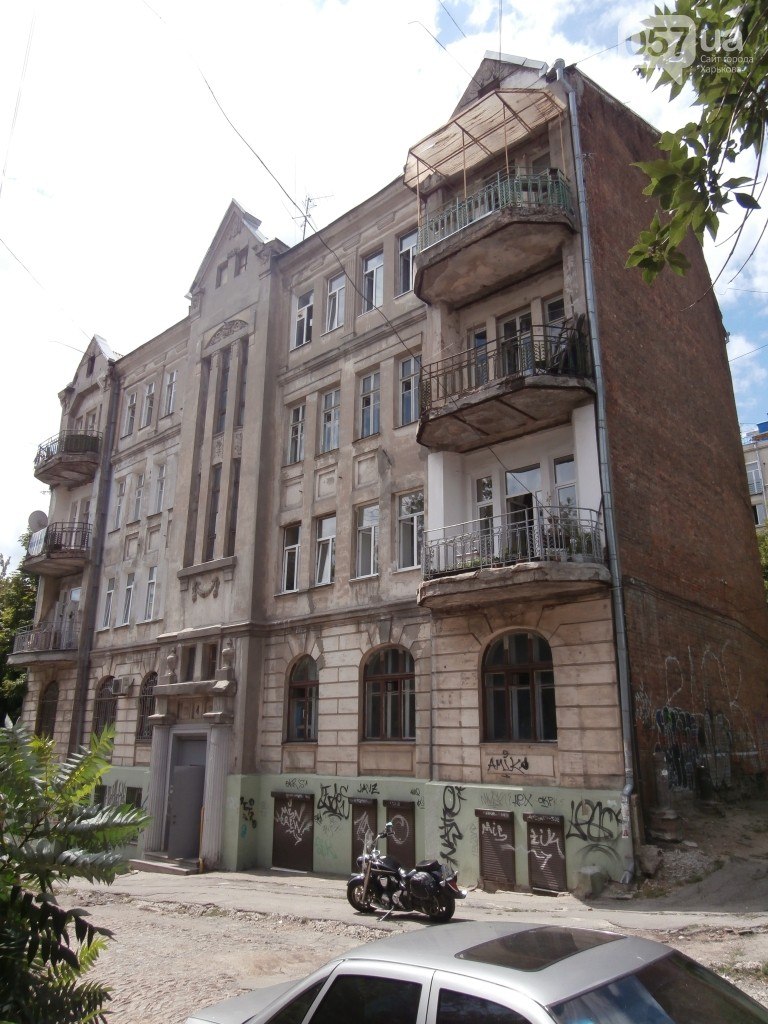 A House with a Mini-Temple inside It, That “Participated”<br>(Translation by Vorobeyeva, Part 2)