A House with a Mini-Temple inside It, That “Participated”<br>(Translation by Vorobeyeva, Part 2)8 photos
A House with a Mini-Temple, “That Participated”
(Translation by Vorobieva, Part 2)
One of the oldest districts of Kharkov – a beautiful and quiet alley where even the road surface remains paved with cobblestones to this day. It was named after a renowned scientist-anatomist from Kharkov Medical Institute, Honored Professor of the USSR, and Academician of the Ukrainian SSR Academy of Sciences, Vladimir Vorobieva.
He was the author of the first Soviet “Atlas of Human Anatomy” and, in the turbulent year of 1937, organized the world’s only Museum of the Evolution of Humankind. Moreover, Vorobieva is known as the person who developed and personally participated in the process of embalming the body of Vladimir Ilyich Lenin, the revolutionary leader who founded the Soviet Union.
The Vorobieva Alley is virtually coeval with Kharkov itself. Since its establishment in the late 17th to early 18th centuries, it has served as a route for delivering water from the Belgorod Spring, located on the banks of the Kharkov River at the beginning of what is now Shevchenko Street, to the Upper District. During that time, the clatter of water wagons pulled by horses kept echoing throughout the neighborhood. As a result, until the early 20th century, this alley was commonly known as Skrypnitska Alley.
In 1954, it was renamed in honor of Vladimir Vorobieva. Unlike many other cases, this renaming was fully justified: a famous Soviet scientist worked at the women’s medical university located in this alley.In 2008, the long-forgotten and dilapidated Vorobieva Alley was chosen by the “Mosfilm” studio as a location for filming. The movie “Dau” about the renowned Soviet physicist Lev Landau was shot there. During the shooting, a truck loaded with cabbage accidentally overturned in the alley. Local residents spent the entire night clearing the scattered vegetables around the neighborhood. When the film crew returned the next day to collect their “requisits,” they were stunned to find that all the vegetables had disappeared!
According to local residents, this was far from the worst cinematic incident they had ever experienced.
<><>“Back in the old days, when Fokin was directing movies here, a truck loaded with watermelons accidentally overturned. You can’t even imagine how terrible it was! For two weeks, we couldn’t go out into the street or open our windows to let fresh air into the apartment. The smell was absolutely unbearable,” recalls Valentina Samohina, a resident of Kharkov.
She wonders why their alley is so popular among artists, especially painters.
<><>“Almost every week, someone comes here with a easel and starts painting. Photographers also often visit, taking pictures. Several weddings have even been held here… I really don’t understand what they see in this rundown neighborhood,” she says.
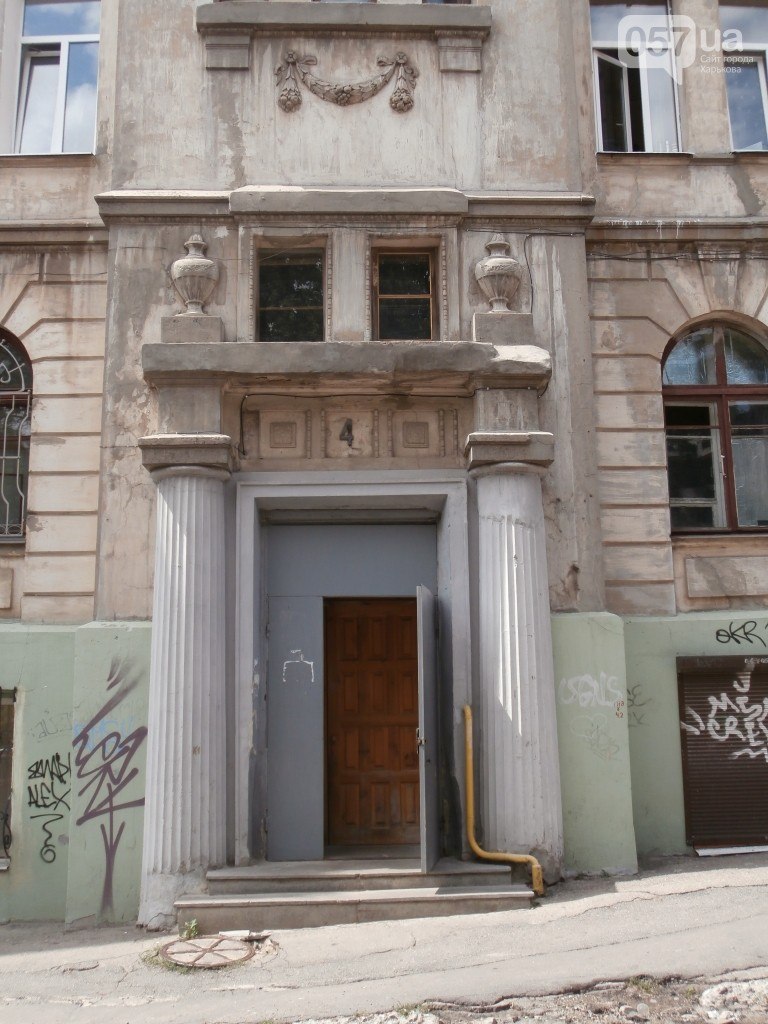
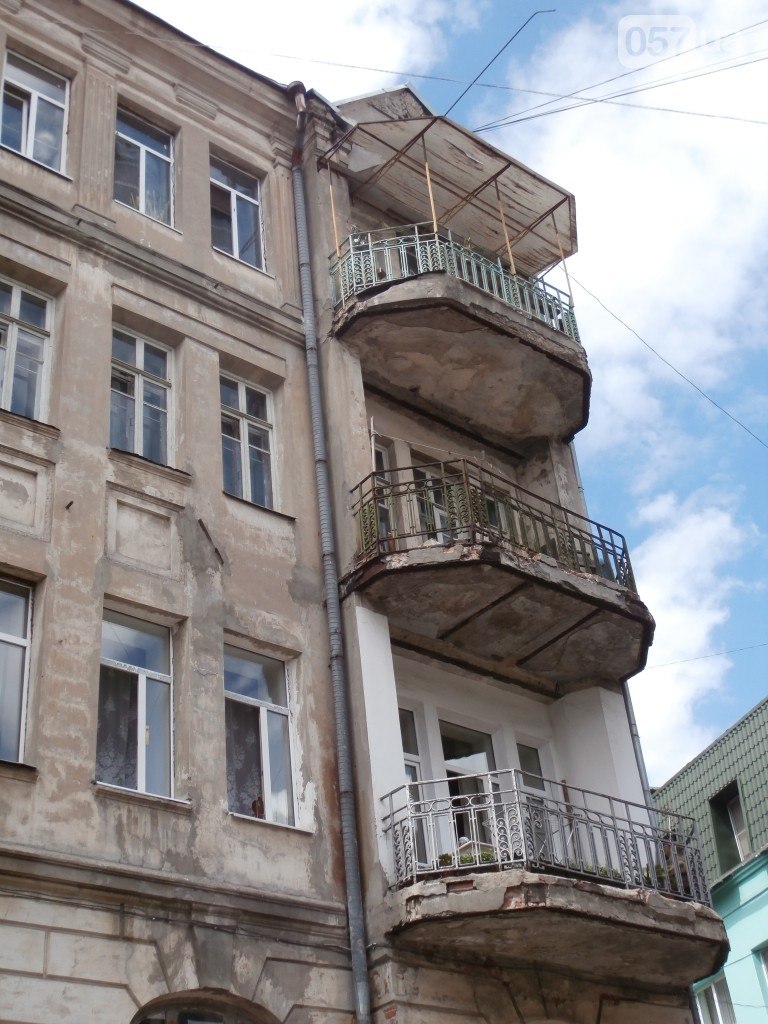
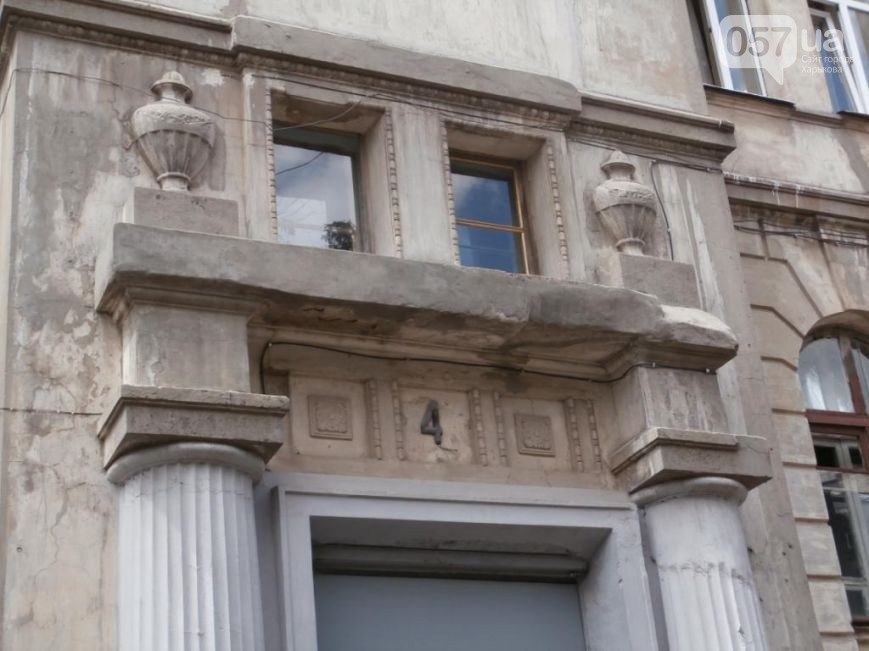
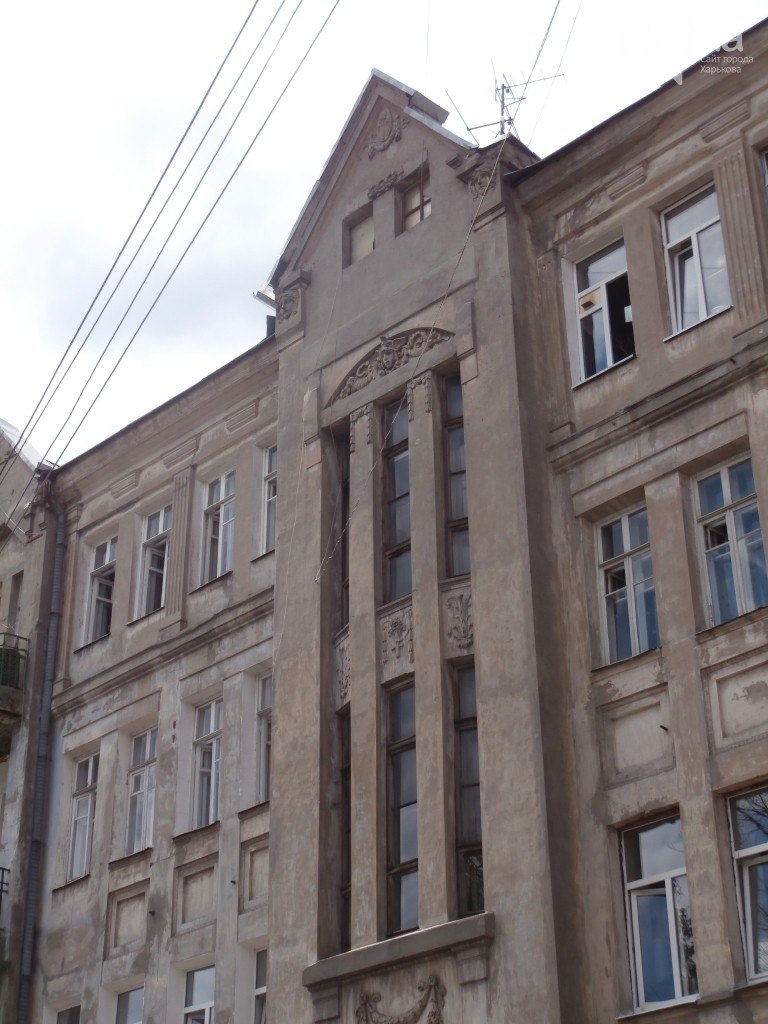
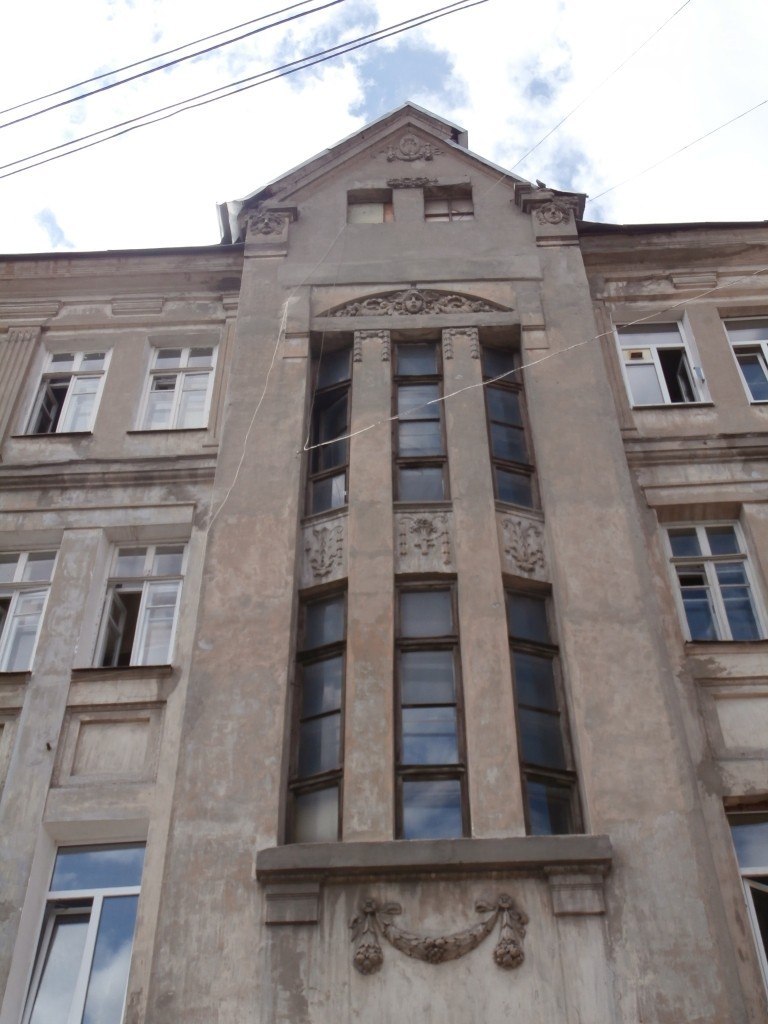
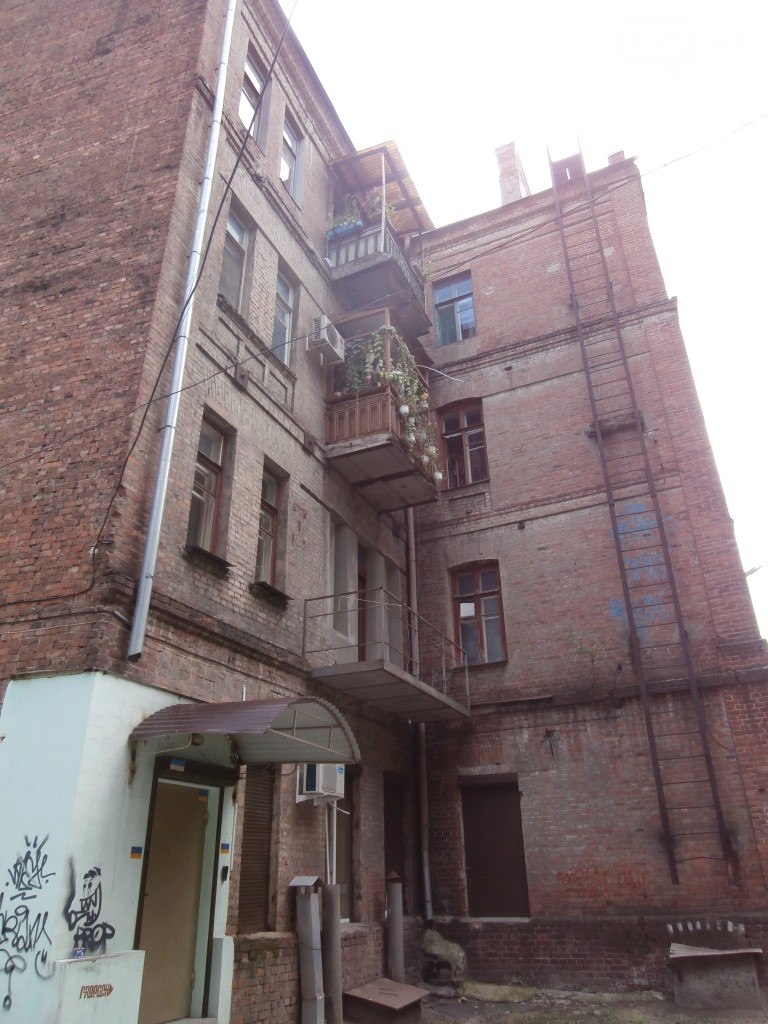
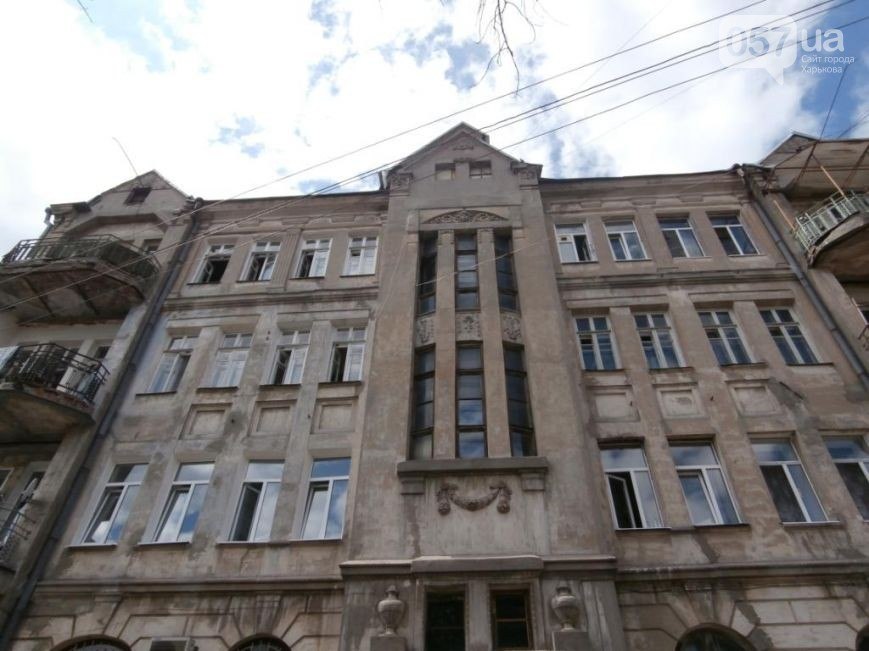
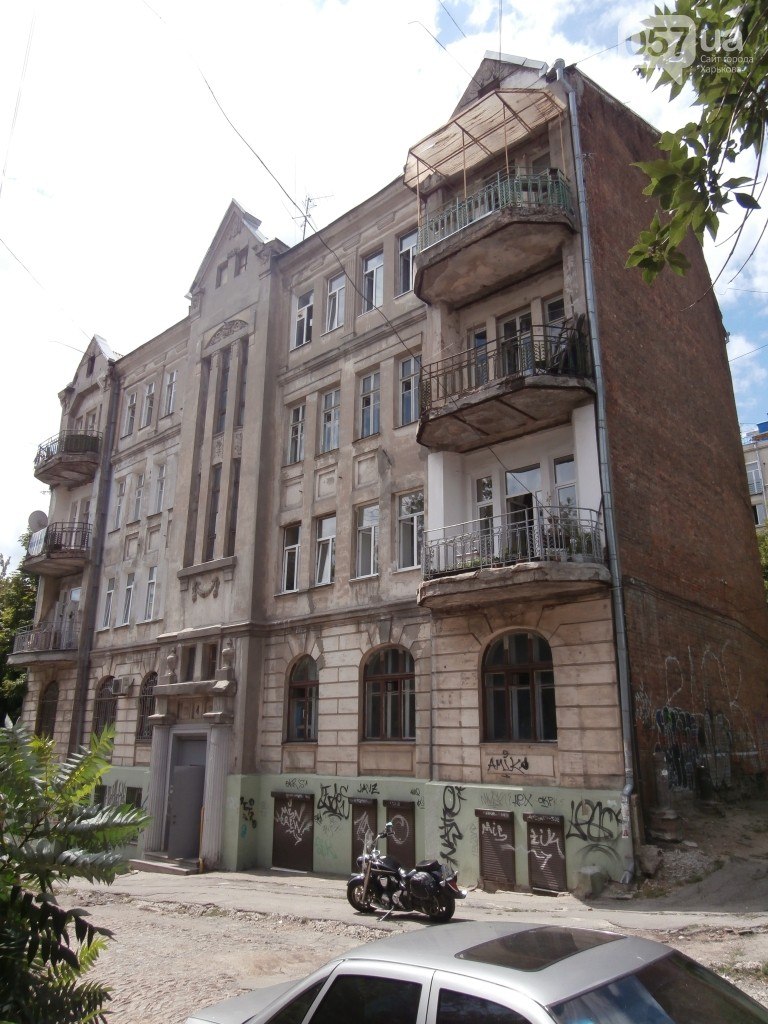
Of particular interest is the residential building at number 5, located near the beginning of the alley. In pre-revolutionary times, it belonged to Eduard Faist, an additional district judge who handled cases involving juvenile delinquents. It’s hard to imagine that such a beautifully decorated building could have contained a mini-prison within it. Yet that was exactly what happened – the judge used this building to hold underage offenders.
Source: 057.ua
#1stolica_history
(Translation by Vorobieva, Part 2)
One of the oldest districts of Kharkov – a beautiful and quiet alley where even the road surface remains paved with cobblestones to this day. It was named after a renowned scientist-anatomist from Kharkov Medical Institute, Honored Professor of the USSR, and Academician of the Ukrainian SSR Academy of Sciences, Vladimir Vorobieva.
He was the author of the first Soviet “Atlas of Human Anatomy” and, in the turbulent year of 1937, organized the world’s only Museum of the Evolution of Humankind. Moreover, Vorobieva is known as the person who developed and personally participated in the process of embalming the body of Vladimir Ilyich Lenin, the revolutionary leader who founded the Soviet Union.
The Vorobieva Alley is virtually coeval with Kharkov itself. Since its establishment in the late 17th to early 18th centuries, it has served as a route for delivering water from the Belgorod Spring, located on the banks of the Kharkov River at the beginning of what is now Shevchenko Street, to the Upper District. During that time, the clatter of water wagons pulled by horses kept echoing throughout the neighborhood. As a result, until the early 20th century, this alley was commonly known as Skrypnitska Alley.
In 1954, it was renamed in honor of Vladimir Vorobieva. Unlike many other cases, this renaming was fully justified: a famous Soviet scientist worked at the women’s medical university located in this alley.In 2008, the long-forgotten and dilapidated Vorobieva Alley was chosen by the “Mosfilm” studio as a location for filming. The movie “Dau” about the renowned Soviet physicist Lev Landau was shot there. During the shooting, a truck loaded with cabbage accidentally overturned in the alley. Local residents spent the entire night clearing the scattered vegetables around the neighborhood. When the film crew returned the next day to collect their “requisits,” they were stunned to find that all the vegetables had disappeared!
According to local residents, this was far from the worst cinematic incident they had ever experienced.
<><>“Back in the old days, when Fokin was directing movies here, a truck loaded with watermelons accidentally overturned. You can’t even imagine how terrible it was! For two weeks, we couldn’t go out into the street or open our windows to let fresh air into the apartment. The smell was absolutely unbearable,” recalls Valentina Samohina, a resident of Kharkov.
She wonders why their alley is so popular among artists, especially painters.
<><>“Almost every week, someone comes here with a easel and starts painting. Photographers also often visit, taking pictures. Several weddings have even been held here… I really don’t understand what they see in this rundown neighborhood,” she says.
Of particular interest is the residential building at number 5, located near the beginning of the alley. In pre-revolutionary times, it belonged to Eduard Faist, an additional district judge who handled cases involving juvenile delinquents. It’s hard to imagine that such a beautifully decorated building could have contained a mini-prison within it. Yet that was exactly what happened – the judge used this building to hold underage offenders.
Source: 057.ua
#1stolica_history
Find the Best Professionals for Your Project
Expert repair, construction, and renovation specialists ready to help you right now
Recommended Galleries
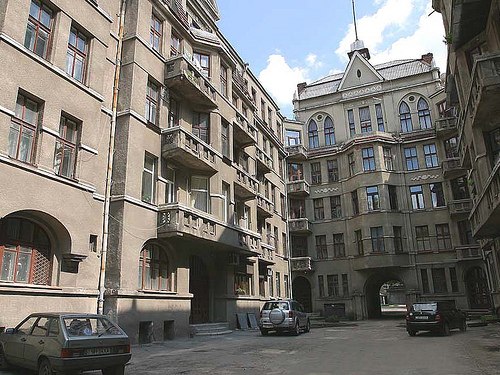
6 Artyom Street, “Red Banker” Residential Building (1928). <br>Designed in collaboration with architect Andrusenko. <br>Style: Decorative Art Deco.
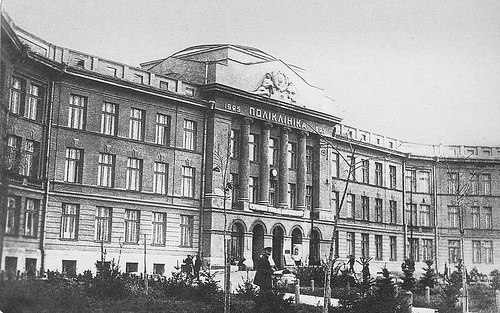
Moscow Street, 197
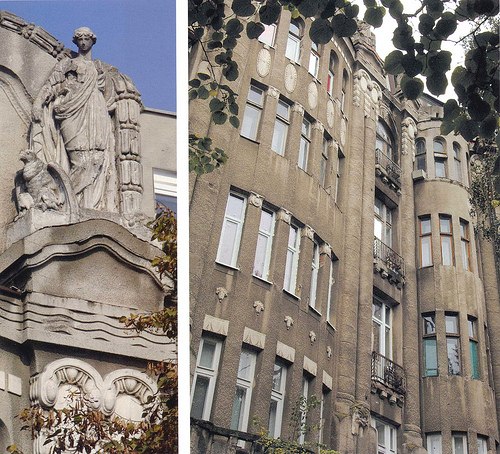
22a Poltavskiy Shlyakh. Former income-producing property owned by the Kats brothers (1914).
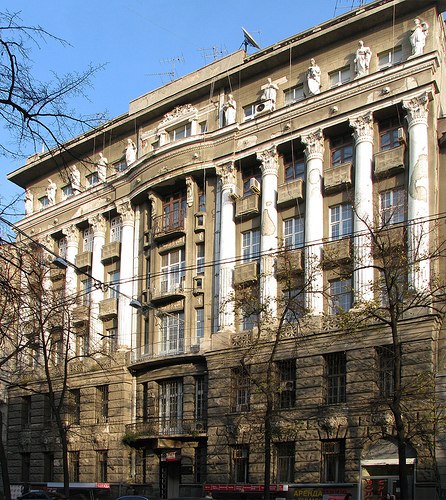
82 Sumskaya Street. Former Moshevich Income House (1914). <br>Style: Neorenaissance.
Recommended articles


More Galleries
- 6 Artyom Street, “Red Banker” Residential Building (1928). <br>Designed in collaboration with architect Andrusenko. <br>Style: Decorative Art Deco.
- Moscow Street, 197
- 22a Poltavskiy Shlyakh. Former income-producing property owned by the Kats brothers (1914).
- 82 Sumskaya Street. Former Moshevich Income House (1914). <br>Style: Neorenaissance.
 On the level of education
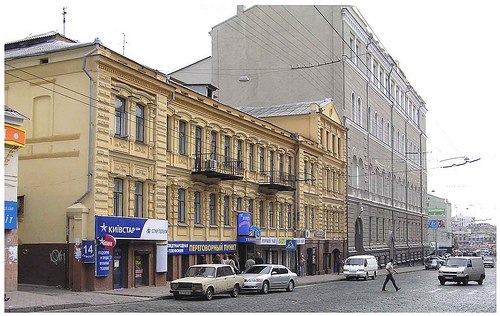 The Story of One House at 14 Sumskaya Street
 #
#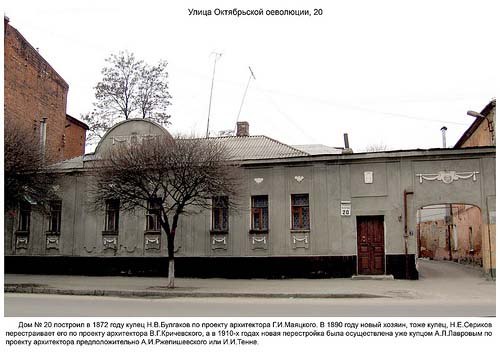 20 Oktyabrskoy Revolutsii Street
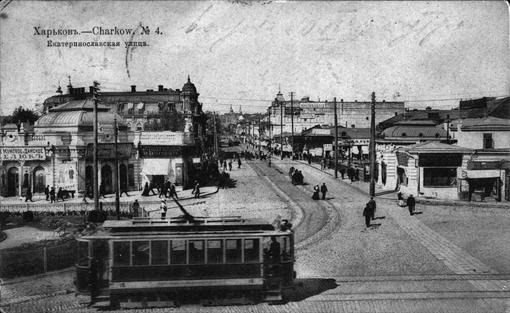 Office District – a sanctuary for the old city of Kharkov<br>(How Zalopan’, a rural area once, <br>became a prestigious commercial district.)
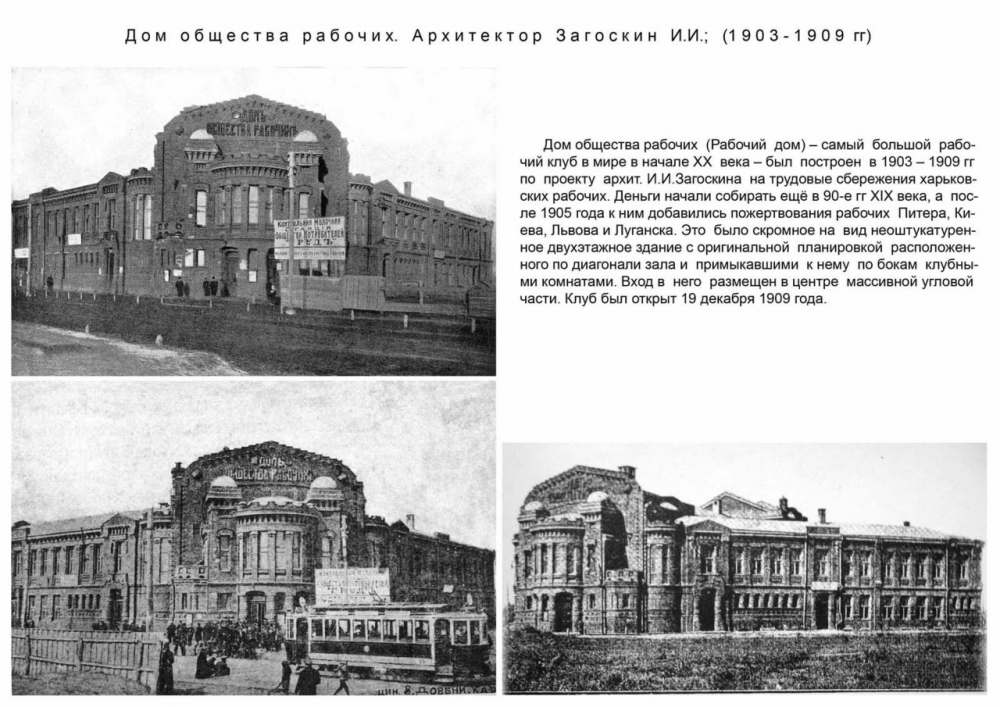 「The Workers' Home」
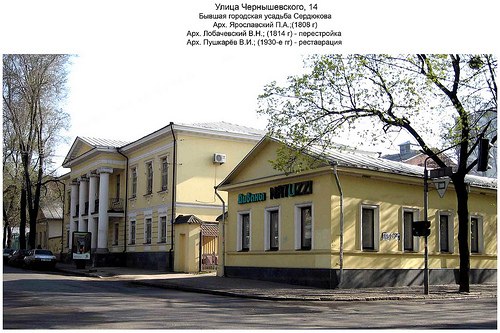 #### 14 Cheryshevskaya Street
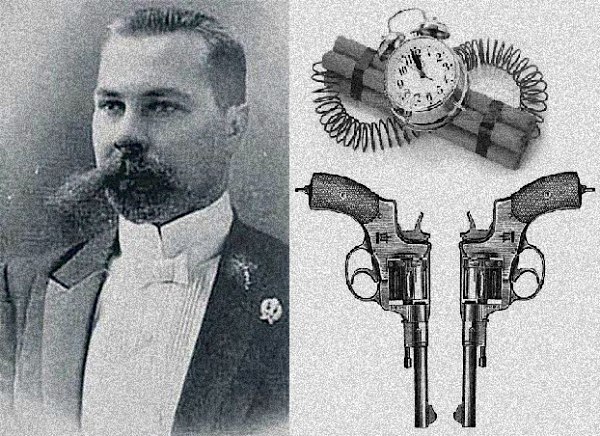 “The Defense of Ukraine” and Nikolai Mikhnovsky