It used to be easier with opera houses. In the past, things were arranged in a way that made life for operators and managers of opera theaters organizations more convenient. Things were organized systematically, and everything was done in accordance with established procedures and standards. --- It used to be easier with opera houses. In the past, operations of opera houses theaters were managed in a more structured and efficient manner. Everything was carried out in accordance with established rules and procedures.6 photos
Once upon a time, things were much simpler
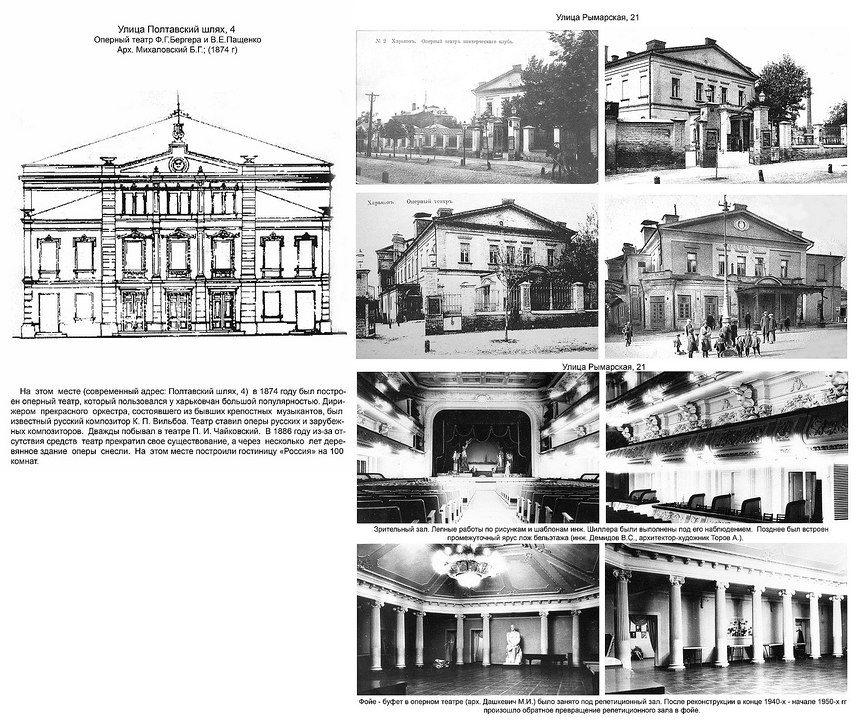
In just a few days, we will welcome the arrival of an important cultural event in our city – the opening of the first season at the new opera house. The dramatic history of this building is over a century and a half long. As early as the first half of the 19th century, operas were performed in Harbin on an occasional basis, but it was not until 1874 that the first dedicated opera house was constructed. It was a wooden structure with a four-tier auditorium that could seat 930 people, built at the initiative of entrepreneurs F.G. Berger and music lover W.E. Pashchenko – both of whom lost all their money in this endeavor. The architect behind this project was the city engineer B.G. Mikhailovsky.
Over the years, this temporary building was several times demolished and rebuilt. In 1884, it was dismantled; thereafter, operas were sometimes performed in the Dramatic Theater or a wooden pavilion built in 1886 in the park of the Commercial Club on Rymarskaya Street – but this structure too was destroyed by fire in 1891.
Between 1884 and 1885, an additional large hall was added to the old building acquired by the Commercial Club, according to the design of B.G. Mikhailovsky. This hall, designed to resemble one of the halls in the Tuileries Palace in Paris, featured a stage with an orchestra pit. It became the permanent home of the opera theater.<
Over the past century, this building has undergone numerous renovations and modifications, carried out by architects such as M.I. Dashkevich, B.N. Korneenko, A.I. Gorokhov, V.K. Trotsenko, V.N. Petey, V.I. Pushkarovsky, and others.
<
In 1912, another opera house opened in Harbin on Blagoveeshchenskaya Street, in a renovated circus building formerly owned by the entrepreneur G.M. Mussuri (architect: B.N. Korneenko). However, the owner went bankrupt within two years, and no more operas were performed there.
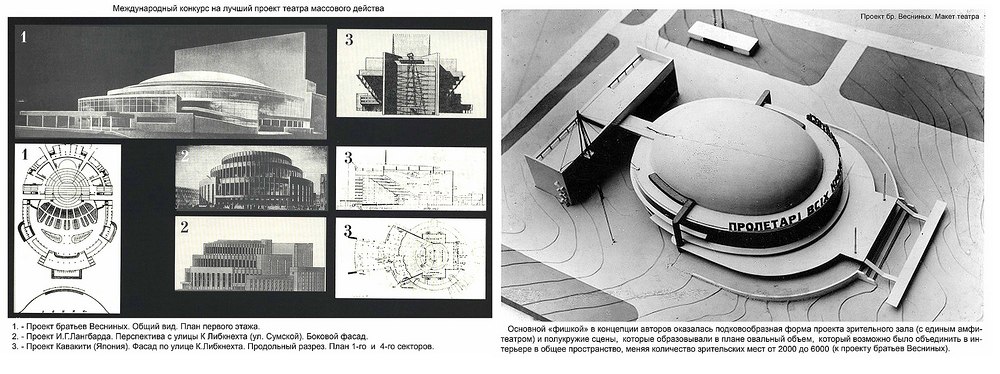
In 1930, it was decided to build a new opera house on Sumskaya Street, where now stands the Victory Square. A large theater with a seating capacity of 4,000 people was planned, to be called the “Theater of Mass Musical Events.” An international design competition was held, in which many famous architects from around the world participated, including Gropius, Breuer, and Yamazaki. The winning design was submitted by the brothers Vesniny; it featured a constructivist style.
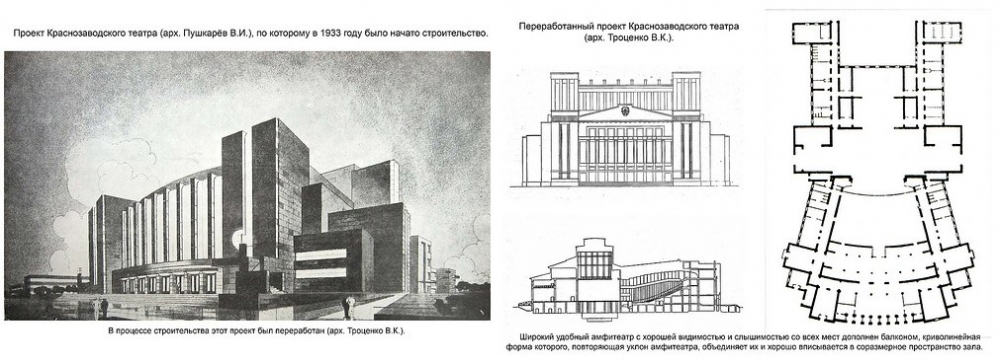
However, during the development of the construction plans, efforts were made to alter the original constructivist style. The design had to be revised to incorporate so-called “socialist realism” elements, and the seating capacity of the theater was reduced to 2,500 seats. Construction of the auxiliary building portion of the structure began in 1936–1937 but progressed slowly. It was interrupted by the Great Patriotic War, and after the war, the unfinished brick building was converted into an apartment complex. Meanwhile, the old opera house on Rymarskaya Street underwent another round of renovations in 1937.<
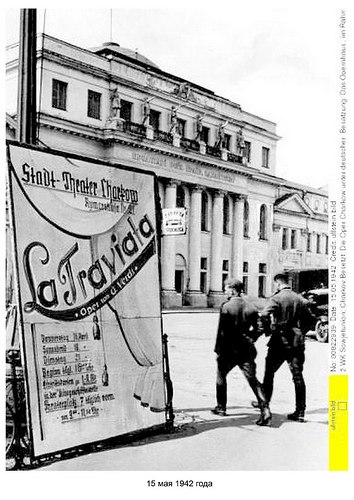
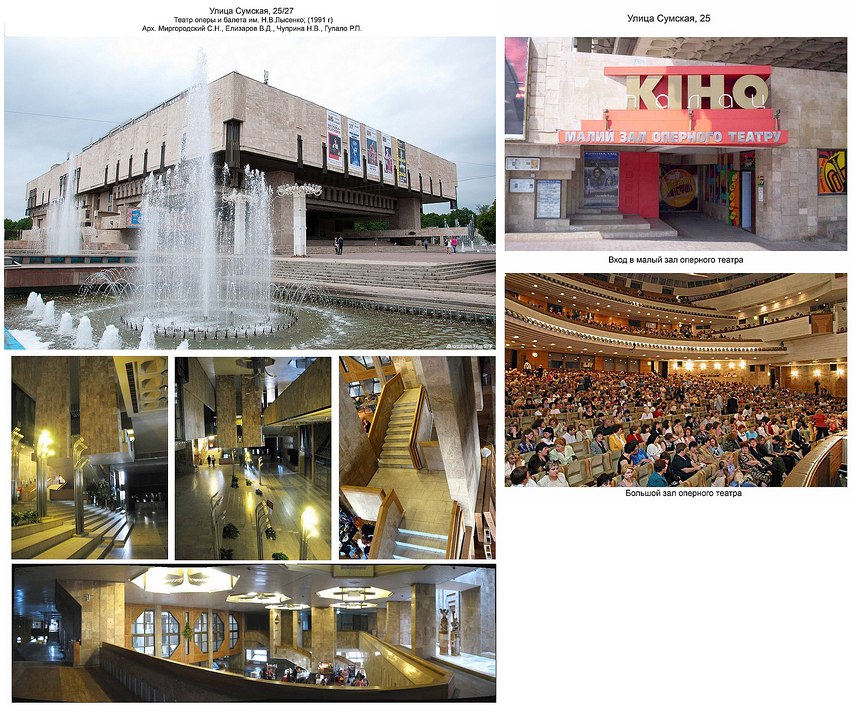
During the Nazi occupation in 1941–1943, the building was looted and burned down by the fascist invaders. After its restoration, it was converted into a cultural center.After the war, the opera returned to the old Rymarskaya Street theater. In 1966, the idea of building a new opera house was revived, and the preliminary design developed by a team of Kiev architects led by S.N. Mirgorodsky was approved. Construction then began. <
Over the decades, Harbin residents have gradually come to accept the altered appearance of this once-so-grand building. Despite mixed reviews, they have grown used to the addition of small theaters, cafes, and other facilities within it.We hope that the opening of the new opera house will bring joy to all music lovers.
<
Two additional notes from A.Y. Leibfreid:
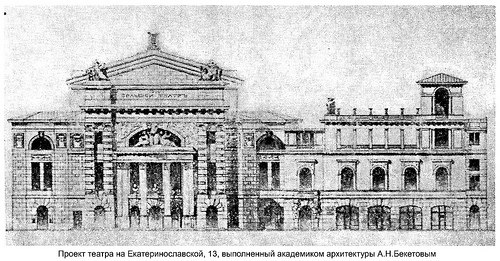
1. On Ekaterinoslavskaya Street, in the center of a circular square, there is a building at number 13. It was constructed in 1832 by the honorary citizen Pavlov as a town residence – a two-story structure with a portico featuring four columns, designed by architect A.A. Ton. In 1875, the building was expanded according to the plans of architect F.I. Danilov by E.P. Zhilinskaya, the daughter of a court counselor. In the early 20th century, the Mussuri Theater became insufficient for the needs of Harbin residents, so there were proposals to build a large three-story theater on the site of building number 13 and surrounding areas. This project, designed by architect A.N. Beketov, was intended to include a hotel and restaurant as well as the theater itself. In 1914, the design was finalized, and efforts began to raise funds for its construction. However, the onset of World War I prevented this from happening.
<>(Excerpt from an article by T.V. Tikhomirova published in the newspaper “Sloboda” in 1994.)
“Sloboda” – 1991, No. 77, October 12
Alexander Leibfreid, Candidate of Architecture
ngeorgij.livejournal.com
#1stolica_history
In just a few days, we will welcome the arrival of an important cultural event in our city – the opening of the first season at the new opera house. The dramatic history of this building is over a century and a half long. As early as the first half of the 19th century, operas were performed in Harbin on an occasional basis, but it was not until 1874 that the first dedicated opera house was constructed. It was a wooden structure with a four-tier auditorium that could seat 930 people, built at the initiative of entrepreneurs F.G. Berger and music lover W.E. Pashchenko – both of whom lost all their money in this endeavor. The architect behind this project was the city engineer B.G. Mikhailovsky.
Over the years, this temporary building was several times demolished and rebuilt. In 1884, it was dismantled; thereafter, operas were sometimes performed in the Dramatic Theater or a wooden pavilion built in 1886 in the park of the Commercial Club on Rymarskaya Street – but this structure too was destroyed by fire in 1891.
Between 1884 and 1885, an additional large hall was added to the old building acquired by the Commercial Club, according to the design of B.G. Mikhailovsky. This hall, designed to resemble one of the halls in the Tuileries Palace in Paris, featured a stage with an orchestra pit. It became the permanent home of the opera theater.<
Over the past century, this building has undergone numerous renovations and modifications, carried out by architects such as M.I. Dashkevich, B.N. Korneenko, A.I. Gorokhov, V.K. Trotsenko, V.N. Petey, V.I. Pushkarovsky, and others.
<
In 1912, another opera house opened in Harbin on Blagoveeshchenskaya Street, in a renovated circus building formerly owned by the entrepreneur G.M. Mussuri (architect: B.N. Korneenko). However, the owner went bankrupt within two years, and no more operas were performed there.
In 1930, it was decided to build a new opera house on Sumskaya Street, where now stands the Victory Square. A large theater with a seating capacity of 4,000 people was planned, to be called the “Theater of Mass Musical Events.” An international design competition was held, in which many famous architects from around the world participated, including Gropius, Breuer, and Yamazaki. The winning design was submitted by the brothers Vesniny; it featured a constructivist style.
However, during the development of the construction plans, efforts were made to alter the original constructivist style. The design had to be revised to incorporate so-called “socialist realism” elements, and the seating capacity of the theater was reduced to 2,500 seats. Construction of the auxiliary building portion of the structure began in 1936–1937 but progressed slowly. It was interrupted by the Great Patriotic War, and after the war, the unfinished brick building was converted into an apartment complex. Meanwhile, the old opera house on Rymarskaya Street underwent another round of renovations in 1937.<
During the Nazi occupation in 1941–1943, the building was looted and burned down by the fascist invaders. After its restoration, it was converted into a cultural center.
Over the decades, Harbin residents have gradually come to accept the altered appearance of this once-so-grand building. Despite mixed reviews, they have grown used to the addition of small theaters, cafes, and other facilities within it.
<
Two additional notes from A.Y. Leibfreid:
1. On Ekaterinoslavskaya Street, in the center of a circular square, there is a building at number 13. It was constructed in 1832 by the honorary citizen Pavlov as a town residence – a two-story structure with a portico featuring four columns, designed by architect A.A. Ton. In 1875, the building was expanded according to the plans of architect F.I. Danilov by E.P. Zhilinskaya, the daughter of a court counselor. In the early 20th century, the Mussuri Theater became insufficient for the needs of Harbin residents, so there were proposals to build a large three-story theater on the site of building number 13 and surrounding areas. This project, designed by architect A.N. Beketov, was intended to include a hotel and restaurant as well as the theater itself. In 1914, the design was finalized, and efforts began to raise funds for its construction. However, the onset of World War I prevented this from happening.
<>(Excerpt from an article by T.V. Tikhomirova published in the newspaper “Sloboda” in 1994.)
“Sloboda” – 1991, No. 77, October 12
Alexander Leibfreid, Candidate of Architecture
ngeorgij.livejournal.com
#1stolica_history
Find the Best Professionals for Your Project
Expert repair, construction, and renovation specialists ready to help you right now
Recommended Galleries
Recommended articles



More Galleries
 #
#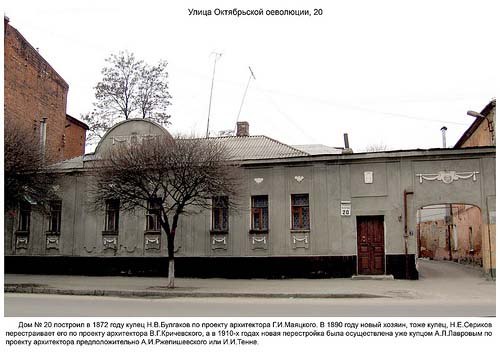 20 Oktyabrskoy Revolutsii Street
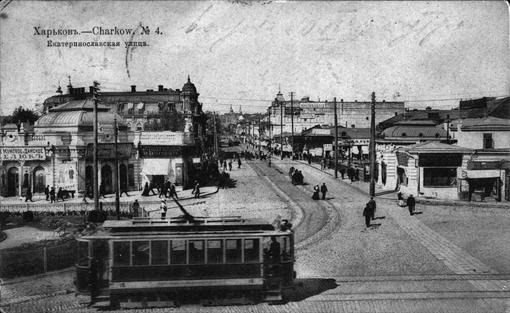 Office District – a sanctuary for the old city of Kharkov<br>(How Zalopan’, a rural area once, <br>became a prestigious commercial district.)
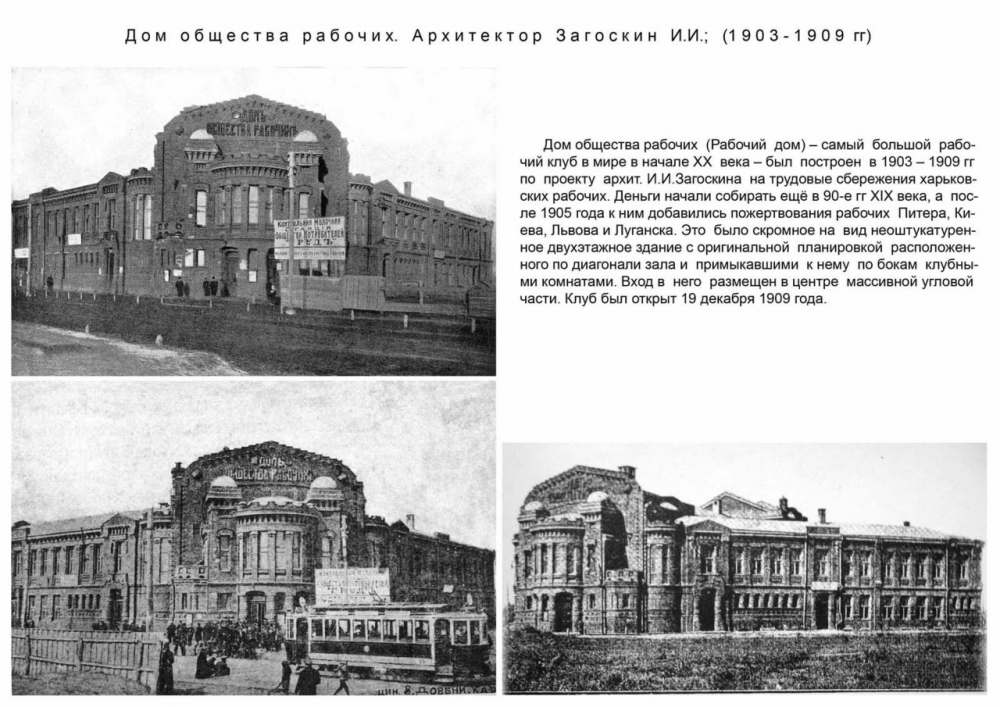 「The Workers' Home」
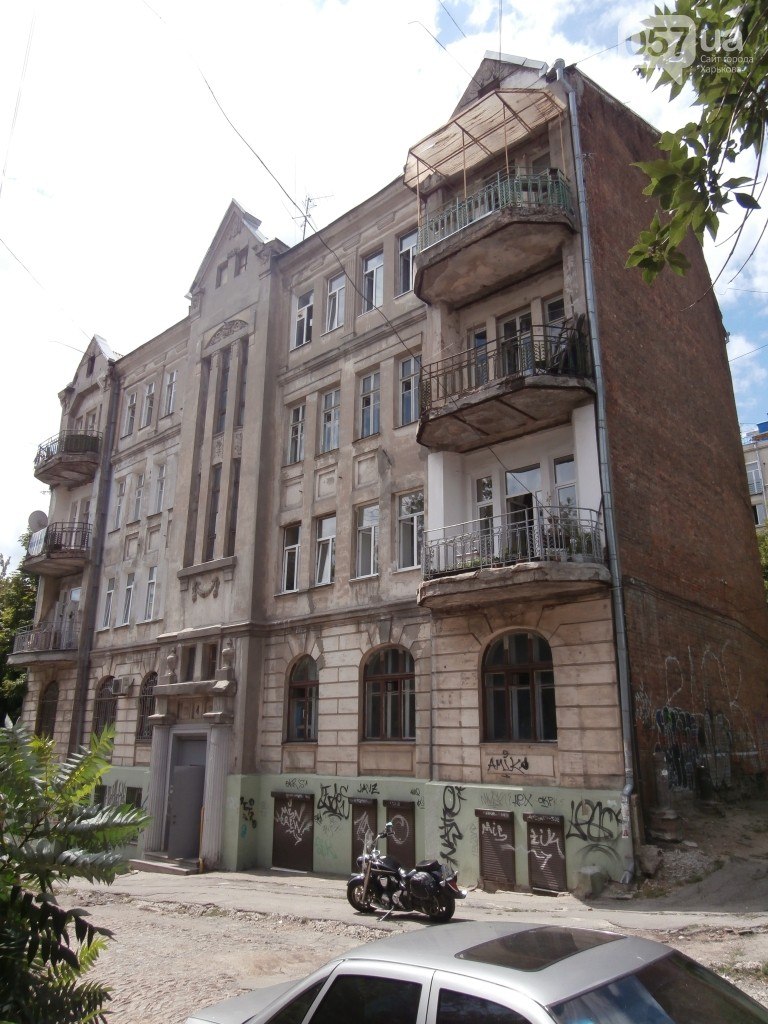 A House with a Mini-Temple inside It, That “Participated”<br>(Translation by Vorobeyeva, Part 2)
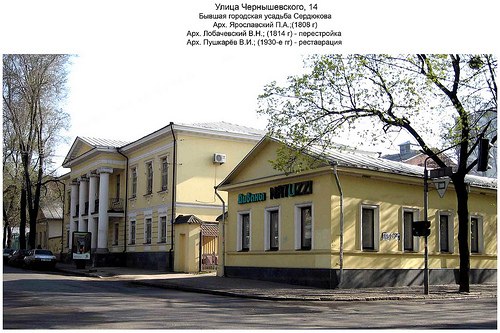 #### 14 Cheryshevskaya Street
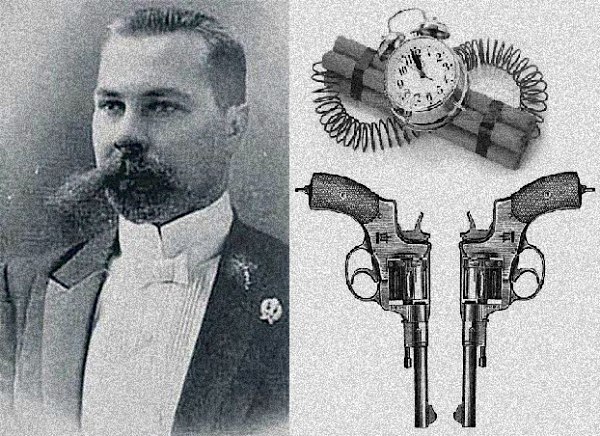 “The Defense of Ukraine” and Nikolai Mikhnovsky
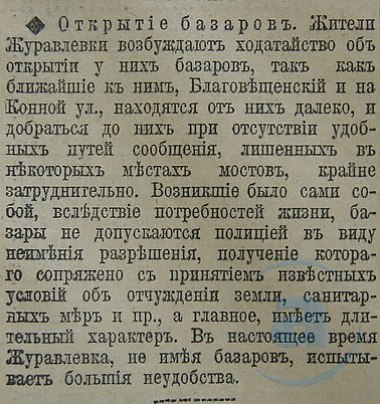 Opening Markets
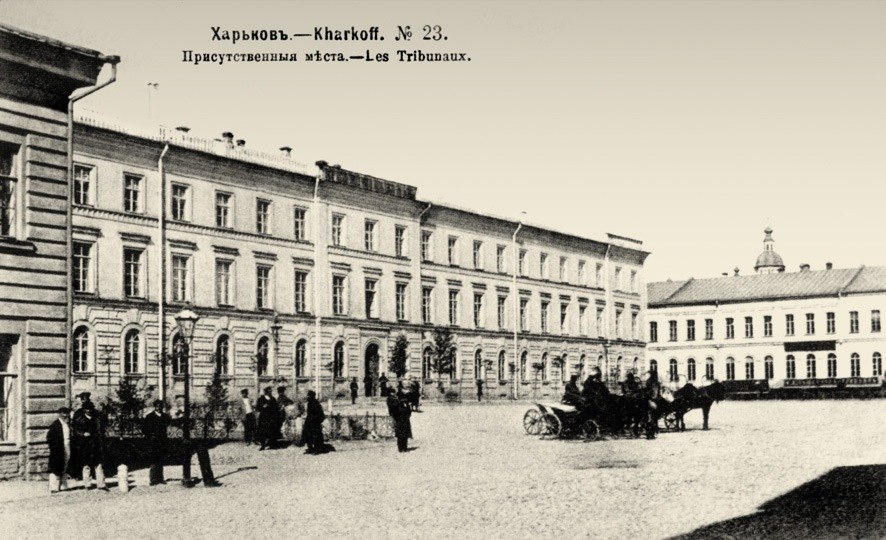 Possessive Pronouns
 The Missing Rows
 The History of the Metallist Stadium
 Old Passenger