The History of the Metallist Stadium9 photos
The History of the “Metallist” Stadium
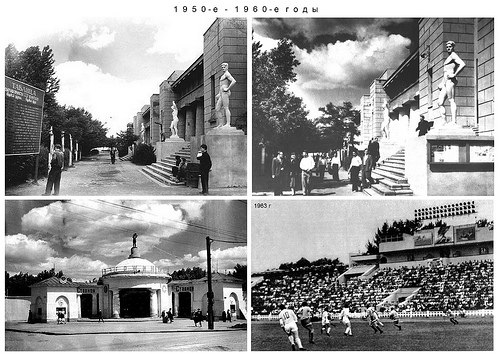
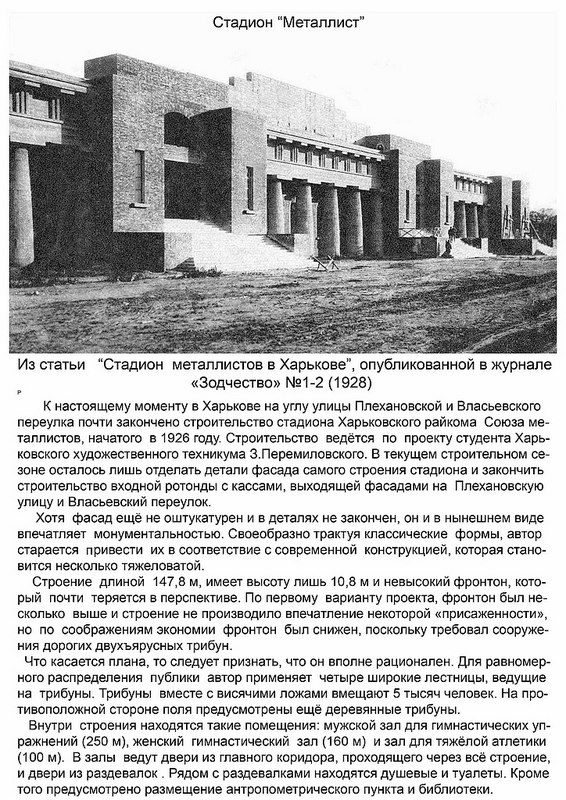
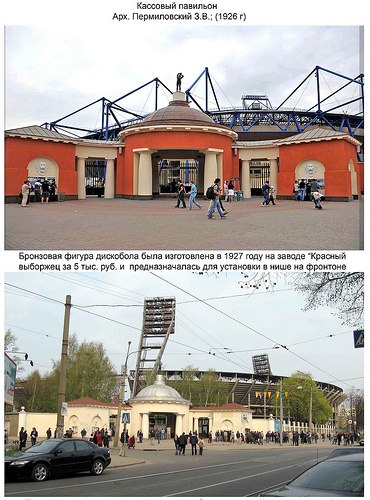
Between 1925 and 1927, on the site of the former Holy Spirit Cemetery—where small sports fields had already existed since before the 1917 revolution—the first large-scale stadium in Kharkov was constructed. The design was based on a diploma project by 3.V. Permilovsky, a student at the architecture faculty of the Art Institute. The stadium was built to accommodate up to five thousand spectators.
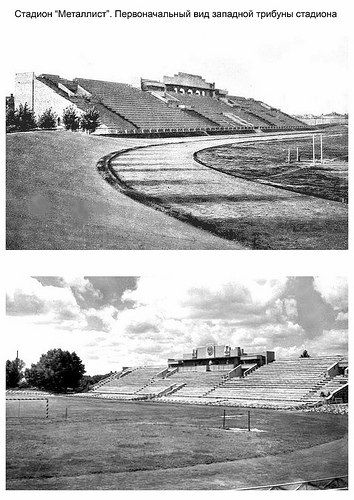
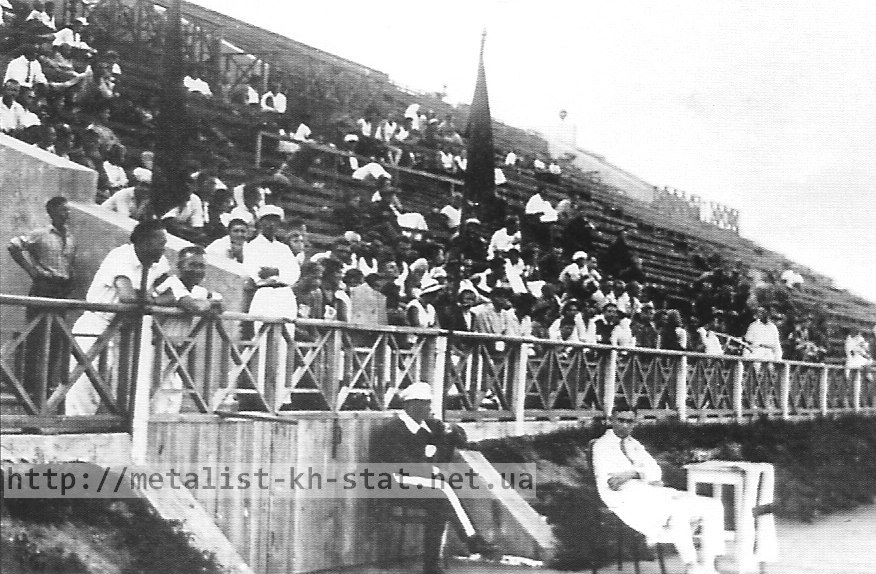
The stadium’s initial name was “Traktor.” It was officially opened on September 12, 1926, with the participation of 500 local athletes and 8,000 spectators. The celebration concluded with a football match between the “Metallist” team and the Dnipropetrovsk squad, which ended in a 2-2 draw. Initially, the stadium featured only one western stand capable of seating 5,000 people; the running track was 450 meters long, and it was surrounded by the only asphalted cycling track in Kharkov, with gentle curves and a length of 500 meters.
In 1927, the “Metallist” Stadium hosted several international matches. On May 26, the Kharkov team played against a team from Saxony, winning 4-3 thanks to goals scored by V. Fomin, A. Shpakovsky, and P. Mishchenko. On July 3, there was a match between the Austrian workers’ club team and the “Metallist” team, which ended in a 1-1 draw. On July 10, the visitors won 2-0 against the local team, while on July 11 they lost 1-4 to the Ukrainian national team. On October 10, the Kharkov team played against the English Workers’ Sports Association, winning 7-1 in a match that was held in front of a packed stadium.
That same year, the cycling track was completed, and all-Ukrainian cycling competitions were held there. V. Tkachuk and K. Slastin from Kharkov won the first official races. From January 28 to 29, 1928, the All-Ukrainian Winter Sports Championships took place at the “Metallist” Stadium, including speed skating competitions. In February, it hosted participants in the II All-Ukrainian Spartakiad.
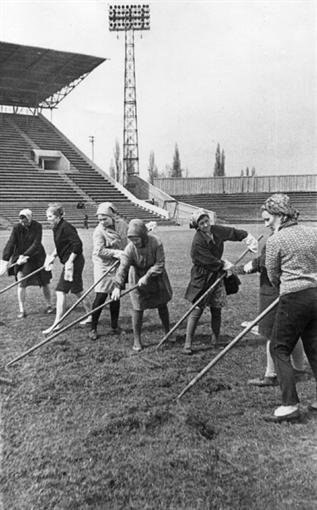
During World War II, the stadium was destroyed, and its sports facilities were blown up. The damage caused in 1943 was estimated to be 4 million rubles. After the war, the stadium was rebuilt and renamed “Dzerzhinec” in 1947. In 1956, it was renamed “Avangard,” and since 1963, it has carried its current name. Some sources suggest that from 1940 to 1947, the stadium was also called “Zenit”; before that, it was even named “HPZ” in honor of the factory that took responsibility for its maintenance.
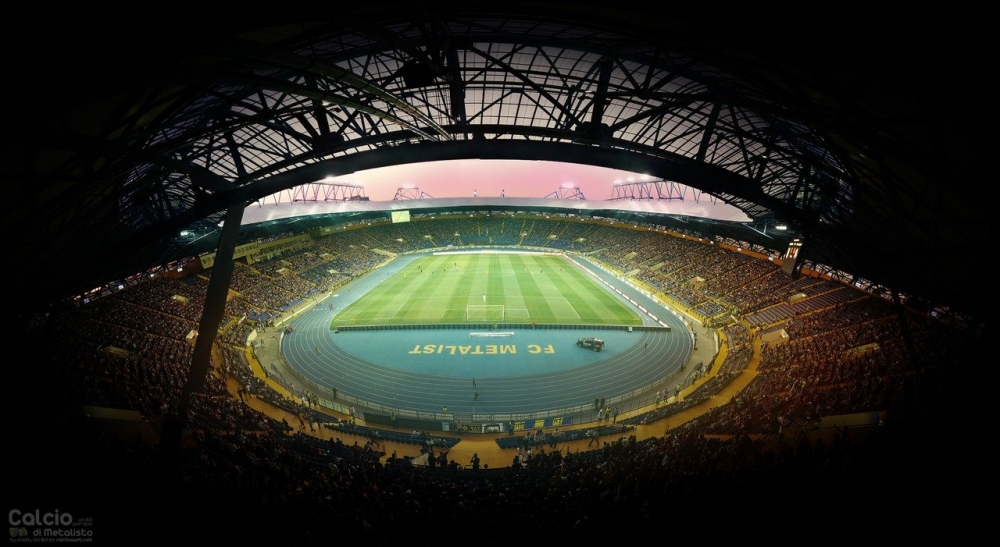
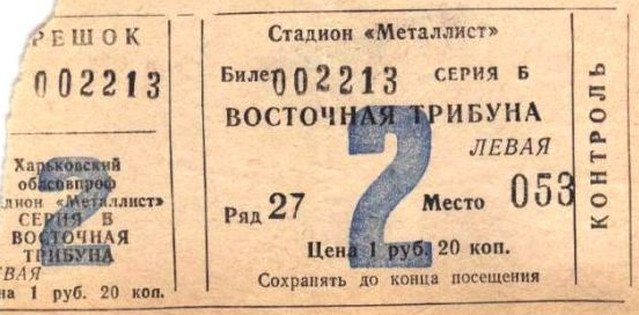
Later, on the same site, the larger “Metallist” Stadium was built, and its expansion is still ongoing. The original ticket office building and part of the eastern stand have been preserved.
Veterans recall that after the war, the current stadium looked quite similar to another Kharkov stadium, “Dynamo,” which for a long time served as the home field for the “Lokomotiv” team—later known as “Metallist.” From an architectural perspective, the stadium on Plehanovsky Street was very simple, without any bulky structures, noted Igor Lavrentiev, the chief architect at the “Kharkovprojekt” institute. “In essence, it was more of a regional-scale stadium. The main stadium for Kharkov was planned to be built in the Olympic Street area; land there had even been prepared for the construction of stands. The sports complex was supposed to be part of a larger urban facility, but due to subsequent changes in plans, that project never materialized, and garages were built in its place…”
Find the Best Professionals for Your Project
Expert repair, construction, and renovation specialists ready to help you right now
Recommended Galleries
Recommended articles



More Galleries
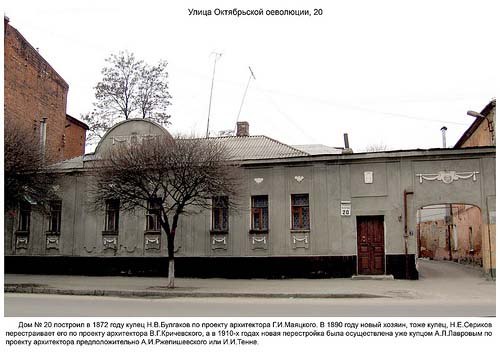 20 Oktyabrskoy Revolutsii Street
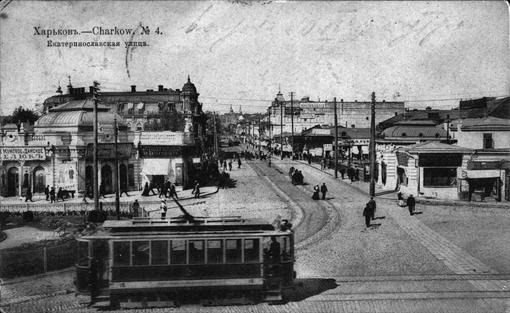 Office District – a sanctuary for the old city of Kharkov<br>(How Zalopan’, a rural area once, <br>became a prestigious commercial district.)
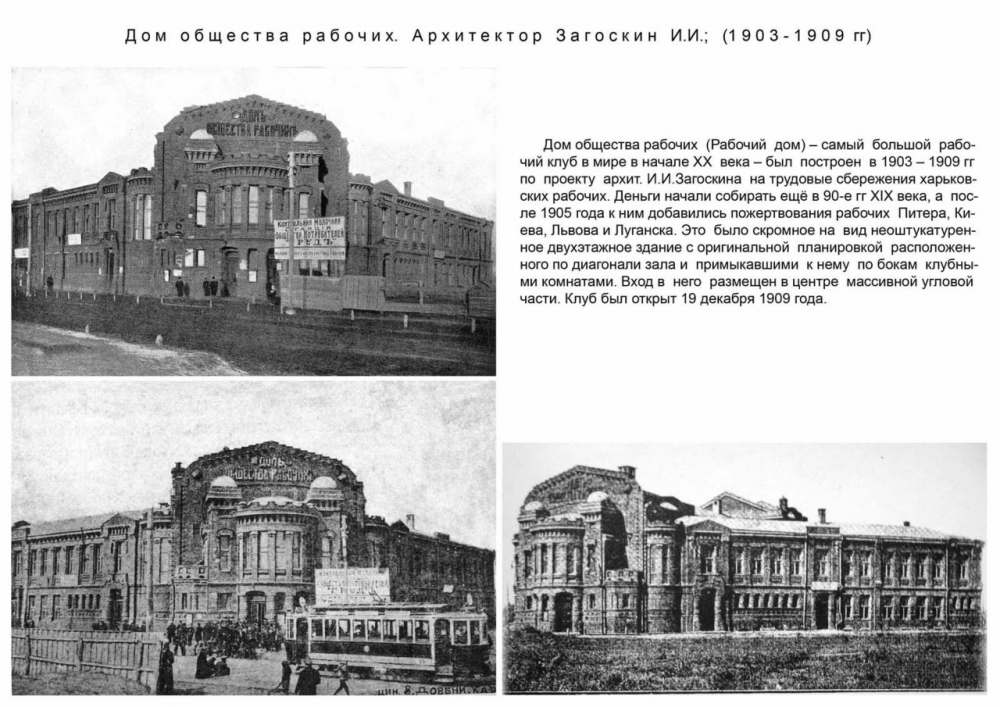 「The Workers' Home」
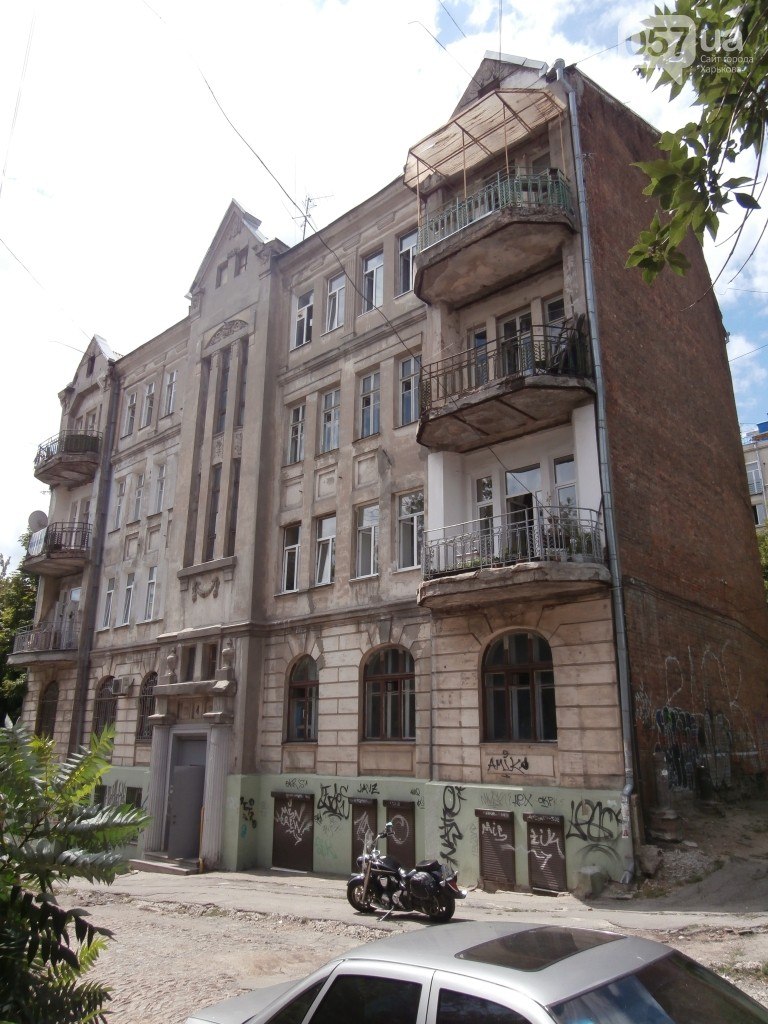 A House with a Mini-Temple inside It, That “Participated”<br>(Translation by Vorobeyeva, Part 2)
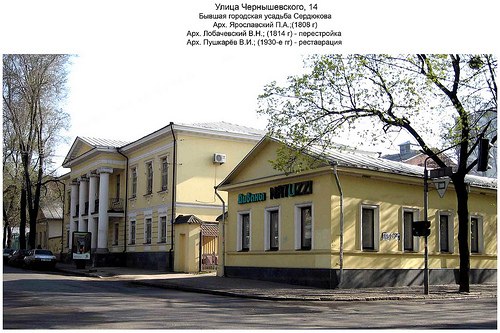 #### 14 Cheryshevskaya Street
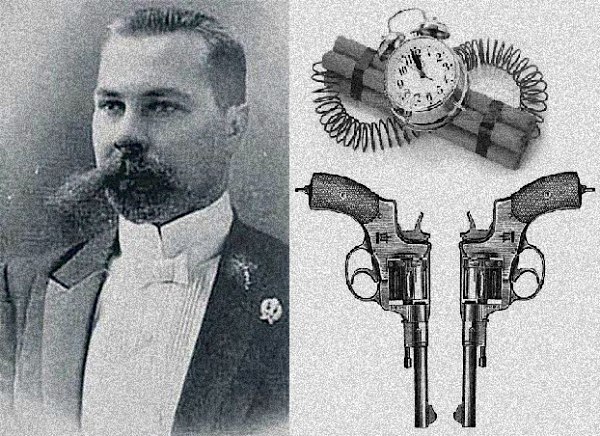 “The Defense of Ukraine” and Nikolai Mikhnovsky
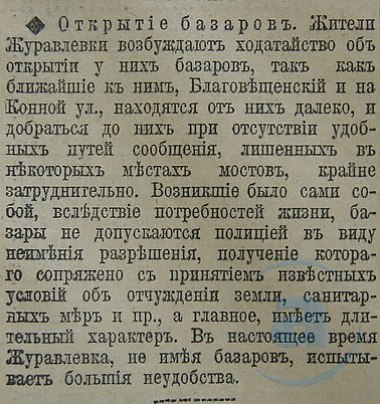 Opening Markets
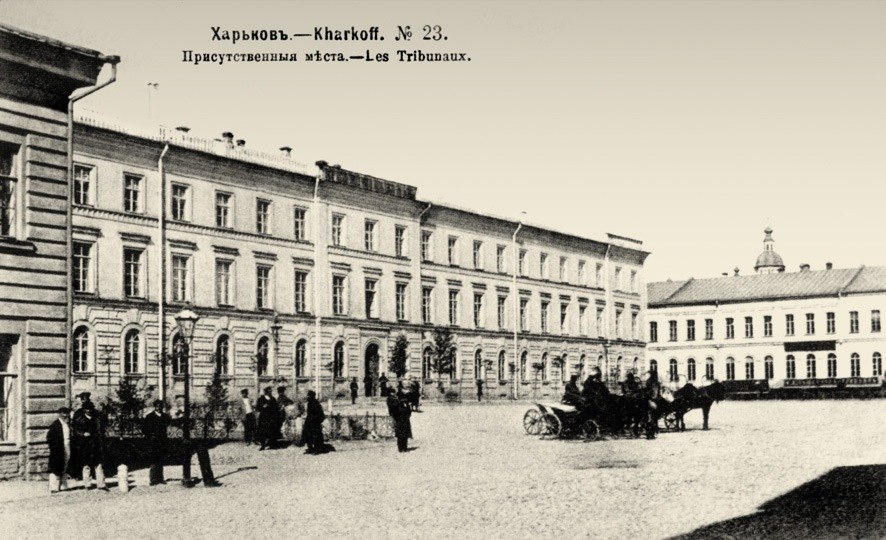 Possessive Pronouns
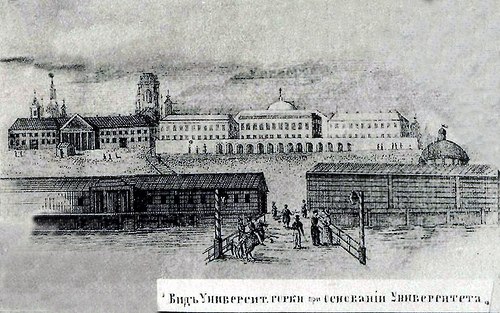 The Missing Rows
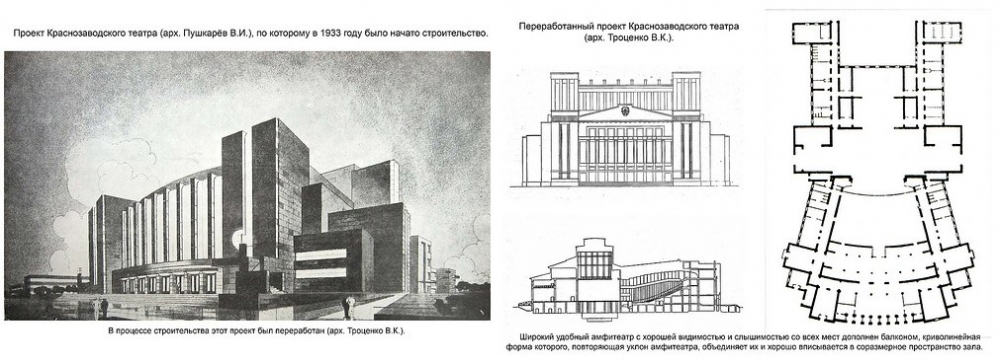 It used to be easier with opera houses. In the past, things were arranged in a way that made life for operators and managers of opera theaters organizations more convenient. Things were organized systematically, and everything was done in accordance with established procedures and standards. --- It used to be easier with opera houses. In the past, operations of opera houses theaters were managed in a more structured and efficient manner. Everything was carried out in accordance with established rules and procedures.
 Old Passenger
 History of the “New Bavaria” Brewery