� Kharkov y la aviación<br>(Parte 1) --- Return ONLY the complete translated text. No include any additional elements or information.8 fotos
#### Harbin and Aviation
(Part 1)
Aviation holds a very important place in the life of Harbin, not only as a means of transportation but also as an area of activity for numerous industrial enterprises, scientific research organizations, and educational institutions, which has a significant impact on the city’s development plans.
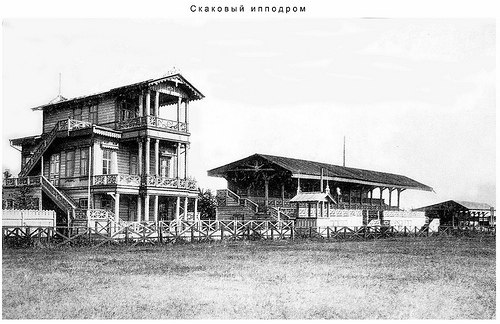
The birthplace of aviation in Harbin was an area located in the northern part of the city, near the beginning of the Belgorod highway, where the former Racecourse Hippodrome used to be.
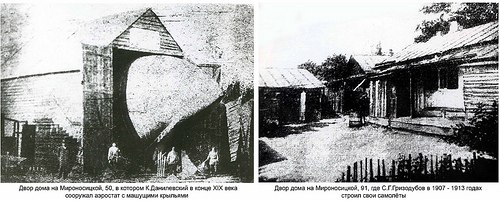
In 1974, the aviator M. Lavrentyev conducted demonstration flights on an airship of his own design there; in 1987-1898, the medical doctor and inventor K. Danilevsky tested aerostats with rotating wings at this same location. He collaborated with mechanic Koskov to build these aircraft in the yard of his house at No. 50 Mironositskaya Street.
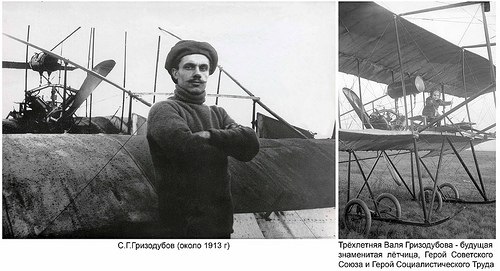
At the beginning of the 20th century, as the era of aircraft began, demonstration flights were held at this hippodrome in front of numerous spectators from 1910 to 1914 by renowned pilots such as S. Zaikin, S. Utotchkin, and V. Dubovskiy, as well as Harbin’s own resident S. G. Grizodubov, a designer and aviator whose name holds a honorable place in the history of Russian aviation.
He displayed his first airplane, built in 1907-1908, to the public in the yard of his home at No. 91 Mironositskaya Street in 1910; in May 1911, he took to the air for the first time at this very hippodrome on an airplane of the G-3 model.
Engineer A. K. Lellee, a contemporary of Grizodubov and owner of a mechanical workshop located at No. 6 Voskresenskaya Square, also attempted to build an airplane, but his aircraft failed to take off.Public interest in this new field was further sparked in 1907 when the Bommer brothers’ oldest “cinematograph” in Harbin (now the Dzerzhinsky Theater on Sverdlov Street) showed a film about the Wright brothers’ flights.
In 1909, at the Technical Society of students from the Kharkov Polytechnic Institute, an aviation section was established where scientific research in the field of aeronautics was conducted under the leadership of the future academician G. F. Proskura.
(Part 1)
Aviation holds a very important place in the life of Harbin, not only as a means of transportation but also as an area of activity for numerous industrial enterprises, scientific research organizations, and educational institutions, which has a significant impact on the city’s development plans.
The birthplace of aviation in Harbin was an area located in the northern part of the city, near the beginning of the Belgorod highway, where the former Racecourse Hippodrome used to be.
In 1974, the aviator M. Lavrentyev conducted demonstration flights on an airship of his own design there; in 1987-1898, the medical doctor and inventor K. Danilevsky tested aerostats with rotating wings at this same location. He collaborated with mechanic Koskov to build these aircraft in the yard of his house at No. 50 Mironositskaya Street.
At the beginning of the 20th century, as the era of aircraft began, demonstration flights were held at this hippodrome in front of numerous spectators from 1910 to 1914 by renowned pilots such as S. Zaikin, S. Utotchkin, and V. Dubovskiy, as well as Harbin’s own resident S. G. Grizodubov, a designer and aviator whose name holds a honorable place in the history of Russian aviation.
He displayed his first airplane, built in 1907-1908, to the public in the yard of his home at No. 91 Mironositskaya Street in 1910; in May 1911, he took to the air for the first time at this very hippodrome on an airplane of the G-3 model.
Engineer A. K. Lellee, a contemporary of Grizodubov and owner of a mechanical workshop located at No. 6 Voskresenskaya Square, also attempted to build an airplane, but his aircraft failed to take off.Public interest in this new field was further sparked in 1907 when the Bommer brothers’ oldest “cinematograph” in Harbin (now the Dzerzhinsky Theater on Sverdlov Street) showed a film about the Wright brothers’ flights.
In 1909, at the Technical Society of students from the Kharkov Polytechnic Institute, an aviation section was established where scientific research in the field of aeronautics was conducted under the leadership of the future academician G. F. Proskura.
Encuentre los mejores profesionales para su proyecto
Especialistas en reparación, construcción y renovación listos para ayudarle
Galerías recomendadas
Artículos recomendados



Más galerías
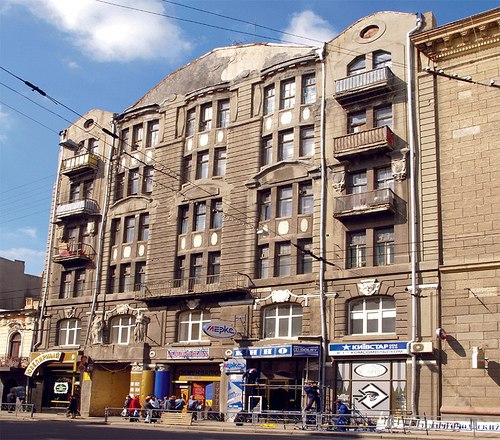 Ex anteriormente edificio residencial de renta y el cine “Amper”. Arquitecto: A.I. Gorokhov (1913). (Calle Sumskaya, 5.)
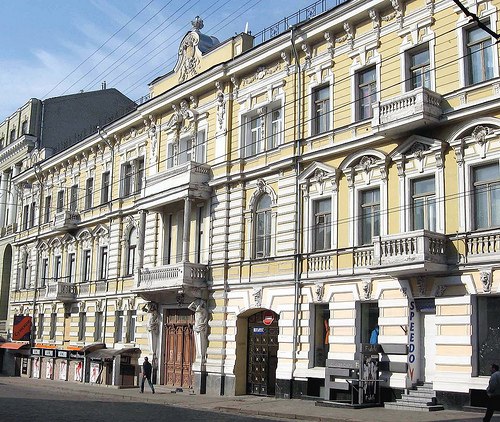 Antiguo edificio residencial de la compañía de seguros “Zhizn”.<br>(Calle Sumskaya, 19)
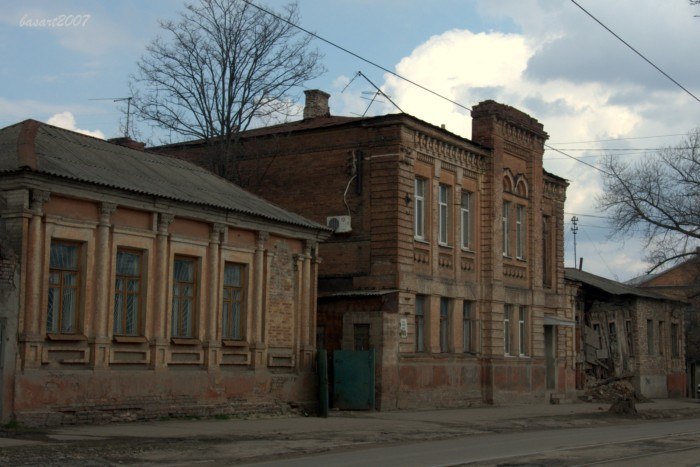 Vasili Krichevsky y Moskalievka
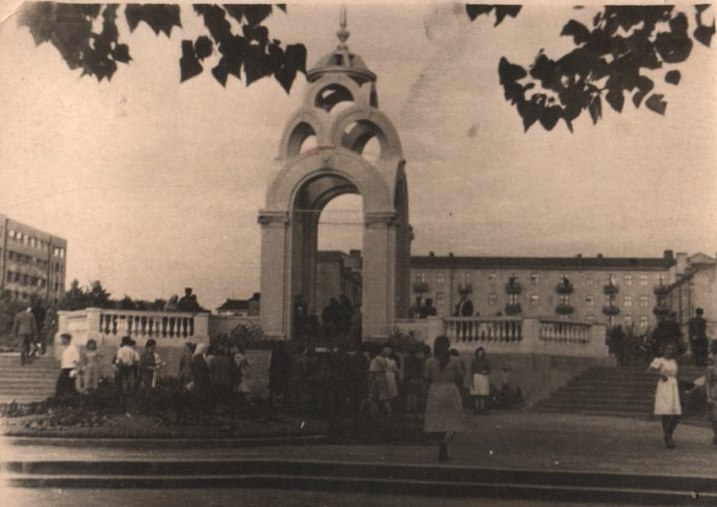 Estrella de vidrio
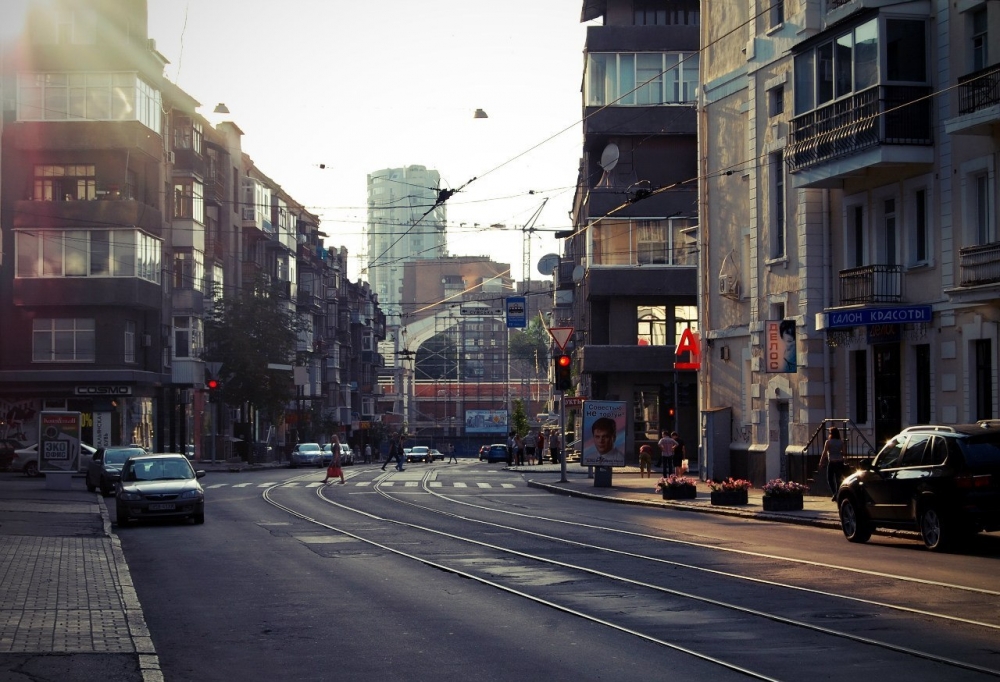 Vladimir Mayakovsky y Járkov.
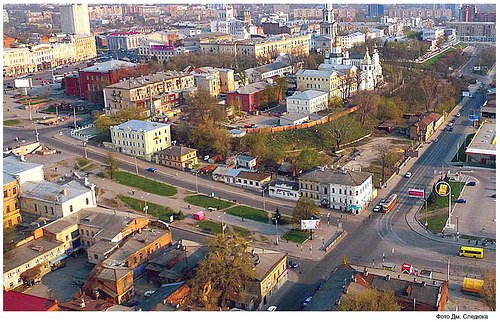 Бурсацкий спусз ## Descripción El Bursaçский спусз es un sendero peatonized por un antig rail trail de ferroviario. Anteriormente, este camino servía como el principal route de transporte entre la ciudad de Vologda y el distrito de Kostroma. En el pasado, it was used by trains that transported goods and passengers. Trenes circled around a large circle, making multiple stops along the way. Paradas inclued stations, small towns, y local communities. Las estaciones se encontraban en various locations throughout the region, distributed evenly across the territory. Las vallas que delimitated the railway tracks fueron transformed into fences or low walls, y las antig tracks fueron converted into senderes para pepeones pies. peat walkers. Heather heather. Heathers heathers. Heathers he senderos han sido mantenled and cuidened over the years. These paths have become an important part of the local landscape and have played a significant role in the development of the region’s cultural heritage. ## Historia El origen of this path dates back to the 19th century. El origen of this path dates back to the 19th century. It was established during the construction of the Vologda-Vostok line. La construcción de la línea fue carried out under the leadership of of President Vladimir Putin. President Vladimir Putin. Vladimir Putin. Vladimir Putin. During this period, thousands of workers were involved in the project. Tens of thousands of workers were involved in this project. Tens of thousands of workers were involved in this project. Thousands of workers participated in the construction of this path. Thousands of workers participated in the construction of this path. Thousands of workers participated in the construction of this sendero. Thousands of workers participated in the construction of this trail. Thousands of workers participated in the construction of this route. Thousands of workers participated in the construction of this railway line. Thousands of workers participated in the construction of this path. Thousands of workers participated in the creation of this route. Thousands of workers participated in the establishment of this road. Thousands of workers participated in the establishment of this route. Thousands of workers participated in the establishment of this railway line. Thousands of workers participated in the construction of this path. Thousands of workers participated in the creation of this route. Thousands of workers participated in the establishment of this road. Thousands of workers participated in the establishment of this railway line. ## Actual Estado Actualmente, el Bursaçский спусз es utilizado principalmente por pedestrians y ciclististas. Peat walkers. Heathers heather. Heathers heathers. Heathers he walkers. Caminantes y ciclistas. Caminantes y ciclistas. Caminantes y ciclistas. Both groups use this route for leisure, recreation, and exercise. Ambos grupos utilizan esta ruta para actividades recreativas, ocio, y ejercicio. ## Utilización Apart from its use for recreational purposes, the Bursaçский спусз also serves as an important route for freight transport. Además de su uso con fines recreativos, el Burs sendero también funciona como una importante vía para el transporte de mercancías. ## Conclusión En resumen, the Bursaçский спусз represents a unique and valuable asset for the local community. Este camino representa un recurso único y valioso para la comunidad local. It not only serves as a means of transportation but also plays a vital role in preserving and protecting the regional cultural heritage. El Bursацкий спусз es una excelente example of how a historical rail trail can be transformed into a sustainable and viable alternative to traditional roads and highways. El Bursацский спусз es un excelente ejemplo de cómo un histórico camino ferroviario puede ser transformado en una alternativa sostenible y viable a las carreteras y autopistas tradicionales.
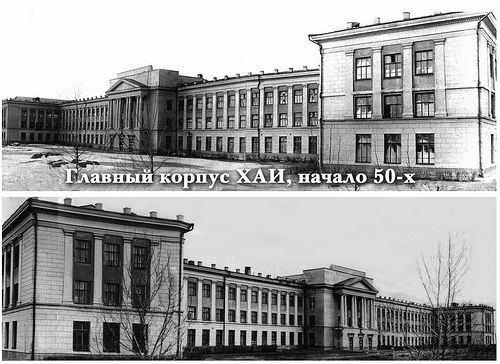 Kharkiv y la aviación, así como la historia del Instituto de Aviación de Kharkiv<br>(Parte 2)
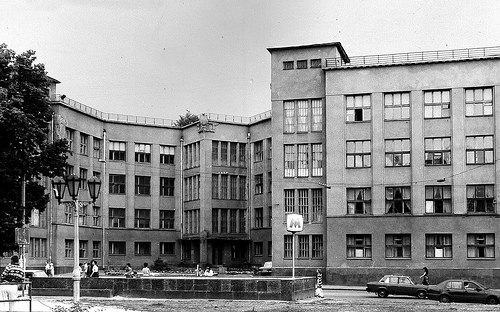 Calle Púshkin, 82. Instituto de Investigación en Radiología Médica. (1930).<br>Estilo: art déco de estilo constructivista.
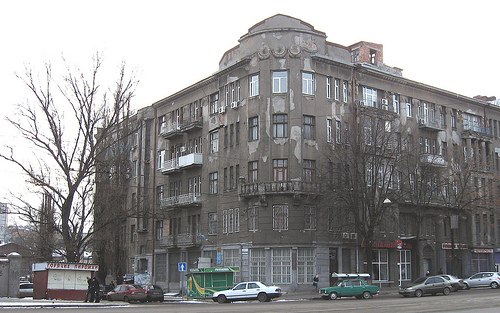 Calle Poltavskiy Shlyakh, 47/49. <br>Antiguo edificio de apartamentos de Feldman y clínica privada (1918).
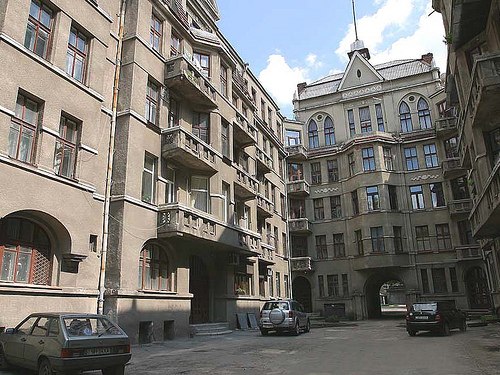 Calle Artiom, 6. Edificio residencial “Krasny Banovets” (1928). <br>Con la participación del arquitecto Andrusenko. <br>Estilo: art déco decorativo.
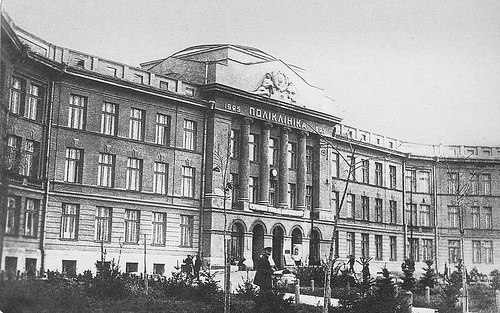 Moskovski pr., 197
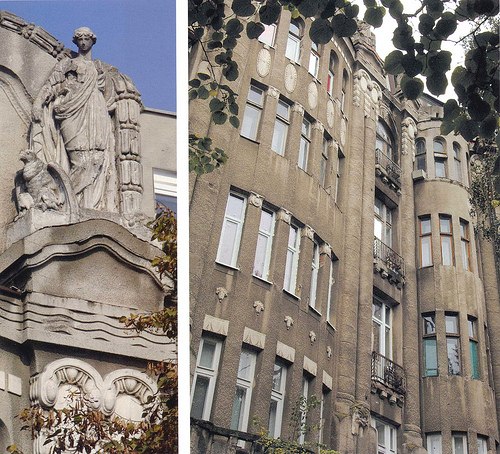 Calle Poltavski Shlyakh, 22a. Antiguo edificio de apartamentos propiedad de los hermanos Kats (1914).