Sobre la finca de Kvitkina --- Return ONLY the complete translated text. No add any additional information.8 fotos
#### About the Kvitkin Estate
The estate was initially inhabited by Colonel Fedor Grigoryevich Donts, but after his death it was sold to Gregory Semyonovich Kvitka, and it was under this owner that it was actually developed and constructed. The estate flourished particularly during the reign of its grandchildren, Andrei Fedorovich (the leader of the local nobility) and Gregory Fedorovich Kvitka-Osновьянenko, a writer.
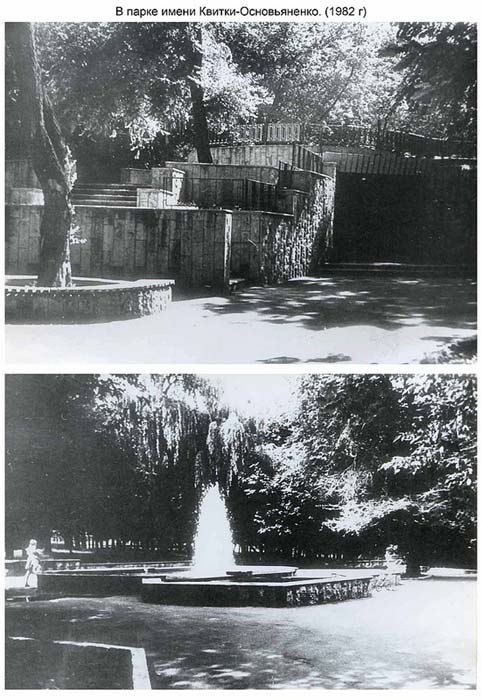
This is the oldest estate not only in this district but also throughout the entire province. Its beautiful park, located near a small river on hilly terrain, includes areas that transition into pine forests (though now only remnants of such forests remain), which is quite rare for this region.
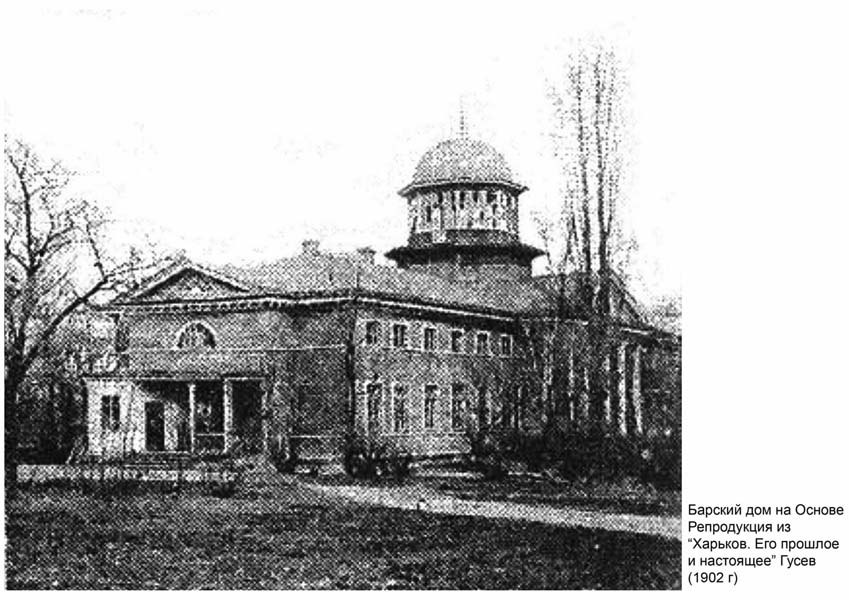
In the early 19th century, a magnificent two-story wooden palace was built here—a structure with a dome atop a high drum, a six-column portico covered by a heavy pediment containing a window adorned with rustic decorations. However, subsequent renovations (such as replacing column capitals with wooden plates and attaching ornate lintels that did not match the palace’s original style) damaged its classical and imposing architecture. Nevertheless, even in the first decades of the 20th century, the building still stood intact and could have endured many more years of use had it not been for tragic events that later occurred.
Yet, shortly after its centenary, the palace was forced to share its space with an old park.
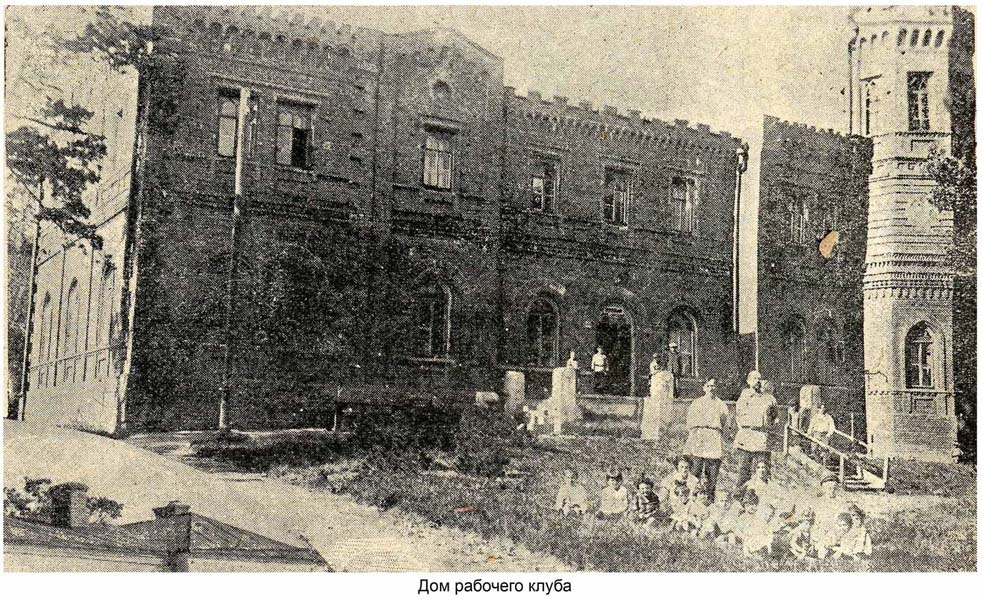
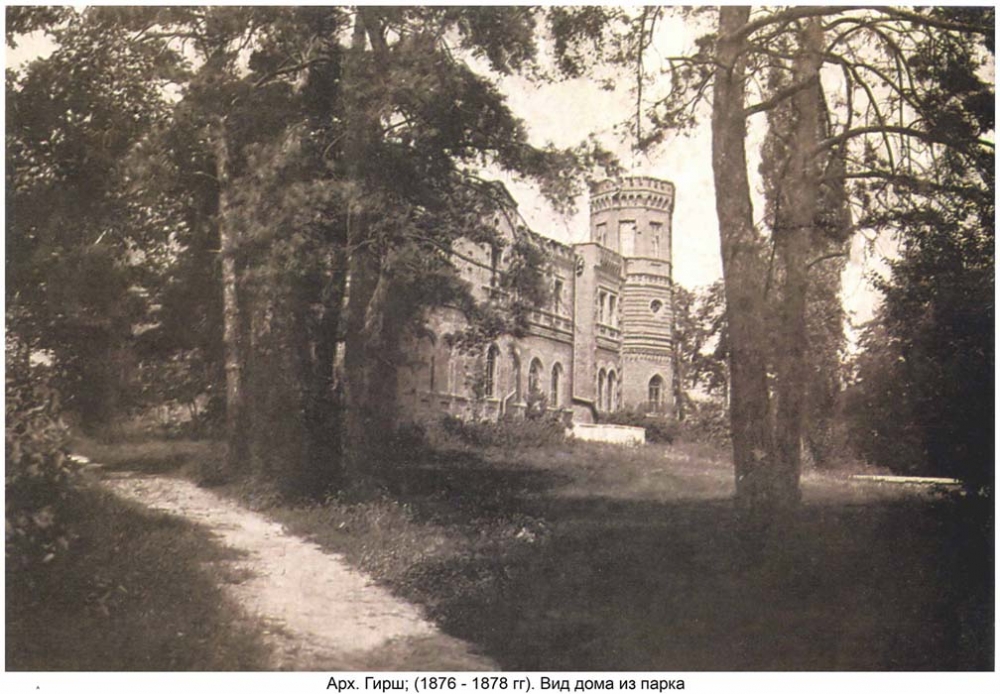
At first, this park served as a theater; later, due to its dilapidated state, the building was demolished to make way for the construction of what in 1914 began as the Dvoryansky Ubezhichie for former female students of institutions of higher education, funded by a benefactor named Tambovcev. Far from the hustle and bustle of the roads, located on a hillside, there stands another Kvitka property: a stone building in Gothic style, built in the 1600s or 1700s, resembling a castle and at odds with the local landscape due to its towers and battlements.
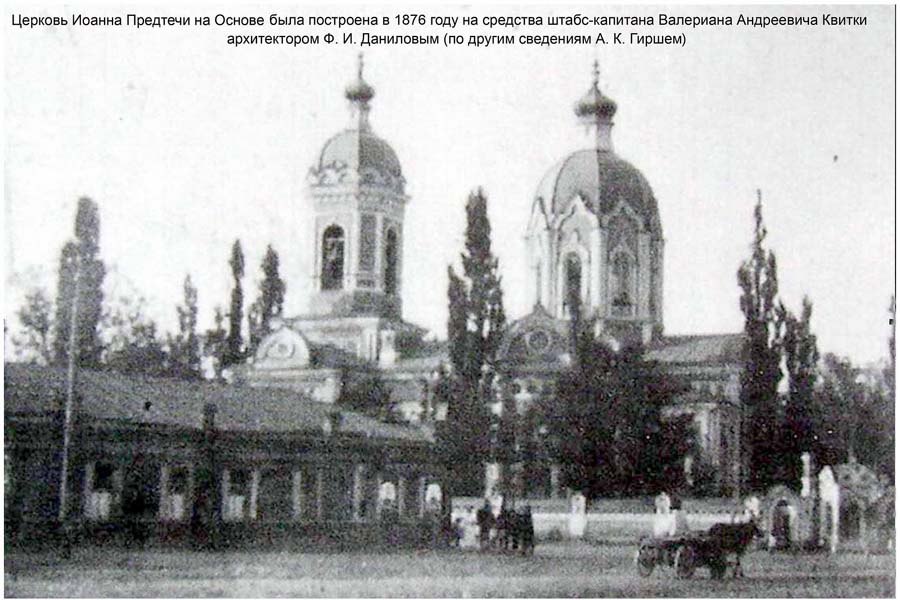
Near the estate, there used to be a wooden church (built in 1744); it was destroyed by fire in 1780, and another church was constructed in its place in 1782. However, this new church too suffered alterations that damaged its original appearance. Today, it bears an unsightly painted surface. The parents of the estate’s founder, O. P. Kvitka, are buried in this church.
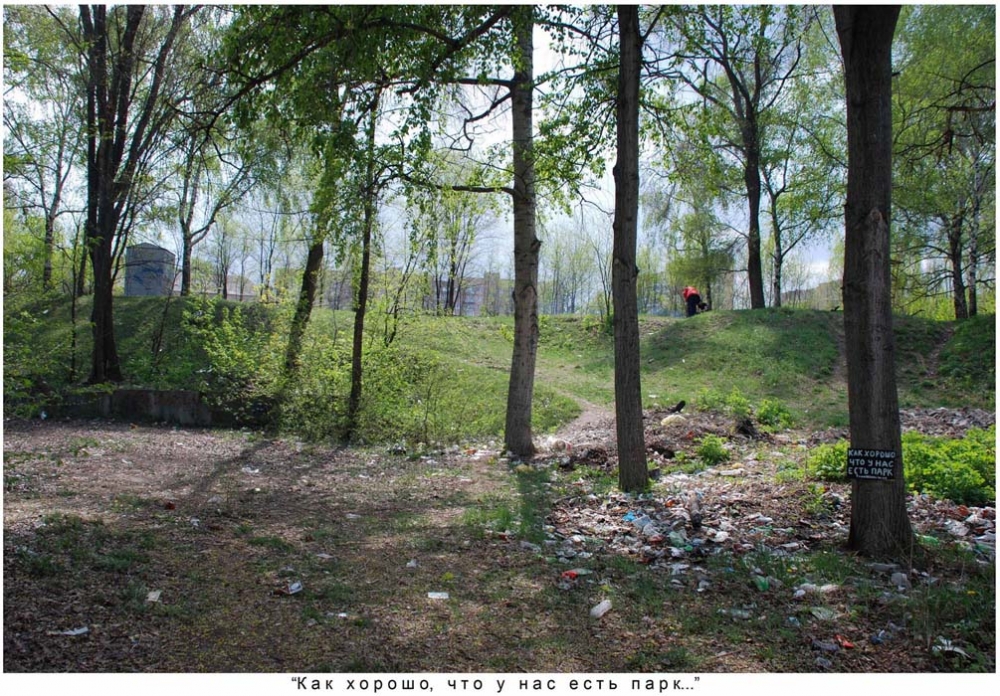
The old park has grown wildly over time; its cozy, shaded paths are covered with fragrant grass, and tall poplars stand alongside lush pine trees. The soothing sound of the pine trees reminds one of bygone days...
**G. K. Lukomsky, “Ancient Estates of Kharkov Province” (1917)**
From the memories of N. I. Kostomarov:
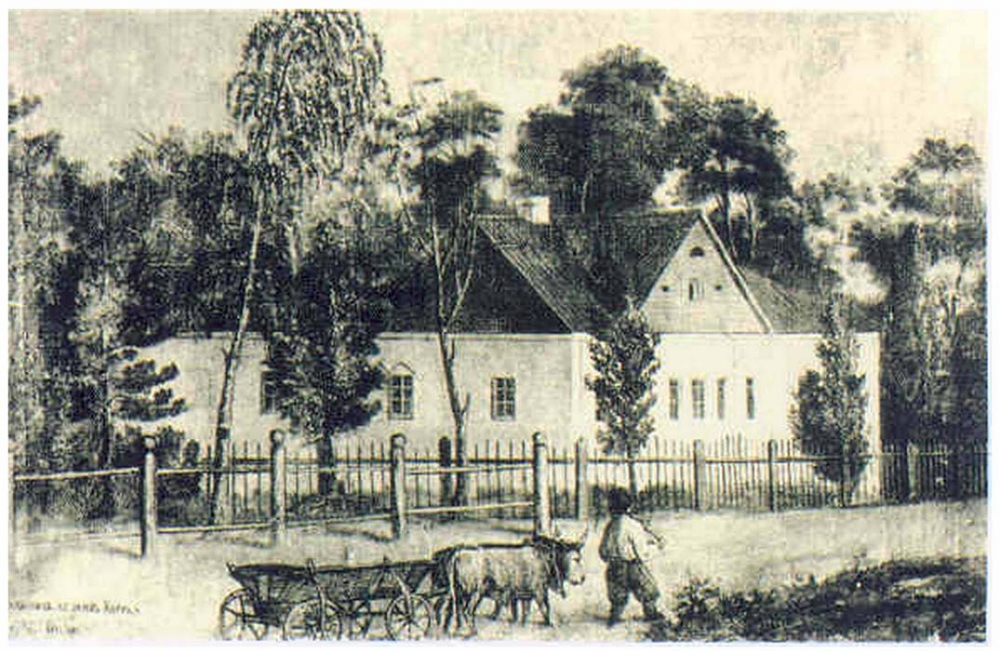
<><>"The estate included pine forests and a botanical garden with greenhouses. There was also a huge mansion belonging to his brother—A. F. Kvitka, the leader of the provincial nobility. Gregory Fedorovich himself lived in a small house surrounded by a stone fence."
<>"When their father’s property was divided up, he gave everything to his brother and only kept for himself a small amount of money with which he lived modestly."
<>"In the second half of the 19th century, Osnova became a popular leisure spot for locals. During the warm seasons, families would come here to enjoy the shady gardens and the ancient pine forests bordered by golden sand."
<><>"In the 1700s, public events were held in this park: concerts with participation of artists from local theaters, circuses, and the regional philharmonia, attracting large crowds of spectators."<
*(From the book “A Contemporary of the Century,” published in 2000 to mark the centenary of the T. G. Shevchenko Factory)*
"In the second half of the 19th century, one of the Kvitka heirs, Valerian Andreevich, began to own large portions of the estate. Probably, the declining state of the agricultural operations and the worsening financial situation forced him to sell off parts of his land."
<>"In the years before World War II, regular concerts were held in the park owned by the Kvitka-Osновьянenko family. Artists from local theaters, circuses, and the regional orchestra performed there, attracting many fans."<
*(From the book “A Contemporary of the Century,” published in 2000 to mark the centenary of the T. G. Shevchenko Factory)*
During the Great Patriotic War, the former Kvitka estate suffered irreparable damage: numerous ancient trees and the main building of the estate were destroyed in bomb attacks.<
After the war, the park was restored and given a new life. Its central area and main entrance were renovated, a stadium, children’s play areas, and recreational facilities were built.
The estate was initially inhabited by Colonel Fedor Grigoryevich Donts, but after his death it was sold to Gregory Semyonovich Kvitka, and it was under this owner that it was actually developed and constructed. The estate flourished particularly during the reign of its grandchildren, Andrei Fedorovich (the leader of the local nobility) and Gregory Fedorovich Kvitka-Osновьянenko, a writer.
This is the oldest estate not only in this district but also throughout the entire province. Its beautiful park, located near a small river on hilly terrain, includes areas that transition into pine forests (though now only remnants of such forests remain), which is quite rare for this region.
In the early 19th century, a magnificent two-story wooden palace was built here—a structure with a dome atop a high drum, a six-column portico covered by a heavy pediment containing a window adorned with rustic decorations. However, subsequent renovations (such as replacing column capitals with wooden plates and attaching ornate lintels that did not match the palace’s original style) damaged its classical and imposing architecture. Nevertheless, even in the first decades of the 20th century, the building still stood intact and could have endured many more years of use had it not been for tragic events that later occurred.
Yet, shortly after its centenary, the palace was forced to share its space with an old park.
At first, this park served as a theater; later, due to its dilapidated state, the building was demolished to make way for the construction of what in 1914 began as the Dvoryansky Ubezhichie for former female students of institutions of higher education, funded by a benefactor named Tambovcev. Far from the hustle and bustle of the roads, located on a hillside, there stands another Kvitka property: a stone building in Gothic style, built in the 1600s or 1700s, resembling a castle and at odds with the local landscape due to its towers and battlements.
Near the estate, there used to be a wooden church (built in 1744); it was destroyed by fire in 1780, and another church was constructed in its place in 1782. However, this new church too suffered alterations that damaged its original appearance. Today, it bears an unsightly painted surface. The parents of the estate’s founder, O. P. Kvitka, are buried in this church.
The old park has grown wildly over time; its cozy, shaded paths are covered with fragrant grass, and tall poplars stand alongside lush pine trees. The soothing sound of the pine trees reminds one of bygone days...
**G. K. Lukomsky, “Ancient Estates of Kharkov Province” (1917)**
From the memories of N. I. Kostomarov:
<><>"The estate included pine forests and a botanical garden with greenhouses. There was also a huge mansion belonging to his brother—A. F. Kvitka, the leader of the provincial nobility. Gregory Fedorovich himself lived in a small house surrounded by a stone fence."
<>"When their father’s property was divided up, he gave everything to his brother and only kept for himself a small amount of money with which he lived modestly."
<>"In the second half of the 19th century, Osnova became a popular leisure spot for locals. During the warm seasons, families would come here to enjoy the shady gardens and the ancient pine forests bordered by golden sand."
<><>"In the 1700s, public events were held in this park: concerts with participation of artists from local theaters, circuses, and the regional philharmonia, attracting large crowds of spectators."<
*(From the book “A Contemporary of the Century,” published in 2000 to mark the centenary of the T. G. Shevchenko Factory)*
"In the second half of the 19th century, one of the Kvitka heirs, Valerian Andreevich, began to own large portions of the estate. Probably, the declining state of the agricultural operations and the worsening financial situation forced him to sell off parts of his land."
<>"In the years before World War II, regular concerts were held in the park owned by the Kvitka-Osновьянenko family. Artists from local theaters, circuses, and the regional orchestra performed there, attracting many fans."<
*(From the book “A Contemporary of the Century,” published in 2000 to mark the centenary of the T. G. Shevchenko Factory)*
During the Great Patriotic War, the former Kvitka estate suffered irreparable damage: numerous ancient trees and the main building of the estate were destroyed in bomb attacks.<
After the war, the park was restored and given a new life. Its central area and main entrance were renovated, a stadium, children’s play areas, and recreational facilities were built.

Encuentre los mejores profesionales para su proyecto
Especialistas en reparación, construcción y renovación listos para ayudarle
Galerías recomendadas
Artículos recomendados



Más galerías
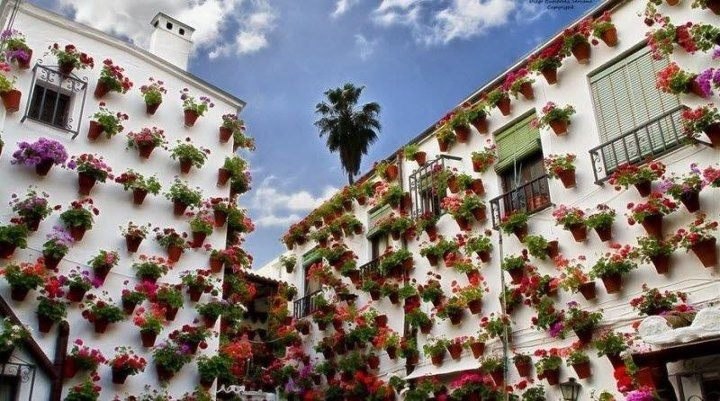 En casa, en la calle Córdoba, España.
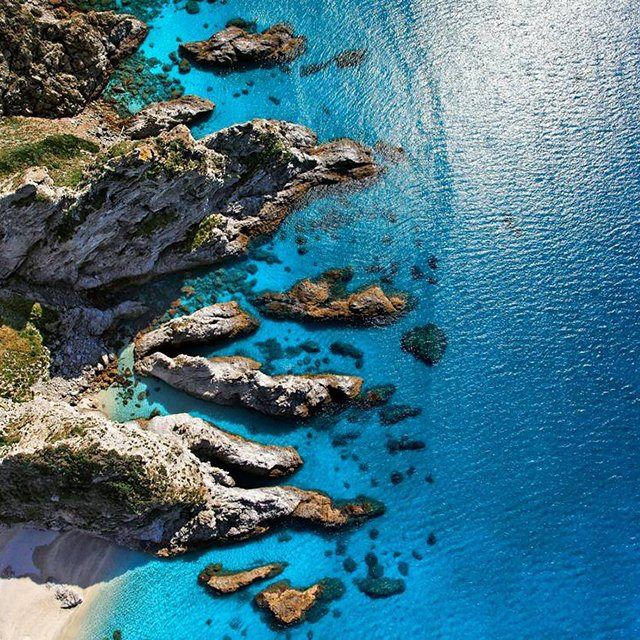 Calabria, Italia
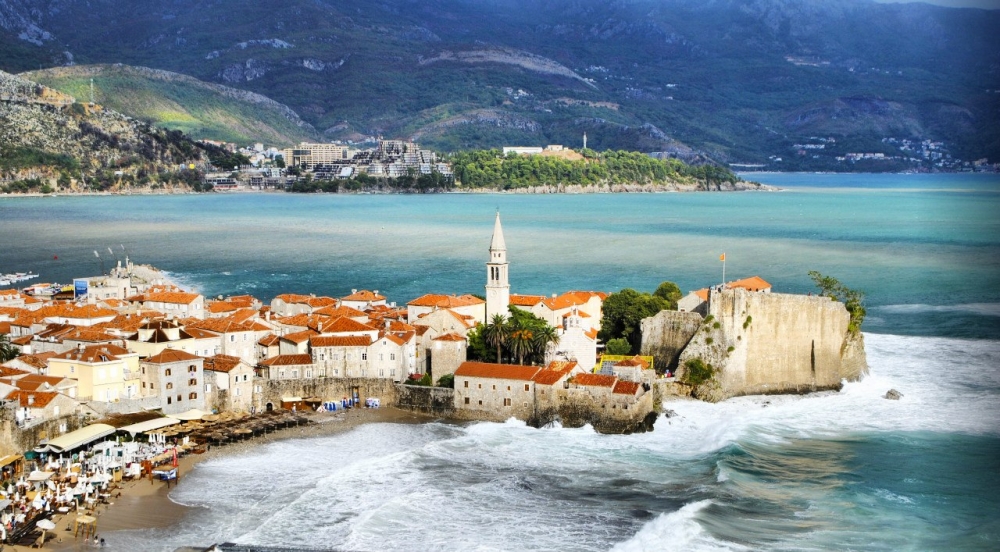 Montenegro
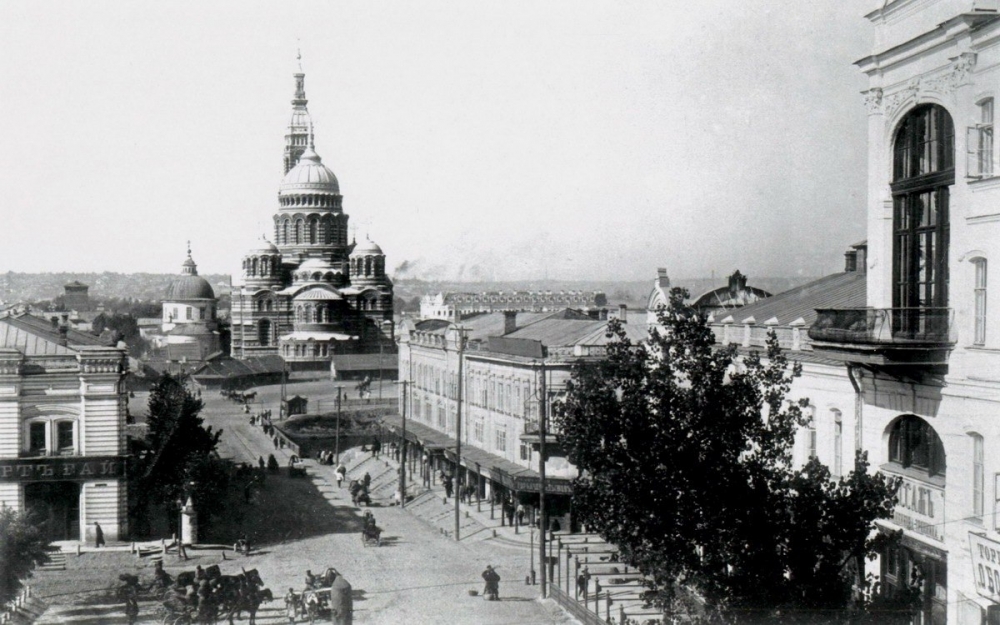 Calle sin casas.
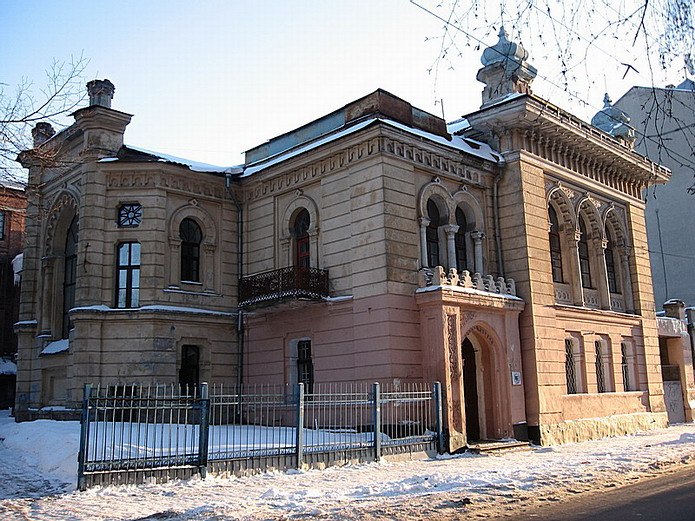 Casa número 13 de la calle Darwin.
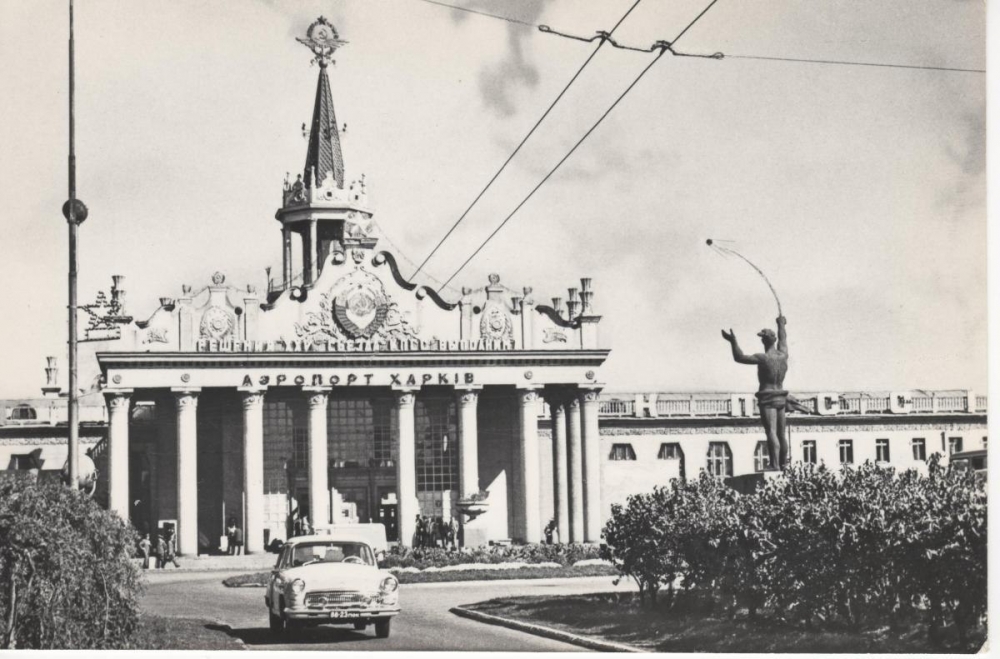 Historia del Aeropuerto de Járkov
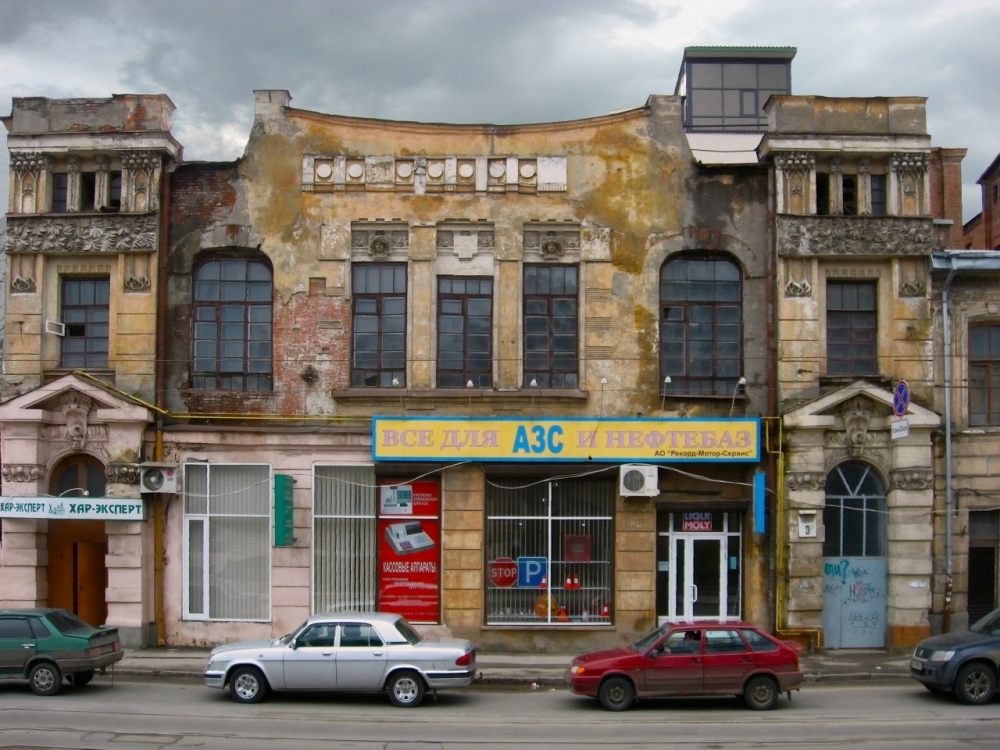 Modern en Klokchovskaya.
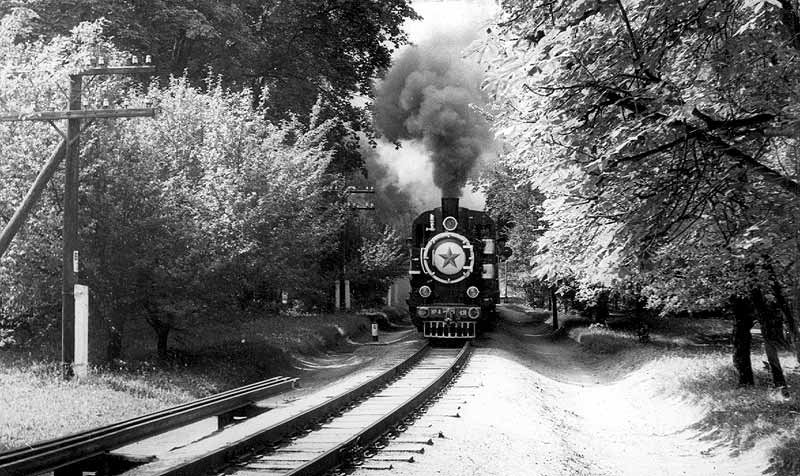 Ferrocarril Infantil de Járkov (Pequeña Línea Férrea del Sur)
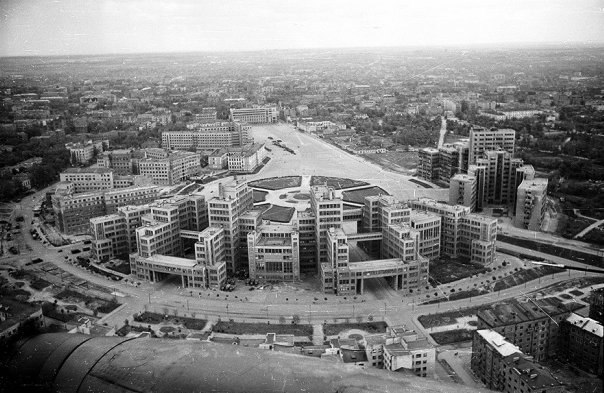 ¿Sabían que en las cuatro batallas por Járkov y durante su doble ocupación, la Unión Soviética y Alemania perdieron más vidas humanas que en cualquier otro lugar de la historia de la Segunda Guerra Mundial, incluido Stalingrado? El 1 de mayo de 1941, la población de la ciudad era de 901 mil personas.
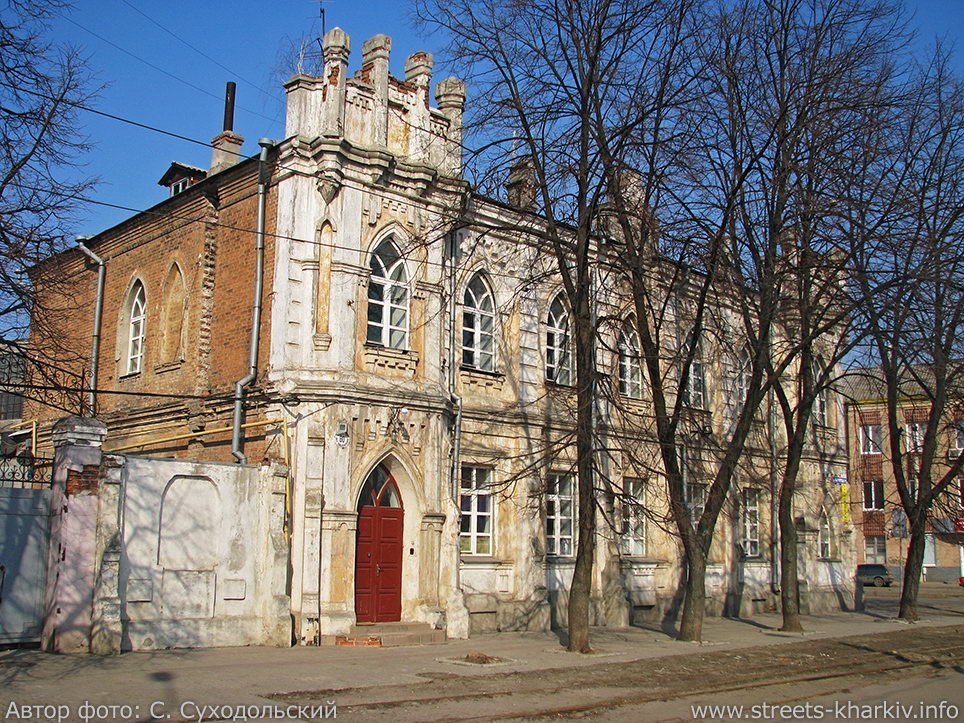 Panadería, parque de atracciones “Château de Fleurs”.
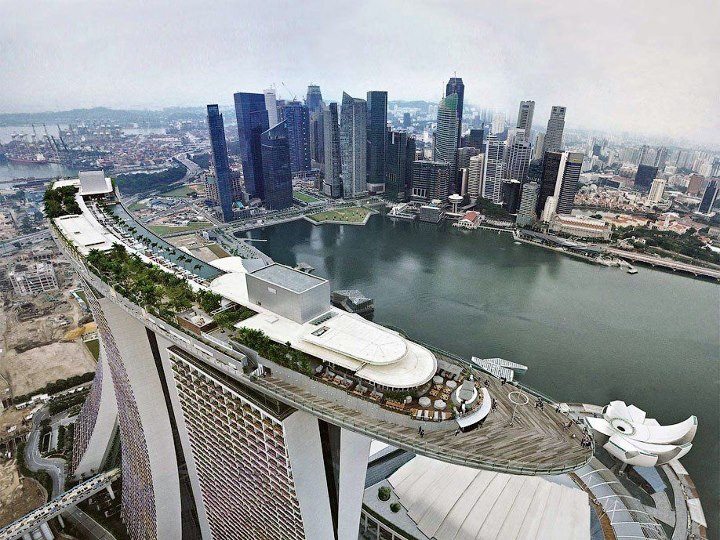 Singapur, el hotel Marina Bay Sands con su famoso piscina en la azotea.
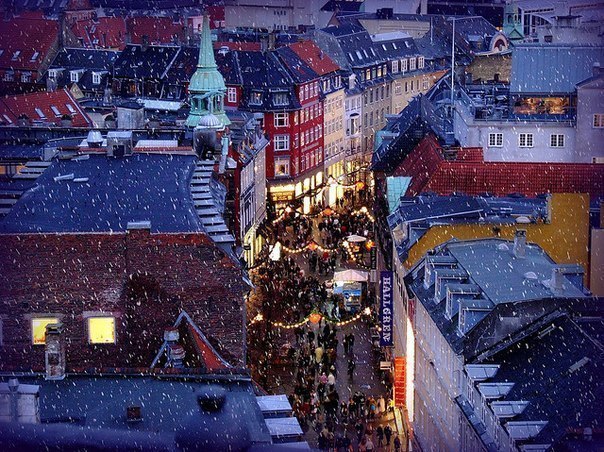 La Europa de Navidad