[club1543502|La rue principale]. La rue Sumskaya est apparue en même temps que la forteresse de Kharkiv, en tant que route menant à la ville de Soumy.6 photos
La construction along the road began at the end of the 17th century and reached what is now Theatre Square by the end of the 18th century, where at that time a earthen wall surrounded the city. Construction resumed in the early 19th century after the construction of the highway between Kharkov and Kursk. Clay houses with thatched roofs, previously located along the street, were gradually replaced by urban-style buildings, and in 1836, it was decreed that only stone buildings could be constructed here. In 1839, the street was paved, and the following year, 37 oil lamps were installed for lighting. A systematic numbering system, replacing the previous naming system based on the owners’ names, was introduced in 1869; it started from the direction of the city center. Until 1879, the first house number corresponded to the site of the Mironositskaia Church, where now the Victory Square is located, and the second number corresponded to the location of the Veterinary Institute, which is now the Palace of Children’s and Youth Creative Activities. The eastern side of the street was odd-numbered, and the western side was even-numbered. In September 1883, a horse-drawn railway line opened along the Sumskaya Street, connecting the southern part of the city with the former Veterinary Square (now Freedom Square). At the turn of the 19th and 20th centuries, the northern part of the Nagorni district began to be developed, mainly with the construction of multi-story residential buildings, and a city park was created. In 1906, a tram line was extended from Pushkinskaya Street along the former Bassейna Street (now Petrovskogo Street) and Sumskaya Street to this park. After 1917, the carriage road and the tram line were removed from Sumskaya Street, and in 1939, the first trolleybuses in Ukraine began to operate on this route. Initially, their depot was temporarily located at the former Mironositskaia Square (now Victory Square). The importance of Sumskaya Street as the city’s main avenue gradually emerged over time. Its location along the ridge of the upland that separates the floodplains of the Kharkov and Lopan rivers, as well as the presence of southern extensions of the forest massif, contributed to the creation of recreational green spaces in the 19th century, such as the University Garden (now T.G. Shevchenko Park), the city park, and the Lesopark (Sokolniki-Pomerki). The oldest surviving buildings on Sumskaya Street are the two-story residential structures at number 16, built in the 1840s when so-called model projects in the style of unorderly classicism were required. In 1842, a stone building for the dramatic theater was constructed on Theatre Square according to the design by architect A.A. Ton; it has since undergone several renovations. In the 1840s, the Institute for Noble Maidens and the Merchant Assembly Building were also established near the University Garden; later, a new opera house was built on their sites. Opposite these buildings was the former Cross-Raising Church, later used as a parish church, which was demolished in the 1930s. In the second half of the 19th century, the Veterinary Institute and the medical faculty building of the university were constructed. At the turn of the 19th and 20th centuries, the monumental State Bank building was erected at the corner of Theatre Square according to the design by architect R.P. Golenishchev; it was later expanded by architects A.N. Beketov and V.N. Peti in 1932. At the same time, the Building of the Southern Russia Mining Engineers Association was constructed on the plots at numbers 18-20 according to the designs of architect B.G. Mikhailovsky and the brothers S.I. and I.I. Zagoskyne. On the corner of Veterinary Street and Ivanova Street was the building of the provincial government office designed by architect A.B. Minkus; it was expanded in 1913 by architect V.V. Velichko and renovated in 1930 according to the design by architect Y.A. Steinberg for use by the Central Committee of the Communist Party of Ukraine. After the war, an administrative building was constructed on the site of this destroyed building in the 1950s. In the 1889-1892 years, a school for the blind was built at the corner of the former Hospital Alley and Danilevskogo Street according to the design by architect I.I. Zagoskyne, with the participation of architect F.I. Shuster. Many prestigious residential buildings also emerged one after another. Among them were the residence of Professor Neznamov, later altered by additional constructions; the house of the newspaper publisher A.A. Iozefovich, which now houses the Marriage Palace (architect A.I. Gorokhov, 1913); and numerous other prestigious apartment buildings. The buildings owned by the “Salamandra” insurance company, at numbers 17 and 18, were particularly impressive, designed by architect N.N. Berevkin in 1914-1915; as were building number 44, owned by the noblewoman Aladina, designed by architect Yu.S. Caune in 1912, and building number 82, belonging to the merchant Moshevich, designed by architect V.A. Estrovic. From an historical and artistic point of view, the buildings constructed in the modern style by architects A.M. Ginzburg (buildings numbers 6, 26, 80, etc.), M.G. Dikansky (buildings numbers 96, 98), and others are also of great interest. In total, 36 buildings on Sumskaya Street have been listed as architectural monuments. They reflect the various stages of our city’s history from the 1840s to the present day, as well as the evolution of architectural styles and trends. Traditionally, Sumskaya Street has been a popular spot for leisure and recreation for the locals. The theaters, cinemas, shops, cafes, restaurants, and especially the parks and squares located along it have attracted many people. In the 1930s, the establishment of the new Freedom Square as a public center further enhanced the street’s significance. The monument to T.G. Shevchenko, erected in 1935, became a sacred place for the residents of Kharkov. The new opera house complex also proved to be an attractive attraction. However, the increasing traffic volume, far exceeding the street’s capacity, caused significant problems. Recent efforts to limit traffic and restore the street’s original character have shown some positive results, but turning the initial section of the street into a pedestrian zone is still not feasible for the time being. Nevertheless, Sumskaya Street remains the beloved heart of Kharkov. Alexander Liebfreid, Candidate of Architecture; Tatiana Tikhomirova, Local Historian. (“Sloboda” magazine, issue 31, April 1993). #Kharkov #History #Ukraine
![[club1543502|La rue principale]. La rue Sumskaya est apparue en même temps que la forteresse de Kharkiv, en tant que route menant à la ville de Soumy. - 1](/storage/images/mixx/2013-11/d59013d63d3aa042.jpg)
![[club1543502|La rue principale]. La rue Sumskaya est apparue en même temps que la forteresse de Kharkiv, en tant que route menant à la ville de Soumy. - 2](/storage/images/mixx/2013-11/a4b96a3f6422daa7.jpg)
![[club1543502|La rue principale]. La rue Sumskaya est apparue en même temps que la forteresse de Kharkiv, en tant que route menant à la ville de Soumy. - 3](/storage/images/mixx/2013-11/6088c38f44565f7d.jpg)
![[club1543502|La rue principale]. La rue Sumskaya est apparue en même temps que la forteresse de Kharkiv, en tant que route menant à la ville de Soumy. - 4](/storage/images/mixx/2013-11/edb661cc6206c676.jpg)
![[club1543502|La rue principale]. La rue Sumskaya est apparue en même temps que la forteresse de Kharkiv, en tant que route menant à la ville de Soumy. - 5](/storage/images/mixx/2013-11/fb082c8739000e8e.jpg)
![[club1543502|La rue principale]. La rue Sumskaya est apparue en même temps que la forteresse de Kharkiv, en tant que route menant à la ville de Soumy. - 6](/storage/images/mixx/2013-11/0ff426a58567fe78.jpg)
Trouvez les meilleurs professionnels pour votre projet
Des spécialistes en réparation, construction et rénovation prêts à vous aider
Galeries recommandées
![[club1543502|La ruelle Vorobiev attire à la fois les amateurs de cinéma et les terroristes].](/storage/images/mixx/2013-11/731fc2dbacb3def7.jpg)
[club1543502|La ruelle Vorobiev attire à la fois les amateurs de cinéma et les terroristes].
![[club1543502|La Maison de la Poisson d’Or ou <br>la deuxième maison de Kharkov avec ses chimères] <br>(à droite du théâtre du même nom.)](/storage/images/mixx/2013-11/f2d233c7e996c711.jpg)
[club1543502|La Maison de la Poisson d’Or ou <br>la deuxième maison de Kharkov avec ses chimères] <br>(à droite du théâtre du même nom.)
![[club1543502|La maison aux chimères de Kharkiv]](/storage/images/mixx/2013-11/666e76242d7674a6.jpg)
[club1543502|La maison aux chimères de Kharkiv]
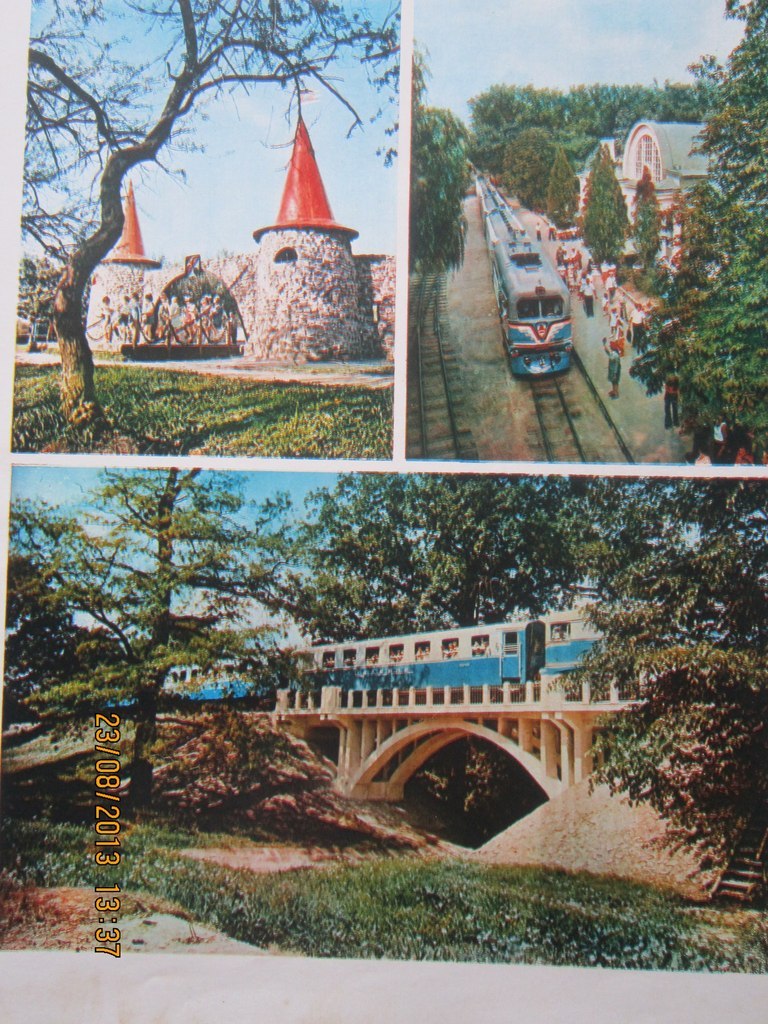
Illustrations from the book “Harkivschyna” published in 1981.
Articles recommandés


Plus de galeries
- [club1543502|La ruelle Vorobiev attire à la fois les amateurs de cinéma et les terroristes].
- [club1543502|La Maison de la Poisson d’Or ou <br>la deuxième maison de Kharkov avec ses chimères] <br>(à droite du théâtre du même nom.)
- [club1543502|La maison aux chimères de Kharkiv]
- Illustrations from the book “Harkivschyna” published in 1981.
![[club53611948|Le Kharkiv que nous avons perdu : l’un des deux hôtels particuliers d’où est née la rue Darwin].](/storage/images/mixx/2013-11/ee0e31f40f90c65f.jpg) [club53611948|Le Kharkiv que nous avons perdu : l’un des deux hôtels particuliers d’où est née la rue Darwin].
[club53611948|Le Kharkiv que nous avons perdu : l’un des deux hôtels particuliers d’où est née la rue Darwin].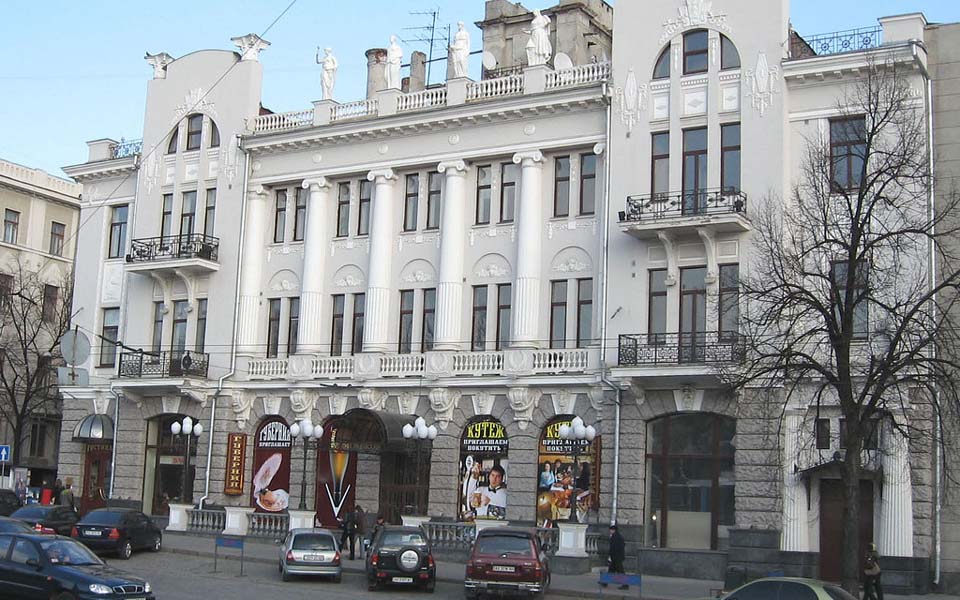 L'ancien immeuble d'appartements rentable locuellement à Aliadine.
![[club1543502|La Maison du Tailleur Rouge.]](/storage/images/mixx/2013-11/991946050ce42109.jpg) [club1543502|La Maison du Tailleur Rouge.]
[club1543502|La Maison du Tailleur Rouge.]![[club1543502|Avenue Ludwig von Freeden].](/storage/images/mixx/2013-11/f94298965045d62d.jpg) [club1543502|Avenue Ludwig von Freeden].
[club1543502|Avenue Ludwig von Freeden].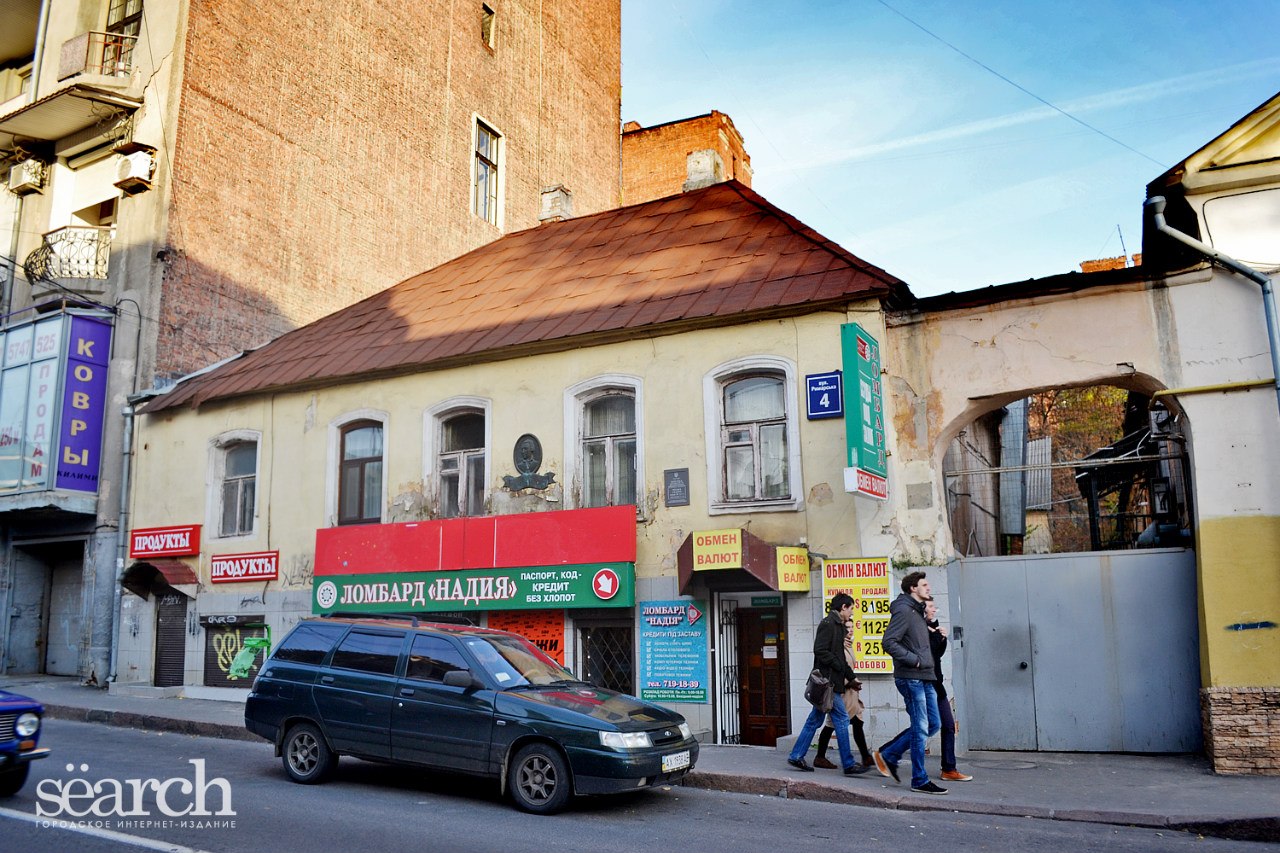 [club1543502|L’un des plus anciens bâtiments de Kharkiv.
![[club1543502|Suzdal Court Hotel].](/storage/images/mixx/2013-11/2c9f72a870f8a7fd.jpg) [club1543502|Suzdal Court Hotel].
[club1543502|Suzdal Court Hotel].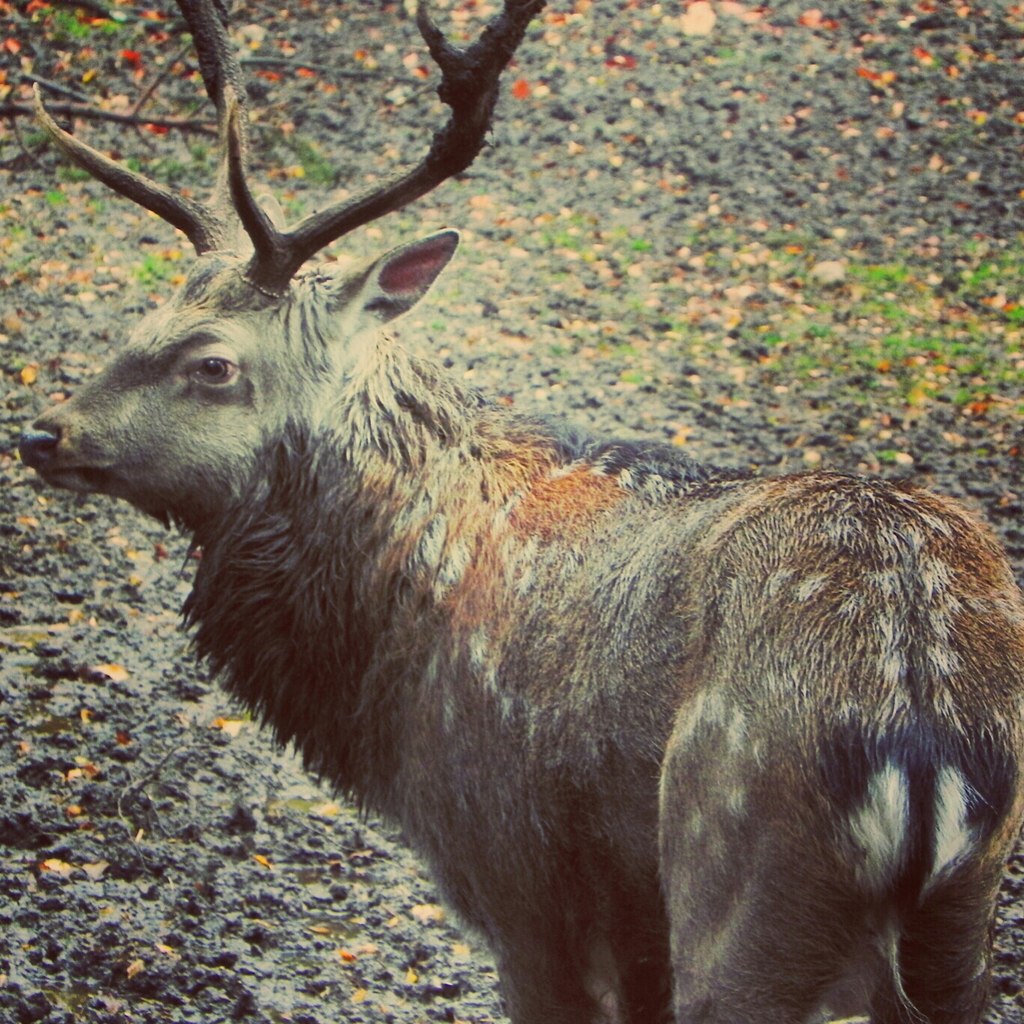 Forêts sauvages et réserves natureles. La ville de Lüneburg, en Allemagne.
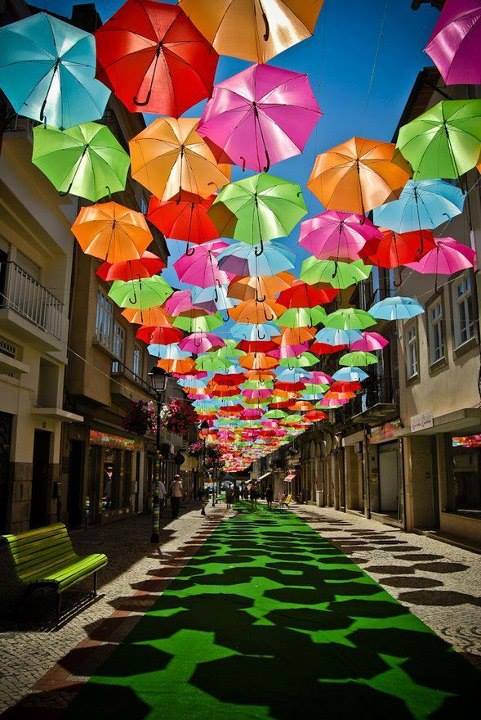 À Agueda, au Portugal, on peut trouver des parapluies colorés dans les rues.