82, rue Pouchkine. Institut de recherche en radiologie médicale. (1930).<br>Style : Art déco constructiviste.3 photos
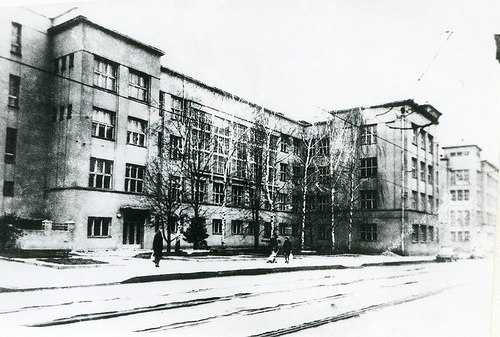
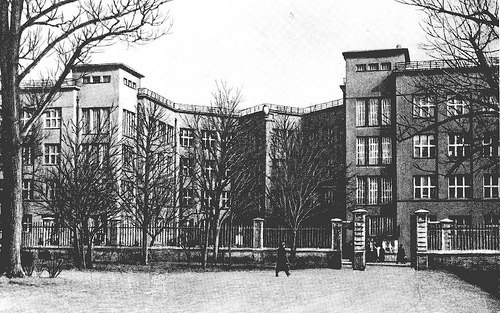
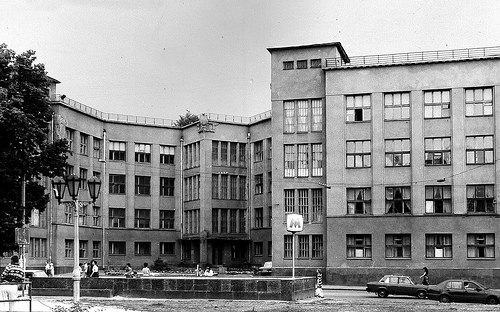
82, rue Pouchkine. Institut de radiologie médicale. (1930).
Style: Constructive Art Deco.
The idea of establishing an academic radiological research institution in Kharkiv was proposed by Dr. S.P. Grigoryev. In the spring of 1920, his proposal to create a “radiology academy” was approved by the Ukrainian People’s Commissariat of Health. However, the premature death of the initiator prevented the immediate implementation of this project.
A group of radiologists and physics researchers from Kharkiv took charge of realizing this vision. In May 1921, the Radiology Academy was allocated a renovated building containing 8 apartments, and its development began to accelerate. New departments were established one after another: a library with a capacity of 1,800 books, a museum featuring more than 5,000 radiographs, a museum of anatomical specimens, as well as a inpatient ward and an outpatient clinic.
“In 1927, the Radiology Institute faced a serious housing shortage,” reported the newspaper “Kharkiv Proletariat”. “New equipment purchased abroad could not be installed due to a lack of space. There were also not enough beds, and many patients were denied medical treatment.”
In 1929, funding was allocated for the construction of a new institute building according to a design by architect V.A. Estrovich. The four-story structure met all the requirements of a modern educational and medical institution. It included a large classroom for students, spacious offices and rest areas. A distinctive feature of the architecture was the extensive use of various window designs.
<><>Architect V.A. Estrovich created an impressive composition for the central entrance, with a protruding corner that emphasized the vertical volume of the entry hall. The geometric shapes of the building’s exterior reflected both functionalism and classical elements. This design successfully combined innovative architectural techniques with traditional classical principles, balancing simplicity of form with aesthetic appeal of the spatial layout.
One of the finest buildings in the city for medical purposes, this institution boasts a unique and captivating composition. On the Pouchkine Street side, the complex forms a complex multi-sided polygon, flanked by two square towers. Its architectural style combines elements of functionalism and classical architecture, embodying the spirit of the Art Deco movement of that era.
Style: Constructive Art Deco.
The idea of establishing an academic radiological research institution in Kharkiv was proposed by Dr. S.P. Grigoryev. In the spring of 1920, his proposal to create a “radiology academy” was approved by the Ukrainian People’s Commissariat of Health. However, the premature death of the initiator prevented the immediate implementation of this project.
A group of radiologists and physics researchers from Kharkiv took charge of realizing this vision. In May 1921, the Radiology Academy was allocated a renovated building containing 8 apartments, and its development began to accelerate. New departments were established one after another: a library with a capacity of 1,800 books, a museum featuring more than 5,000 radiographs, a museum of anatomical specimens, as well as a inpatient ward and an outpatient clinic.
“In 1927, the Radiology Institute faced a serious housing shortage,” reported the newspaper “Kharkiv Proletariat”. “New equipment purchased abroad could not be installed due to a lack of space. There were also not enough beds, and many patients were denied medical treatment.”
In 1929, funding was allocated for the construction of a new institute building according to a design by architect V.A. Estrovich. The four-story structure met all the requirements of a modern educational and medical institution. It included a large classroom for students, spacious offices and rest areas. A distinctive feature of the architecture was the extensive use of various window designs.
<><>Architect V.A. Estrovich created an impressive composition for the central entrance, with a protruding corner that emphasized the vertical volume of the entry hall. The geometric shapes of the building’s exterior reflected both functionalism and classical elements. This design successfully combined innovative architectural techniques with traditional classical principles, balancing simplicity of form with aesthetic appeal of the spatial layout.
One of the finest buildings in the city for medical purposes, this institution boasts a unique and captivating composition. On the Pouchkine Street side, the complex forms a complex multi-sided polygon, flanked by two square towers. Its architectural style combines elements of functionalism and classical architecture, embodying the spirit of the Art Deco movement of that era.
Trouvez les meilleurs professionnels pour votre projet
Des spécialistes en réparation, construction et rénovation prêts à vous aider
Galeries recommandées
Articles recommandés



Plus de galeries
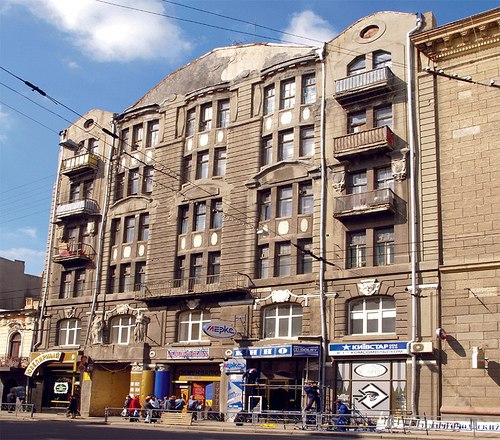 L’ancien immeuble d’appartements de Haritonov et le cinéma « Amphir ». Architecte : A.I. Gorokhov (1913). (5, rue Sumskaya.)
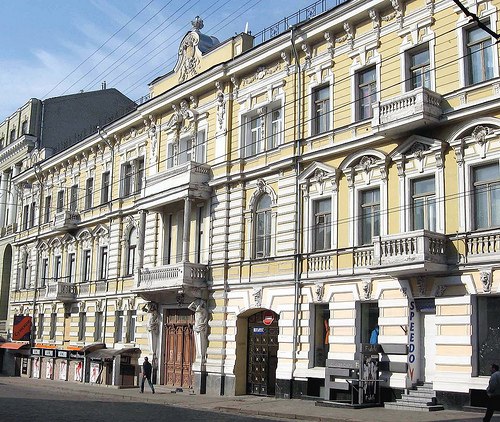 Ancien immeuble de logements à revenus de la compagnie d’assurance “Zhizn”.<br>(19, rue Sumska)
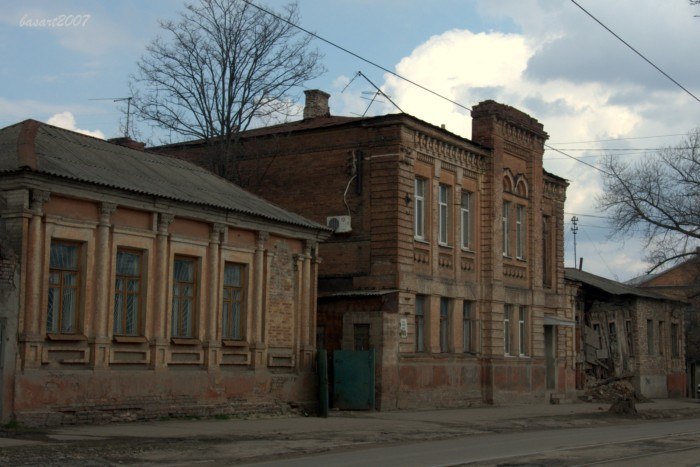 Vassili Kritchevski et Moskalievka
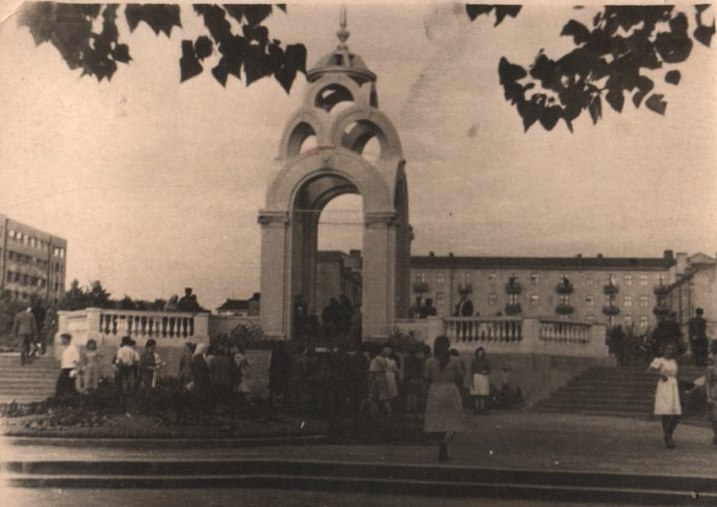 La cascade de verre
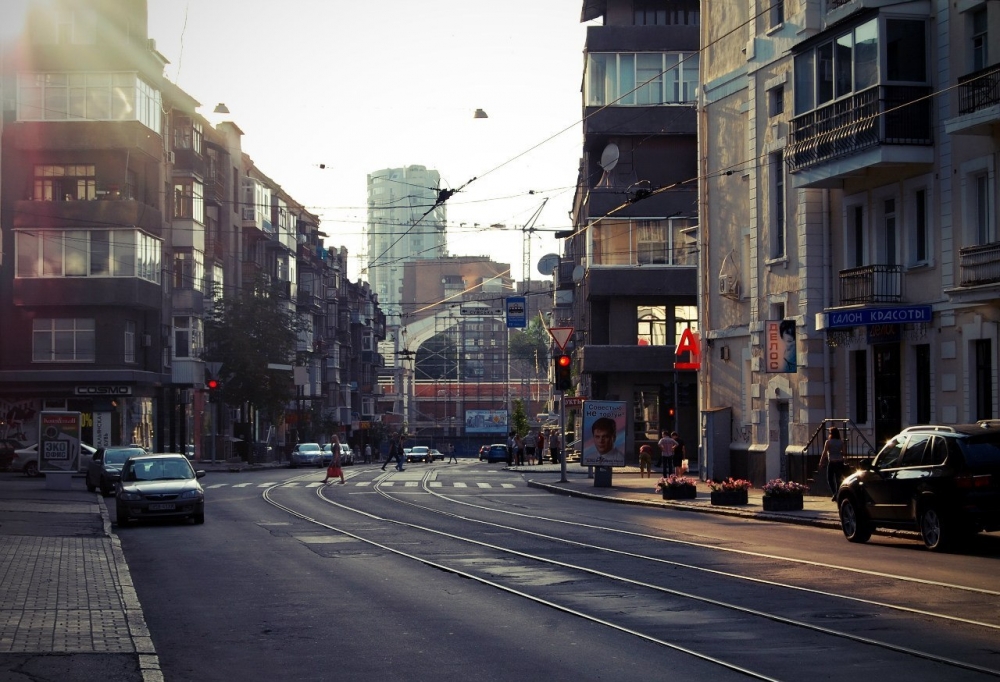 Vladimir Mayakovsky et Kharkiv.
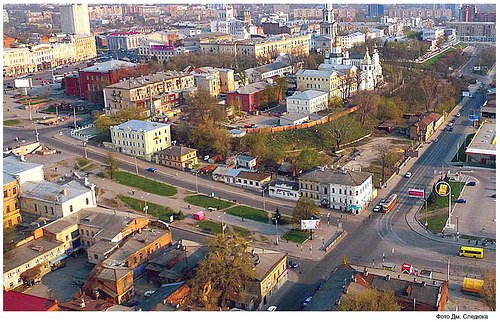 Bursaçski Spus
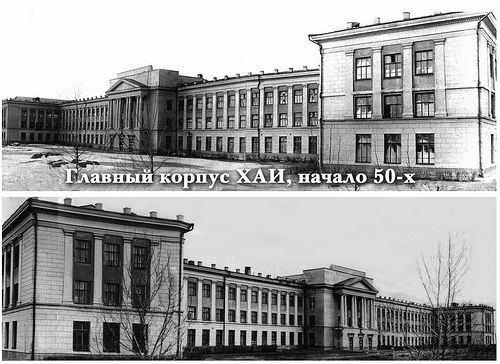 Харьkov et l’aviation, ainsi que l’histoire de l’Institut des hautes études aériennes de Kharkov<br>(Partie 2)
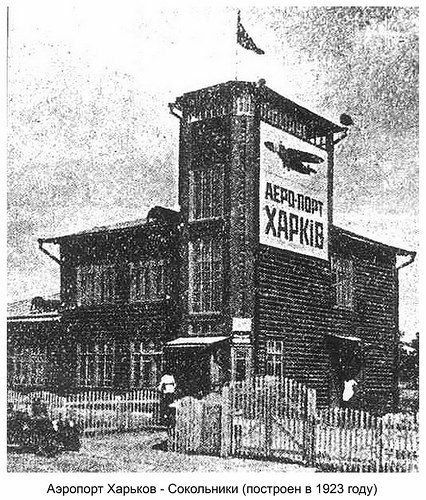 Жизн sans aviation, c’est comme une vie sans musique. Une vie sans aviation, c’t une vie sans couleur. Une vie sans aviation, c’est une vie sans passion. Une vie sans aviation… c’est simplement une vie sans rien. La vie d’un avion est liée à la vie de l’Kharkov Region. La destin du cet aircraft est inscrié dans the history of the Kharkiv region. L’histoire de l’aviation dans cette région est étroitly linked to the development of its economy and society. L’aviation a played a crucial role in the development of Kharkov Region. L’aviation a been a key factor in the progress of this territory. Without aviation, there would be no Kharkiv Region as we know it today. Il est indispensable to emphasize that the role of aviation in the life of the Kharkiv Region is undoubtedly essential and fundamental. --- ### Note: The translated text maintains the same logical structure as the original Russian text. The paragraphs are organized in a similar way, and the order of sentences within each paragraph remains unchanged. The use of technical terms related to aviation is retained, and their translations are appropriate for the French language. If you have any questions or need further assistance, please do not hesitate to contact me.
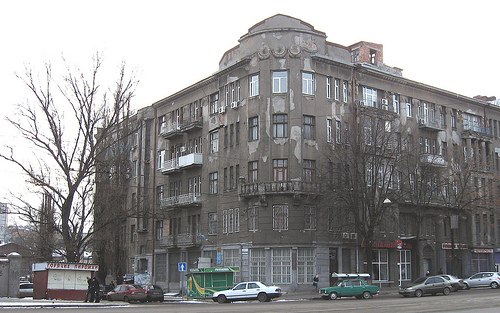 Rue Poltavskiy Shlyakh, 47/49.<br>Ancien immeuble de logements à revences et clinique privée (1918).
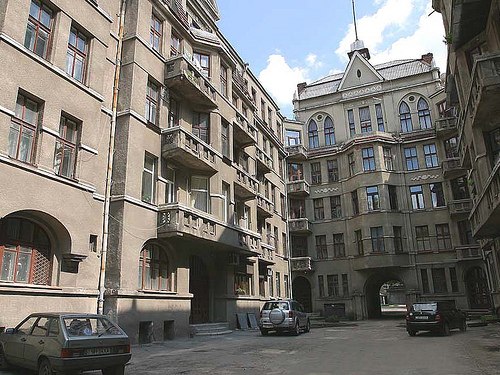 6, rue Artiom. Immeuble résidentiel «Krasny Banovets» (1928). <br>Conception réalisée en collaboration avec l’architecte Androusenko. <br>Style : art déco décoratif.
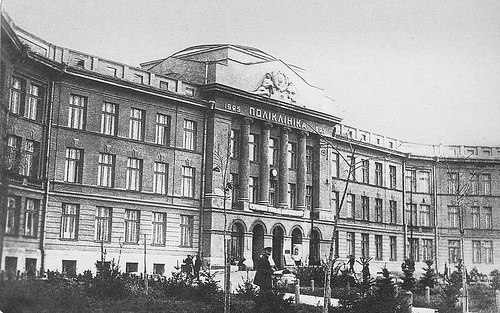 Moskovski pr., 197
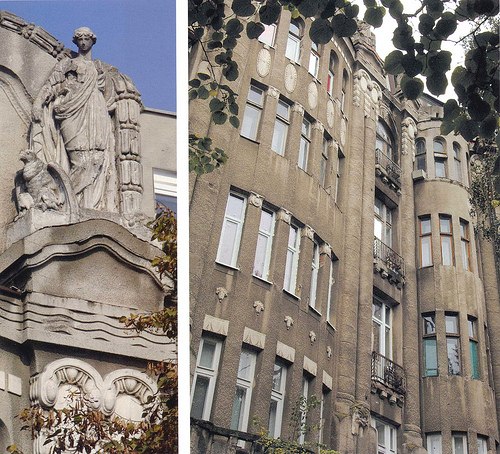 Rue Poltavski shliakh, 22a. Ancien immeuble de logements des frères Kats (1914).