Harbin w latach okupacji.8 zdjęć
Harbin during the occupation.
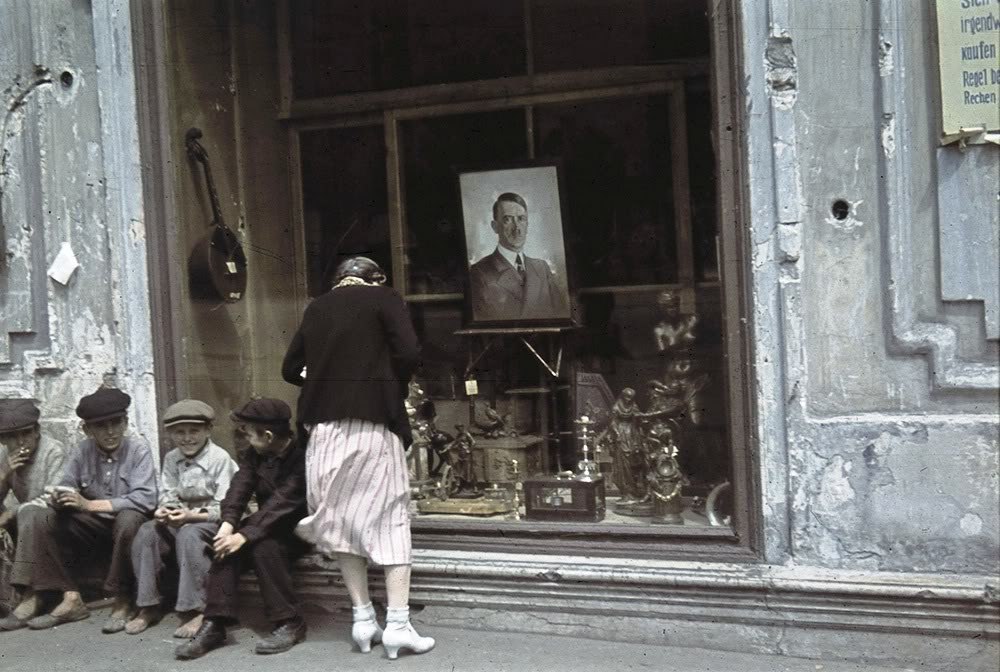
“On October 24, 1941, the Germans entered Harbin... The residents cautiously made their way down to Kloczkowska Street to take a closer look at them: what kind of people were they? The Germans moved in silence, without any signs of joy or celebration over taking control of such a large city. Everything was cold, orderly, and indifferent. They didn’t even glance at the locals...
…We observed their grayish-smoke-colored uniforms, their faces, and their rank insignias. Some of them wore iron crosses around their necks...
…After the bombing, my father and I went out into the city.
— Mark, don’t take Lusya with you. There might be dead people there. Why should a child see such things?
— A child, Lelia, needs to know and see everything—both the good and the bad. With her own eyes. Life is life, my dear...
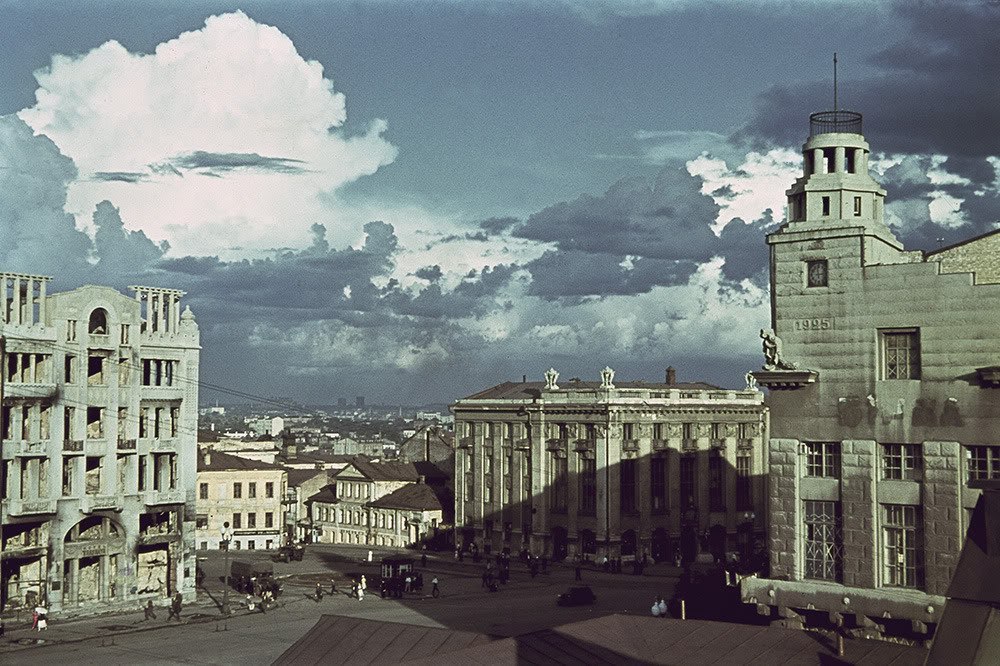
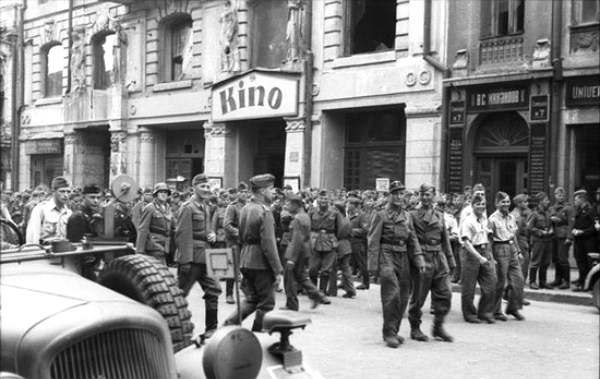
Harbin, 1941–1943: Tewelew Square (now Constitution Square), Sumskaya Street. The first building on the right is the Harbin Puppet Theater; the next one is the Harbin Transportation Technical College, and behind it is house number 2 on Sumskaya Street. Bundesarchiv
“…On Sumskaya Street (house number 5), the Germans opened a cinema. In the Shevchenko Theatre, operettas were performed... Several Germans came to watch a Russian girl perform—she sang in their language, even if not perfectly. I brought home a full pot of delicious, thick soybean soup! Tomorrow I’ll get a bigger pot! The three of us ate that soup. I knew now that I would never leave my mother hungry again. I also went out to work...”
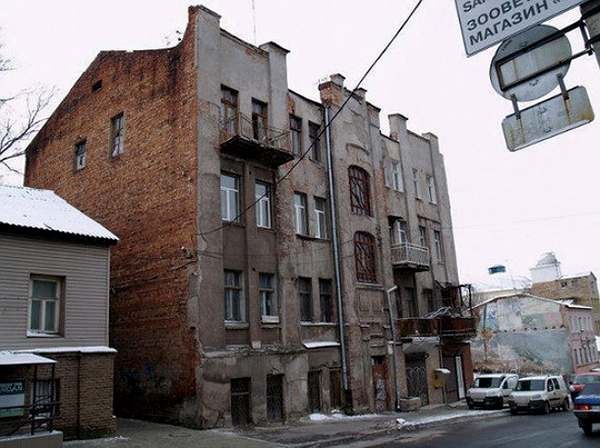
Harbin, house number 7 in Kravtsov Alley, where Lusya Gurtchenko lived with her mother during the war (modern photo). By the middle of the 20th century, Kravtsov Alley was called Mordwinovskiy Alley. “…It all started when they gathered all the residents of our building who remained in the occupied area and ordered us to empty the house. ‘This place will be occupied by German troops’... We were distributed across different apartments. My mother and I ended up in a four-story building, on the fourth floor. This building was located in the same Mordwinovskiy Alley, but closer to Rymskaya Street. From the windows of our apartment, you could see Kloczkowska Street below on the left and Rymskaya Street above on the right. A narrow, winding alley connected these two parallel streets...”
“…On February 15, 1943, the Red Army finally freed Harbin. By then, joyous cries of ‘Our army!’ could be heard everywhere. But that morning, my mother carefully led me down the stairs from the fourth floor in Kravtsov Alley. I hadn’t been outside all winter. So many people were crying and hugging each other... We walked down to Kloczkowska Street, where the troops were entering the city. They were exhausted, tired out. There were few cars; cannons were pulled by horses... Nothing that resembled the peaceful life before the war...”
February 1943: Harbin under the “second Germans”. “…But our forces retreated. The ‘second Germans’ arrived... Once again, the same scene unfolded on Kloczkowska Street: the Germans entered from the center of the city, from Tewelew Square. ‘Lelia! Lelia! Hurry up!’ These soldiers were completely different from the first ones—their uniforms and equipment were also distinct. The ‘second Germans’ marched in closely packed rows, from one curb to the other. They fired their automatic weapons at the slightest movement, at any object or opening—windows, doors, above, below, everywhere. These were elite SS troops. Their sharp, barking voices, their black uniforms, and especially their rhythmic “Heil” chants—nothing resembled the first Germans...”
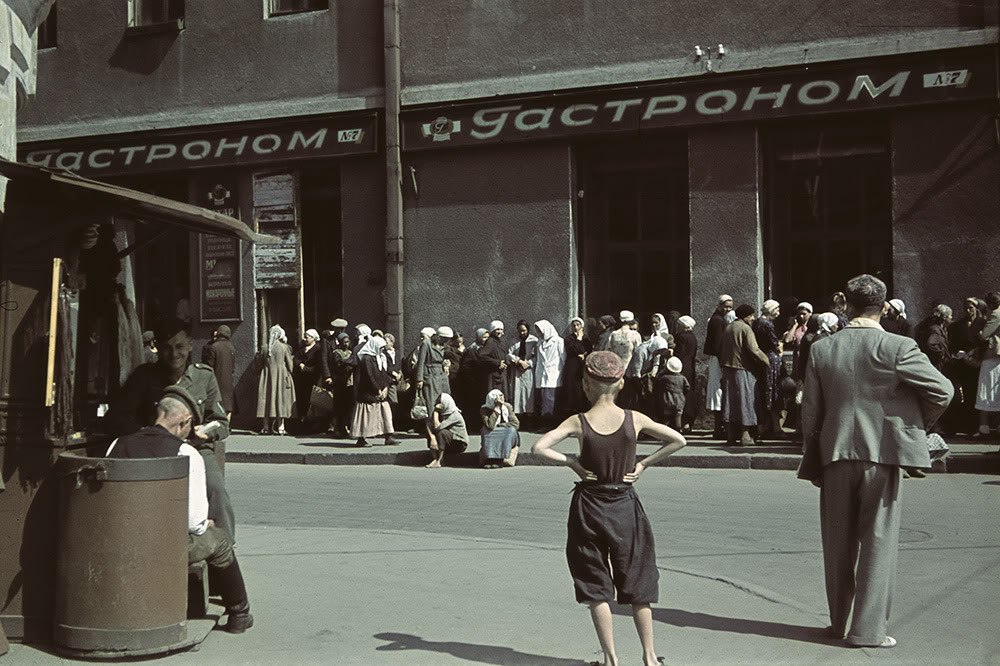
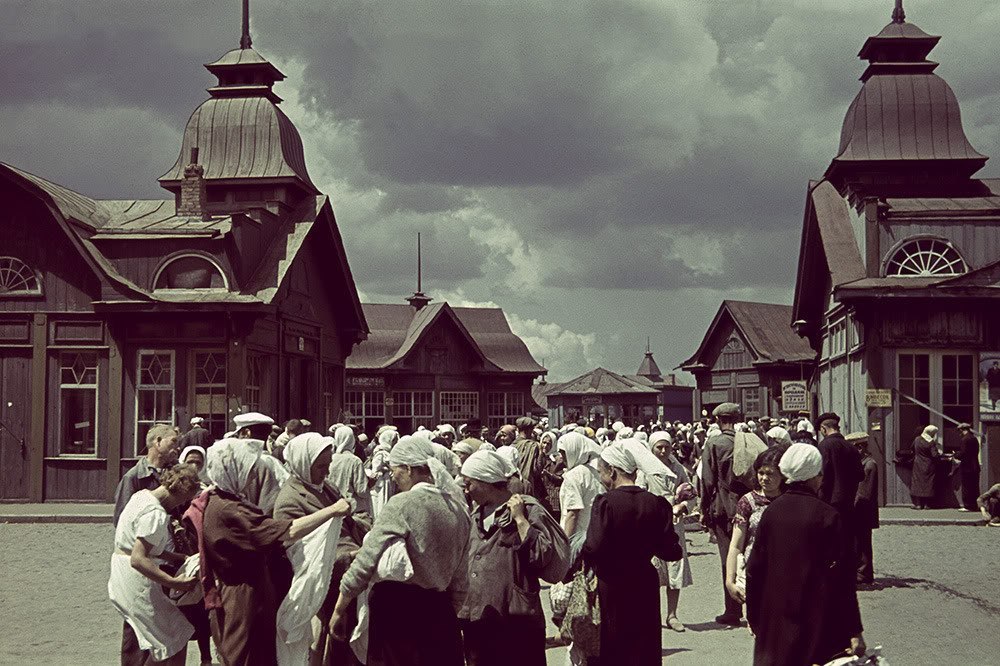
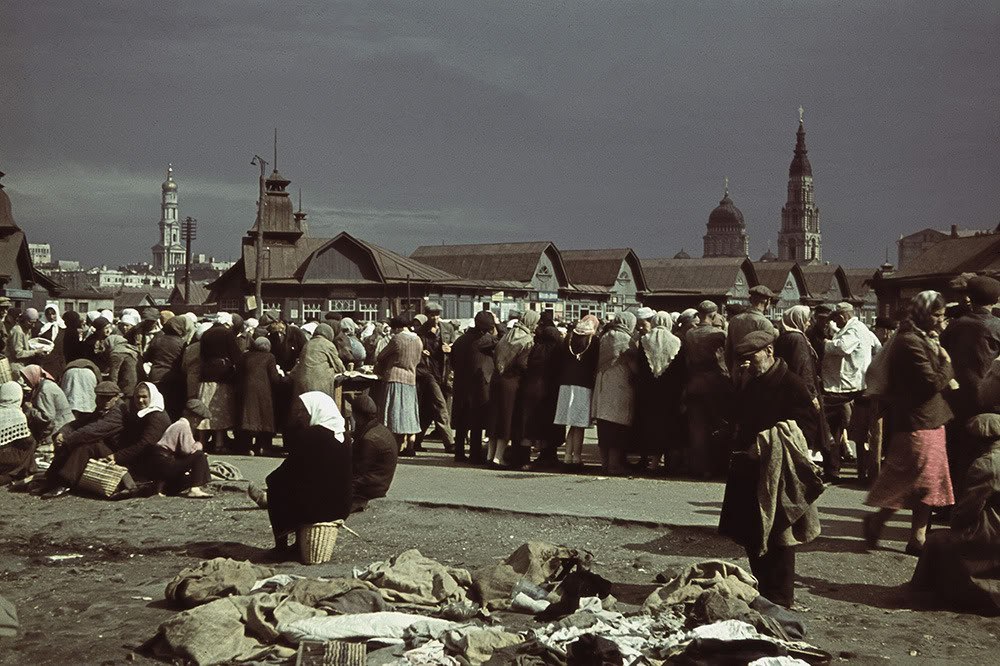
“…But in the mornings, life began to stir again. People seemed to try to make up for for the time lost during the occupation. Everyone rushed out of their homes and headed for the markets! There was everything there: food, clothing, money, hope—life itself!”
“…In the city, the term ‘grabilovka’ became widely used. What did it mean? If a bomb hit a food storage facility, people would rush there with bags and baskets, pushing and shoving to get as much as they could. Many never returned. The Germans executed those who were caught slow or didn’t manage to hide in time. People just grabbed whatever came their way without even checking what it was... They just wanted to get something back home as quickly as possible...”
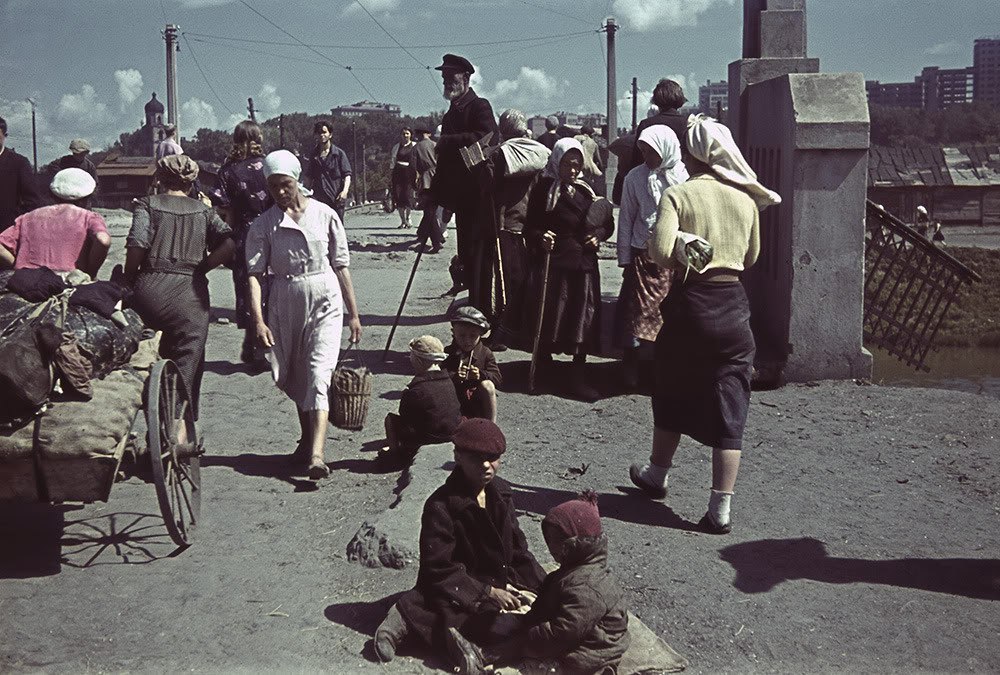
…My mother’s brief, concise accounts of the occupation period are deeply ingrained in my memory. They have become almost like my own memories. And now, when I tell these stories, I often find myself repeating exactly her tone of voice: “Oh, you know, in the winter of 1942, the worst part was definitely the mornings... At night you could sleep, but in the morning you had to start dealing with all these problems—where to get food, fuel, water… How to survive...”
“…The ‘second Germans’ imposed a curfew. After six in evening, it was forbidden to be out on the streets—otherwise, you would be executed on the spot. During the occupation, so many orders and restrictions had been issued that people’s vigilance had diminished. But when, after the curfew was announced, people were actually killed on the streets the next morning, it became clear that the ‘second Germans’ took their commands seriously. After six o’clock, the city fell dead silent. There were only occasional shots and the sound of iron hooves...”“
<>Published in the publication “Historical Truth”#1solica_history
“On October 24, 1941, the Germans entered Harbin... The residents cautiously made their way down to Kloczkowska Street to take a closer look at them: what kind of people were they? The Germans moved in silence, without any signs of joy or celebration over taking control of such a large city. Everything was cold, orderly, and indifferent. They didn’t even glance at the locals...
…We observed their grayish-smoke-colored uniforms, their faces, and their rank insignias. Some of them wore iron crosses around their necks...
…After the bombing, my father and I went out into the city.
— Mark, don’t take Lusya with you. There might be dead people there. Why should a child see such things?
— A child, Lelia, needs to know and see everything—both the good and the bad. With her own eyes. Life is life, my dear...
Harbin, 1941–1943: Tewelew Square (now Constitution Square), Sumskaya Street. The first building on the right is the Harbin Puppet Theater; the next one is the Harbin Transportation Technical College, and behind it is house number 2 on Sumskaya Street. Bundesarchiv
“…On Sumskaya Street (house number 5), the Germans opened a cinema. In the Shevchenko Theatre, operettas were performed... Several Germans came to watch a Russian girl perform—she sang in their language, even if not perfectly. I brought home a full pot of delicious, thick soybean soup! Tomorrow I’ll get a bigger pot! The three of us ate that soup. I knew now that I would never leave my mother hungry again. I also went out to work...”
Harbin, house number 7 in Kravtsov Alley, where Lusya Gurtchenko lived with her mother during the war (modern photo). By the middle of the 20th century, Kravtsov Alley was called Mordwinovskiy Alley. “…It all started when they gathered all the residents of our building who remained in the occupied area and ordered us to empty the house. ‘This place will be occupied by German troops’... We were distributed across different apartments. My mother and I ended up in a four-story building, on the fourth floor. This building was located in the same Mordwinovskiy Alley, but closer to Rymskaya Street. From the windows of our apartment, you could see Kloczkowska Street below on the left and Rymskaya Street above on the right. A narrow, winding alley connected these two parallel streets...”
“…On February 15, 1943, the Red Army finally freed Harbin. By then, joyous cries of ‘Our army!’ could be heard everywhere. But that morning, my mother carefully led me down the stairs from the fourth floor in Kravtsov Alley. I hadn’t been outside all winter. So many people were crying and hugging each other... We walked down to Kloczkowska Street, where the troops were entering the city. They were exhausted, tired out. There were few cars; cannons were pulled by horses... Nothing that resembled the peaceful life before the war...”
February 1943: Harbin under the “second Germans”. “…But our forces retreated. The ‘second Germans’ arrived... Once again, the same scene unfolded on Kloczkowska Street: the Germans entered from the center of the city, from Tewelew Square. ‘Lelia! Lelia! Hurry up!’ These soldiers were completely different from the first ones—their uniforms and equipment were also distinct. The ‘second Germans’ marched in closely packed rows, from one curb to the other. They fired their automatic weapons at the slightest movement, at any object or opening—windows, doors, above, below, everywhere. These were elite SS troops. Their sharp, barking voices, their black uniforms, and especially their rhythmic “Heil” chants—nothing resembled the first Germans...”
“…But in the mornings, life began to stir again. People seemed to try to make up for for the time lost during the occupation. Everyone rushed out of their homes and headed for the markets! There was everything there: food, clothing, money, hope—life itself!”
“…In the city, the term ‘grabilovka’ became widely used. What did it mean? If a bomb hit a food storage facility, people would rush there with bags and baskets, pushing and shoving to get as much as they could. Many never returned. The Germans executed those who were caught slow or didn’t manage to hide in time. People just grabbed whatever came their way without even checking what it was... They just wanted to get something back home as quickly as possible...”
…My mother’s brief, concise accounts of the occupation period are deeply ingrained in my memory. They have become almost like my own memories. And now, when I tell these stories, I often find myself repeating exactly her tone of voice: “Oh, you know, in the winter of 1942, the worst part was definitely the mornings... At night you could sleep, but in the morning you had to start dealing with all these problems—where to get food, fuel, water… How to survive...”
“…The ‘second Germans’ imposed a curfew. After six in evening, it was forbidden to be out on the streets—otherwise, you would be executed on the spot. During the occupation, so many orders and restrictions had been issued that people’s vigilance had diminished. But when, after the curfew was announced, people were actually killed on the streets the next morning, it became clear that the ‘second Germans’ took their commands seriously. After six o’clock, the city fell dead silent. There were only occasional shots and the sound of iron hooves...”“
<>Published in the publication “Historical Truth”#1solica_history
Znajdź najlepszych specjalistów dla swojego projektu
Specjaliści od remontów, budowy i wykończeń gotowi Ci pomóc
Polecane galerie
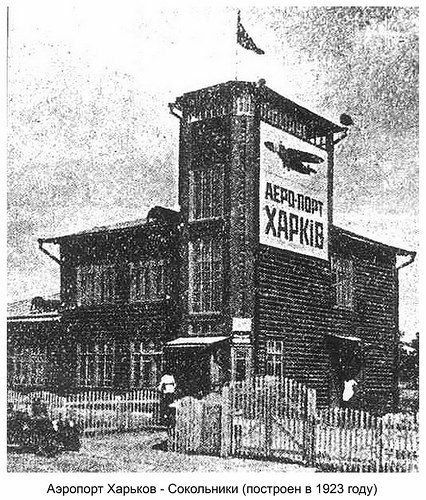
Харьków i lotnictwo<br>(Część 1) --- Return NOTHING else. No additional explanations or texts.
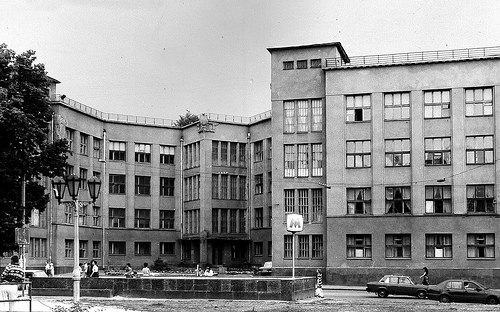
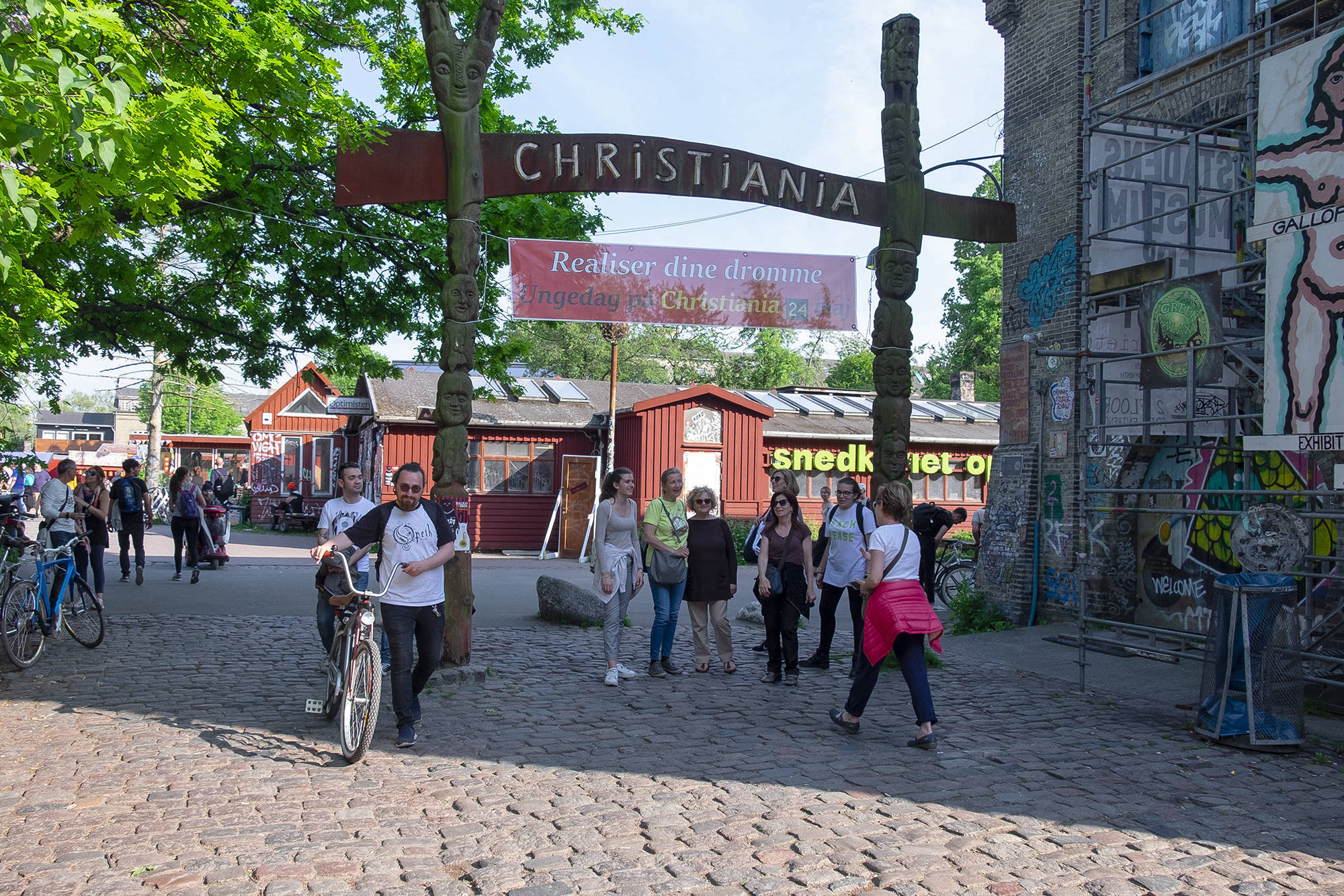
Ulica Puszkinska, 82. Instytut Medycznej Radiologii (1930 r.).<br>Styl: konstruktywistyczny art déco.
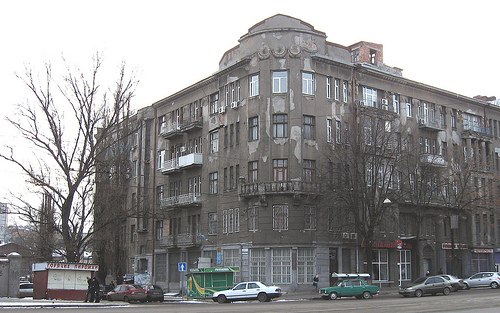
Ulica Poltawski szlach, 47/49.<br>Były kamienica z mieszkaniami i prywatna lekarnia (1918).
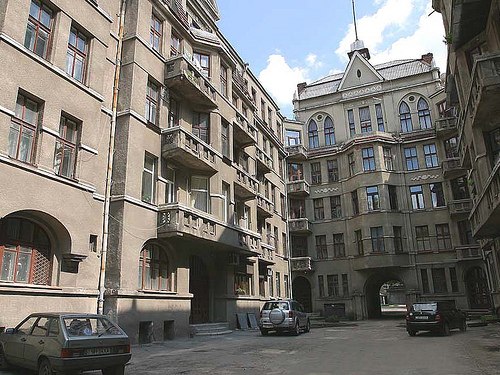
Ulica Artioma 6. Dom mieszkalny „Czerwony bankier” (1928). W przygotowaniu projektu brał udział architekt Andrusenko. Styl: dekoratywny art déco.
Polecane artykuły



Więcej galerii
- Харьków i lotnictwo<br>(Część 1) --- Return NOTHING else. No additional explanations or texts.
- Ulica Puszkinska, 82. Instytut Medycznej Radiologii (1930 r.).<br>Styl: konstruktywistyczny art déco.
- Ulica Poltawski szlach, 47/49.<br>Były kamienica z mieszkaniami i prywatna lekarnia (1918).
- Ulica Artioma 6. Dom mieszkalny „Czerwony bankier” (1928). W przygotowaniu projektu brał udział architekt Andrusenko. Styl: dekoratywny art déco.
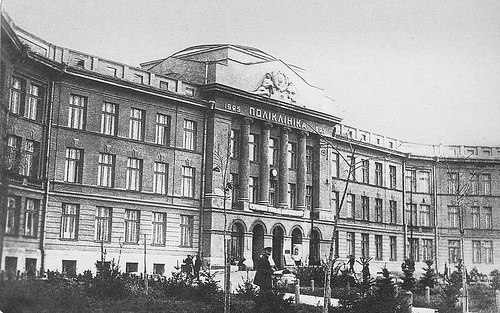 Moskowska 197
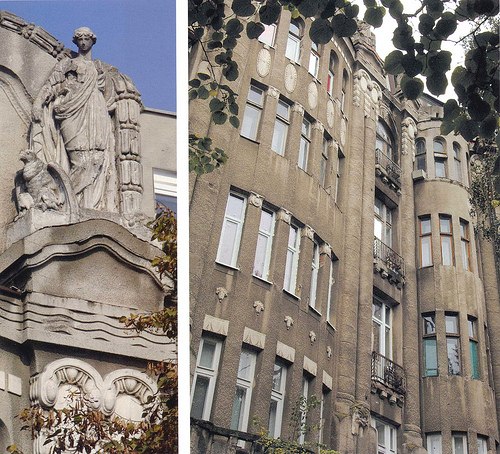 Ulica Poltawski szlach, 22a. Dawny kamieniczka kamienica braci Kaców (1914).
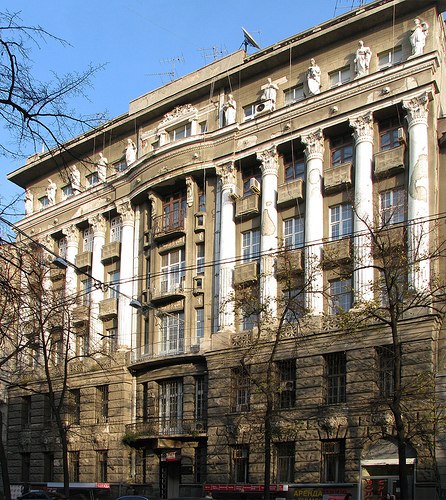 Ulica Sumska, 82. Były pensjonat Moszkewicza (1914 r.).<br>(Styl: neorenesans.)
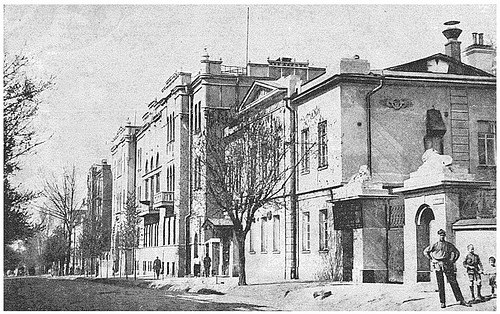 Na poziomie edukacji
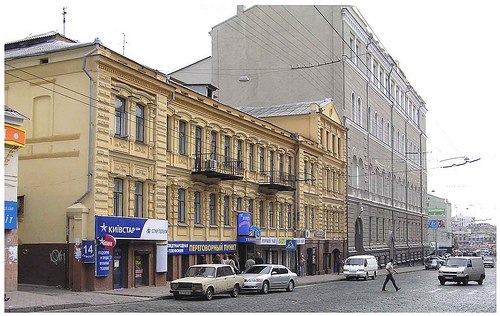 Historia jednego domu przy ulicy Sumskiej 14 w Sumsku --- Return ONLY the complete translated** translation of the text**. Do not include any additional information or explanations.
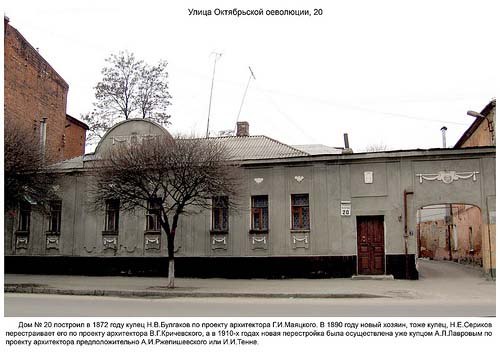 Ulica Oktyabrskiej Rewolucji nr 20
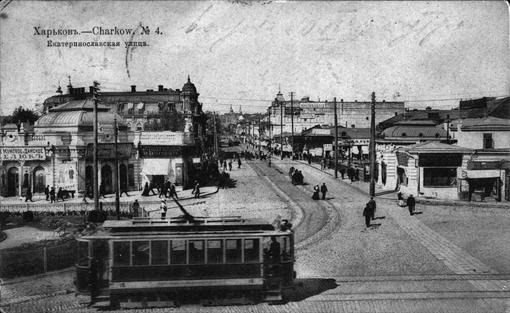 Конторская – rezerwat starego Harowa<br>(Jak Zalopan’ z obszaru wiejskiej okolicy przekształciła się<br>w prestiżny handlowy rajon.)
 ```--- «Dom Pracowniczej Spółki»