Харьków i lotnictwo<br>(Część 1) --- Return NOTHING else. No additional explanations or texts.8 zdjęć
#### Harbin and Aviation
(Part 1)
Aviation occupies a very important place in the life of Harbin, not only as a means of transportation but also as an area of activity for numerous industrial enterprises, scientific research organizations, and educational institutions, which has a significant impact on the city’s development plans.
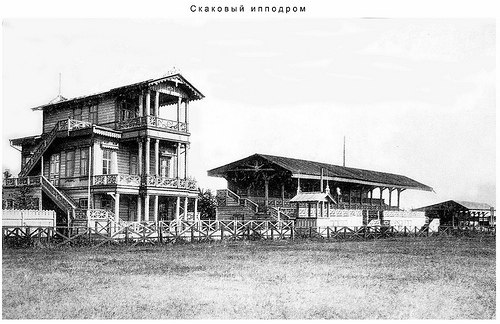
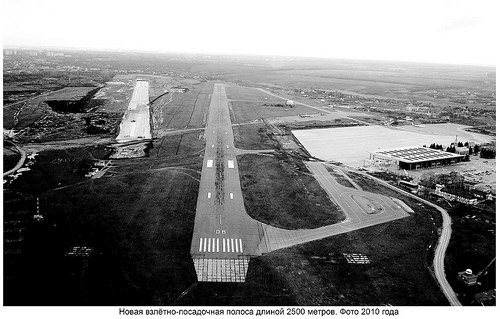
The birthplace of aviation in Harbin was an area located in the northern part of the city, near the beginning of the Belgorod Highway, where the former Racing Horse Track used to be.
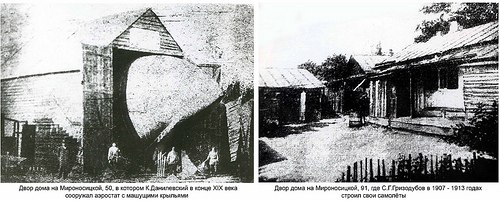
In 1914, the aviator M. Lavrentyev conducted demonstration flights there on an airship of his own design, and in 1987-1898, the medical doctor and inventor K. Danilovsky tested aerostats with rotating wings. He collaborated with mechanic Koskov in developing these designs in the courtyard of his home at No. 50 Mironositskaya Street.
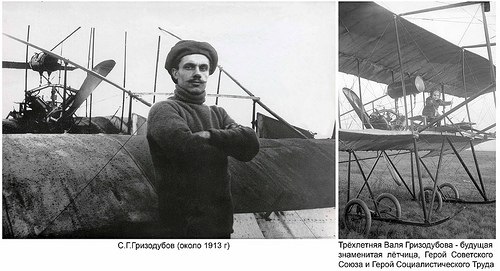
At the beginning of the 20th century, when the era of aircraft began, demonstration flights were held at this site in front of numerous spectators from 1910 to 1914 by famous pilots such as S. Zaikin, S. Utokkin, and V. Dubovskiy, as well as Harbin native S. G. Grizodubov, a designer and aviator whose name holds a prominent place in the history of Russian aviation.
He displayed his first aircraft, built in 1907-1908, to the public in the courtyard of his home at No. 91 Mironositskaya Street in 1910, and in May 1911, he took off for the first time on the G-3 model aircraft at this very site.
Engineer A. K. Lelle, a contemporary of Grizodubov, also attempted to build an aircraft, but his prototype did not succeed in taking off. However, public interest in this field was sparked in 1907 when the Bommer brothers’ oldest “cinematograph” in Harbin (now the Dzerzhinsky Cinema on Sverdlov Street) showed a film about the Wright brothers’ flights.In 1909, a flying club was established under the auspices of the Technical Society of students at the Kharkov Technological Institute, where scientific research in aviation was conducted under the leadership of future academician G. F. Proskura.
(Part 1)
Aviation occupies a very important place in the life of Harbin, not only as a means of transportation but also as an area of activity for numerous industrial enterprises, scientific research organizations, and educational institutions, which has a significant impact on the city’s development plans.
The birthplace of aviation in Harbin was an area located in the northern part of the city, near the beginning of the Belgorod Highway, where the former Racing Horse Track used to be.
In 1914, the aviator M. Lavrentyev conducted demonstration flights there on an airship of his own design, and in 1987-1898, the medical doctor and inventor K. Danilovsky tested aerostats with rotating wings. He collaborated with mechanic Koskov in developing these designs in the courtyard of his home at No. 50 Mironositskaya Street.
At the beginning of the 20th century, when the era of aircraft began, demonstration flights were held at this site in front of numerous spectators from 1910 to 1914 by famous pilots such as S. Zaikin, S. Utokkin, and V. Dubovskiy, as well as Harbin native S. G. Grizodubov, a designer and aviator whose name holds a prominent place in the history of Russian aviation.
He displayed his first aircraft, built in 1907-1908, to the public in the courtyard of his home at No. 91 Mironositskaya Street in 1910, and in May 1911, he took off for the first time on the G-3 model aircraft at this very site.
Engineer A. K. Lelle, a contemporary of Grizodubov, also attempted to build an aircraft, but his prototype did not succeed in taking off. However, public interest in this field was sparked in 1907 when the Bommer brothers’ oldest “cinematograph” in Harbin (now the Dzerzhinsky Cinema on Sverdlov Street) showed a film about the Wright brothers’ flights.In 1909, a flying club was established under the auspices of the Technical Society of students at the Kharkov Technological Institute, where scientific research in aviation was conducted under the leadership of future academician G. F. Proskura.
Znajdź najlepszych specjalistów dla swojego projektu
Specjaliści od remontów, budowy i wykończeń gotowi Ci pomóc
Polecane galerie
Polecane artykuły



Więcej galerii
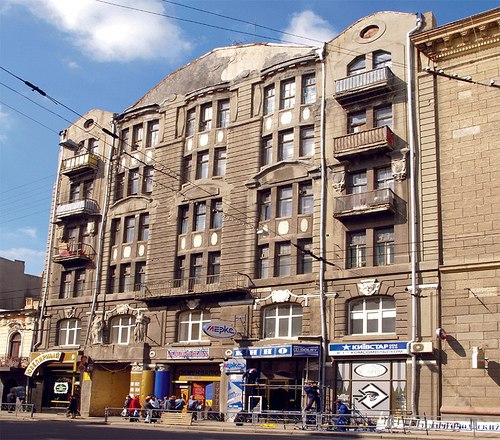 Бывший доświadczyony дом Haritona i kinoteatr „Amper”. Projektant architekt A.I. Gorochow (1913). (Ulica Sumska, 5.)
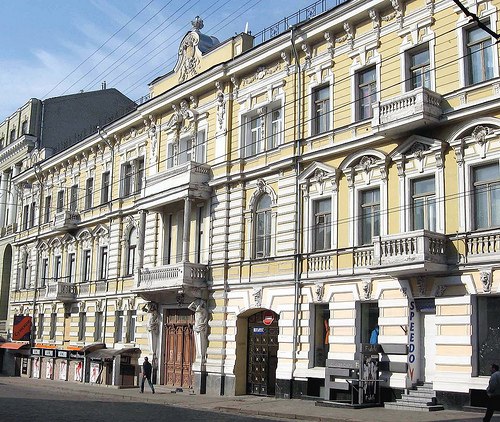 Były pensjonat ubezpieczyczej spółki „Życie”.<br>(Sumska 19)
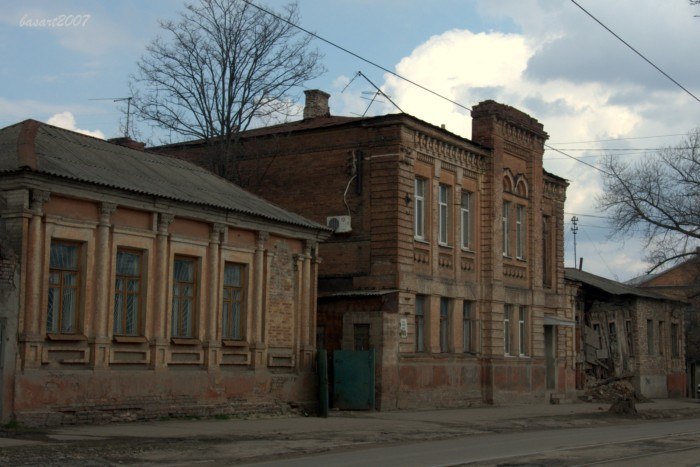 Wasił Kryczewski i Moskaliewka
 Stekłańna struga
 Władimir Majakowski i Charków.
 Bursaczkowy Stok
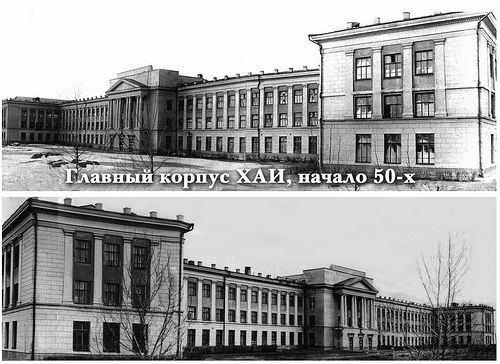 Харьków i lotnictwo, a także historia instytutu HAİ<br>(Część 2) --- Please note that this is part 2 of a series of articles. It is recommended to read the previous parts as well in order to fully understand the content.
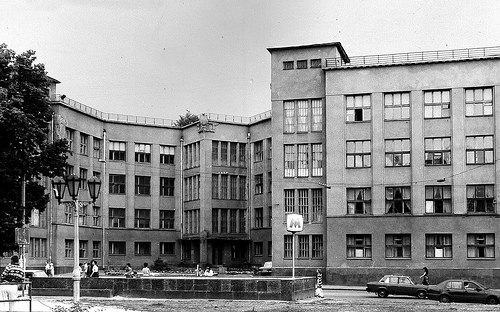 Ulica Puszkinska, 82. Instytut Medycznej Radiologii (1930 r.).<br>Styl: konstruktywistyczny art déco.
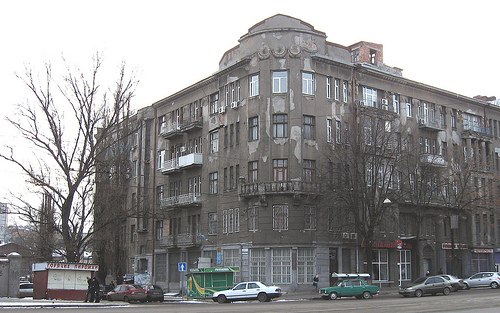 Ulica Poltawski szlach, 47/49.<br>Były kamienica z mieszkaniami i prywatna lekarnia (1918).
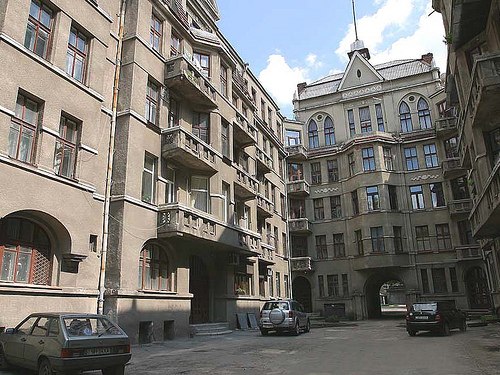 Ulica Artioma 6. Dom mieszkalny „Czerwony bankier” (1928). W przygotowaniu projektu brał udział architekt Andrusenko. Styl: dekoratywny art déco.
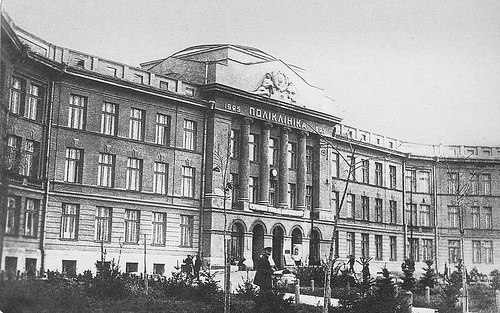 Moskowska 197
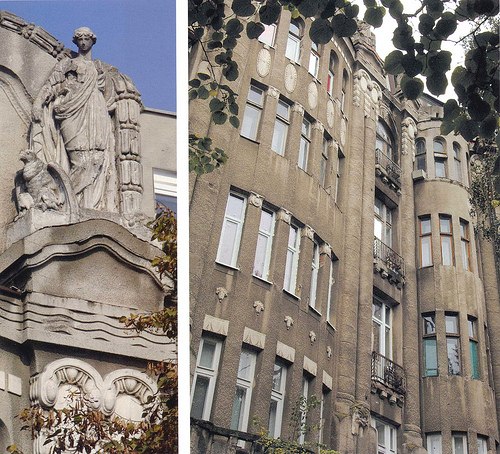 Ulica Poltawski szlach, 22a. Dawny kamieniczka kamienica braci Kaców (1914).