How to Choose a Shampoo
Normal hair is hair that shines beautifully in the sun, doesn’t get tangled or dry out, and looks healthy. After washing your head, your hair remains clean for several days. It’s worth noting that not many people are born with such hair; this type is extremely rare.
Fatty hair: Generally, this type of hair becomes greasy very quickly after washing, so it needs to be washed daily. The reason for this is the overactive sebaceous glands in the scalp, which can be caused by genetics or poor diet.
Dry hair looks like a sponge; it doesn’t reflect light well, gets dry and brittle. This type of hair isn’t due to overactive sebaceous glands but rather poor care—such as excessive use of hot blowdryers, hair gel, and dyes.
Combined hair: Long-haired people often have this type. Since the hair doesn’t get enough oil along its length, it becomes greasy at the roots but dry and frizzy at the tips.
Once you identify your hair type, I recommend avoiding “universal” shampoos—choose only ones that are specifically designed for your hair type.
How to choose a shampoo: This is usually the most difficult step, as there are countless types of shampoos available today. On TV, we see all kinds of shampoos advertised. But be cautious of marketing tricks: claims like “shampoo strengthens and restores hair, changes its structure, and nourishes damaged hair” are nonsense. The part of the hair above the scalp surface is dead, so it can’t be strengthened or restored.
In reality, a shampoo’s actual therapeutic or nutritional effects only affect the hair follicles and scalp. “Strengthening,” “nourishing,” and other claims mean that these ingredients only remain on the surface of the hair for a short time, temporarily changing its appearance. However, such effects are more likely to be achieved by conditioners and balms, which may also be included in shampoos or sold separately.
So, we go to the store to choose a shampoo that will take good care of our hair. We head to the hair care section and start looking through various shampoos. We pick one that interests us and carefully read the label to see which hair type it is suitable for. Then we read the ingredients list. Most shampoos contain one or several of six main detergents, listed in descending order of quality:
A shampoo is considered effective only if it results in clean hair, no grease, shiny hair after drying, easy combing, and no irritation of the scalp.
In addition, a good shampoo should:
- Replace lost proteins, moisture, and nutrients;
- Improve hair elasticity;
- Protect the hair cuticle and smooth its surface;
- Not make hair too heavy;
- Contain an UV filter;
- Remove static electricity from hair;
- Give hair a silky texture.
Generally, men have much more active sebaceous glands than women, so they are more prone to oily hair. Therefore, they should choose shampoos that counteract excess oil and maintain the health and appearance of their hair.
Here are 10 of the best shampoos for oily hair:
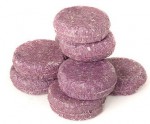
This shampoo contains cedar oil, lavender, lemon, and lime. It cleans the scalp thoroughly, tonifies it, and leaves it fresh. Your hair will feel so clean that it might even squeak!
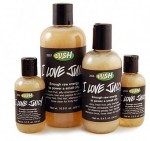
This shampoo contains mango, pineapple, kiwi, papaya, and lemon oil. It effectively cleans and tones oily scalps.
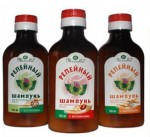
Rich in bioactive ingredients, this shampoo nourishes the hair roots and stimulates skin cell renewal, which is especially beneficial for oily scalps. It can be used frequently.
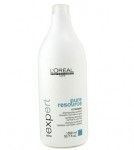
This shampoo contains vitamin E, antioxidants, and ingredients that protect hair from hard tap water. It restores the scalp’s natural balance of moisture and oil. While it effectively controls oiliness, it can also dry out the scalp, so it may not suit everyone.
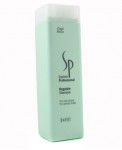
This shampoo contains mineral clay, which absorbs excess sebum without drying out the hair. It can be used frequently and is milder than Loreal’s similar product.
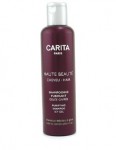
This shampoo contains the exclusive “Wells Material” complex. It has a gel-like texture, adds volume to hair, removes impurities, and restores scalp balance.
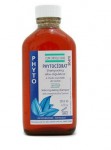
This balancing shampoo contains lemon essential oil. Many shampoos for oily hair contain lemon or lime oil, and its presence indicates high quality. The shampoo’s plant-based cleaning ingredients remove excess fat and prevent it from forming. It also adds volume to hair.
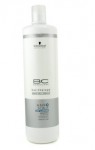
This mild shampoo is suitable for daily use. It contains a patented cleansing formula that prevents scalp irritation and dryness. It also contains peppermint extract, which cools and soothes the scalp.
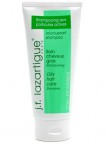
This French brand’s shampoo contains microscopic pearl particles. It also has a deep-cleaning formula for oily scalps, containing fruit acids. It cleans the scalp and hair thoroughly.
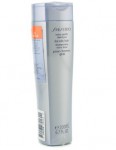
This shampoo contains highly purified silk protein particles, which help balance the scalp. It also contains vitamins A and C, milk thistle extract, soy amino acids, and lecithin.
I hope this article was helpful to you. Feel free to share it with others! We look forward to meeting more users. Keep reading, ask questions, and join the conversation.
Find the Best Professionals for Your Project
Expert repair, construction, and renovation specialists ready to help you right now
Recommended articles
More articles:
 Fighting Depression!
 10 Myths About Solar Panels
 10 Stylish Tips for Brides
 It’s all in your hands!
 Miss IT Kharkiv 2010!
 The Kia Cerato Koup – a vehicle that truly provokes desire.
 Holidays in Kharkiv: A Tradition of Giant-sized Figures ### Answer: Holidays in Kharkiv: The Tradition of Creating Giant Figures ### Title: Holidays in Kharkiv: A Tradition of Creating Giant Figures ### Translation: Holidays in Kh Holiday celebrations in Kharkiv: A tradition of creating giant figures.
 A huge difference.