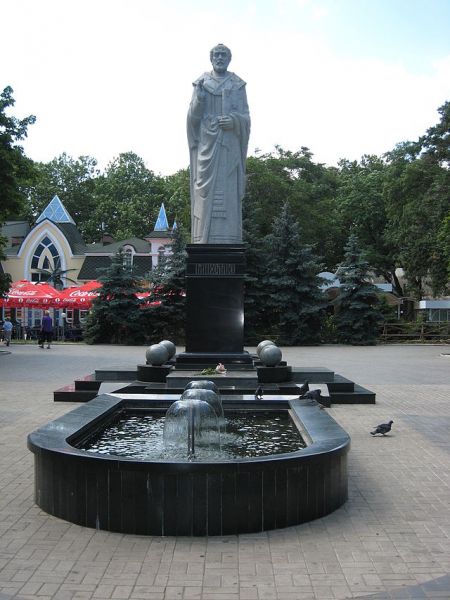
On the one hand, Lyubech stands on the banks of the Dnieper, and on the other hand it is a certain boundary between the Slavs and the Polovtsians, and now - Ukraine and Byelorussia.
The first mention of the settlement dates back to 882. After more than 200 years it was in Lyubech that Slavic princes gathered to put an end to the fraternal analysis and unite forcesagainst the common enemy - the Polovtsians. According to one version, the meeting took place in the realm of Vladimir Monomakh, who also attended the congress. The most convenient place for meeting influential people was a well-fortified castle on a high mountain.
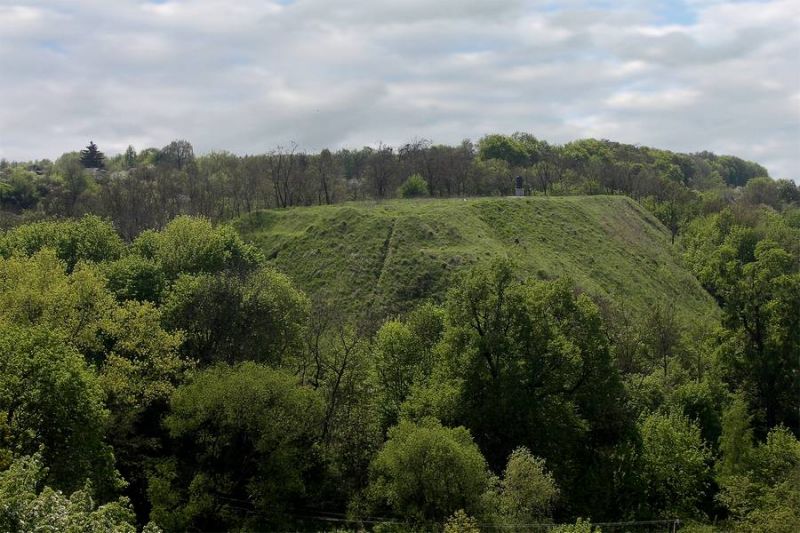
The middle of the 12th century brought feudalism and many wars. During the next raid, the castle was burned on the mountain, beforehand, taking out all the valuable things from it. Although the castle was not restored, the locals continue to call the Zamkova Hill. At the foot of the mountain and at its very top are two monuments. One was installed in 1982 in memory of the date of the founding of the city. And the second one recalls the meeting of the princes in 1097. It is made in the form of a chronicler, sitting on a pedestal, decorated with faces of princes.
In the late 50-ies of the last century, the archaeological team excavated on the Castle Hill. It turned out that people lived in this area at the dawn of the Iron Age. Lyubec Castle Vladimir Monomakh built in the 11th century on the site of an older fortification. The study of the terrain and the material received allowed to establish the appearance of the castle. The layout of the castle, created according to sketches, is kept in the historical museum in Chernigov, every visitor can inspect it.
Former view of the castle
The castle was intended not only for safe living, but also for long-term defense. The supply of food to the inhabitants of the castle could last for a siege a year. The defensive ability of the castle is evidenced by massive walls of oak, surrounding the castle and the whole city from all sides. From the inside of the fence there were special boilers with a brushwood spread out under them, designed to heat water and tar. This "brew" helped to throw the enemy away from the castle walls.
The top of the Castle Hill is a site measuring 35 by 100 meters, so all the buildings were located close to each other. The castle was surrounded by wooden 2-meter shaftsfilled with clay. On them towered walls and towers. On the inner side were residential and utility rooms, the roofs of which served as a platform for combat. On the south side a broad crescent was located a shaft, and inside it was a trade and handicraft posad. The shaft and ditch have survived to some extent.
To be in the castle, it was necessary to overcome the lifting bridge, underground tunnel, pass a steep road and a gate with three barriers. And after passing the guards, you need to climb the wall of the castle in a special way. If the enemy overcame all obstacles, the defenders of the castle could take refuge in a separate tower-donjon. Behind the rectangular tower stood a three-story princely palace, covered with three terems. Near the tower there was a church and a cemetery. From the palace and the church to the gates were underground passages, the same dispersed in different directions from the mountain and served as ways of retreat.
Today they come here to plunge into the history of those times and inspect the Castle Hill, as well as monuments and remains of the earth wall.