How delightful it is: to plunge into cool water, feel how easily and freely the body moves in it, to dive down and collect shells from the bottom or simply gaze dreamily at the sky while lying on the surface, spreading out like a little "star"... What? You can't swim?
How to learn to swim?
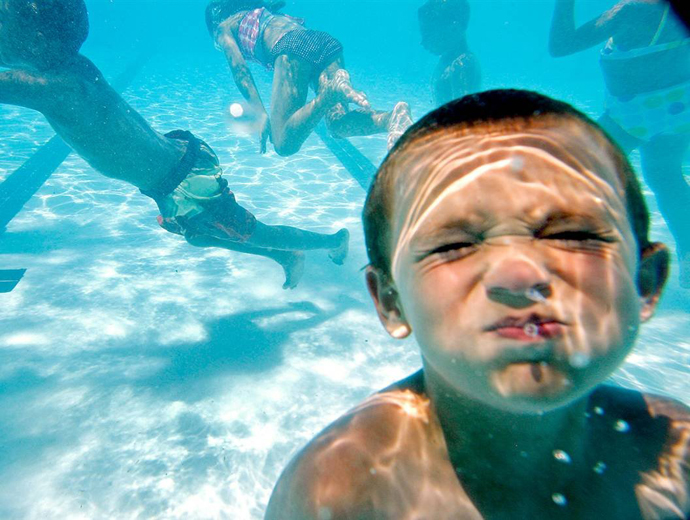
It is possible to learn how to swim just as well as those in the “striped swimsuit group” at any age. Of course, children have it easier in this regard, since they have not yet developed the muscle and psychological stereotypes that can hinder adults in learning. You can start teaching a baby almost from birth. A child feels comfortable in water, as the first nine months of its life are spent there.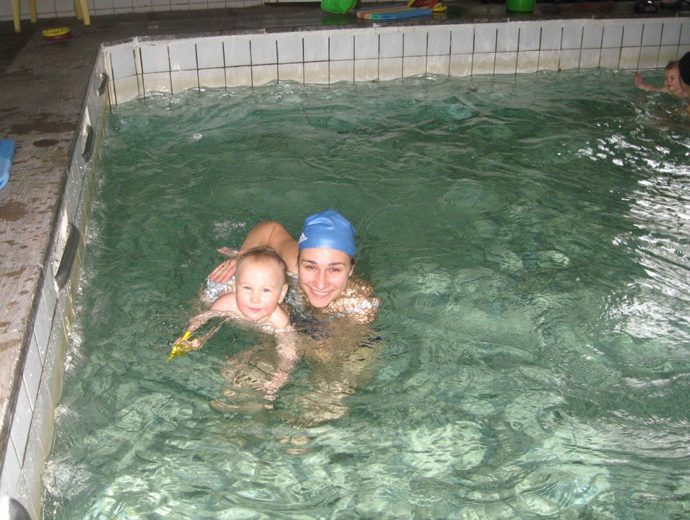
It is impossible to learn how to swim quickly, especially for an adult. First, you need to master the basic principles. Experts recommend using a set of specific exercises for this purpose. The most important thing to learn is breathing. Swimmers breathe through their mouths; the deeper your breaths, the better you will be able to hold your breath underwater. When practicing breathing, focus on the process itself.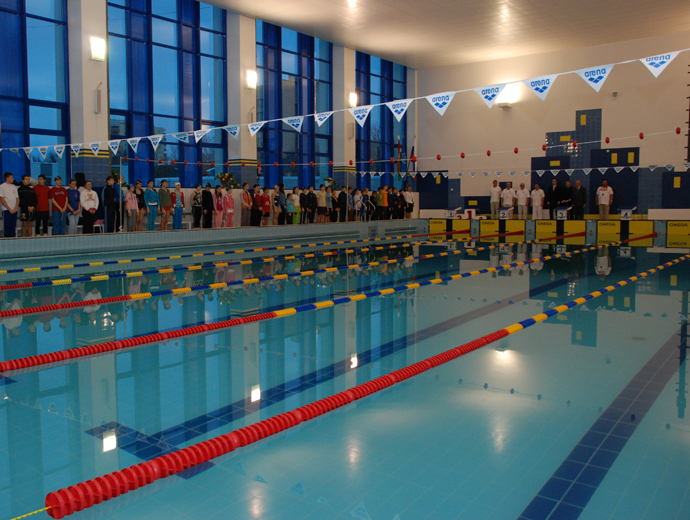
Next, you can start learning how to maintain a horizontal position in the water. Under no circumstances should you tense up, as this will cause you to sink. Instead, relax and feel how the water supports your body. The “star” exercise can help you with this: stretch your arms and legs out in different directions and simply lie on the water’s surface. To learn how to swim, you will need to lie on your stomach with your face in the water.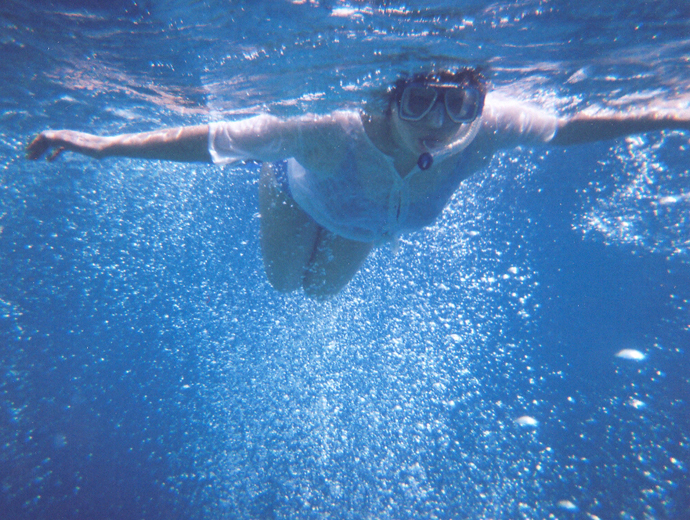
After that, move on to the “gliding” exercise. This will help you start moving forward in the water. Take a breath, sink underwater, and then “shoot” forward, gliding across the surface for about 6–8 meters. Remember to keep your face underwater as well.
Next is one of the most enjoyable exercises: “kicking.” You will need a support, such as the edge of a pool or the strong arms of a friend. Let them hold your hands while you kick the water vigorously with your feet. Make sure your legs are straight and your toes pointed forward.
If you are able to do all these exercises, try adding your arms. First, spread them out across the water’s surface. Then you can try the “breaststroke”: move in a full circle with each arm in turn. Your arms should not be bent. If you succeed, congratulations! Now you just need to develop consistency and endurance—something that is easy if you enjoy the process.
In Chelyabinsk, there are many pools where experienced instructors can help you perform these exercises correctly. Everyone interested in learning the “Rise,” “Ariant Planet,” “Flight,” “SOK YUURGU,” “Anniversary,” and other strokes is welcome to join us.
Elena Astapenko