The narrowest navigable canal in the world, which took 2,500 years to build.
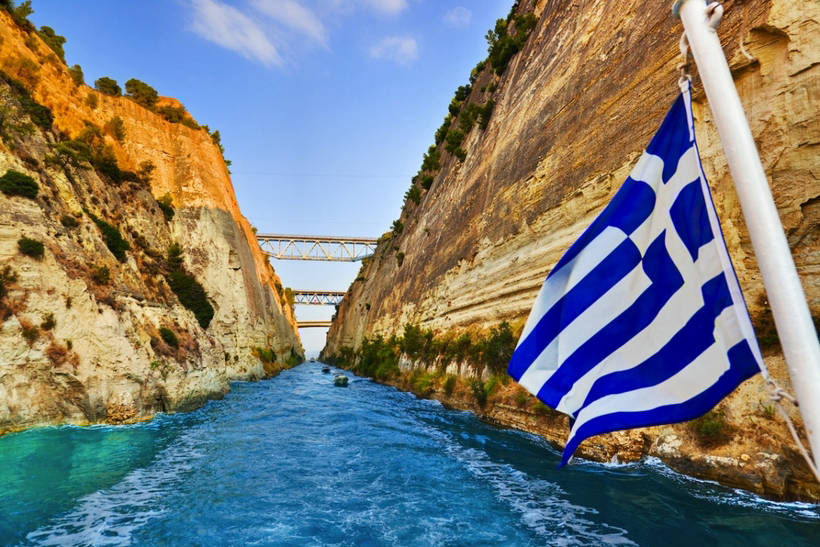
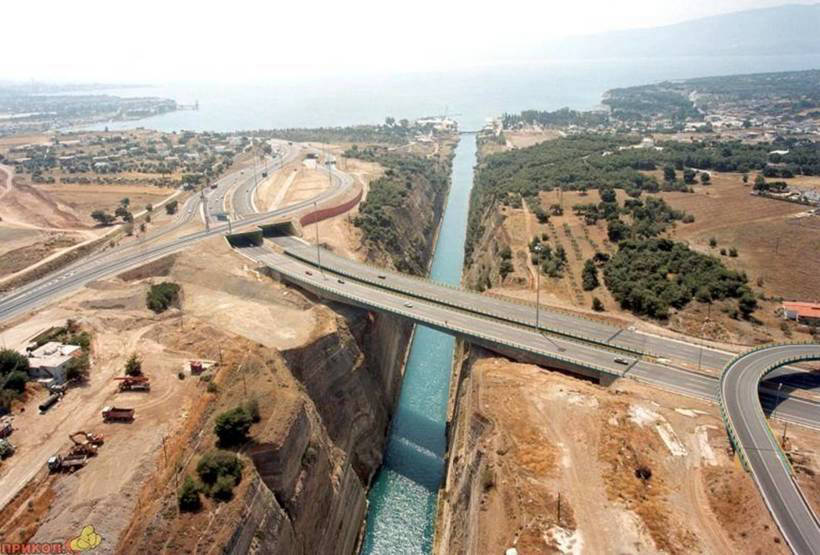
Many rulers in the ancient world dreamed of creating a canal to connect the Saronic Gulf of the Aegean Sea with the Corinthian Gulf of the Ionian Sea. Such a canal would have shortened the route around the Peloponnese peninsula by a full 400 kilometers. The construction of this canal began in the 7th century BCE under the rule of the ancient Greek ruler Periander. However, fearing that the difference in sea levels between the Aegean and Ionian Seas might cause flooding, Periander halted this ambitious project.
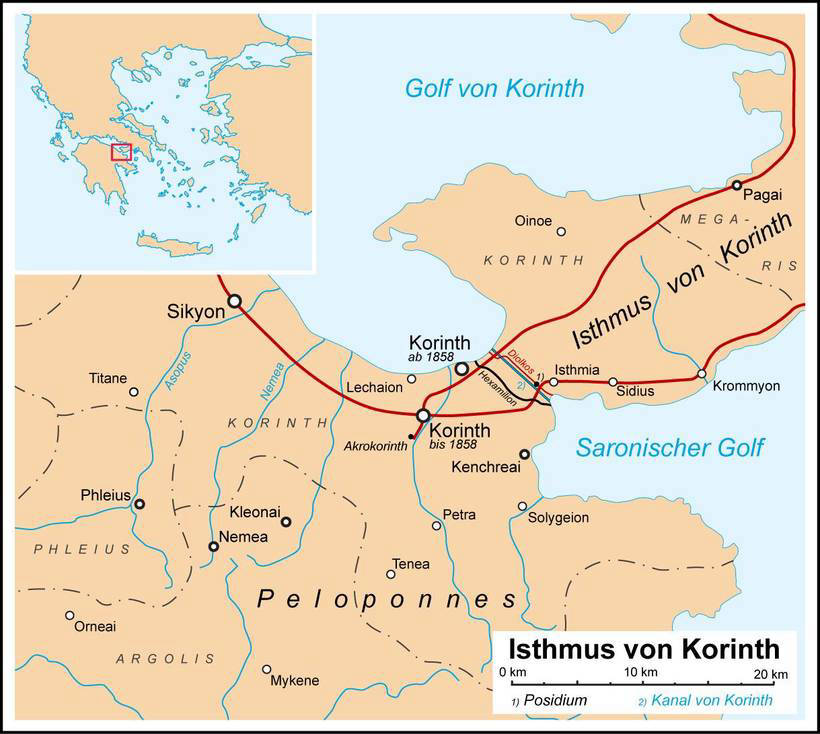
It was not until the end of the 19th century that the project was finally completed, when the Corinth Canal was finally built. The ceremonial opening took place in August 1893, after 12 years of construction.
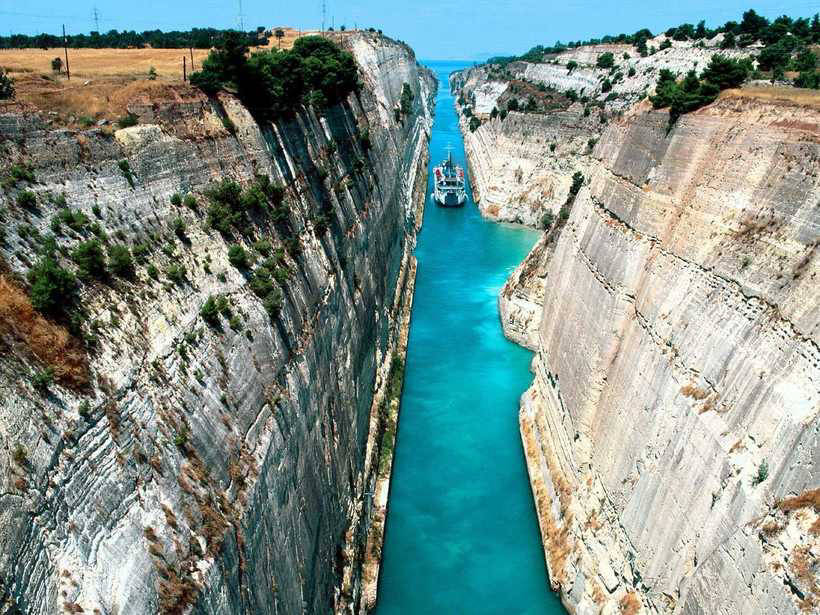
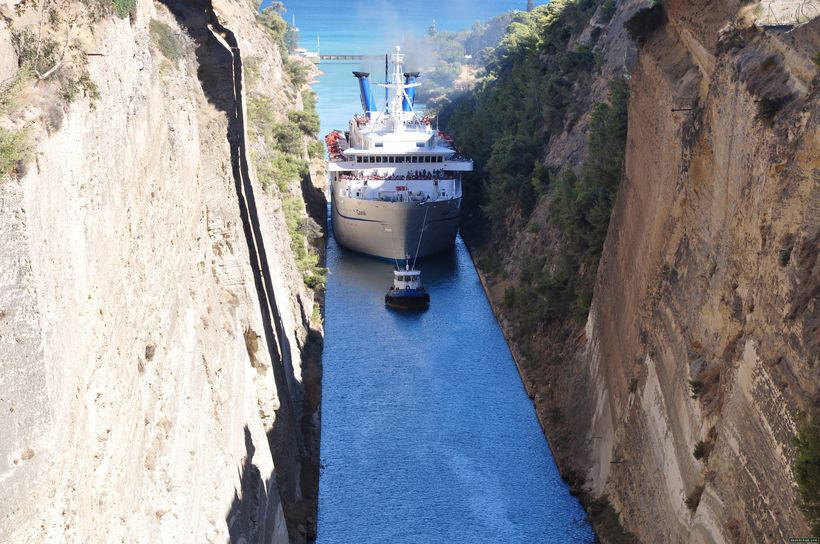
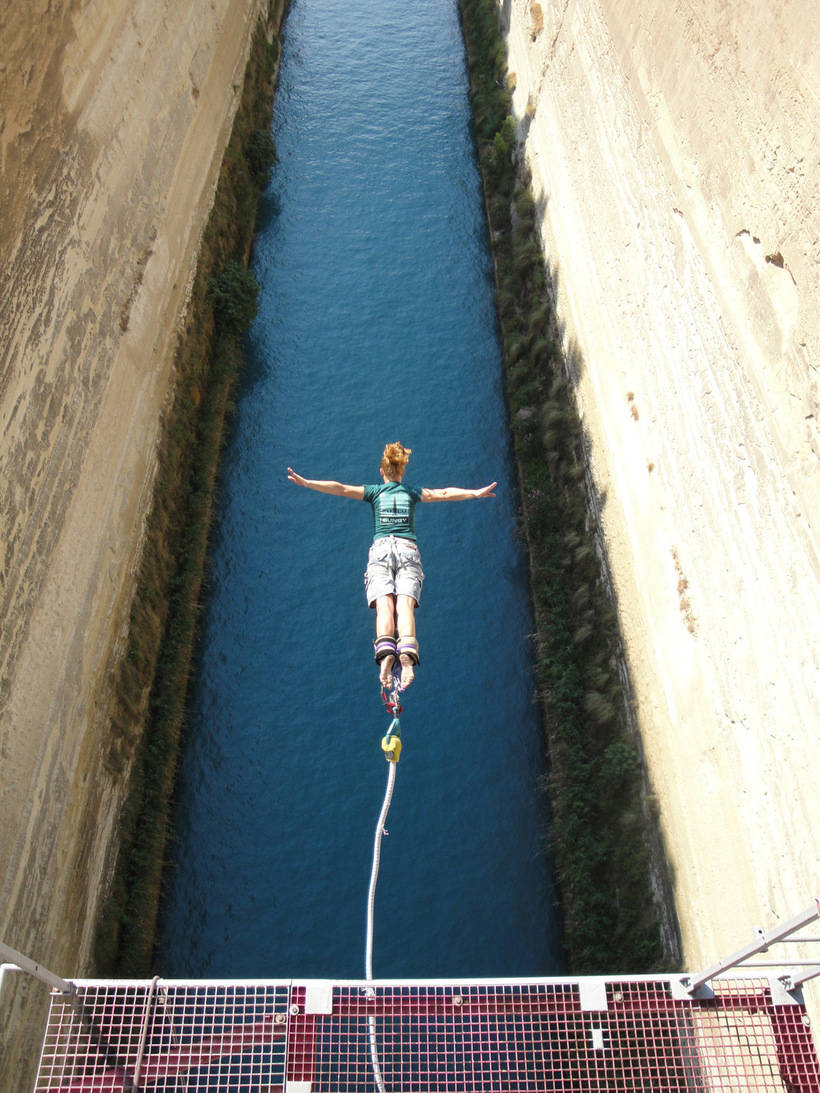
Most of the canal is constructed through a mass of limestone, and the height of its vertical walls reaches up to 76 meters. The Corinth Canal is undoubtedly one of the most magnificent navigable canals in the world. At the same time, it is also the narrowest of all existing canals. Its width is merely 21 meters, and it allows two-way traffic. There are also restrictions regarding the size of ships that can pass through it—large liners cannot navigate this narrow waterway. Despite these limitations, the Corinth Canal still handles up to 15,000 ships every year.
Interesting events occurred regarding the Corinth Canal during World War II. In April 1941, Nazi forces invaded Greece. Enemy troops landed along the shores of the canal and encountered little resistance, which effectively determined the fate of the Peloponnese peninsula. The Corinth Canal remained under fascist control until October 1944. During that entire time, it gradually fell into disrepair due to a lack of maintenance and cleaning. As they retreated, the fascists made every effort to cause as much damage as possible to this famous waterway. They blew up the steamship “Vesta” in its channel, left behind numerous broken pieces of equipment, and destroyed parts of the railway bridge. The fascists also deliberately demolished sections of the canal’s walls, causing it to be filled with vast amounts of debris. It took the help of American experts to restore the canal to its original state and make it operational again. The Corinth Canal was reopened in the summer of 1948 and has been functioning successfully ever since.
Find the Best Professionals for Your Project
Expert repair, construction, and renovation specialists ready to help you right now
Recommended articles
More articles:
 Rare giants: what do the 10 largest butterflies in the world look like
 Speicherstadt - a unique warehouse city in Hamburg
 SkyPixel presented the coolest air photos of 2017
 The woman quit her job in the office and became a successful wildlife photographer
 Tomato: thorny path from a poisonous plant to a pet of millions
 Taj Mahal: a masterpiece of the Great Moghul dynasty on the verge of destruction
 What do the most famous streets of 18 different cities all over the world look like
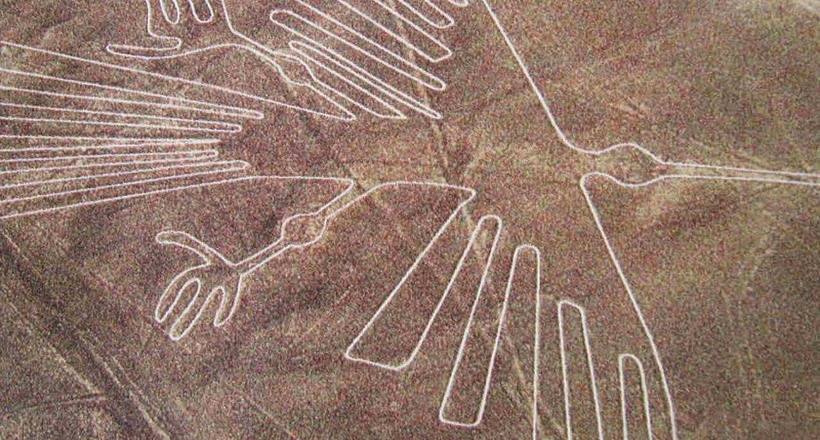 Geo-glyphs of Nazca: the greatest mystery of history, which scientists have not yet been able to uncover