Maranello and the Ferrari Museum: the history of motorsport at the heart of Emilia
Maranello greets tourists in red. It’s not just a theme — it’s an identity. Since 1943, it has been the headquarters of Ferrari, and the entire town moves in rhythm with the operations of the world’s most famous automobile manufacturer. If you are passionate about cars, history, speed, or simply want to experience how a small village became a legend, this is the destination for you. This article will cover not only the museum but also how to turn a weekend into a complete automotive immersion.
Ferrari Museum Maranello: What You Really Need to See


The Ferrari Museum in Maranello
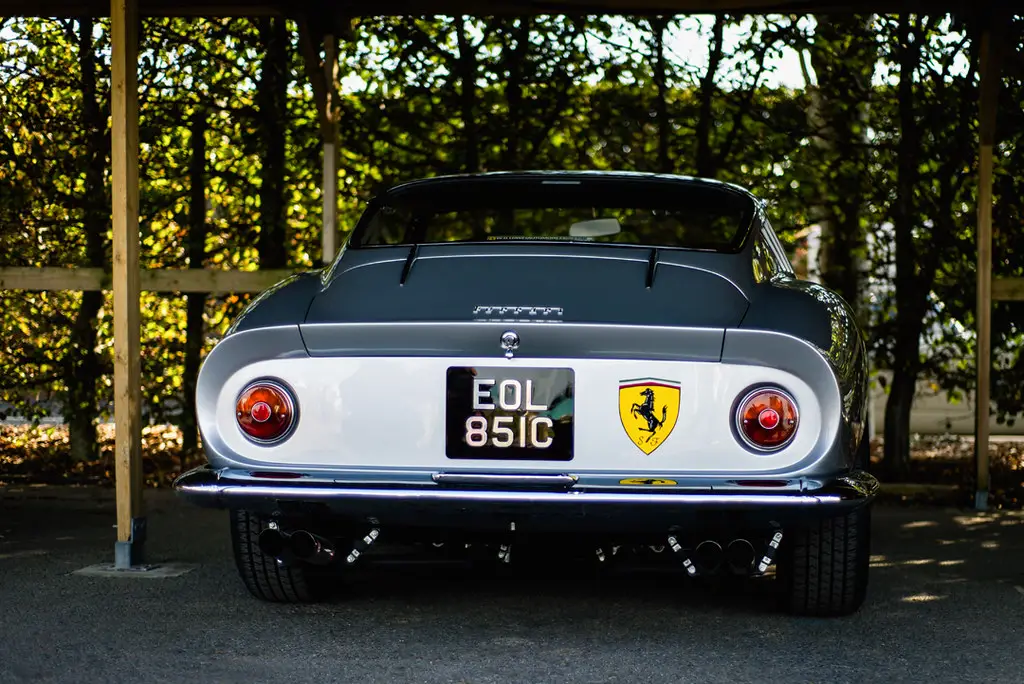
The exhibition is divided into two sections. The first covers the historical journey: from Enzo Ferrari’s first car, the 125 S from 1947, to Formula 1 championship cars. The second section features modern hypercars and supercars, demonstrating that the legend continues to evolve. The galleries are arranged so you move through all eras in sequence: you see the moment when red became Ferrari’s symbol, encounter the 275 GTB—a car dreamed of by every second boy in the 1960s—and then head toward the legendary F40, Ferrari’s first production car capable of speeds over 300 km/h.
Few people know that the museum has a separate F1 racing simulator. For 25 EUR, you can sit in the cockpit and experience the acceleration felt by drivers on the track. There is often a queue, so book online through the museum’s website in advance.
An audio guide is available in 10 languages and is included in the ticket price. We recommend getting it: every car has something to tell — from technical innovations to records set on famous tracks like Le Mans and Monza.
The minimum time to visit the museum is 2 hours if you just walk around the exhibits. It takes 3 hours if you want to read the materials. Four hours if you use the simulator and the museum’s café (the cappuccinos are good, honestly). Hours of operation: closed on Mondays, open Tuesday to Sunday from 9:30 to 18:00. There is no lunch break.
Tour to the Ferrari factory: how a layperson can get there

It sounds like an unattainable dream, but Ferrari’s factory welcomes tourists for special tours. However, the restrictions are strict: a maximum of 50 people per day, only with a guide, and only with prior reservation.
The tour lasts 2 hours, costs 85 EUR, and includes several key workshops: the engine assembly line (where almost everything is still done by hand), the finishing and final assembly areas. You won’t get access to the holy grails—like the design studio or the F1 department—but you will see how the red race car is created, hear the sound of the V12 engine in action, and grasp the scale of the operation that produces around 10,000 vehicles per year.
Fun fact: Ferrari builds its supercars by hand, just as they were made in 1947. Each engine is signed by the engineer who assembled it. This isn’t marketing—it’s the company’s philosophy.
You can book the tour on the official musеofеrrаrі.соm website or through the visitor center located near the museum. Tours during peak season (May–September) are booked weeks in advance, so plan ahead.
Walking in Maranello: Red Streets and Local Spirit
The museum and factory are the main attractions, but the town itself is worth a leisurely walk. Maranello has about 4,500 residents and feels like one big family united by its red logo.
Start at the central street, Vía A. Manzoni. Here you’ll find restaurants, cafes, and small shops selling official Ferrari merchandise (not just cheap trinkets, but also high-quality items, books, and clothing). In Piazza Manifattura, you can see Enzo Ferrari’s
Few people know that there is a quiet street in Maranello called Ferrari Road (that’s its exact name), where old houses belonging to the company’s employees are located. It’s a neighborhood from the 1950s, where history is embedded in the bricks and windows. Locals allow tourists to visit and even recommend taking photos.
You can stroll around the town for free—there are no admission fees. It takes 1 to 1.5 hours for a leisurely tour.
Emilia’s Gastronomic Route: Pasta Between Two Museums


Maranello is located in the heart of Emilia-Romagna, a region that competes with Tuscany for its culinary reputation. While you’re exploring the museum, your stomach needs a strategy.
Lunch in Maranello itself: Ristorante Trattoria del Savallo
If you need something quick, try Osteria del Seminario
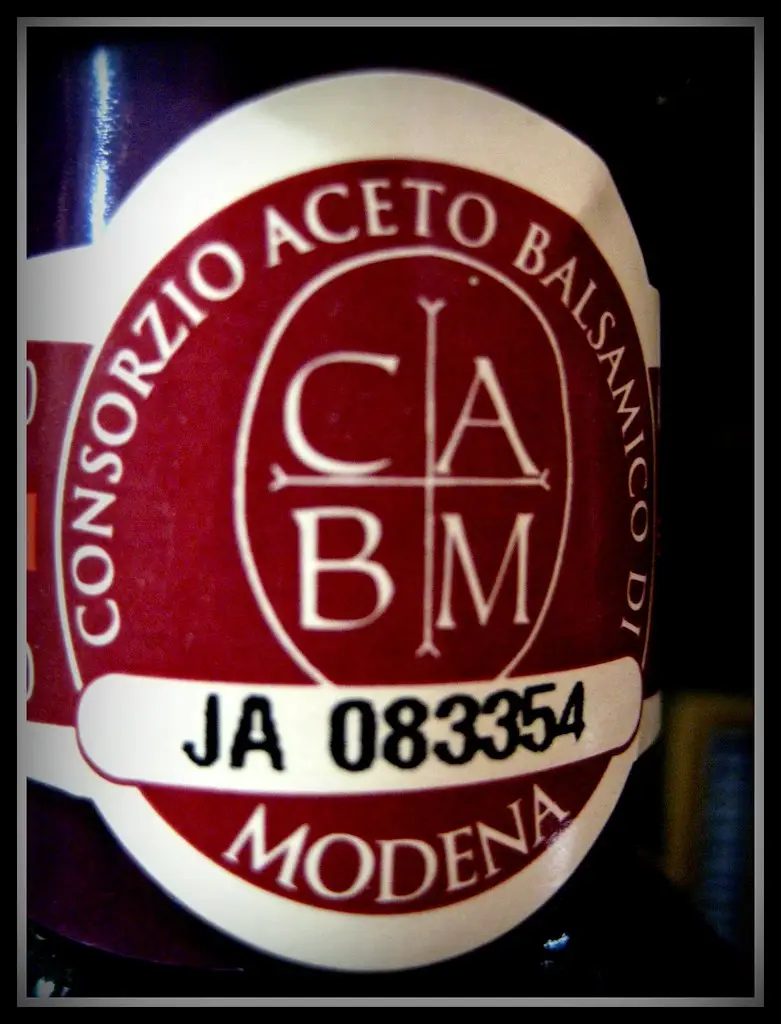
Extended itinerary to neighboring Modena and Reggio Emilia: if you’re staying for a few days, take a trip to the nearby cities. Modena (30 km, 20 minutes by car) is the world capital of balsamic vinegar and Parmigiano cheese. Here you can visit Azienda Tradizionale
Fun fact: Balsamic vinegar from Modena is made by hand, and its age is determined not through laboratory tests but by tasting—vinegar connoisseurs assess it based on flavor. A 100-year-old bottle costs around 300 EUR for a tiny 100 ml flask.
Weekend Road Trip: Maranello + Modena + Modern Factories
If you have a rental car, plan a classic weekend itinerary that covers all of Emilia’s culinary highlights:
Day 1:
Morning (8:00-10:00) — arrival in Maranello, Ferrari Museum, factory tour.
Lunch (13:00-14:30) — Trattoria del Cavallo.
Afternoon (15:00-17:00) — city walk, Enzo Ferrari statue, photos against the red buildings.
Dinner — light options at the hotel or a local bar.
Day Two:
Morning (9:00-11:00) — trip to Modena, Asetàionale, vinegar tasting.
Late breakfast (11:30-12:30) — Osteria dell’Aseto
Afternoon (13:00-16:00) — Enzo Ferrari Museum in Reggio Emilia, automotive-themed exhibits in a historic 1920s building.
Dinner — return to Maranello or stay in Modena (more restaurants).
The distance between the cities is 15-30 km, with good roads. Renting a car in Bologna (60 km from Maranello) will cost 35-50 EUR per day for an economy car.
Few people know that the route along Vіa Еmіlіа (a national road that runs through the entire region) is itself a museum. From left to right, you can see the history of the automotive industry: Lamborghini’s workshops (Sаnt'Аgаtа Воlоgnеsе, 30 km from Maranello), Ducati (motorcycles, Bologna), and Pagani (hypercars, Sаnt'Аgаtа). It could be a full day trip if you’re a fan.
Practical tips: how to get there, when to go, and how much it costs
How to get to Maranello:
The nearest major airport is Bologna Guglielmo Marconi Airport (Aeroporto di Bologna Guglielmo Marconi)
— By car: rental costs 35-50 EUR per day, travel time is 50-70 minutes via the A1 highway.
— By train: a regional train runs from Bologna to Maranello (Maranello station) approximately once per hour, with a travel time of 1 hour 20 minutes and ticket prices of 6-10 EUR. Trains operate Monday to Sunday; check schedules at trenitalia.com.
— By bus: SETA is the regional operator, with services from Bologna to Maranello approximately every hour, travel time of 1 hour 15 minutes, and ticket cost of 7 EUR.
If you arrive at Parma Airport (which is closer, about 50 km away), the travel time is reduced.
When to go:
May to September is the best time. July and August are hot (around 30°C) and crowded with tourists. April to May and September to October represent the ideal period: temperatures range from 18 to 24°C, prices are slightly higher, but there are fewer crowds. The museum is open year-round, but it closes during New Year’s holidays in December and January.
Daily expenses in Maranello per person:
— Ferrari Museum: 16 EUR
— Factory tour (if chosen): 85 EUR
— Breakfast/coffee: 5 EUR
— Lunch: 12-18 EUR
— Dinner: 15-25 EUR
— Hotel: 60-120 EUR (options exist starting at 40 EUR, but a mid-range choice is better)
Total per day: 150-270 EUR. If including a car and factory tour, the cost is 200-350 EUR.
Money can be withdrawn from any ATM in the city, and all cards (Visa, Mastercard) work without issues. Cash payments are also accepted in smaller establishments.
Fun fact: There are still no high-end chain hotels in Maranello (no 5-star chains like Marriott). The best options are 3-star boutique hotels and local family-run inns. But this comes at a cost — nearby in Bologna and Modena, there’s a full range of hotels at all levels, and it’s easier to rent a car from there.
Three things tourists most often forget or overlook
First: they forget to book a factory tour in advance. It’s the only way to get inside. If you arrive and decide to do it on the same day, the chances are near zero. Plan ahead 2-3 weeks.
Second: they go only to the museum and leave. It takes an hour, and then it gets boring. Expand your trip by adding Modena, creating a food tour, and visiting the Enzo Ferrari Museum in the neighboring town. This will turn your vacation into a historical journey rather than just a quick museum visit.
Third: they don’t think about the weather. Even in September, there can be fog or rain in Emilia. A raincoat and comfortable shoes are not unnecessary. And if you plan to visit a factory, wear clothing without exposed metals—piercings and jewelry may cause problems at the entrance for safety reasons.