#8 photos
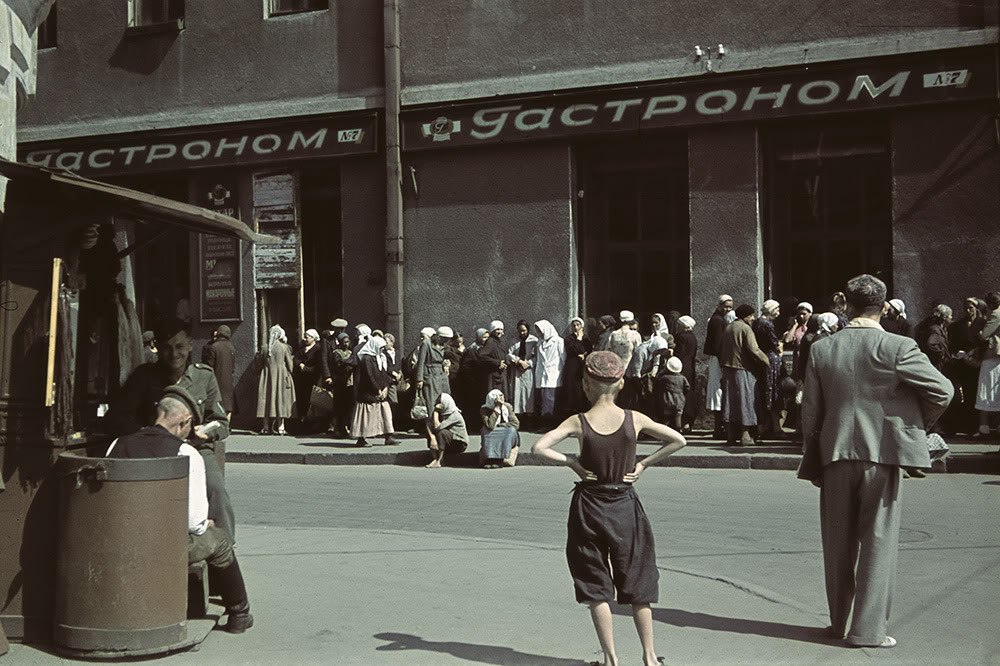
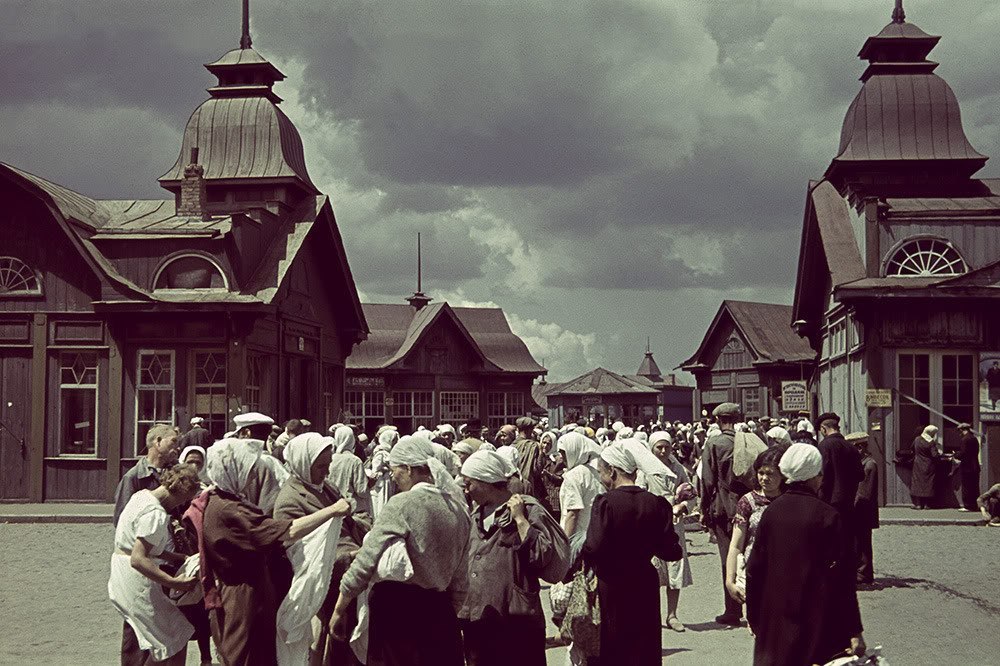
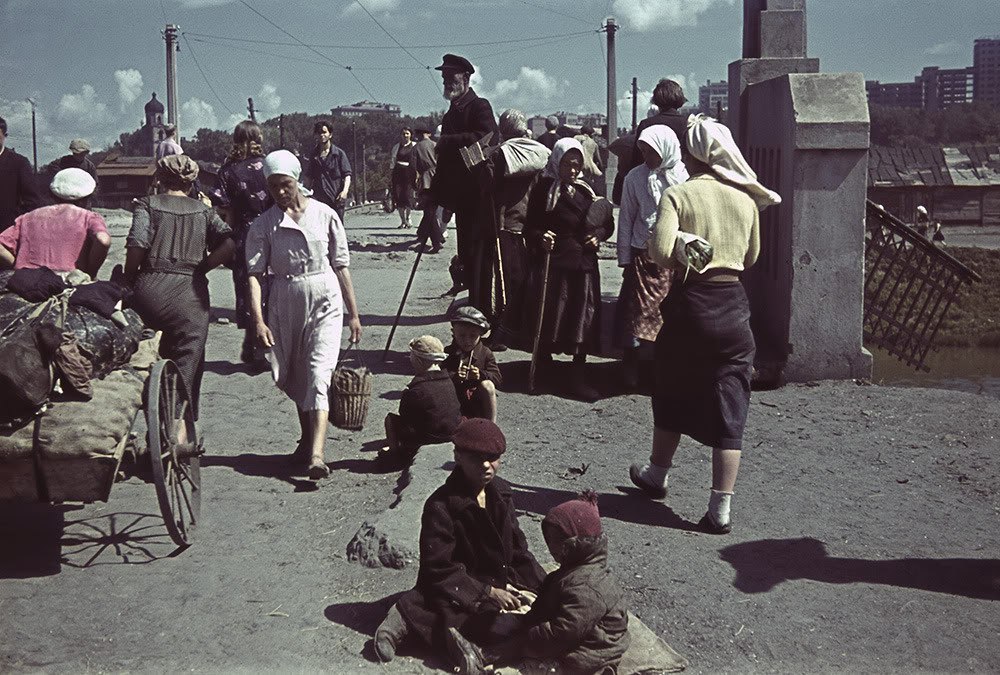
Kharkov during the occupation.
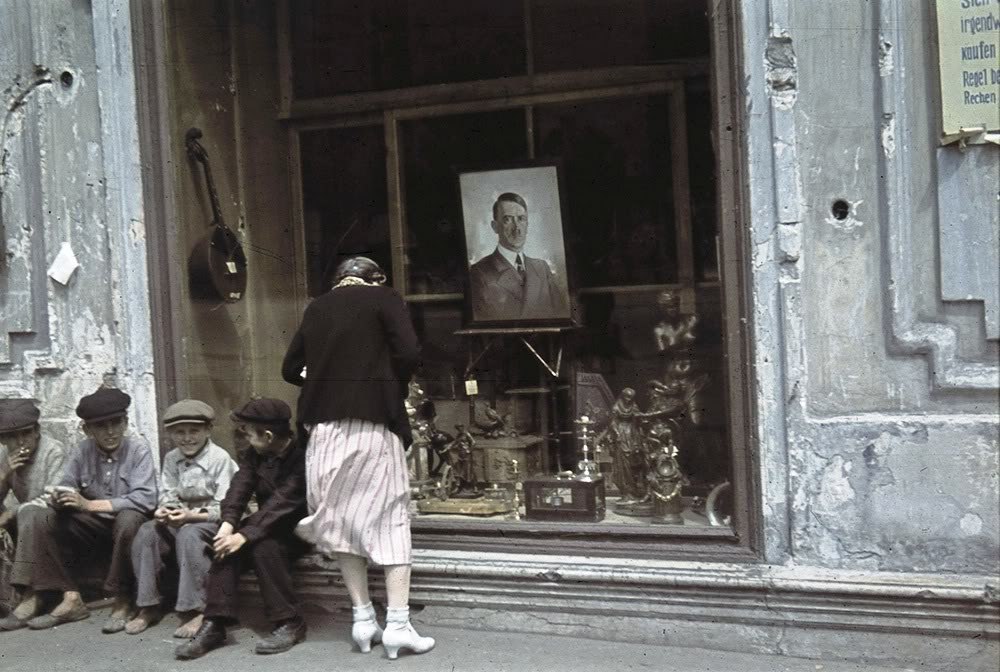
“On October 24, 1941, the Germans entered Kharkov... The residents cautiously descended towards Klovchka Street to get a closer look at them: what kind of people were they? The Germans moved in silence, without any signs of joy or celebration over capturing such a large city. Everything was cold, orderly, indifferent... They didn’t even glance at the locals...
…We observed their grayish-smoke-colored uniforms, their faces, their epaules. Some of them wore iron crosses under their chins...
…After the bombing, my father and I went out into the city.
— Mark, don’t take Liusya with us. There might be dead people there. Why should a child see such things?
— A child, Lelia, must know and see everything—both the good and the bad. With her own eyes. Life is life, my dear...
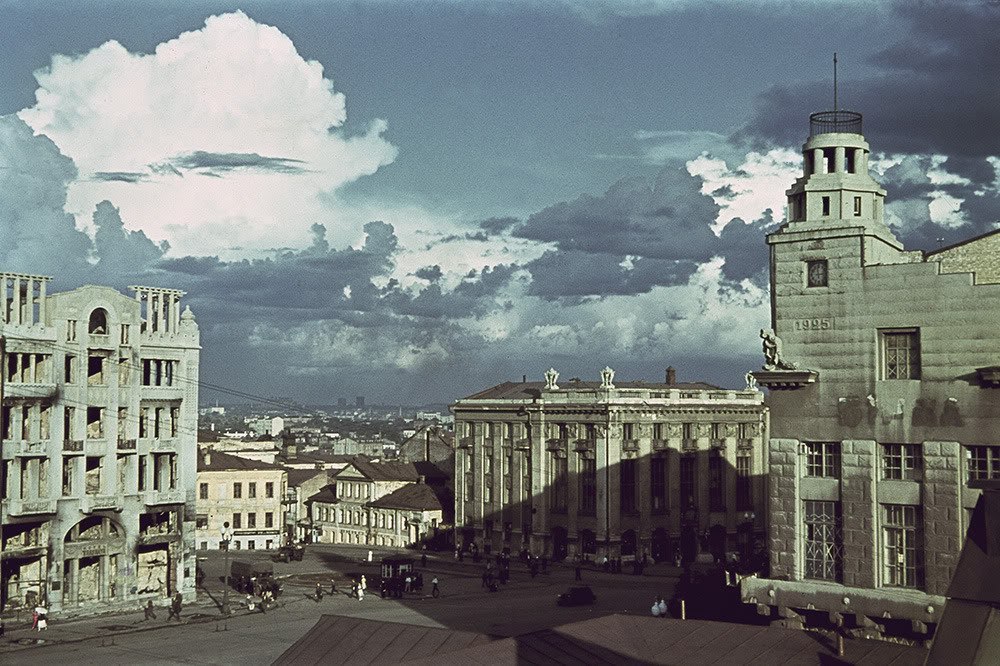
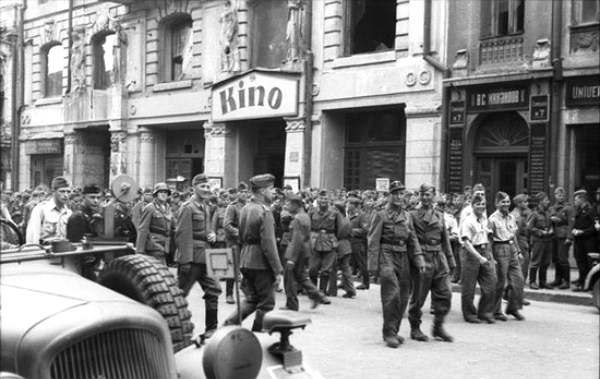
Kharkov, 1941–1943. Tsvetayev Square (now Constitution Square), Sumskaya Street. The first building on the right is Kharkov’s Puppet Theatre; the next one houses the Kharkov Automobile Transport Technical Institute, and behind it is house number 2 on Sumskaya Street. Bundesarchiv
“…On Sumskaya Street (house number 5), the Germans opened a cinema. At the Shevchenko Theater, an operetta began performing... Several Germans came to watch a Russian girl sing in their language—even if not perfectly. I brought home a full pot of delicious, rich bean soup! Tomorrow, I’ll get a bigger pot! The three of us ate all that soup. I knew now that I wouldn’t let my mother go hungry. I also started working again…”
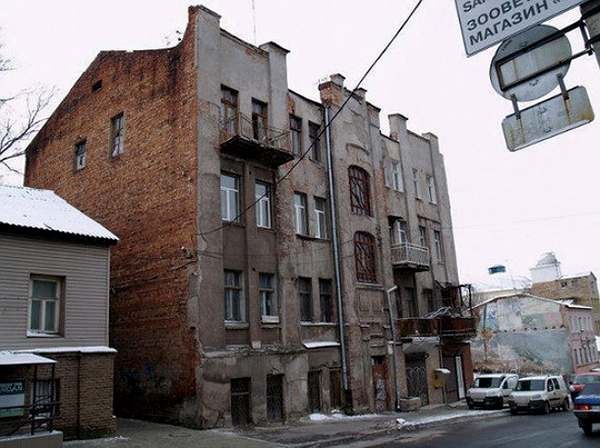
Kharkov, Kravtsov Alley, 7—where Liusya Gurchenko lived with her mother during the war (modern photo). By the mid-20th century, Kravtsov Alley was called Mordvinovsky Alley. “…It all started when everyone who remained in our building during the occupation was gathered and ordered to clear it out. ‘This building will be occupied by German troops’... We were scattered across different apartments. My mother and I ended up in a four-story apartment on the fourth floor, in the same Mordvinovsky Alley but closer to Rymskaya Street. From our window, you could see Klovchka Street below on the left and Rymskaya Street above on the right. A steep, winding alley connected these two parallel streets…”
“…On February 15, 1943, the Red Army liberated Kharkov for the first time. When everyone around was celebrating, ‘our’ army had returned, my mother carefully led me down the stairs from the fourth floor in Mordvinovsky Alley. I hadn’t been outside all winter—so many people were crying and hugging each other. We walked down to Klovchka Street where the troops were entering... They looked exhausted and tired; there were few cars, and cannons had to be pulled by horses... Nothing like before the war…”
February 1943, Kharkov under the “second Germans”. “…But our army retreated. The ‘second Germans’ arrived... Once again, the same scene on Klovchka Street—only this time the Germans entered from the center, from Tsvetayev Square. ‘Lelia! Lelia! Hurry! These are completely different troops… and their uniforms too.’ The ‘second Germans’ marched in tight formation, from one sidewalk to another. They fired their rifles at every small sound, at moving objects, at windows, doors, up or down—these were elite SS troops. Their sharp, barking voices, their black uniforms, and especially their rhythmic ‘Heil’ calls—nothing like the ‘first Germans’…”
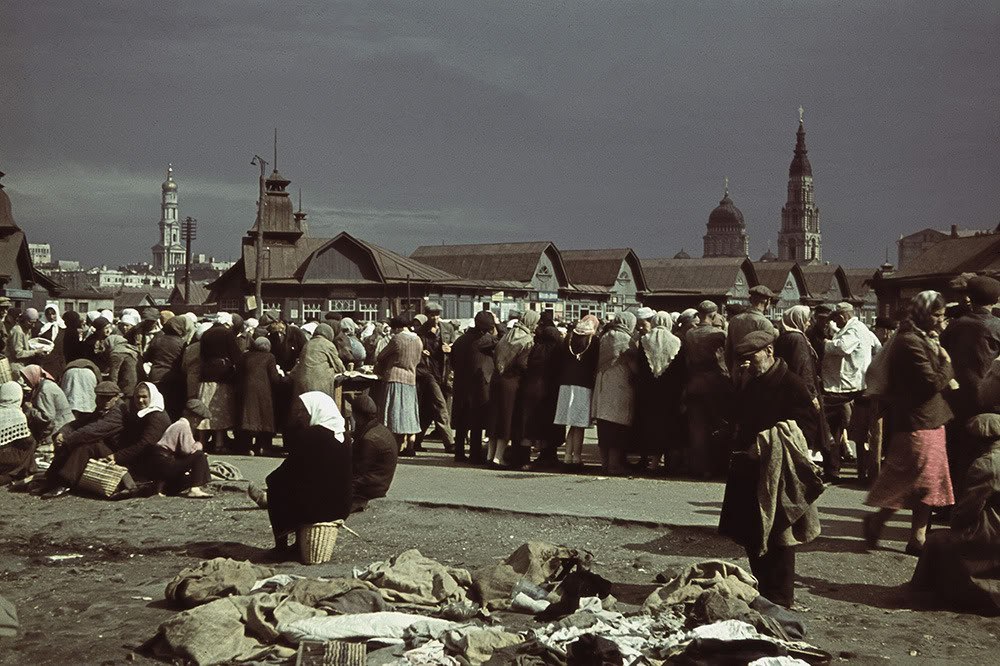
“…But in the morning, as soon as it got light, life began again. How intense it was! People seemed to try to make up for what they had missed during the night. Everyone rushed out of their homes and headed to the market! There was everything there—food, clothing, money, hope… life itself!”
“…In the city, the term ‘grabilovka’ became widely used. What did it mean? If a bomb struck a food warehouse, people would grab baskets and buckets and rush out to ‘steal’ whatever they could. Many never returned. The Germans executed those who got caught or didn’t manage to hide in time. People grabbed whatever was at hand, without even checking the labels on the boxes… Just to get something and take it home as quickly as possible…”
“…My mother’s few, frugal stories about the occupation are deeply etched in my memory. They’ve become almost like my own memories. Now, when I tell them, I often find myself repeating her exact intonation: ‘Oh, you know, in the winter of 1942, the worst part was definitely the mornings. You sleep through the night, and then in the morning you have to start living again. But how? What do you have to eat? How do you keep warm? What do you drink?’…”
“…The ‘second Germans’ imposed a curfew. After 6 p.m., it was forbidden to be on the streets—failure to comply meant immediate execution. During the occupation, there were so many orders, regulations, and threats that people had grown less vigilant. But when, after the curfew was announced, people were killed on the streets the next morning, it became clear that the ‘second Germans’ did enforce their rules. After 6 p.m., the city fell dead silent—only occasional shots, the clatter of horse hooves…”
Published in the publication “Historical Truth”
#1solica_history
“On October 24, 1941, the Germans entered Kharkov... The residents cautiously descended towards Klovchka Street to get a closer look at them: what kind of people were they? The Germans moved in silence, without any signs of joy or celebration over capturing such a large city. Everything was cold, orderly, indifferent... They didn’t even glance at the locals...
…We observed their grayish-smoke-colored uniforms, their faces, their epaules. Some of them wore iron crosses under their chins...
…After the bombing, my father and I went out into the city.
— Mark, don’t take Liusya with us. There might be dead people there. Why should a child see such things?
— A child, Lelia, must know and see everything—both the good and the bad. With her own eyes. Life is life, my dear...
Kharkov, 1941–1943. Tsvetayev Square (now Constitution Square), Sumskaya Street. The first building on the right is Kharkov’s Puppet Theatre; the next one houses the Kharkov Automobile Transport Technical Institute, and behind it is house number 2 on Sumskaya Street. Bundesarchiv
“…On Sumskaya Street (house number 5), the Germans opened a cinema. At the Shevchenko Theater, an operetta began performing... Several Germans came to watch a Russian girl sing in their language—even if not perfectly. I brought home a full pot of delicious, rich bean soup! Tomorrow, I’ll get a bigger pot! The three of us ate all that soup. I knew now that I wouldn’t let my mother go hungry. I also started working again…”
Kharkov, Kravtsov Alley, 7—where Liusya Gurchenko lived with her mother during the war (modern photo). By the mid-20th century, Kravtsov Alley was called Mordvinovsky Alley. “…It all started when everyone who remained in our building during the occupation was gathered and ordered to clear it out. ‘This building will be occupied by German troops’... We were scattered across different apartments. My mother and I ended up in a four-story apartment on the fourth floor, in the same Mordvinovsky Alley but closer to Rymskaya Street. From our window, you could see Klovchka Street below on the left and Rymskaya Street above on the right. A steep, winding alley connected these two parallel streets…”
“…On February 15, 1943, the Red Army liberated Kharkov for the first time. When everyone around was celebrating, ‘our’ army had returned, my mother carefully led me down the stairs from the fourth floor in Mordvinovsky Alley. I hadn’t been outside all winter—so many people were crying and hugging each other. We walked down to Klovchka Street where the troops were entering... They looked exhausted and tired; there were few cars, and cannons had to be pulled by horses... Nothing like before the war…”
February 1943, Kharkov under the “second Germans”. “…But our army retreated. The ‘second Germans’ arrived... Once again, the same scene on Klovchka Street—only this time the Germans entered from the center, from Tsvetayev Square. ‘Lelia! Lelia! Hurry! These are completely different troops… and their uniforms too.’ The ‘second Germans’ marched in tight formation, from one sidewalk to another. They fired their rifles at every small sound, at moving objects, at windows, doors, up or down—these were elite SS troops. Their sharp, barking voices, their black uniforms, and especially their rhythmic ‘Heil’ calls—nothing like the ‘first Germans’…”
“…But in the morning, as soon as it got light, life began again. How intense it was! People seemed to try to make up for what they had missed during the night. Everyone rushed out of their homes and headed to the market! There was everything there—food, clothing, money, hope… life itself!”
“…In the city, the term ‘grabilovka’ became widely used. What did it mean? If a bomb struck a food warehouse, people would grab baskets and buckets and rush out to ‘steal’ whatever they could. Many never returned. The Germans executed those who got caught or didn’t manage to hide in time. People grabbed whatever was at hand, without even checking the labels on the boxes… Just to get something and take it home as quickly as possible…”
“…My mother’s few, frugal stories about the occupation are deeply etched in my memory. They’ve become almost like my own memories. Now, when I tell them, I often find myself repeating her exact intonation: ‘Oh, you know, in the winter of 1942, the worst part was definitely the mornings. You sleep through the night, and then in the morning you have to start living again. But how? What do you have to eat? How do you keep warm? What do you drink?’…”
“…The ‘second Germans’ imposed a curfew. After 6 p.m., it was forbidden to be on the streets—failure to comply meant immediate execution. During the occupation, there were so many orders, regulations, and threats that people had grown less vigilant. But when, after the curfew was announced, people were killed on the streets the next morning, it became clear that the ‘second Germans’ did enforce their rules. After 6 p.m., the city fell dead silent—only occasional shots, the clatter of horse hooves…”
Published in the publication “Historical Truth”
#1solica_history
Find the Best Professionals for Your Project
Expert repair, construction, and renovation specialists ready to help you right now
Recommended Galleries
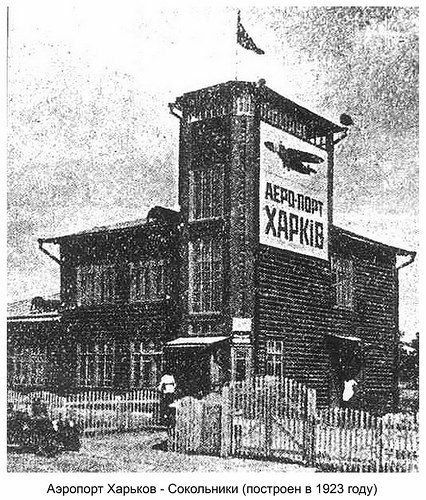
**Kiev and Aviation**<br>(Part 1)
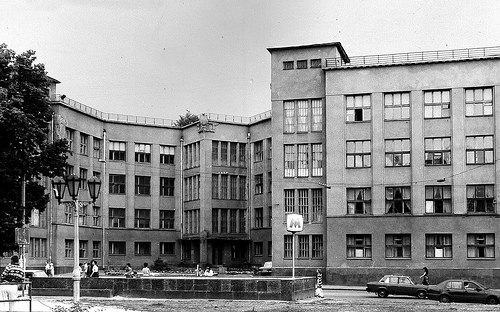
82 Pushkin Street, Institute of Medical Radiology. (1930). <br>Style: Constructive Art Deco.
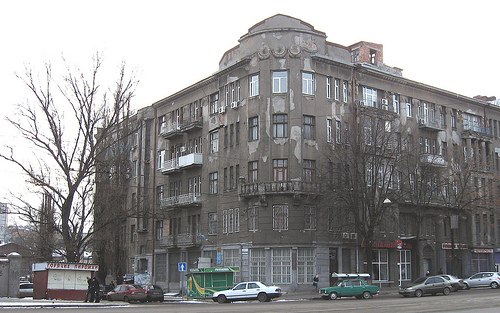
47/49 Poltavskiy Shlyakh.<br>Former Feldman Income House and private clinic (1918).
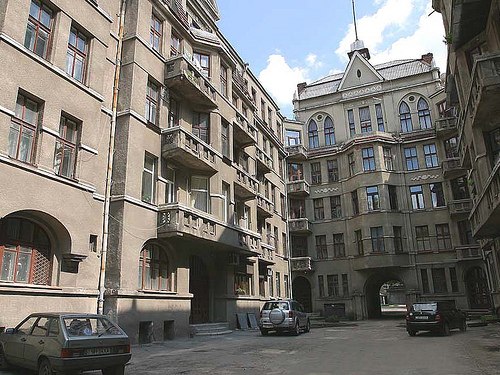
6 Artyom Street, “Red Banker” Residential Building (1928). <br>Designed in collaboration with architect Andrusenko. <br>Style: Decorative Art Deco.
Recommended articles


More Galleries
- **Kiev and Aviation**<br>(Part 1)
- 82 Pushkin Street, Institute of Medical Radiology. (1930). <br>Style: Constructive Art Deco.
- 47/49 Poltavskiy Shlyakh.<br>Former Feldman Income House and private clinic (1918).
- 6 Artyom Street, “Red Banker” Residential Building (1928). <br>Designed in collaboration with architect Andrusenko. <br>Style: Decorative Art Deco.
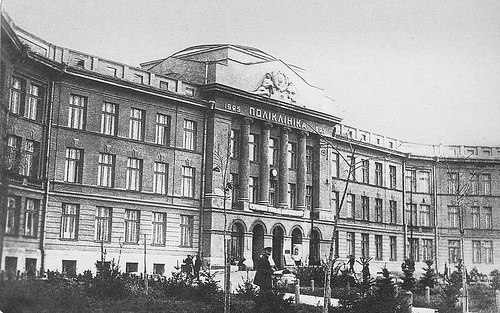 Moscow Street, 197
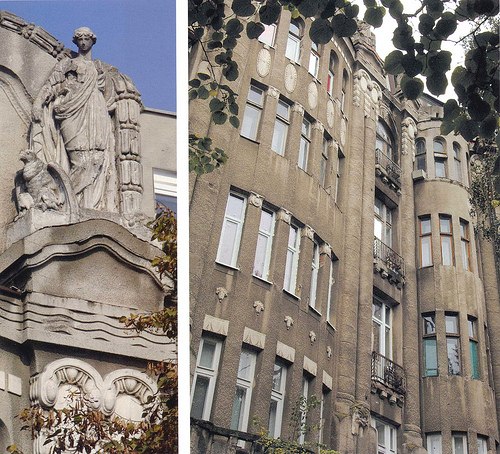 22a Poltavskiy Shlyakh. Former income-producing property owned by the Kats brothers (1914).
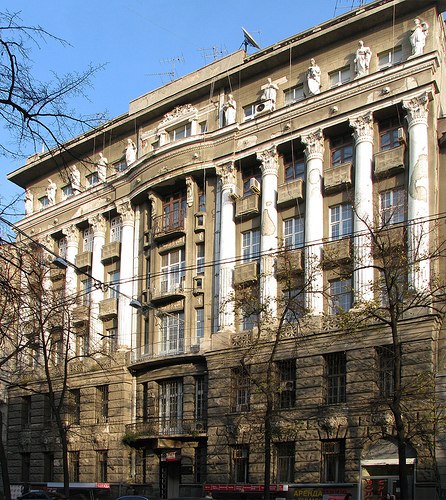 82 Sumskaya Street. Former Moshevich Income House (1914). <br>Style: Neorenaissance.
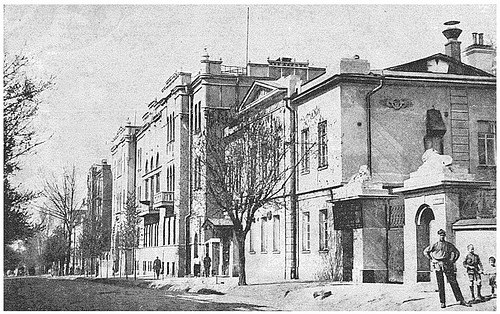 On the level of education
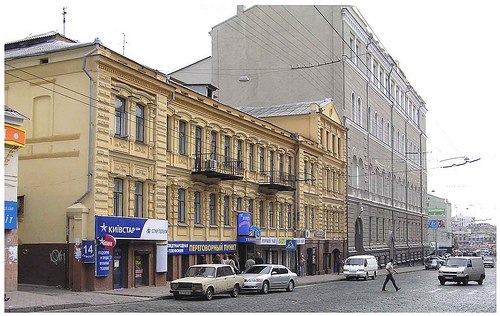 The Story of One House at 14 Sumskaya Street
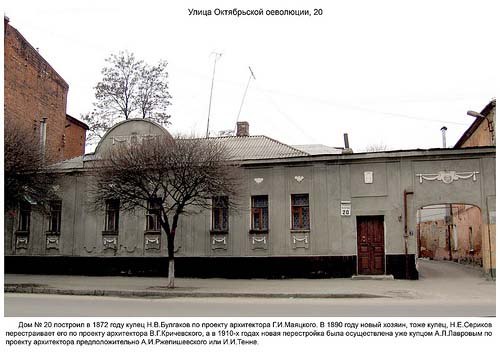 20 Oktyabrskoy Revolutsii Street
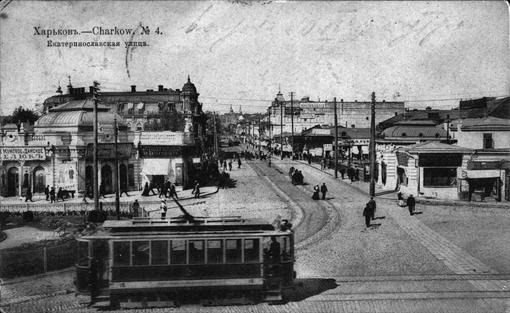 Office District – a sanctuary for the old city of Kharkov<br>(How Zalopan’, a rural area once, <br>became a prestigious commercial district.)
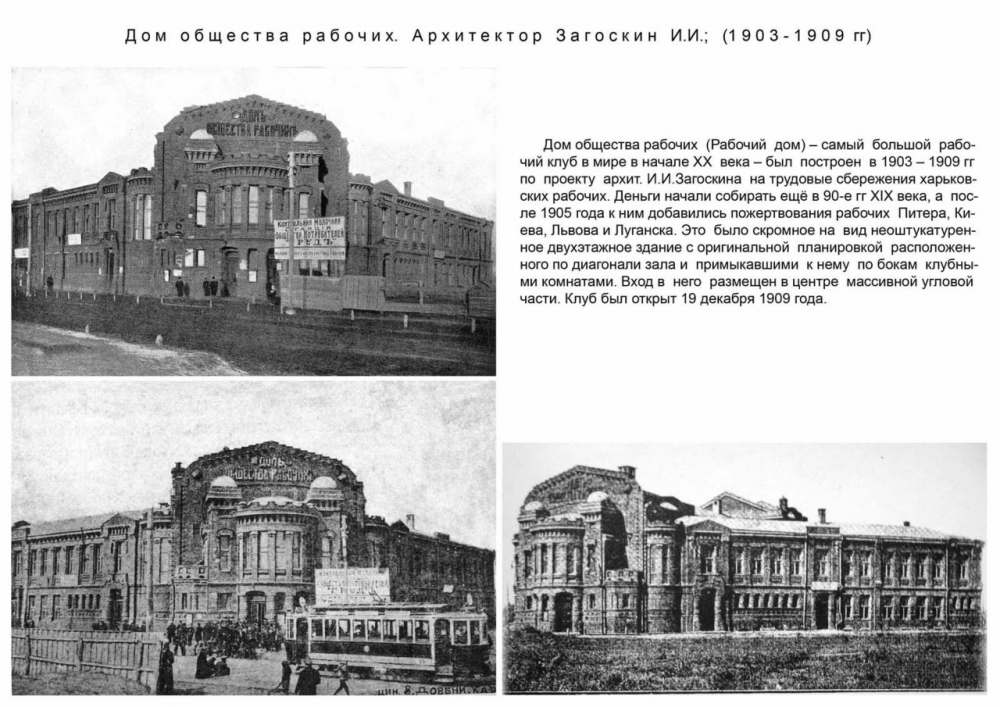 「The Workers' Home」