Présences féminines2 photos
**Place of Sessions**
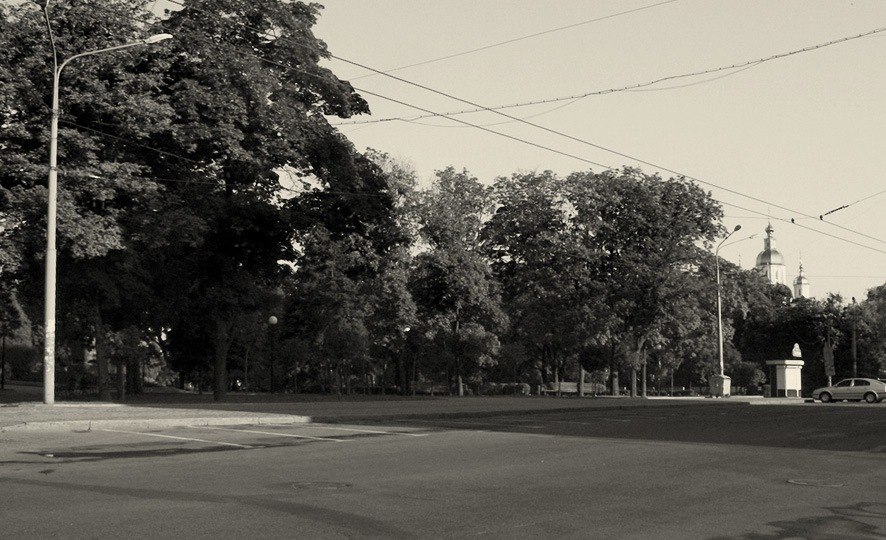
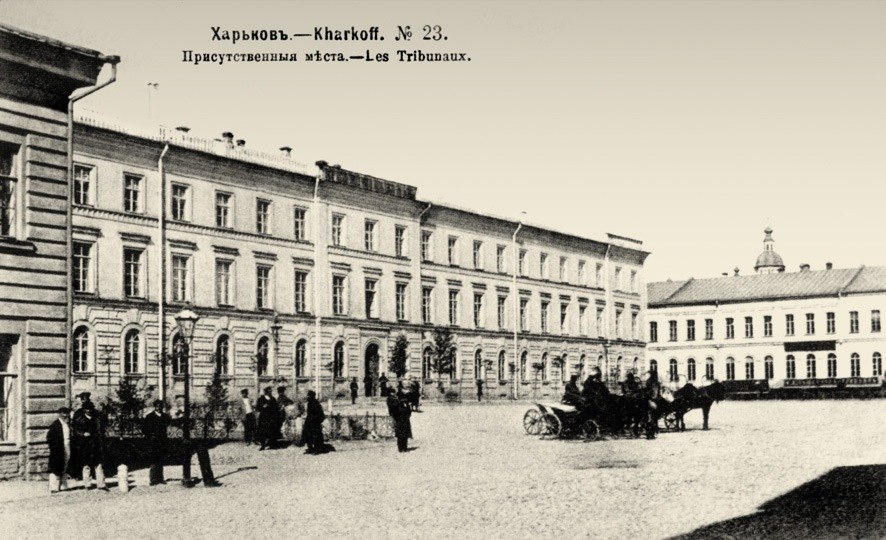
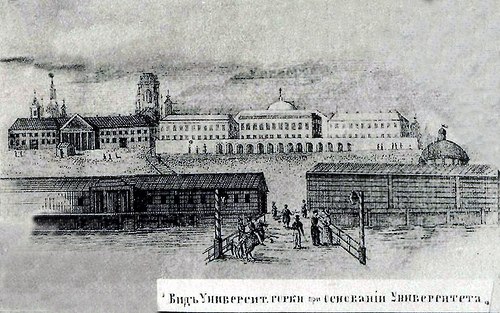
In the 18th century, across from the Uspensky Cathedral on University Hill, six one-story buildings were constructed according to the design by architect P. A. Yaroslavsky. In 1785, the old wooden houses were demolished, and construction began on two- or three-story stone buildings for meetings, presumably based on the plans of Italian architect Giacomo Antonio Domenico Quarenghi. However, the construction process was lengthy, and adjustments were made to the original design by the Petersburg architect A. D. Zakharov during the building phase. In 1805, the Governor’s Office moved into the building, even though it was not yet fully completed.
The building featured a semi-circular recessed facade. With its construction, Sobornaya Square was formed. In 1850, Governor S. A. Kokoshkin decided to demolish the unfinished building, and between 1850 and 1854, a new meeting hall was constructed on its site. The new structure was entirely three-story and had a straight facade, unlike its predecessor. After the revolution, various organizations took up residence there, including the Kharkov Regional Committee of the Communist Party of Ukraine (b), the Regional Executive Committee, and the Regional Committee of the Comsomol.
The Kharkov Council of Workers’ and Soldiers’ Deputies also had its offices there. In 1928, all these organizations were relocated to the State Property Administration, and the vacated building was reconstructed and completed by architects A. A. Tatsiy, I. Y. Karakis, A. M. Kasyanov, and artist V. G. Meleer in a style influenced by Constructivism. After the renovation, the building housed the All-Ukrainian House of the Red Army, named after K. E. Voroshilov. In 1941, during the Battle of Kharkiv, this building became a key stronghold of the defense of the city and suffered severe damage in the battles. Ten years later, the burned-out shell of the building was demolished, and a square named “Eternal Flame” was established in its place.
**Source:** vk.com/old_kharkov #1stolica_history
Trouvez les meilleurs professionnels pour votre projet
Des spécialistes en réparation, construction et rénovation prêts à vous aider
Galeries recommandées
Articles recommandés



Plus de galeries
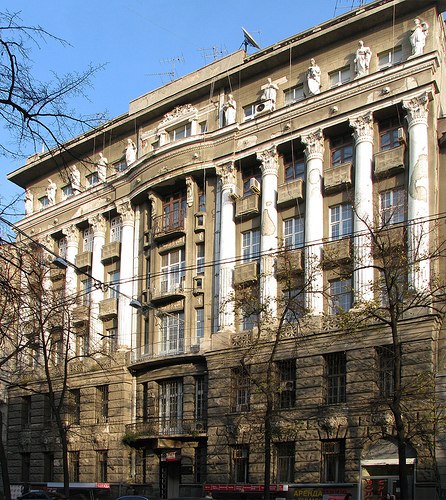 82, rue Sumskaya. L’ancien immeuble de logements locatables de Moshkevitch (1914). <br>(Style : néo-Renaissance.)
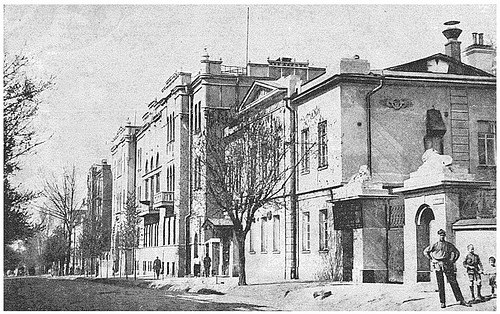 Dans le domaine de l’éducation
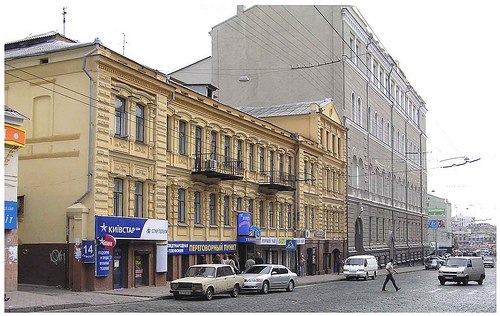 **L'histoire d'une maison au 14, rue Sumskaya**
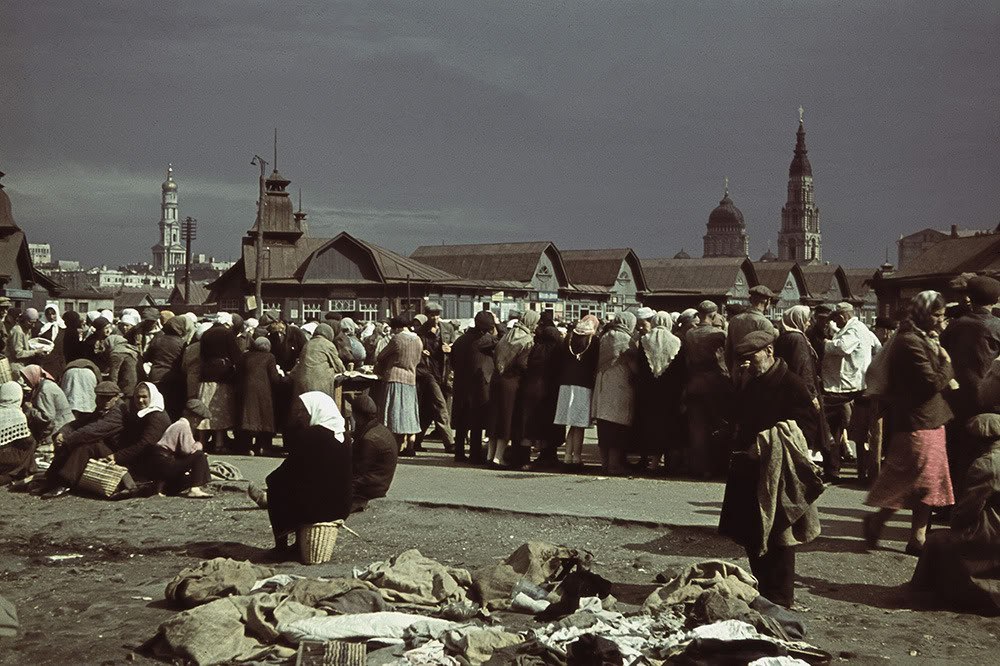 Kharkov pendant l’occupation.
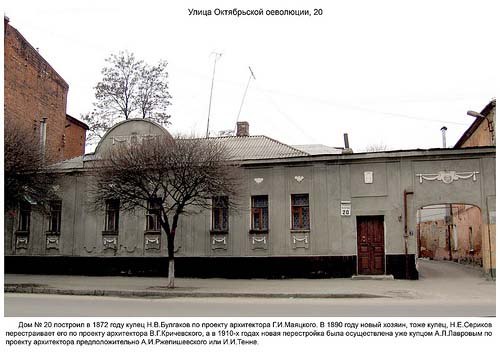 Rue de la Révolution d’Octobre, n° 20
 Конторская – un parc naturel protégé du vieux Kharkiv<br>(Comment Zalopan’ est passée de une zone rurale <br>à un prestigieux quartier résidentiel.)
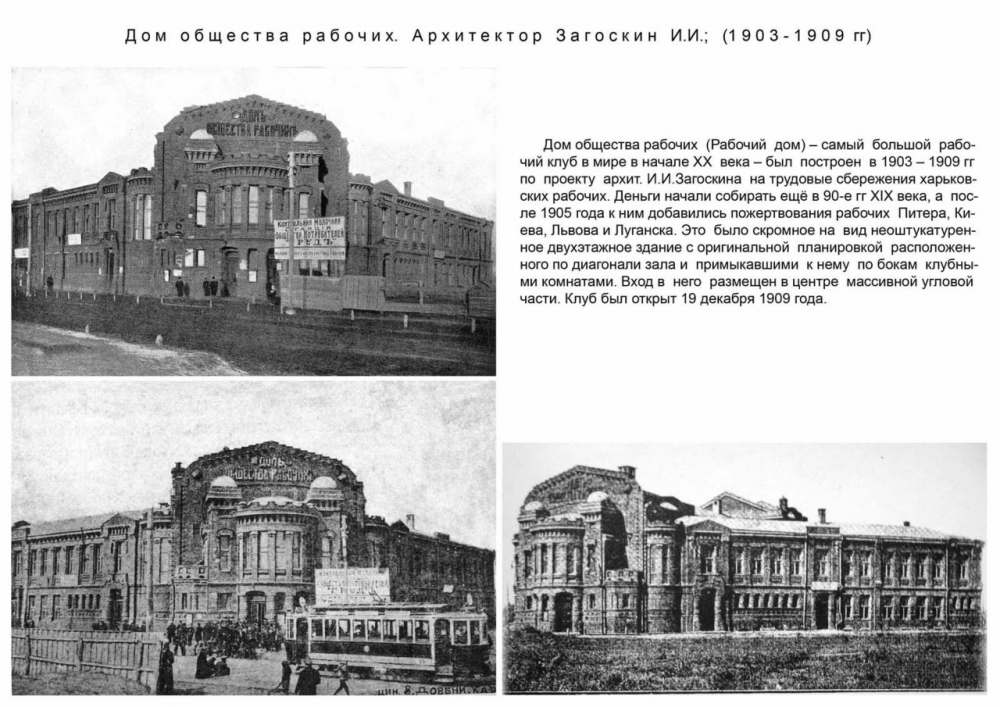 «La Maison de la Société Ouvrière»
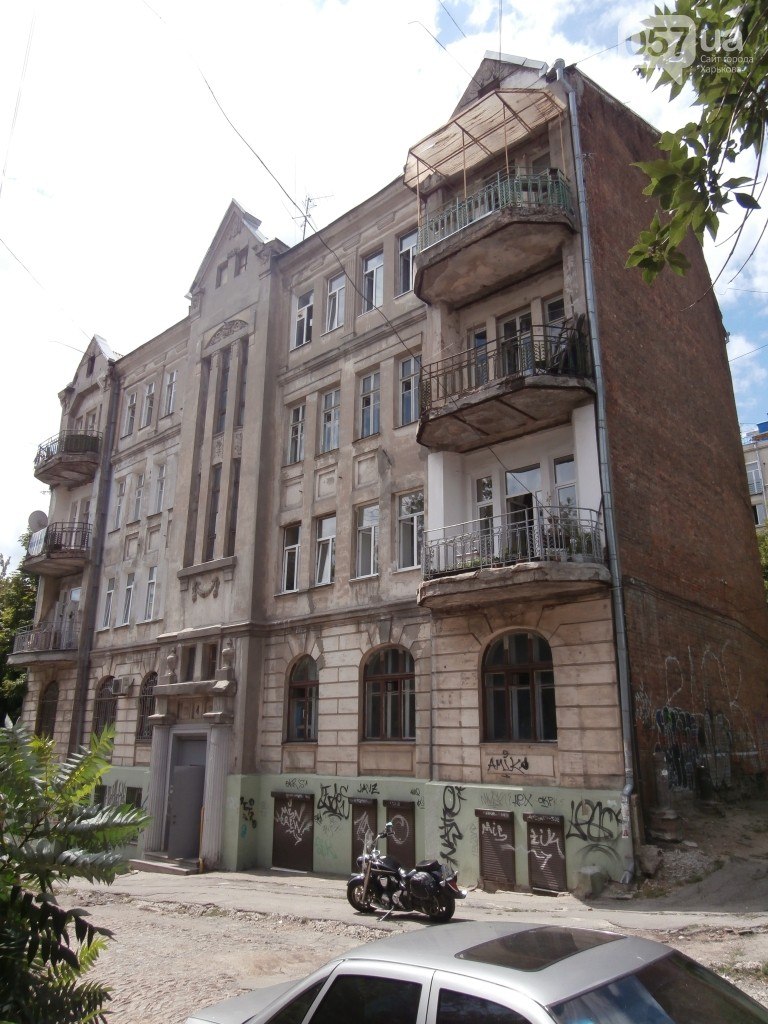 Дом avec une mini-prisonne, qui a « participé »<br>(traduction de Vorobieva, partie 2)
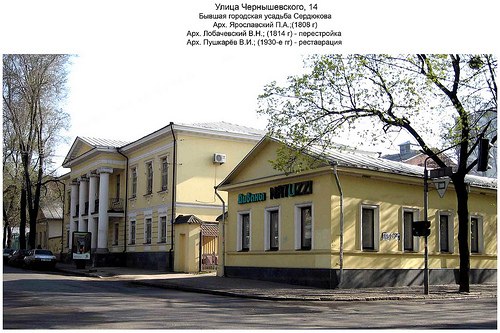 14, Cherychevskaya
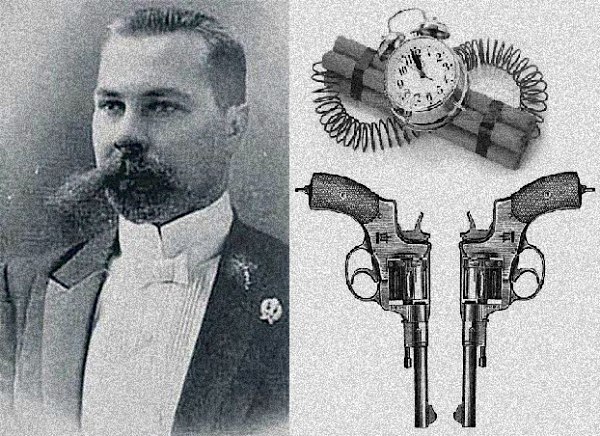 “L’Défense de l’Ukraine” et Nikolaï Michnovski --- Return ONLY the translated text. No additional elements shall be added.
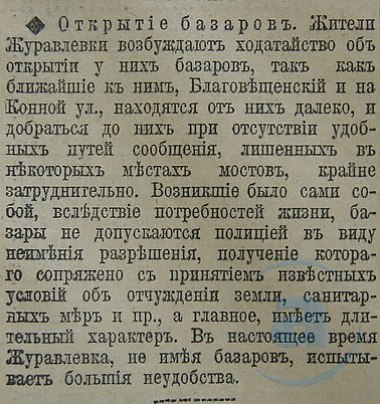 **Ouverture des marchés**
 Les rangées disparues