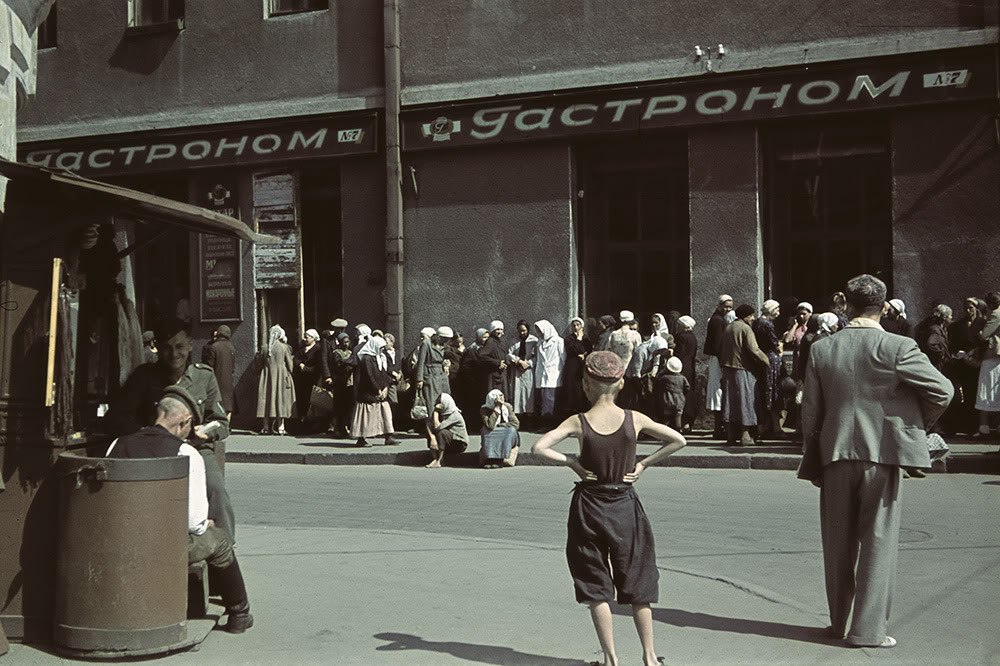
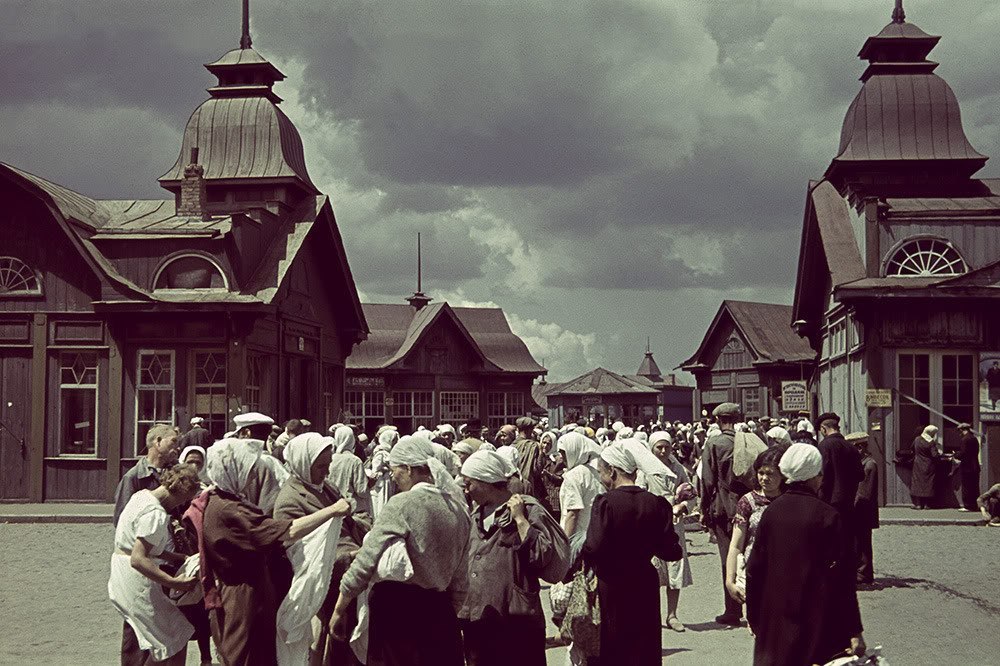
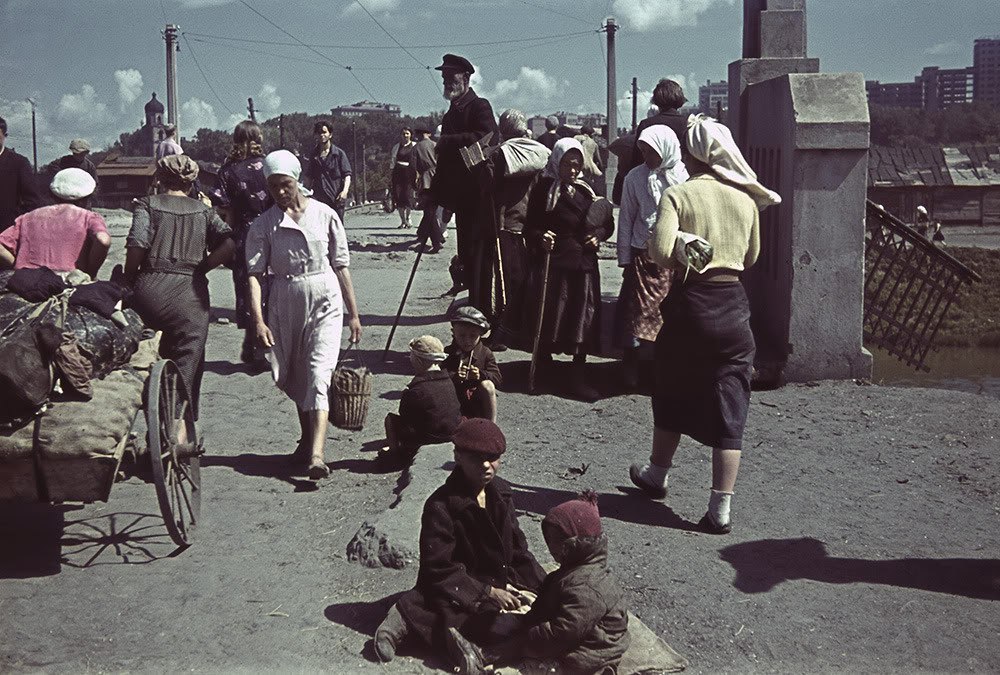
Kharkov pendant l’occupation.8 photos
**Kharkov during the Occupation**
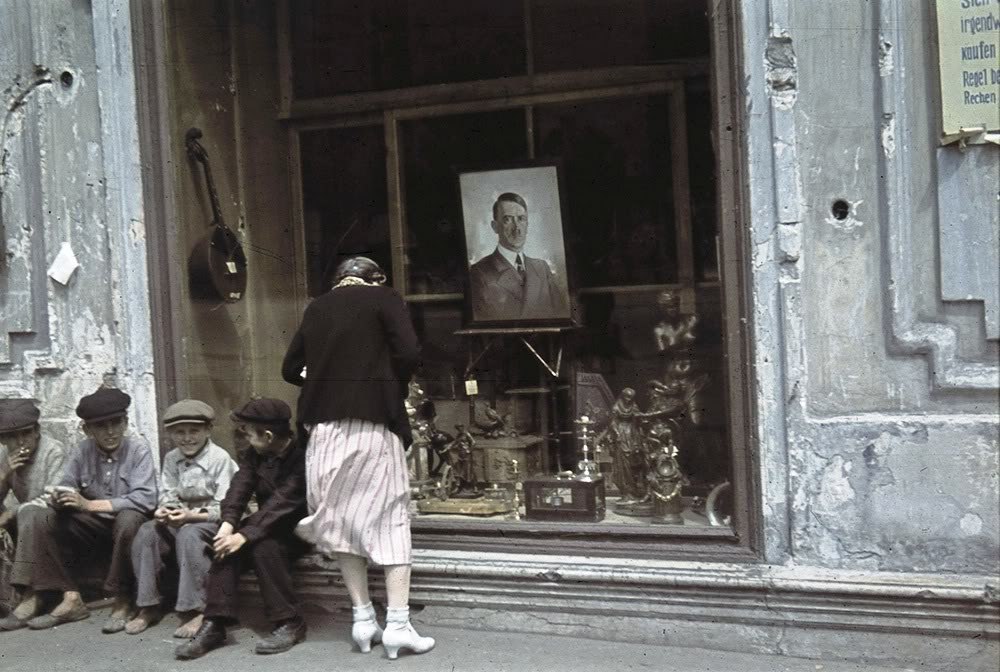
“On October 24, 1941, the Germans entered Kharkov... The residents cautiously made their way down to Klotchkovskaya Street to take a closer look at them: what kind of people were they? The Germans moved in silently, without any signs of joy or celebration. There was nothing cold, aggressive, or hostile in their behavior—only indifference.”
“We observed their grayish-blue uniforms, their faces, and their rank insignia. Some of them wore iron crosses around their necks...”
“After the bombing, my father and I went out into the city... ‘Mark, don’t take Lusya with you. There might be dead people there. Why should a child see such things?’ ‘But a child, Lelia, needs to understand and see everything—both the good and the bad. With her own eyes.’ Life is life, my child...”
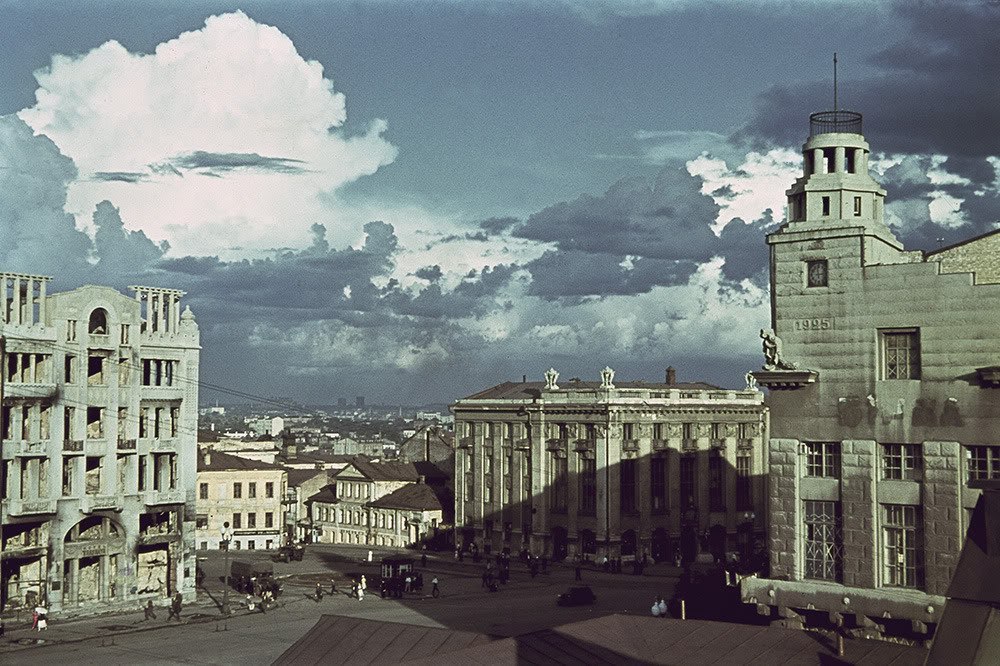
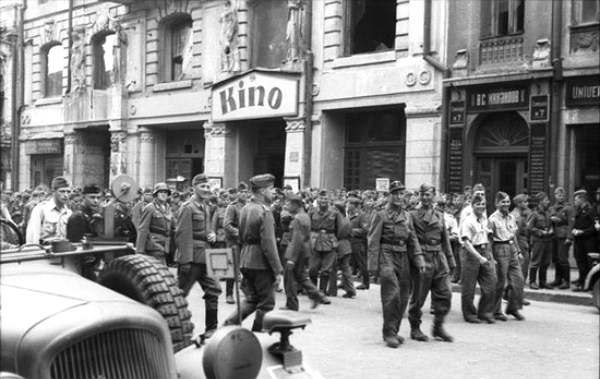
**Kharkov, 1941–1943**: Tevlev Square (now Constitution Square), Sumskaya Street. The first building on the right is the Kharkov Puppet Theatre; next is the Kharkov Automobile Transport Technical Institute, and beyond that is house number 2 on Sumskaya Street. Bundesarchiv
“...On Sumskaya Street (house number 5), the Germans converted a cinema into a theater. In the Shevchenko Theater, operettas were performed... Several Germans came to watch a Russian girl sing in their language—even if not perfectly. I brought home a full pot of delicious, thick soybean soup! Tomorrow I’ll bring a bigger pot! The three of us ate that soup together. I knew now that I would never leave my mother hungry...”
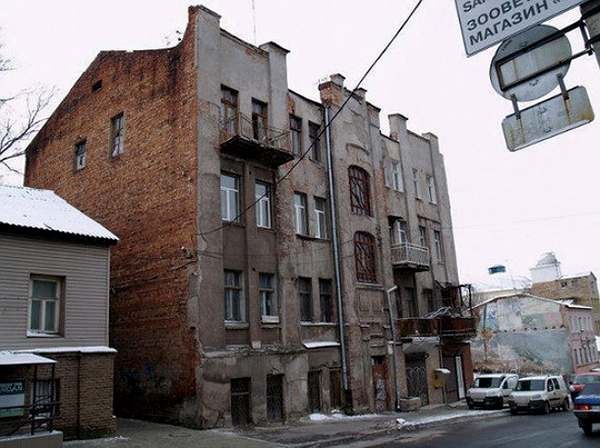
**Kharkov, Kравцов Street 7**: During the war, Lusya Gurchenko lived here with her mother. (Modern photo.) By the mid-20th century, Kравцов Street was called Mordvinovskaya Street... “...One day, all the residents of our building who remained in the city during the occupation were gathered and ordered to clear out the house. ‘This place will be occupied by German troops…’ We were distributed into different apartments. My mother and I ended up in a four-story building, on the fourth floor. This building was located in the same Mordvinovskaya Street, but closer to Rymarskaya Street. From our windows, we could see Klotchkovskaya Street below and Rymarskaya Street above...”
“...On February 15, 1943, the Red Army finally liberated Kharkov. When the joyful cries of ‘Our army!’ could be heard everywhere, my mother carefully led me down the stairs from the fourth floor... I hadn’t been outside since the whole winter. So many people were crying and hugging each other… We went down to Klotchkovskaya Street. The troops were entering the city... They looked exhausted and tired. There were few cars; cannons were pulled by horses... Nothing that resembled pre-war life…”
**February 1943, Kharkov under the “Second Germans”**: “...But our forces retreated. The ‘Second Germans’ arrived... Once again, the same scene unfolded on Klotchkovskaya Street: the Germans entered from the center of the city, from Tevlev Square. ‘Lelia! Lelia, come quickly! These are completely different troops… and their uniforms too!’ The ‘Second Germans’ marched in closely packed rows, from one sidewalk to the other. They fired their automatic weapons at the slightest sound, at any movement, at windows, doors, or anything that moved... These were elite SS troops. Their sharp, barking voices, their black uniforms, and especially their rhythmic ‘Heil!’ were nothing like those of the ‘First Germans’…”
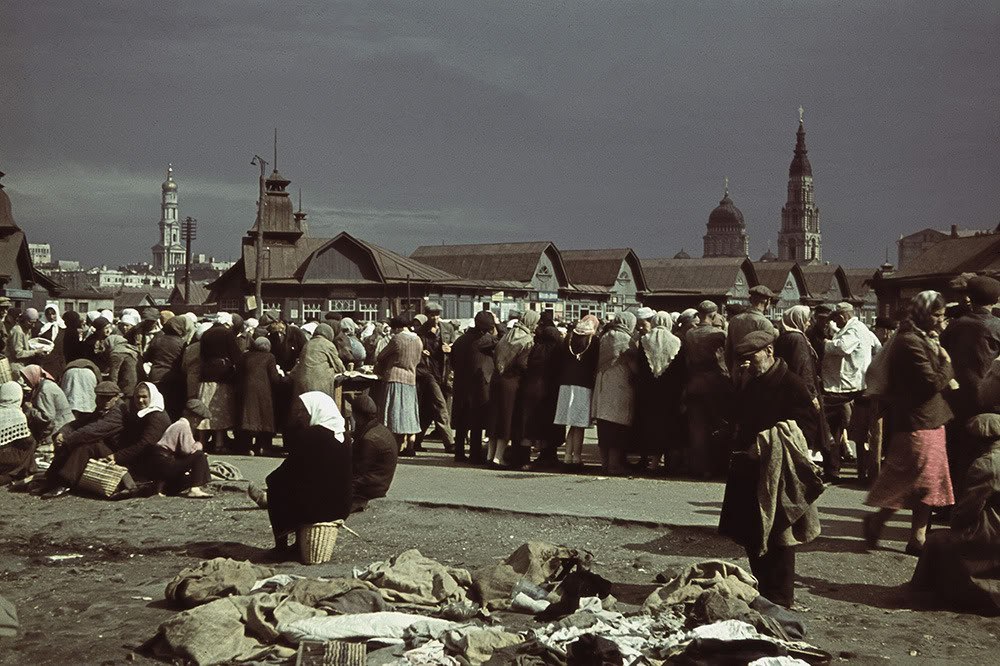
“...In the morning, however, life began to resume. People seemed to try to make up for for lost time. Everyone rushed out of their homes and headed for the markets! There was food, clothing, money, hope—everything necessary for life!”
“...The term ‘garbilovka’ became widely used in the city. What did it mean? If a bomb struck a food storage facility, people would rush there with bags and baskets, pushing and shoving to get as much as they could. Many never returned. The Germans executed those who were caught slow or failed to hide in time... People grabbed whatever came their way, without even checking what it was…”
“...My mother’s concise accounts of the occupation period are deeply engraved in my memory. They have become almost like my own memories. Now, when I tell these stories, I often find myself reproducing her exact intonation: ‘Oh, you know… In the winter of 1942, the worst part was actually the mornings. At night you could sleep... But in the morning, you had to start facing reality again… How were you supposed to survive? What did you have to eat? Where were you going to find fuel for heating? And where could you get water?’…”
“...The ‘Second Germans’ imposed a curfew. After 6 p.m., it was forbidden to be out on the streets—otherwise, you would be executed on the spot. During the occupation, so many orders and threats had been issued that people’s vigilance had diminished. But when, after the curfew was announced, people were actually killed on the streets the next morning, it became clear that the ‘Second Germans’ meant what they said. And after 6 p.m., the city fell dead silent... Only the occasional shot could be heard…”
Published in the publication *“Historical Truth”*#1solica_history
“On October 24, 1941, the Germans entered Kharkov... The residents cautiously made their way down to Klotchkovskaya Street to take a closer look at them: what kind of people were they? The Germans moved in silently, without any signs of joy or celebration. There was nothing cold, aggressive, or hostile in their behavior—only indifference.”
“We observed their grayish-blue uniforms, their faces, and their rank insignia. Some of them wore iron crosses around their necks...”
“After the bombing, my father and I went out into the city... ‘Mark, don’t take Lusya with you. There might be dead people there. Why should a child see such things?’ ‘But a child, Lelia, needs to understand and see everything—both the good and the bad. With her own eyes.’ Life is life, my child...”
**Kharkov, 1941–1943**: Tevlev Square (now Constitution Square), Sumskaya Street. The first building on the right is the Kharkov Puppet Theatre; next is the Kharkov Automobile Transport Technical Institute, and beyond that is house number 2 on Sumskaya Street. Bundesarchiv
“...On Sumskaya Street (house number 5), the Germans converted a cinema into a theater. In the Shevchenko Theater, operettas were performed... Several Germans came to watch a Russian girl sing in their language—even if not perfectly. I brought home a full pot of delicious, thick soybean soup! Tomorrow I’ll bring a bigger pot! The three of us ate that soup together. I knew now that I would never leave my mother hungry...”
**Kharkov, Kравцов Street 7**: During the war, Lusya Gurchenko lived here with her mother. (Modern photo.) By the mid-20th century, Kравцов Street was called Mordvinovskaya Street... “...One day, all the residents of our building who remained in the city during the occupation were gathered and ordered to clear out the house. ‘This place will be occupied by German troops…’ We were distributed into different apartments. My mother and I ended up in a four-story building, on the fourth floor. This building was located in the same Mordvinovskaya Street, but closer to Rymarskaya Street. From our windows, we could see Klotchkovskaya Street below and Rymarskaya Street above...”
“...On February 15, 1943, the Red Army finally liberated Kharkov. When the joyful cries of ‘Our army!’ could be heard everywhere, my mother carefully led me down the stairs from the fourth floor... I hadn’t been outside since the whole winter. So many people were crying and hugging each other… We went down to Klotchkovskaya Street. The troops were entering the city... They looked exhausted and tired. There were few cars; cannons were pulled by horses... Nothing that resembled pre-war life…”
**February 1943, Kharkov under the “Second Germans”**: “...But our forces retreated. The ‘Second Germans’ arrived... Once again, the same scene unfolded on Klotchkovskaya Street: the Germans entered from the center of the city, from Tevlev Square. ‘Lelia! Lelia, come quickly! These are completely different troops… and their uniforms too!’ The ‘Second Germans’ marched in closely packed rows, from one sidewalk to the other. They fired their automatic weapons at the slightest sound, at any movement, at windows, doors, or anything that moved... These were elite SS troops. Their sharp, barking voices, their black uniforms, and especially their rhythmic ‘Heil!’ were nothing like those of the ‘First Germans’…”
“...In the morning, however, life began to resume. People seemed to try to make up for for lost time. Everyone rushed out of their homes and headed for the markets! There was food, clothing, money, hope—everything necessary for life!”
“...The term ‘garbilovka’ became widely used in the city. What did it mean? If a bomb struck a food storage facility, people would rush there with bags and baskets, pushing and shoving to get as much as they could. Many never returned. The Germans executed those who were caught slow or failed to hide in time... People grabbed whatever came their way, without even checking what it was…”
“...My mother’s concise accounts of the occupation period are deeply engraved in my memory. They have become almost like my own memories. Now, when I tell these stories, I often find myself reproducing her exact intonation: ‘Oh, you know… In the winter of 1942, the worst part was actually the mornings. At night you could sleep... But in the morning, you had to start facing reality again… How were you supposed to survive? What did you have to eat? Where were you going to find fuel for heating? And where could you get water?’…”
“...The ‘Second Germans’ imposed a curfew. After 6 p.m., it was forbidden to be out on the streets—otherwise, you would be executed on the spot. During the occupation, so many orders and threats had been issued that people’s vigilance had diminished. But when, after the curfew was announced, people were actually killed on the streets the next morning, it became clear that the ‘Second Germans’ meant what they said. And after 6 p.m., the city fell dead silent... Only the occasional shot could be heard…”
Published in the publication *“Historical Truth”*#1solica_history
Trouvez les meilleurs professionnels pour votre projet
Des spécialistes en réparation, construction et rénovation prêts à vous aider
Galeries recommandées
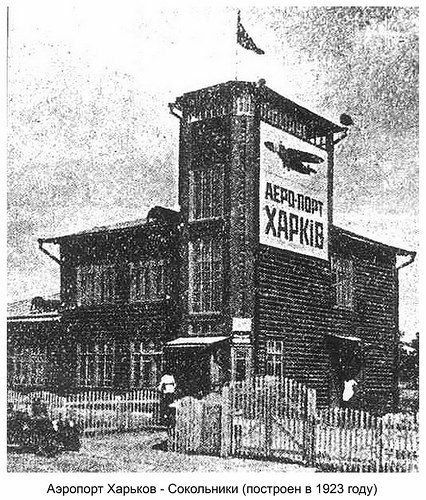
Жизн sans aviation, c’est comme une vie sans musique. Une vie sans aviation, c’t une vie sans couleur. Une vie sans aviation, c’est une vie sans passion. Une vie sans aviation… c’est simplement une vie sans rien. La vie d’un avion est liée à la vie de l’Kharkov Region. La destin du cet aircraft est inscrié dans the history of the Kharkiv region. L’histoire de l’aviation dans cette région est étroitly linked to the development of its economy and society. L’aviation a played a crucial role in the development of Kharkov Region. L’aviation a been a key factor in the progress of this territory. Without aviation, there would be no Kharkiv Region as we know it today. Il est indispensable to emphasize that the role of aviation in the life of the Kharkiv Region is undoubtedly essential and fundamental. --- ### Note: The translated text maintains the same logical structure as the original Russian text. The paragraphs are organized in a similar way, and the order of sentences within each paragraph remains unchanged. The use of technical terms related to aviation is retained, and their translations are appropriate for the French language. If you have any questions or need further assistance, please do not hesitate to contact me.
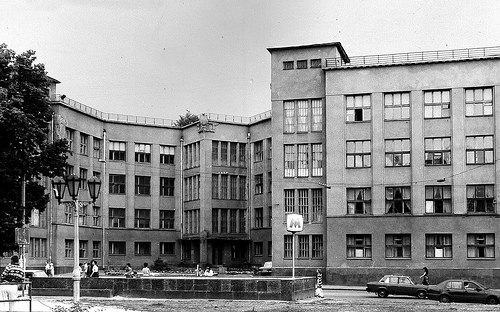
82, rue Pouchkine. Institut de recherche en radiologie médicale. (1930).<br>Style : Art déco constructiviste.
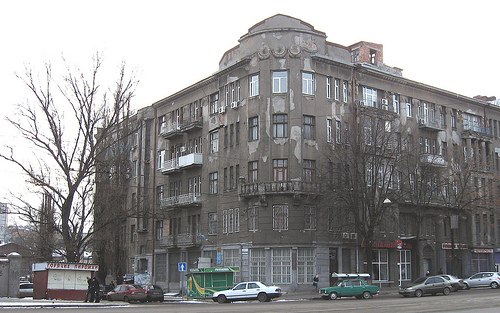
Rue Poltavskiy Shlyakh, 47/49.<br>Ancien immeuble de logements à revences et clinique privée (1918).
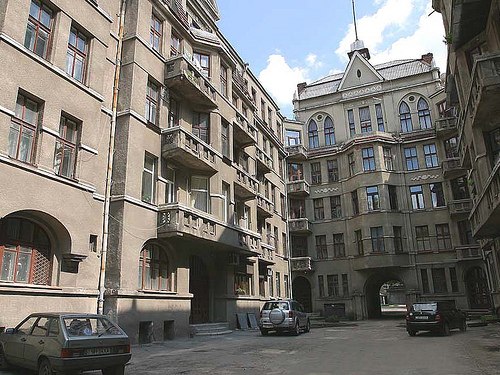
6, rue Artiom. Immeuble résidentiel «Krasny Banovets» (1928). <br>Conception réalisée en collaboration avec l’architecte Androusenko. <br>Style : art déco décoratif.
Articles recommandés



Plus de galeries
- Жизн sans aviation, c’est comme une vie sans musique. Une vie sans aviation, c’t une vie sans couleur. Une vie sans aviation, c’est une vie sans passion. Une vie sans aviation… c’est simplement une vie sans rien. La vie d’un avion est liée à la vie de l’Kharkov Region. La destin du cet aircraft est inscrié dans the history of the Kharkiv region. L’histoire de l’aviation dans cette région est étroitly linked to the development of its economy and society. L’aviation a played a crucial role in the development of Kharkov Region. L’aviation a been a key factor in the progress of this territory. Without aviation, there would be no Kharkiv Region as we know it today. Il est indispensable to emphasize that the role of aviation in the life of the Kharkiv Region is undoubtedly essential and fundamental. --- ### Note: The translated text maintains the same logical structure as the original Russian text. The paragraphs are organized in a similar way, and the order of sentences within each paragraph remains unchanged. The use of technical terms related to aviation is retained, and their translations are appropriate for the French language. If you have any questions or need further assistance, please do not hesitate to contact me.
- 82, rue Pouchkine. Institut de recherche en radiologie médicale. (1930).<br>Style : Art déco constructiviste.
- Rue Poltavskiy Shlyakh, 47/49.<br>Ancien immeuble de logements à revences et clinique privée (1918).
- 6, rue Artiom. Immeuble résidentiel «Krasny Banovets» (1928). <br>Conception réalisée en collaboration avec l’architecte Androusenko. <br>Style : art déco décoratif.
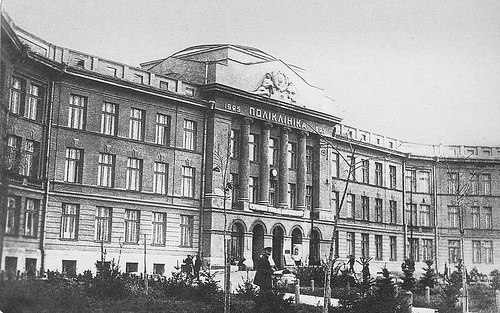 Moskovski pr., 197
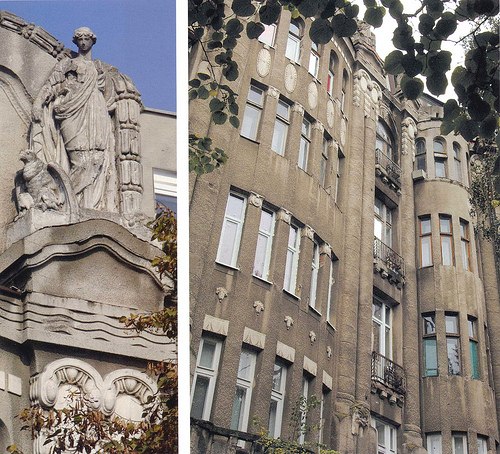 Rue Poltavski shliakh, 22a. Ancien immeuble de logements des frères Kats (1914).
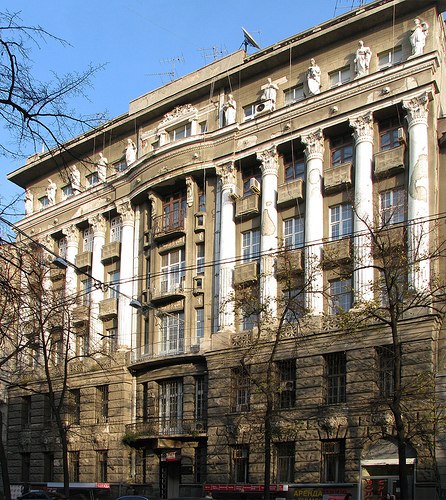 82, rue Sumskaya. L’ancien immeuble de logements locatables de Moshkevitch (1914). <br>(Style : néo-Renaissance.)
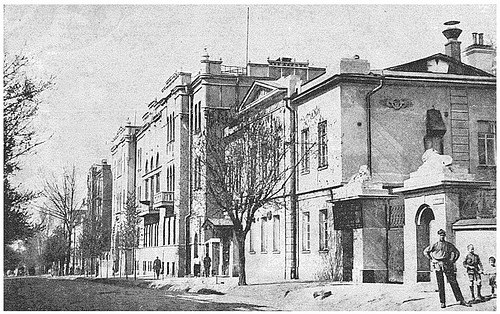 Dans le domaine de l’éducation
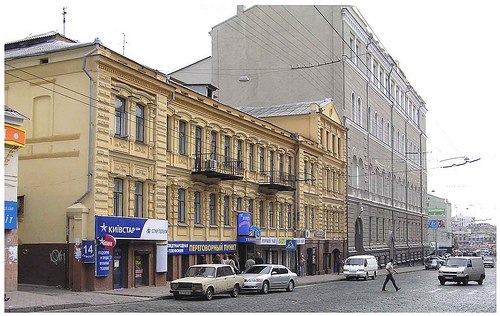 **L'histoire d'une maison au 14, rue Sumskaya**
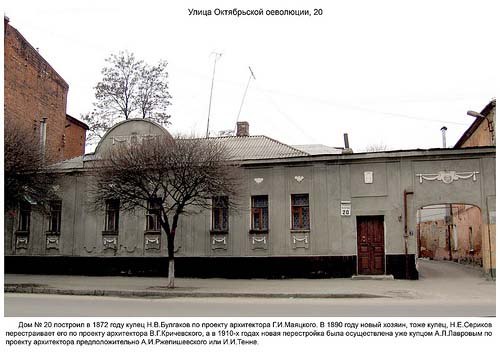 Rue de la Révolution d’Octobre, n° 20
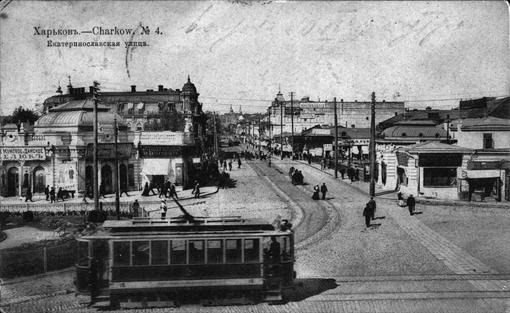 Конторская – un parc naturel protégé du vieux Kharkiv<br>(Comment Zalopan’ est passée de une zone rurale <br>à un prestigieux quartier résidentiel.)
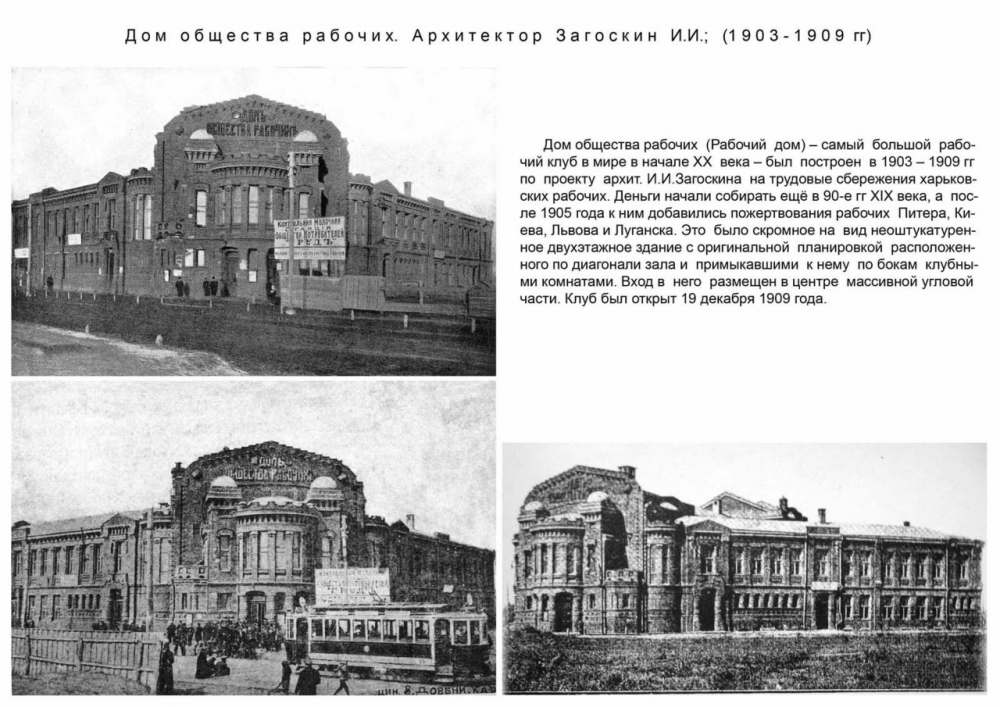 «La Maison de la Société Ouvrière»