Hamburg is not just a port city. Here, medieval warehouse buildings stand side by side with cutting-edge concert halls, and cargo docks have been transformed into pedestrian promenades. We tell you why tourists come here not for Christmas markets, but for its architectural marvels and maritime history.
Hamburg is often overshadowed by Berlin, but that is a grave mistake. As Germany’s second-largest city, it embodies three things that are utterly unique: one of Europe’s largest ports, the Speicherstadt museum district from the 1880s, and the ultramodern Elbphilharmonie concert hall, which completely transformed the city’s skyline in 2016. And all these elements function not as mere tourist attractions but as an integral part of the city’s very fabric.
The secret lies in Hamburg’s willingness to embrace contradictions. Instead of turning its port into a static historical relic, like Amsterdam or Venice have done, it kept it vibrant and active. Over the past 20 years, cargo throughput has increased by 40%, yet the waterfront remains accessible to pedestrians, and industry coexists peacefully with cafes and galleries.
Elbphilharmonie: A Building That Cost 900 Million Euros and 12 Years of Construction
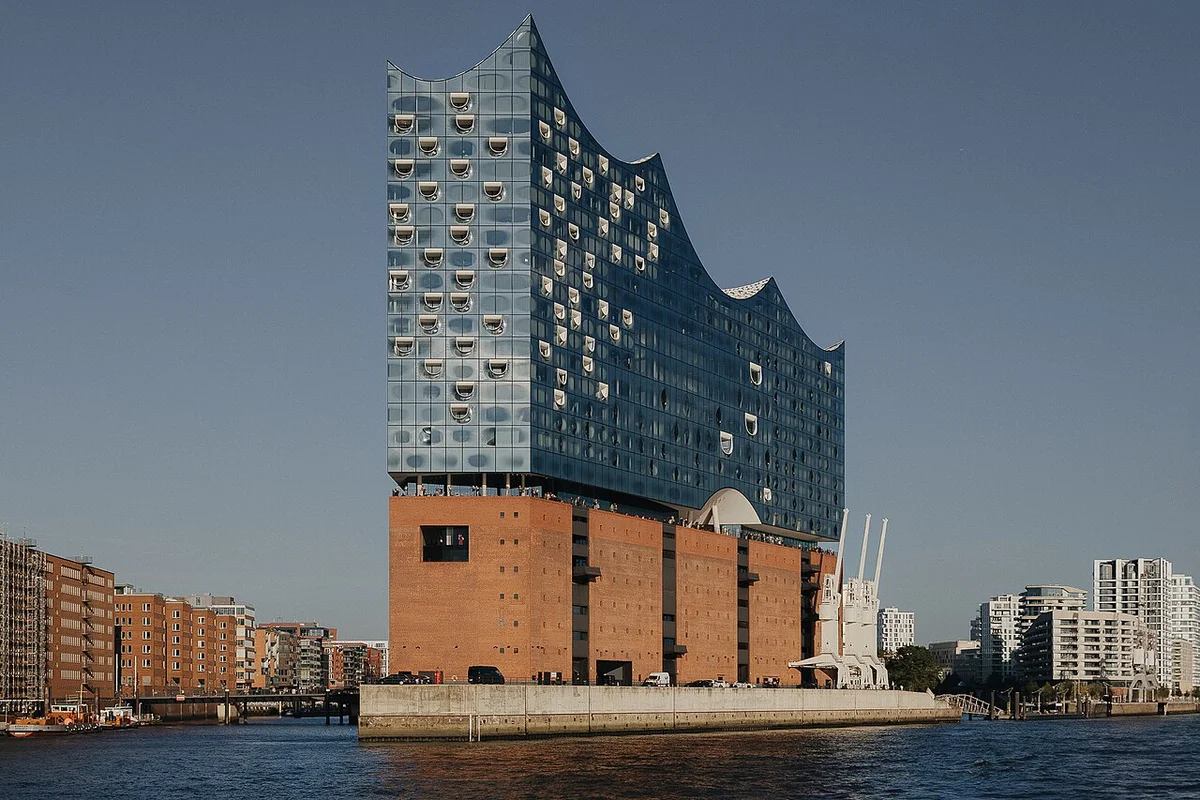
Elbphilharmonie: A concert hall that reshaped the face of modern Hamburg
Let’s start with its symbol. The Elbphilharmonie is far more than just a concert hall. It is a building that has completely changed the way the world sees Hamburg—though the path to its completion was anything but smooth.
The project, designed by Dutch architect Herzog de Meuron, began in 2007 with a budget of 77 million euros. By 2016, the cost had risen to 926 million euros. Along the way, workers discovered toxic substances in the soil, there were conflicts with neighbors, floods, and numerous contractual disputes. German media even dubbed it the “architectural equivalent of Berlin’s airport.”
The effort was well worth it: the 10-story building stands on the site of an old coffee warehouse from 1875, like a soaring wave parked atop brick foundations. On the roof, there’s a park covering 8,500 square meters with views of the Elbe River and the entire port. Inside, there are two concert halls—an main hall seating 2,150 people and a smaller one with 550 seats—the acoustics of which won an award from “Gramophone” magazine as the best in Europe.
How to get there: A guided tour of the concert halls can be booked separately from a concert ticket for 16 EUR per person; tours last 1 hour and are available Monday through Sunday from 10:00 AM to 5:30 PM. Concert tickets range in price from 25 EUR to 150 EUR. Transportation options include the U3/U4 subway lines to Baumwall (5 minutes’ walk) or the HVV ferry from St. Pauli pier.
Speicherstadt – 17 square kilometers of canals and 19th-century museums
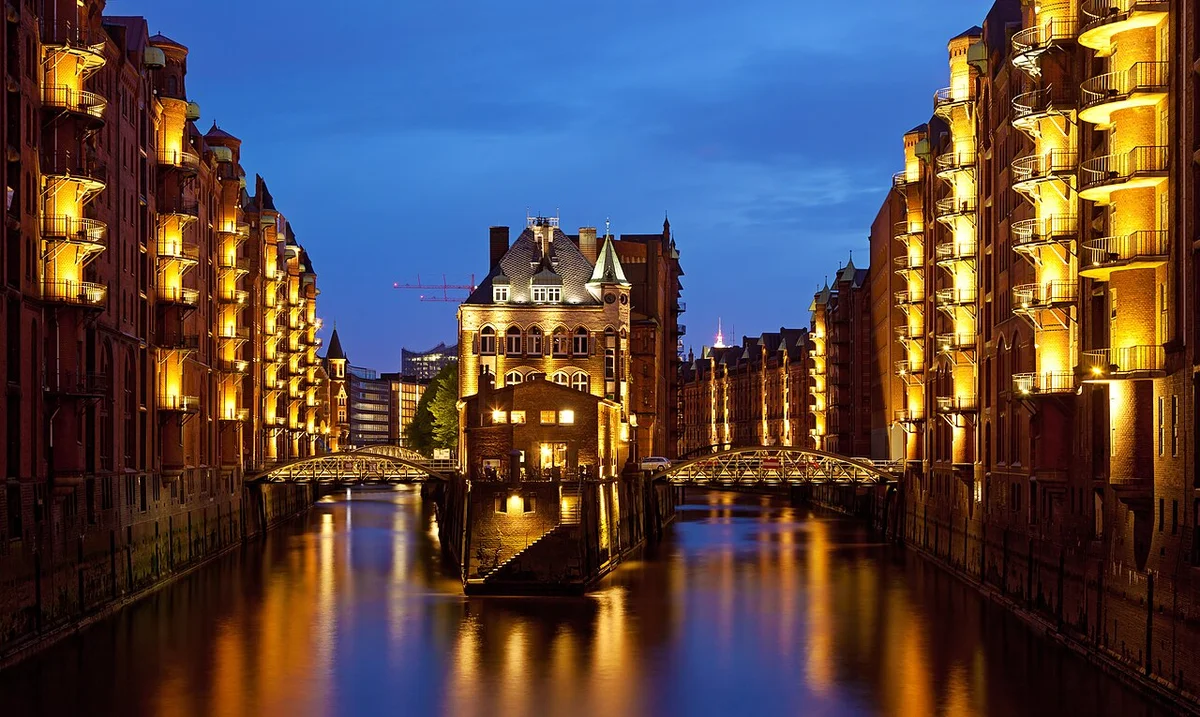
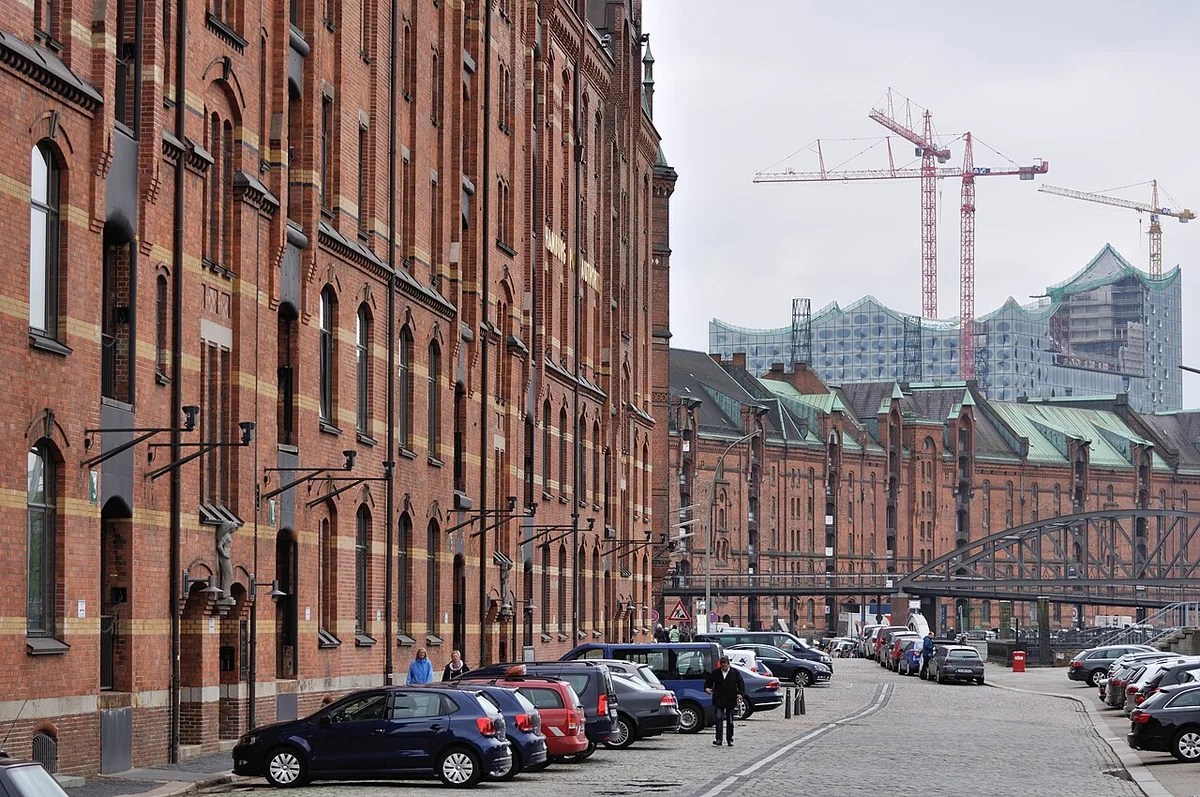
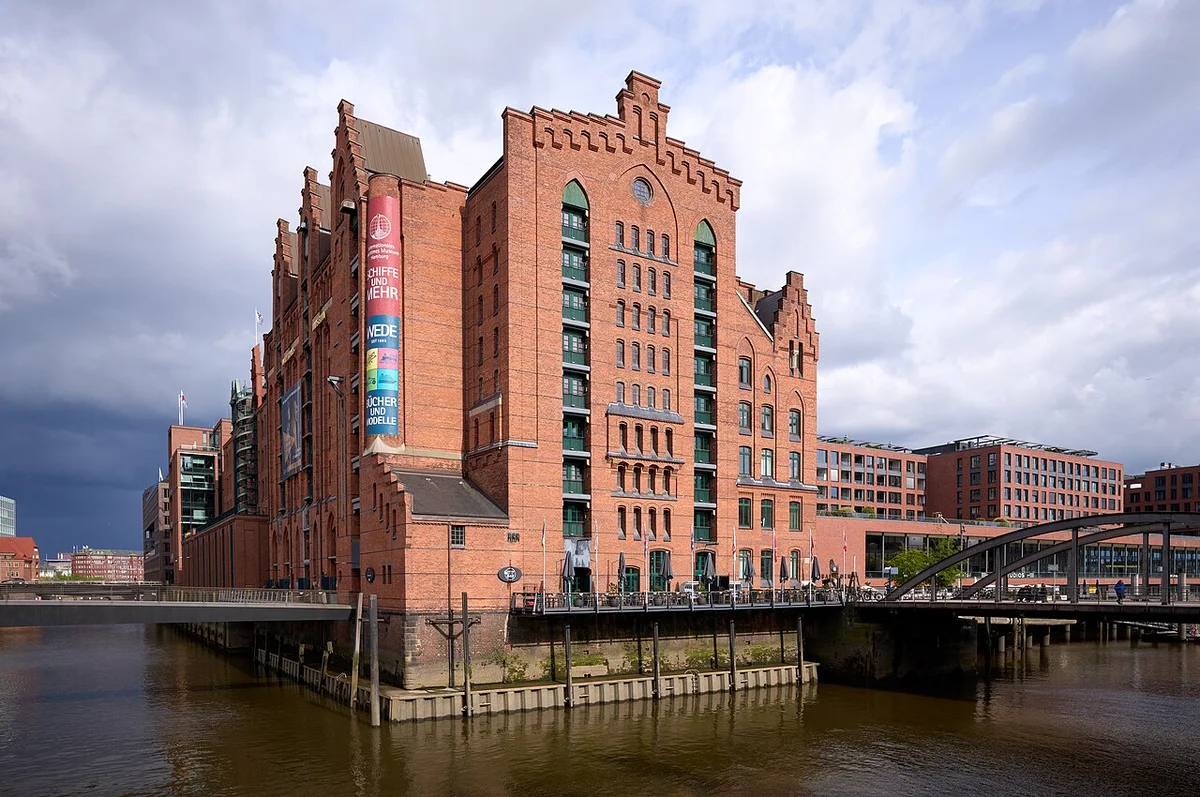
Speicherstadt – a district where real history is embodied in its architecture
If the Elbe Philharmonie represents the future, then Speicherstadt – literally meaning “warehouse city” – is a preserved piece of the past, yet not frozen in time.
In 1885, Hamburg decided to modernize its port area. 24,500 houses were demolished, 20,600 residents were relocated, and a network of canals along with brick warehouses was constructed. This meant an unprecedented displacement of people, comparable to what occurs in the construction of most modern cities on newly reclaimed land. It’s no wonder this area is now listed on UNESCO’s World Heritage List.
What to see here:
Spicy’s Spice Museum – A three-story museum dedicated to spices such as pepper, ginger, and cinnamon. Hamburg has been a hub of European spice trade since the 16th century. The museum offers interactive exhibits, and visitors can taste samples of various spices. Admission fee is 6.50 EUR; hours are Monday through Sunday from 10:00 AM to 6:00 PM, closed on Sundays.
Hamburg Dungeon is a museum that recreates the atmosphere of medieval torture and epidemics, presented in the form of a theatrical performance with actors. It is not suitable for children under 10 years old. The admission fee is 14.99 EUR, and it is open daily from 10:00 am to 6:00 pm. Real medieval instruments are used, and scenes from Hamburg's history are reenacted.
Miniatur Wunderland, also known as Model Railway World, is the largest model railway in the world, with a scale of 1:87. It covers an area of 15 kilometers and features 100,000 figurines representing residents of various German regions, as well as representatives from Scandinavia, Italy, Austria, and the United States. The entrance fee is 16 EUR for adults, and 12 EUR for children aged 4 to 15 years. It is open daily from 8:00 am to 6:00 pm, with the last entry at 5:00 pm.
The main attraction of Speicherstadt is a leisure walk along the Nikolaifleet and Wandrahmsfleet canals. This activity takes about 2 to 3 hours, including stops for coffee breaks. The area is also home to the famous coffee district, as in the 19th century, half of Europe's imported coffee passed through these warehouses.
To truly appreciate the scale of Hamburg Port, it is essential to view it from the water Hamburg Port handles 303 million tons of cargo annually, making it the second-largest port in Europe by volume.
The Hamburg Port is far more than just a waterfront promenade. It covers an area of 7,393 hectares and accommodates ships from every continent. In terms of container handling, it is the second largest port in Europe after Rotterdam, and the third largest in the world.
In 2023, the port handled 303 million tons of cargo and 8.7 million TEU containers. Over 30,000 people work here daily, making it a vibrant industrial complex that is far from a museum.
How tourists can see it: Take the tour boat from St. Pauli Landungsbrücken. The company Barkassen Meyer offers 1-hour cruises along the port canal. The price is 18 EUR for adults and 9 EUR for children aged 4–14. Departures: in summer (April–October) every 30 minutes from 9:00 AM to 6:00 PM; less frequent in winter. During this cruise, you will see:
The Holländerbil dock container (400 m long x 50 m wide) – one of the largest in Europe
The Blohm+Voss shipyard, where luxury yachts and military vessels are built. This yard was almost completely destroyed in 1945 but has since been rebuilt from scratch
65-meter-tall container cranes capable of lifting 65 tons at once
Fishing boats and ferries in operation
For a more intensive experience, choose the Hamburger Hafen Schifffahrt tour – same price, but the cruise goes further out to sea and may last up to 2 hours.
What else deserves your attention (besides the regular tour routes)?
Fischmarkt – a local market that opens at 5:00 AM, where real Hamburgers do their shopping
Most tourists know about the Speicherstadt and Elbphilharmonie, but here’s something they often miss:
Fischmarkt (Fish Market) – opens only on Sundays from 5:00 AM to 9:30 AM. Yes, it’s early, but you’ll see locals going about their daily business, not tourists. Fish, vegetables, flowers, clothes, souvenirs – everything in a lively and chaotic atmosphere. This is part of Hamburg’s culture, not a staged show. Prices are reasonable, and coffee is cheaper than in the city center.
Altstadt and Nikolaikirche — these are not cathedrals, but rather this Gothic church (built in 1195, destroyed in 1943, restored in 1953). Today it serves as an architecture museum, a reminder of the bombings during World War II. The entrance to the observation deck (76 meters high) costs 3 EUR; opening hours are daily from 10:00 to 18:00.
Kunsthalle Hamburg — one of the most important art museums in Europe. Its collection spans from medieval art to contemporary works. The admission fee is 14 EUR for adults, 7 EUR for students, and free for children under 18. Hours are Tuesday from 10:00 to 21:00, Wednesday to Sunday from 10:00 to 18:00, and closed on Mondays. The museum houses works by Botticelli, Rubens, Rembrandt, and a dedicated section focuses on German Expressionism.
Planten un Blomen — a 46-hectare urban park with greenhouses, gardens, and a lake. It’s not the lavish Versailles-style park you might expect, but rather a typical German one—functional, well-maintained, with benches at every turn. Admission is free. In the summer months, there are light and sound shows on the water (starting at 21:30, free of charge; you can sit wherever you want).
For those who seek more than just the usual tourist routes…
The standard itinerary is: Speicherstadt → Elbphilharmonie → ferry ride along the port → beaches in Blankenese. But how about trying something different?
Day 1: Nollenstraße and artists’ apartments — Start in the St. Pauli district, where you can see not only the red lights but also graffiti galleries. Then head north to the Schanzenviertel, where you’ll find residential buildings surrounded by hipster shops and locally roasted coffee shops. For example, Playground Coffee — a Brit who moved to Hamburg and roasts coffee himself, teaching locals about espresso art (located at Nollenstraße 57).
Day 2: Hamburg Canal Elbe Rix and the northern islands – Take the ferry (HVH line 62) from the city to the village of Finkenwerder. This is an island in the Elbe River, home to 1,000 people. There’s a shipyard there (closed to tourists, but visible from a distance) and small wooden houses. There are no restaurants or hotels on the island; only local pubs. The entrance to the island is free, while the ferry ticket costs 3 EUR.
Day 3: Kunstmeile (The Art Mile) – In addition to the Kunsthalle, there’s also the KINDERKUNDE (a museum for children, but interesting even for adults), and the Museum für Kommunikation (a museum about postal history and communications, with exhibits on the history of telephones and SMS). All these attractions are located within 500 meters of each other in the University Hamburg area. The total cost is 16 EUR.
Things to know before your trip
In 1943, during the Operation Gomorrha, British air forces dropped 2,600 tons of bombs in just three days, killing 37,000 people and leaving 900,000 homeless. It took until 1960 for the city to recover. The sites of these memorials and museums are not just historical landmarks; they represent the spirit of modern Hamburg, which has chosen reconciliation.
The construction of the Elbphilharmonie took 6 years longer than originally planned and cost 926 million euros—more than the Sydney Opera House does today, when adjusted for inflation. Yet it is now Germany’s most popular cultural venue after the Cologne Cathedral, attracting over 1 million visitors each year.
Hamburg’s port ranks third in the world in container handling, with 8.7 million containers handled annually, behind only Shanghai and Singapore. It also exports the most luxury goods from Germany, such as yachts, expensive cars, and machinery.
Speicherstadt is the only fully preserved medieval port district in the world. It was built using red bricks and features canals instead of streets. In the 19th century, up to 40% of all European coffee was stored here at any given time.
Hamburg is a city with over 2,500 cafes and more than 100 museums, but its greatest asset is that it has never become stuck in the past. Once the main port of Europe and a hub for spice trade, it today invests in green energy, art, and innovation, while still remaining Germany’s primary port.
Travel Budget and Logistics
Best Time to Go** — April–May or September–October. In summer (June–August), there are many tourists, prices are higher, and it’s hot (up to 25°C). In winter (December), there is the Christmas market at Rathausmarkt (with a Ferris wheel, glühwein, and a 25-meter-tall Christmas tree), but it’s also expensive and crowded. Spring and autumn are ideal for sightseeing and walks.
How to Get There** — By air (Lufthansa, Ryanair, Wizz Air fly from Moscow with a 4–6-hour layover), by car (from Berlin it takes 4 hours, from Amsterdam 4.5 hours). The direct train from Berlin (DB) takes about 2 hours and costs around 40 EUR per round trip.
Where to Stay** — Avoid the center; it’s expensive and boring. Better options include:
St. Pauli/Reeperbahn — a vibrant area with nightlife, cafes, and museums. 3-star hotels start at 80 EUR per night, hostels from 20 EUR per person.
Schanzenviertel — a hipster district with cafes, galleries, and wine bars. 3-star hotels cost around 70 EUR per night.
Altstadt — the tourist center, but very convenient for accessing everything. 3-star hotels start at 100 EUR per night.
Blankenese — a suburban area with beaches; quieter but more expensive. 3-star hotels cost around 60 EUR per night, but it takes half an hour by subway to the center.
Transport** — The Hamburg Card Day pass (includes U-Bahn, S-Bahn, and access to most museums) costs 15.50 EUR per person or 26 EUR for two people. Without it, a single subway ride costs 2.40 EUR. Taxis are expensive (starting at 5 EUR plus 2.5 EUR per kilometer). Bicycles are popular; rental costs around 12 EUR per day.
Attractions and museums: 85 EUR (Elbphilharmonie: 16 EUR, Miniatur Wunderland: 16 EUR, port cruise: 18 EUR, Kunsthalle: 14 EUR; other museums and exhibitions cost less).
Transport: 30 EUR (Hamburg Card for 3 days, but it’s cheaper to buy one-day cards 2-3 times).
Total: 430 EUR per person, excluding flights and entertainment expenses (alcohol, souvenirs, Reeperbahn nightclubs).
The most economical option is to stay in a hostel (20 EUR/night × 3 nights = 60 EUR), eat street food, and visit free museums on Sundays (many museums are free from 10 AM to 1 PM). This way, the budget can be reduced to around 250-280 EUR.
What to bring: Coffee from the Speicherstadt (original Hamburg blends from the 19th century, 15-25 EUR per pack), Scandinavian or Hamburg-style aquavit (starting from 20 EUR), cheese from northern Germany (e.g., Edam, 8 EUR/200g), and posters of the Elbphilharmonie architecture (starting from 10 EUR).
Kunsthalle – a world-class museum with collections ranging from Botticelli to modern art.
Find the Best Professionals for Your Project
Expert repair, construction, and renovation specialists ready to help you right now


 Serbian hospitality: a night at a kafana with rakia and live music
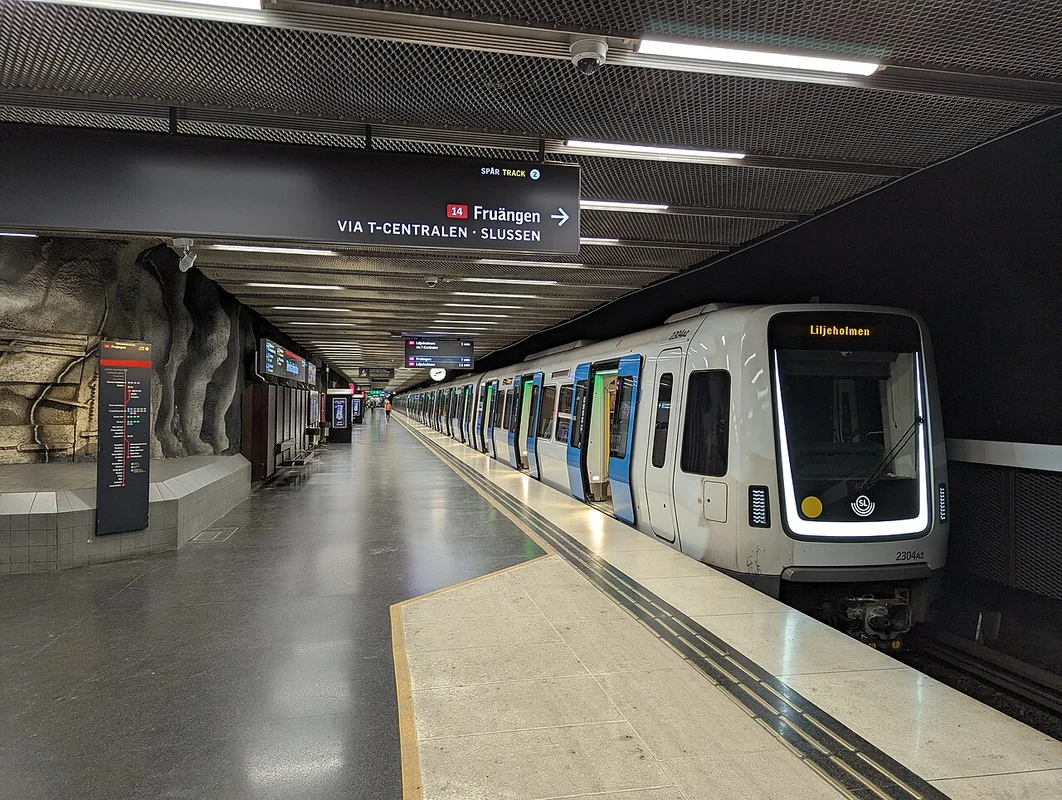 The Stockholm Metro is the longest art gallery in the world.
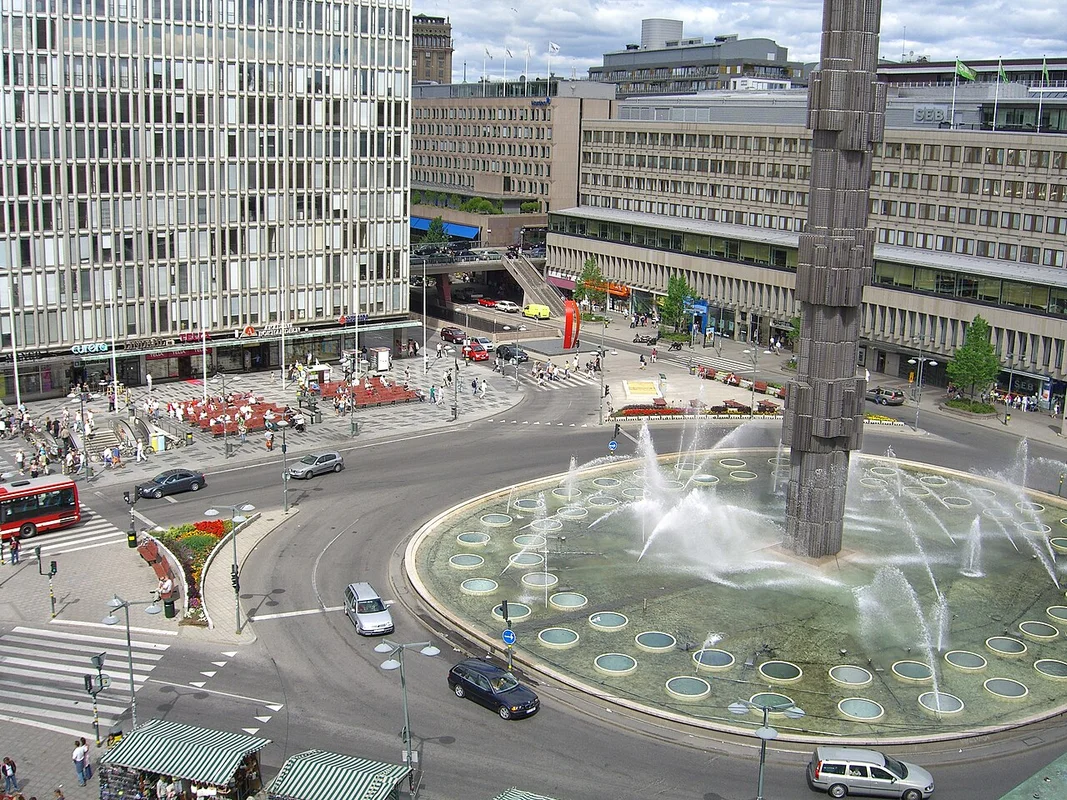 Sergeltorget and Drottninggatan: Stockholm's main shopping areas
 The Niederhorn cable car in Beatenberg: a panoramic view of Lake Thun from a height of 1963 meters.