About the most ceremonial drink of all – Sake in Japan
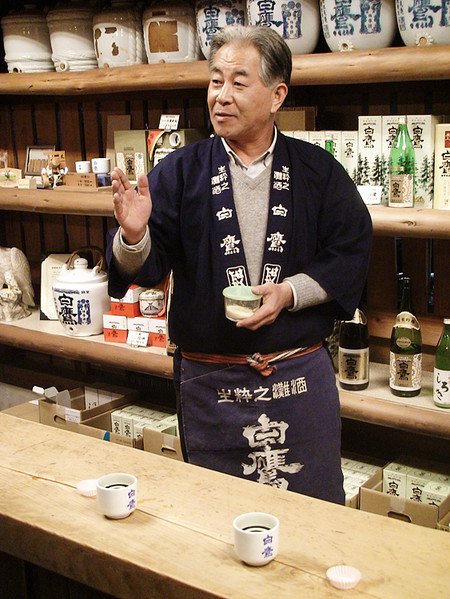
Often, a small shop is also the manufacturer of its own sake. You can sample it, learn about its traditions, and buy the drink or related accessories to take home.
Generally speaking, if I understand correctly, sake, in terms of production techniques and nature, is more similar to beer. Sake is made through a fermentation process involving a special type of fungus called koji. Similar to wine, sake also has a certain alcohol content (usually between 13 and 20 degrees). Some varieties of sake also have fruity flavors, but the exact origin of these flavors remains unknown, since fruits are not used in the production process at all. The only ingredients are rice (specific varieties) and water (high-quality water, too). Sometimes, rice alcohol is added at the end of the production process to extend the shelf life and enhance the taste and aroma of the sake. However, pure sake (without any alcohol added) is not stored for a long time, as it does not undergo aging like wine.
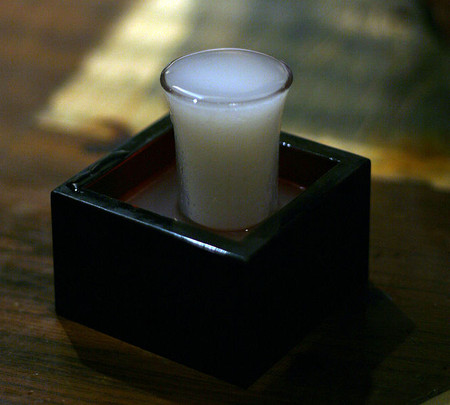
Sometimes sake is milky-white in color.
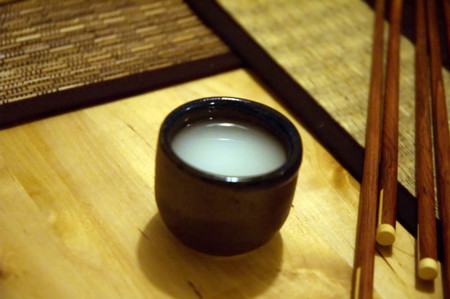
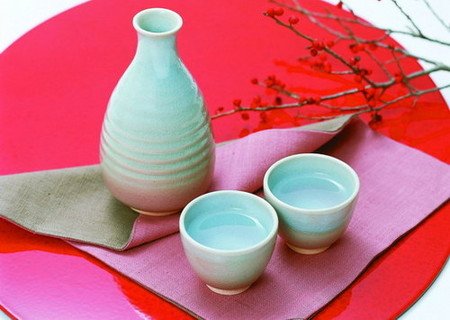
Other times it is clear — and this depends on the variety of rice used, whether alcohol is added, and many other factors.
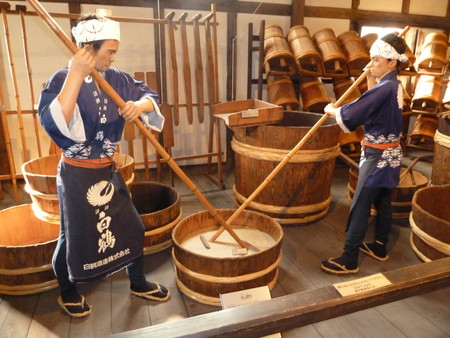
The containers for sake are also special — the barrels are made from cryptomeria wood, which is highly regarded by the Japanese.
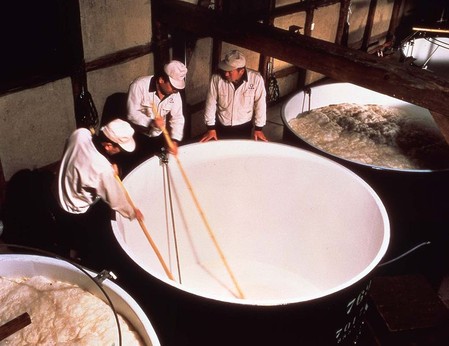
Quite a lot of sake can be produced this way.
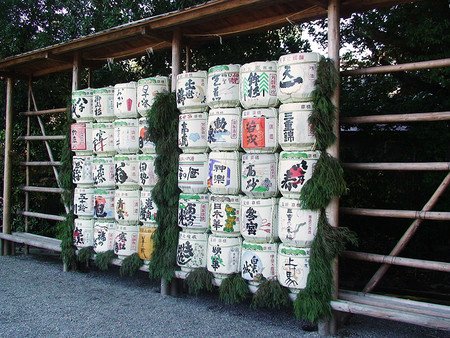
Branches of the same cryptomeria tree are hung near the barrels of sake. If the branches are green, it means the sake is still maturing; once the needles turn yellow, it’s ready to be tasted.
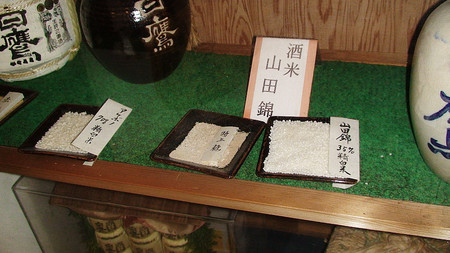
Not all types of rice are suitable for making sake. Out of the 200 existing rice varieties, Japanese people only use 28 of them for this purpose.
Now, let’s talk about the Sake Day. This is a day for corporate gatherings and family dinners. Sake is served in small cups called sakadzuki, which are filled from porcelain pots called tokkuri. It can be consumed either cold or warm, depending on the season. There are even specific temperature guidelines for serving sake, each with its own difficult-to-pronounce name…
As for side dishes, there is a wide range of options. You might be served sushi, pickled vegetables, seafood, or even hot soup with noodles. This will depend on the length of the gathering and the amount of sake planned to be consumed. In fact, eating side dishes is an essential part of drinking sake — which is why I consider this drink to be very ceremonial. An important rule is that you should not serve yourself; instead, everyone should carefully take care of their neighbors during the meal, filling their cups with sake from the tokkuri.
Another interesting aspect is that sake is poured into the sakadzuki cup or small glass (sometimes called toko or choko) in a way that creates a slight “hill” of liquid. So you have to tilt your head and drink, as if paying respect to this ancient beverage. It is said that sake has been around since 8 centuries before Christ.
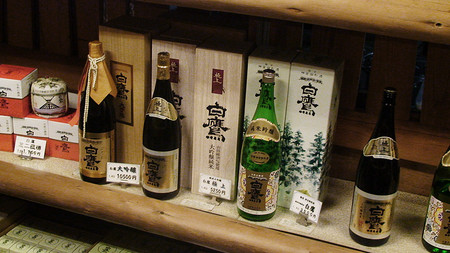
There are a vast number of varieties of sake.
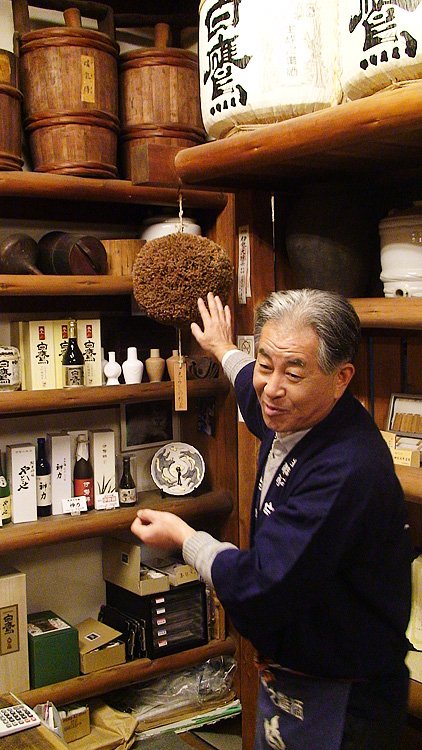
Just like the accessories used for drinking it.
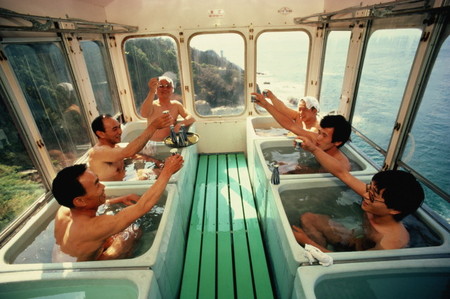
Usually, people shout “Kampai!”, which means “Drink to the bottom!”
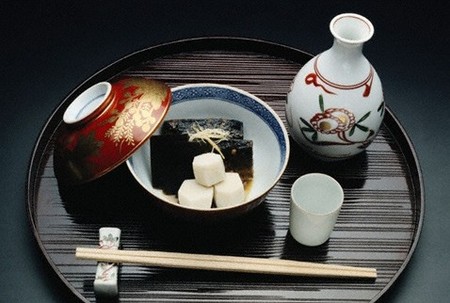
Everything is so small and cute…
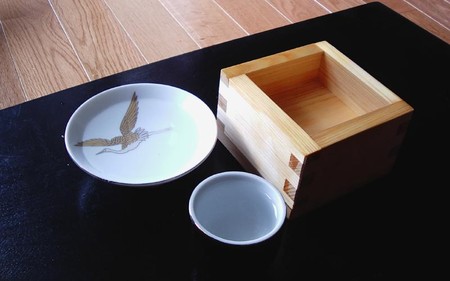
In short, I would say that before traveling to Japan for the Nihon-shu-no festival, it’s worth preparing by learning about the culture of drinking sake. And once you’re there, attend a lecture on the proper rituals associated with its consumption — different cities may have slightly different traditions, after all, times change, and so do customs. I really want to experience drinking sake in the right way…)
Find the Best Professionals for Your Project
Expert repair, construction, and renovation specialists ready to help you right now
Recommended articles
More articles:
 Poses for photoshoots: practical tips for models
 Ah!
Ah! Who will become the new host of “Pink Microphone”?
 We, the 'University Empire', are creating history together.
 The most interesting movies this coming week
 Fantastic Five: A review of the five most highly anticipated movies releasing in 2012.
 What awaits us in cinemas from February 23rd onward
 Red Bull Paper Wings 2012: Will the paper airplane make it all the way to Austria?