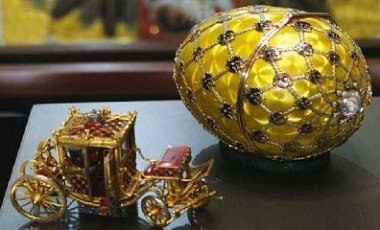
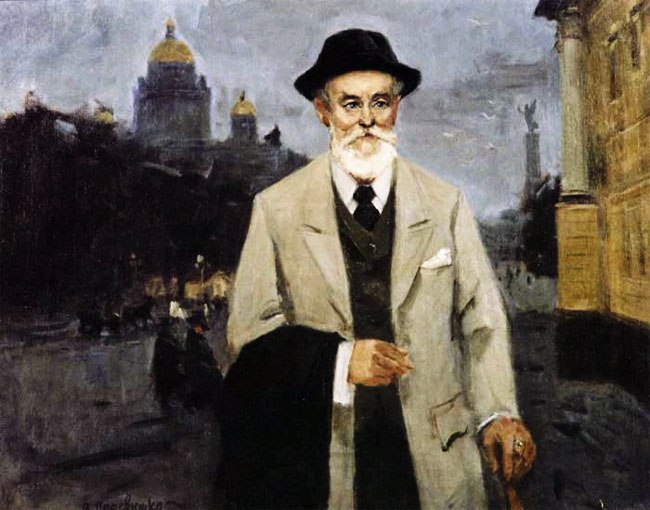
Peter Karl Fabergé was born on May 30, 1846, in Saint Petersburg. His father was a modest jeweler who owned his own business. The boy exhibited artistic talents at an early age and demonstrated a keen interest in the art of jewelry making.2 photos
Older Faberge went to great lengths to ensure that Karl received a superior education. He enrolled him in the oldest and most prestigious German gymnasium in Saint Petersburg, and later sent him to a commercial college in Paris. For several years, Karl pursued his studies in jewelry art by gaining practical experience in various European cities. In 1872, he took over his father’s jewelry workshop.
Success first came to Faberge in 1882 at the All-Russian Industrial and Art Exhibition in Russia’s capital. There, his contemporary jewelry designs, presented in the form of elegant ladies’ accessories, won him a gold medal.
Around the same time, Karl began supplying his products to the Imperial Court. Initially, his orders accounted for only a small portion of the total business; he competed with other renowned jewelers for these prestigious contracts, but over time his share increased. His name began appearing more frequently in the court records.Faberge quickly won over the favor of high-ranking court officials by providing free assessments, repairs, and restorations for jewelry items in the Hermitage Museum. His access to the museum’s collections allowed him to study in detail the technical skills of ancient masters and the stylistic features of works from different eras.
He continuously met the public’s demands by creating a ever-growing range of useful items—portfolios, lamps, clocks, etc.—each more innovative, exquisite, and sophisticated than the previous. These instantly recognizable objects became powerful symbols of their owners’ status.The famous Faberge Easter Egg collection was created at the imperial order. It consisted of 54 eggs in total. Today, 45 of these eggs have been preserved; a photo of another exists, and five more are known through descriptions. One of the two unfinished eggs, which were worked on in 1917, has also survived.
After the October Revolution, Faberge’s company and family assets were confiscated and looted. In late 1917, Karl closed his business in Moscow and handed over its contents to the director of the Hermitage Museum. He himself moved abroad.
Peter Karl Faberge passed away on September 24, 1920, in Lausanne and was cremated according to his wishes.
In 2004, the Forbes collection of Faberge Easter Eggs, purchased by Russian businessman Viktor Vekselberg for 100 million dollars, was returned to Russia.
Find the Best Professionals for Your Project
Expert repair, construction, and renovation specialists ready to help you right now
Recommended Galleries
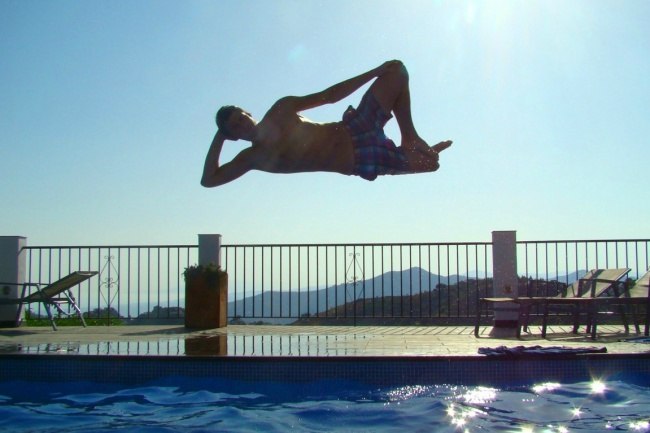
#### Leisure Dive
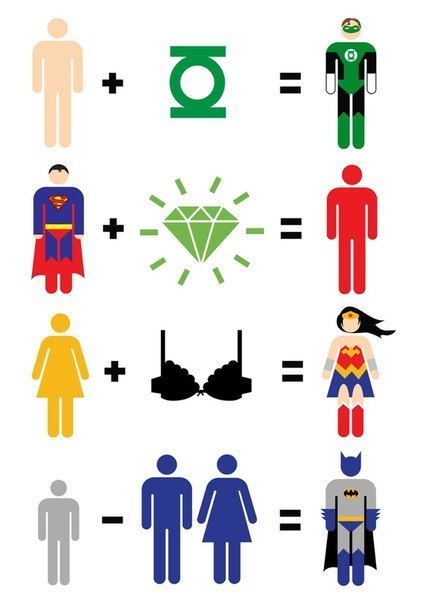
Graphic designer Matt Cowan from Italy has created a series of illustrated mathematical equations that identify superheroes and villains.
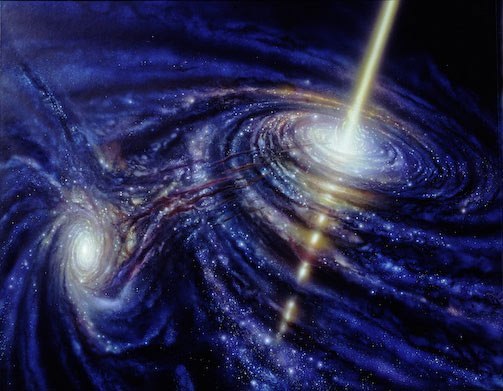
Quasars are some of the most distant objects in the universe. They are extremely bright and emit large amounts of energy, including a tremendous amount of light. Quasars are formed when giant galaxies contain massive stars with very high masses and densities. These stars have such high temperatures that their surfaces reach temperatures of millions of degrees Celsius. Their extreme brightness makes them visible even from enormous distances. Therefore, quasars can be considered to be some of the
“Elixir of Youth”
Recommended articles

More Galleries
- #### Leisure Dive
- Graphic designer Matt Cowan from Italy has created a series of illustrated mathematical equations that identify superheroes and villains.
- Quasars are some of the most distant objects in the universe. They are extremely bright and emit large amounts of energy, including a tremendous amount of light. Quasars are formed when giant galaxies contain massive stars with very high masses and densities. These stars have such high temperatures that their surfaces reach temperatures of millions of degrees Celsius. Their extreme brightness makes them visible even from enormous distances. Therefore, quasars can be considered to be some of the
- “Elixir of Youth”
 Graffiti in the Alien Zone
 Christopher S
 Meliton Kantaria
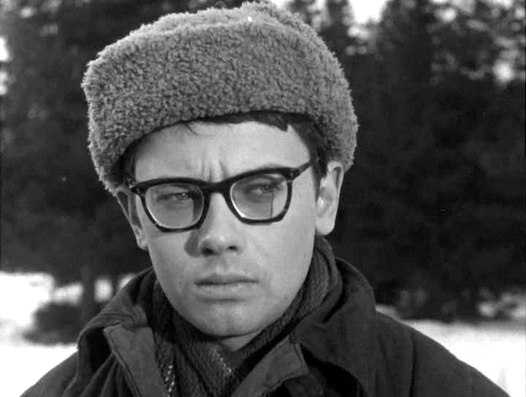 Alexander Sergeyevich Demyanenko was born on May 30, 1937, in Sverdlovsk. He studied at the GITIS, and after graduating, he worked for several months at the Mayakovsky Theater before moving to Leningrad, where he spent the rest of his life. His theatrical career...
 Iris Tablet – a transparent tablet launched by the company Fujitsu.
 A suspension bridge in Malaysia that is 685 meters high.
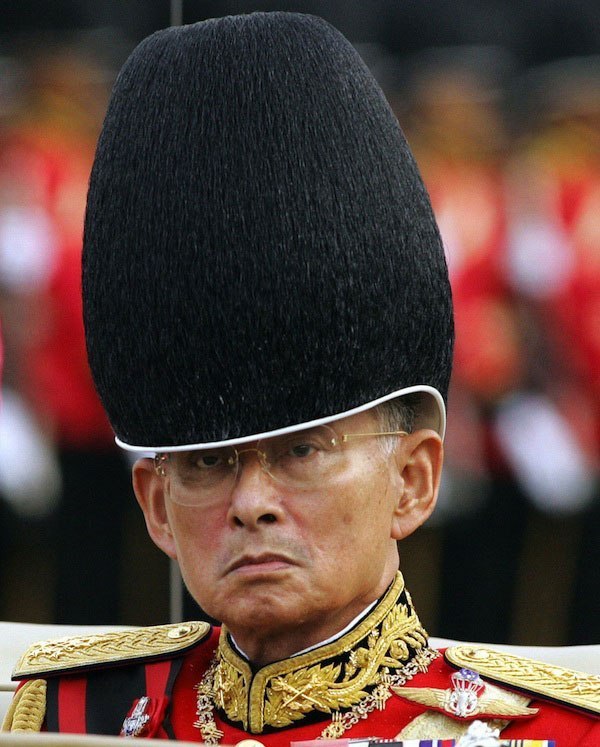 The Top 6 Richest Heads of State in the Modern World
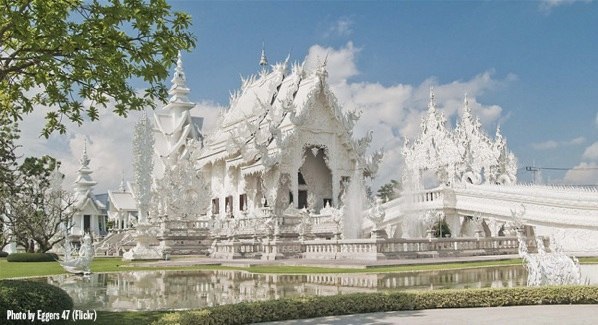 The city of Chiang Rai in northern Thailand is one of those regions where traditional Thai culture and art thrive. 5 kilometers south of the city lies an incredibly beautiful white structure – Wat Rong Khun, also known as the White Temple.