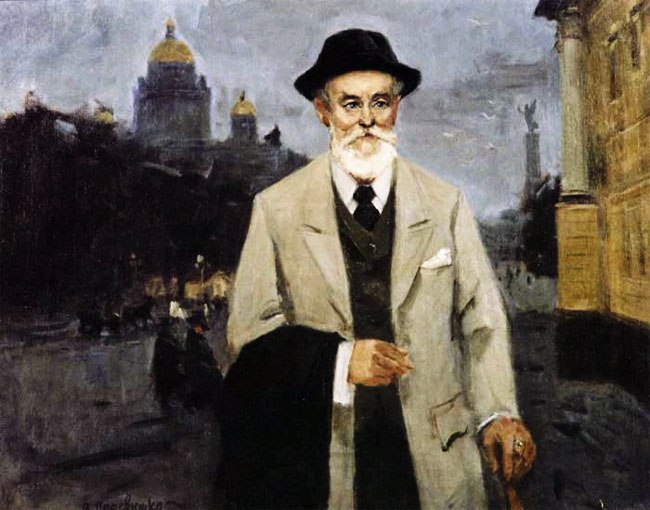
Peter Karl Fabergé was born on May 30, 1846, in Saint Petersburg. His father was a modest jeweler who owned his own business. The boy exhibited artistic talents at an early age and showed a particular interest in the art of jewelry making.2 zdjęć
Stary Faberge went to great lengths to ensure that Karl received an excellent education. He studied at the oldest and most prestigious German gymnasium in Saint Petersburg, and later at a commercial college in Paris. For several years, he gained practical experience in the jewelry industry in various European cities. In 1872, Karl took over his father’s jewelry workshop.
Success first came to Faberge in 1882 at the All-Russian Industrial and Art Exhibition in Russia’s capital. His exhibits of modern jewelry art, in the form of elegant women’s accessories, won him a gold medal.
Around the same time, Karl began supplying his products to the Imperial Court.At first, his share of orders was not very significant. He competed with other well-known jewelers for imperial commissions, but over time his share increased. His name began to appear more frequently in the court records.
By providing free assessment, repair, and restoration services for jewelry items in the Hermitage Museum, he quickly won over the favor of the high-ranking court officials. His access to the museum’s collections also allowed him to study in detail the technical skills of ancient masters and the stylistic features of works from different eras.He continuously met the public’s demands by creating a range of useful items—portfolios, lamps, clocks—that were innovative in design and superior in quality and craftsmanship.
These instantly recognizable objects became excellent symbols of their owners’ status.
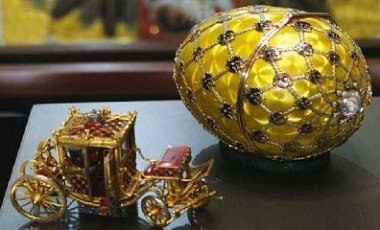
Faberge’s famous collection of Easter eggs was created at the imperial order. It consisted of 54 eggs in total. Today, 45 of these eggs have been preserved; a photo of another exists, and five more are known from descriptions. One of the two unfinished eggs, which were being worked on in 1917, has also survived.
After the October Revolution, Faberge’s company and family assets were confiscated and looted. In late 1917, Karl closed his workshop and entrusted its contents to the director of the Hermitage Museum. He himself moved abroad.Peter Karl Faberge passed away on September 24, 1920, in Lausanne and was cremated according to his wishes.
In 2004, the Forbes collection of Faberge Easter eggs, purchased for 100 million dollars by Russian businessman Viktor Vexelberg, was returned to Russia.
Znajdź najlepszych specjalistów dla swojego projektu
Specjaliści od remontów, budowy i wykończeń gotowi Ci pomóc
Polecane galerie
Polecane artykuły



Więcej galerii
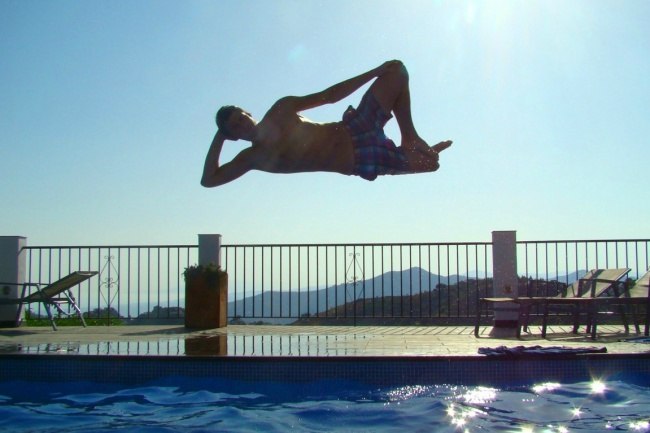 Swimming for pleasure: Now a new form of entertainment created by bored young people in the UK.
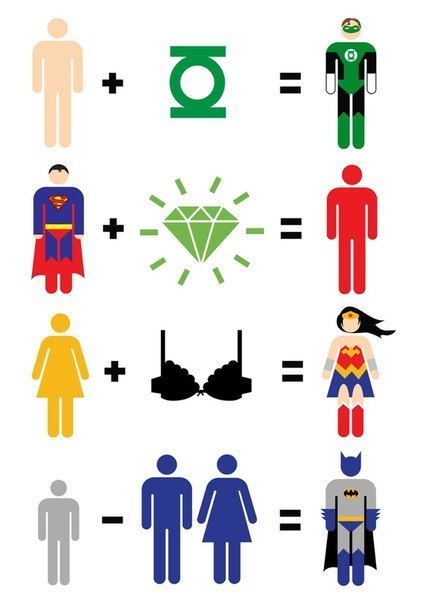 Graficzny designer z Włoch Matt Cowan stworzył serię ilustrowanych matematycznych równic, które przedstawiają superbohaterów i złoczyńców w postaci matematyczkich wzorców.
 Kwazary
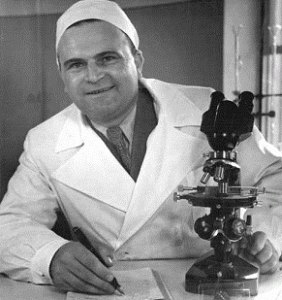 „Eliksir młodości“
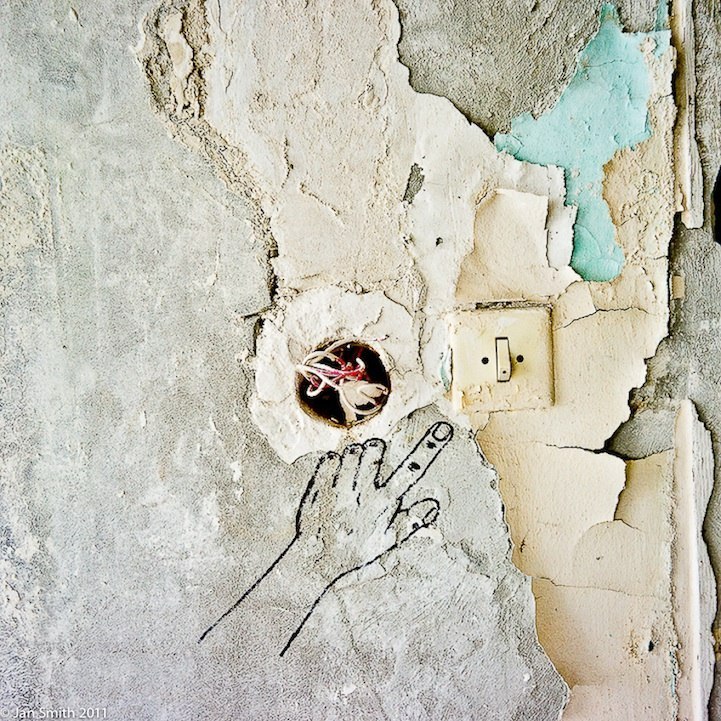 Graffiti w strefie wykluczenia
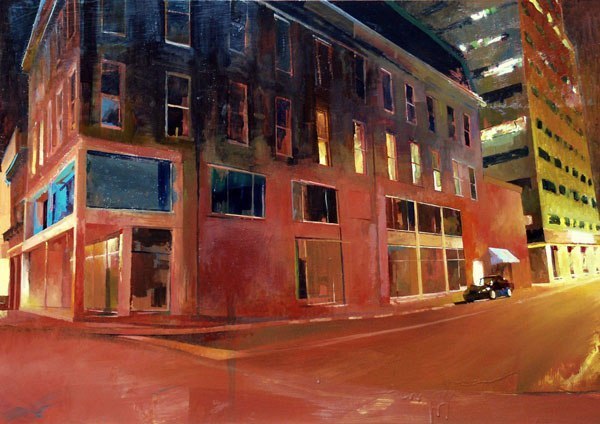 Christopher S
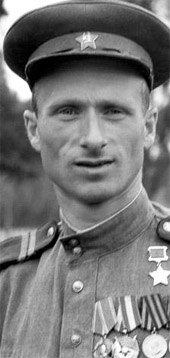 Meliton Kantaria
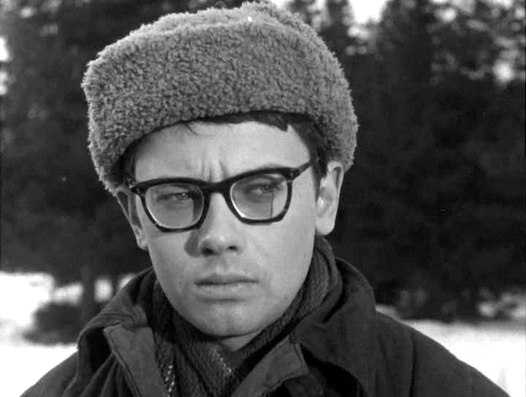 Aleksander Siergiejewicz Demianenko urodził się 30 maja 1937 roku w Swerdłowsku. Studiował w GITIS-ie, po którym przez kilka miesięcy pracował w teatrze im. Majakowskiego, a potem przeniósł się do Leningradu, gdzie spędził całe swoje życie. Jego życie teatralne…
 Iris Tablet – to przezroczysty tablet wyprodukowany przez firmę Fujitsu.
 Polish Most zwiszący w Malezii o wysokości 685 metrów
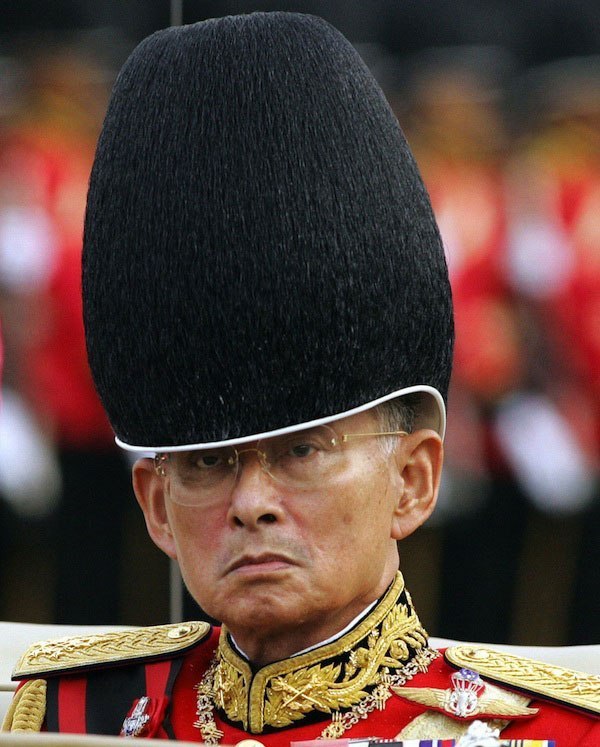 Top 6 najbogatszych głów państwa w świecie dzisiaj
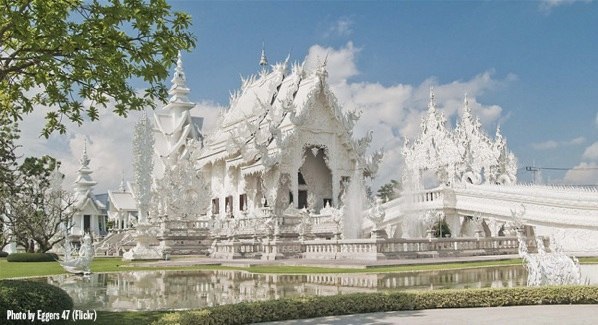 Miasto Chiang Rai na północy Tajlandii należy do tych regionów, gdzie tradycyjna taijska kultura i sztuka rozkwitają. W odległości 5 kilometrów na południe od miasta znajduje się niezwykle piękna biała budowla – Wat Rong Khun, znana także jako Biały Tempel.