Gastronomic Vienna.
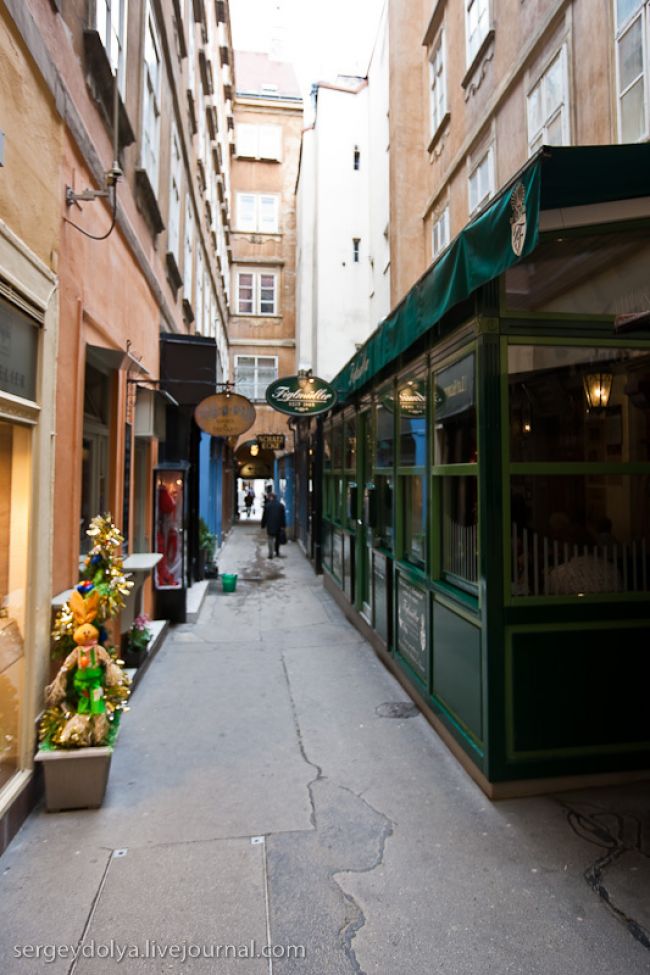
This is a very small establishment—with a toilet “out on the street,” since there wasn’t enough space inside:
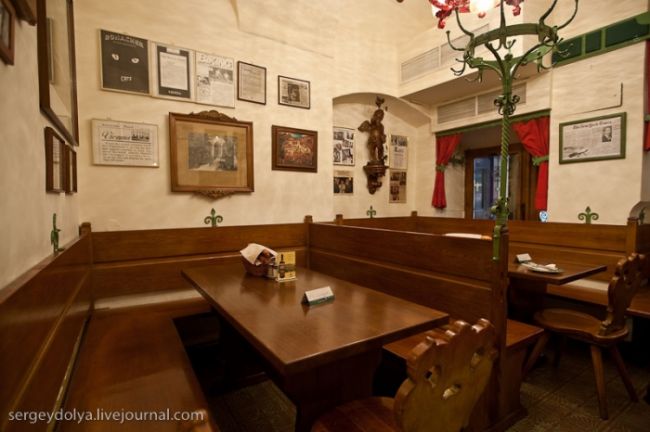
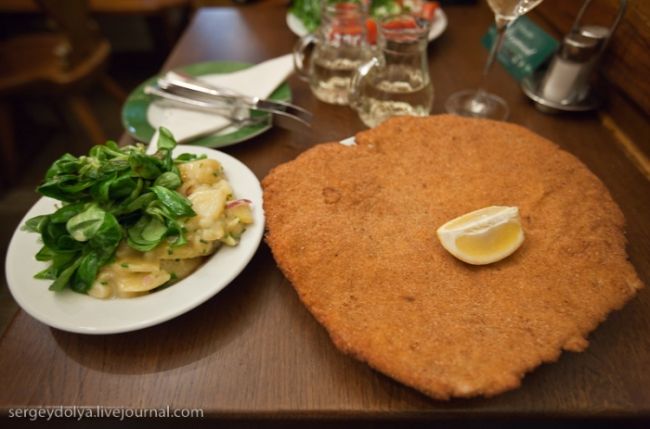
The meat is thinly sliced, coated with breadcrumbs, and then fried in hot oil. The restaurant has been open since 1905 and is famous for its huge schnitzel, which weighs at least 250 grams. Potato salad is served alongside it. The local schnitzel is made from extremely tender meat, so the pores close quickly, keeping it exceptionally juicy:
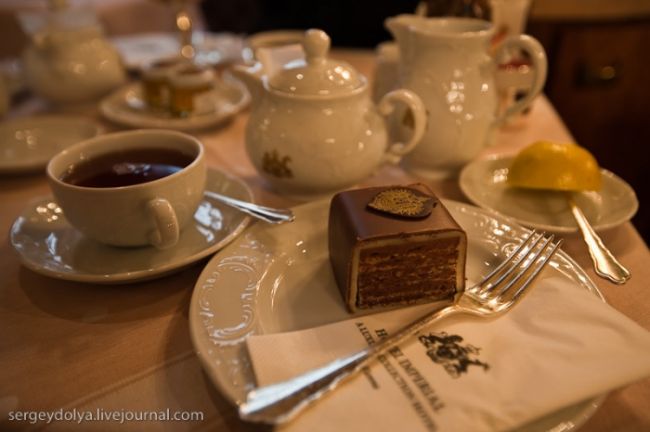
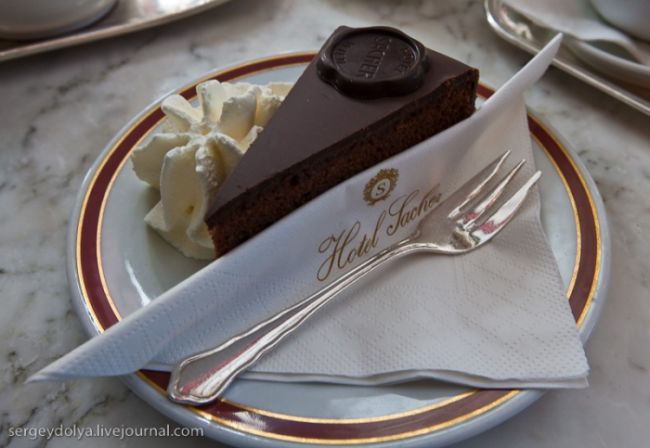
For dessert, I headed to the Imperial Hotel. I have already written about Vienna’s most popular pastry, the Sachertorte, which is served at one of the most expensive and prestigious hotels in Vienna—the Sacher Hotel. This time, I decided to try Vienna’s second most popular pastry, the Imperial Torte, at the café in the same hotel:
I much preferred this torte to the Sachertorte. It was first created in honor of Emperor Franz Joseph and was introduced to the public during the grand opening of the hotel. Inside, it resembles our Ukrainian Kiev Torte, only mixed with truffles. On the outside, it is covered in a chocolate crust with a layer of marzipan:
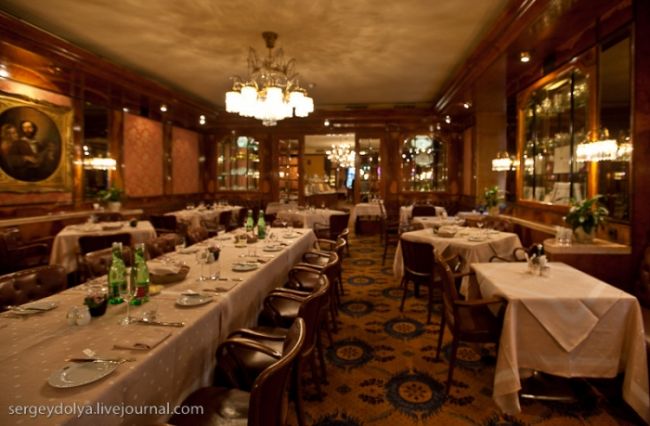
For dinner, I went to the famous Austrian restaurant Plachutta. It is known for its “Imperial Tafelspietz” — boiled beef. This is a favorite dish of Austrian emperors, and at this restaurant, it is served just the way it was served to the kings. The Tafelspietz is considered an authentic Austrian dish. The trick here is that the meat is simmered over low heat for 5 hours, making it extremely tender and juicy. It is served in a pot with rich broth, fried potatoes, spinach, cabbage, and two sauces: grated apples with horseradish and whipped cream sauce with horseradish:
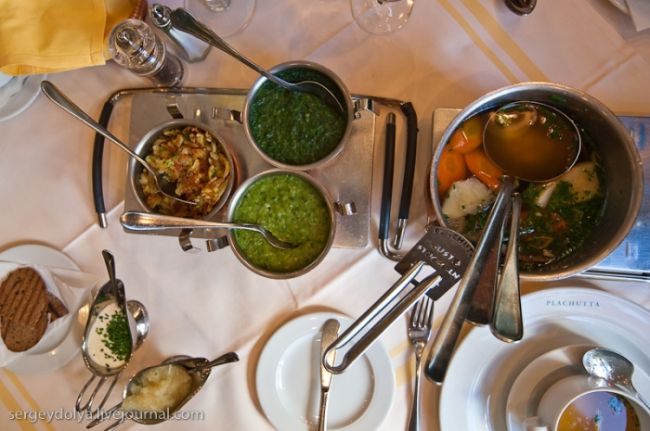
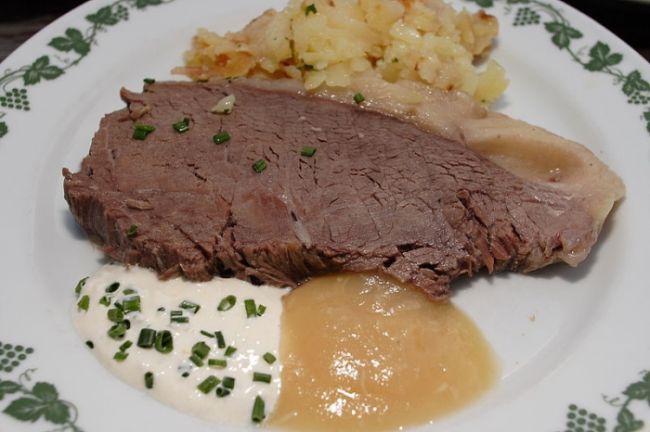
I have probably never tasted such rich broth in my life. I couldn’t resist and ate two bowls, even after asking for more. After that, the waiter took a large piece of meat out of the pot and placed it on my plate. Before taking a photo, I decided to taste it first. The meat was absolutely delicious—tender, smooth, and melting in the mouth. I couldn’t stop eating it, so the photo I’m showing isn’t mine; it’s from Wikipedia:
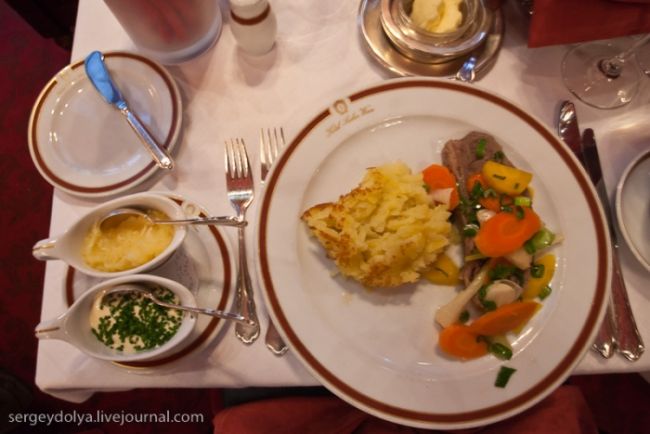
Do you remember the cartoon “Ratatouille,” where the critic tries the dish and is reminded of his childhood? The same thing happened to me when I tasted my mother’s broth with meat in it. I remembered how my brother and I would scoop the meat out of the pot, and our father would call us “Lohankins.” At that time, I hadn’t read “The Golden Goose” and didn’t understand what it was about. I liked the Tafelspietz so much that I ate it again for lunch the next day, but at a different restaurant. Online, I read about a debate between Plachutta and the Sacher Hotel: which restaurant serves the Tafelspietz in the right way. I decided to try it myself and form my own opinion. The Tafelspietz at the Sacher Hotel was much more formal in presentation, but the meat itself didn’t taste as good to me, even though it was just as tender. The broth here was less rich, and the meat seemed a bit bland:
After dinner, I couldn’t resist and ate another piece of Sachertorte:
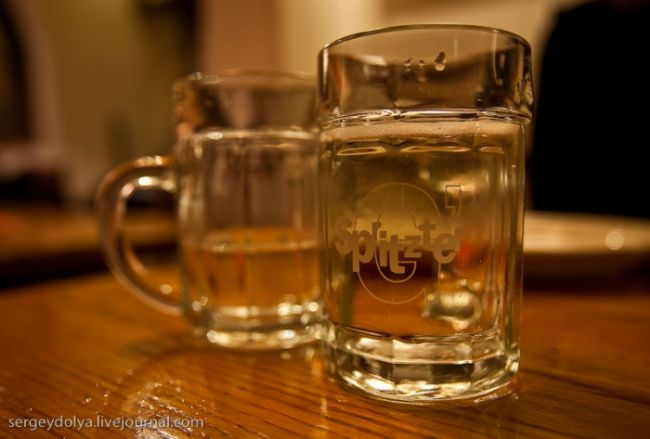
For dinner, I went to the traditional Austrian restaurant Hoeriger. “Hoeriger” means “this year” in German. These restaurants serve young wine and local delicacies. It’s very popular to mix wine with soda; this drink is called Gespritz:
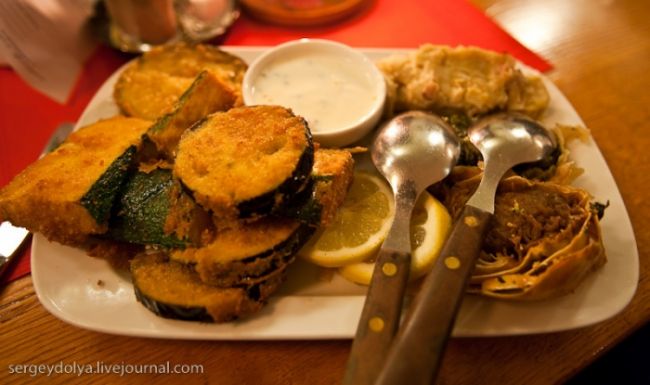
There is a salad bar at the entrance of the restaurant. The wine is brought to your table, and you go there to get your food. I chose a traditional Austrian appetizer:
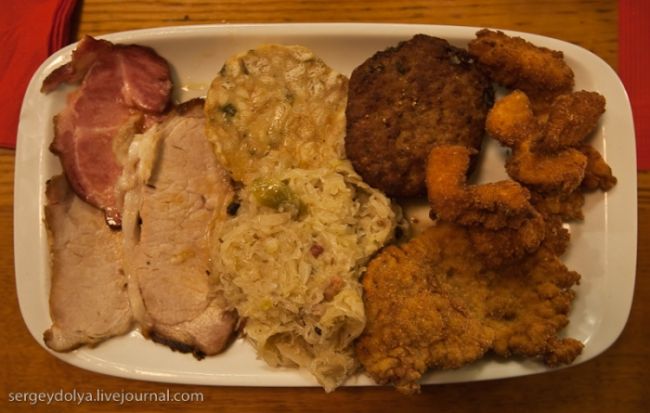
And then I ordered some meat dishes as my main course:
The next day, I went to the Schönbrunn Palace. It was raining, so I stopped by a local café. In the basement, there was a workshop on how to make Vienna strudel. Since this trip was purely about food, I bought a ticket and attended the demonstration. Although strudel is associated with Austrian cuisine, its recipe actually originated elsewhere. 300 years ago, some Turkish travelers brought it to Vienna, where it became popular. I will provide the detailed recipe for strudel at the end of this article; here are some brief explanations first. At the beginning, our chef took a piece of dough that had been sitting in oil for 30 minutes, dusted his hands with flour, and began rolling out the dough on a kitchen towel:
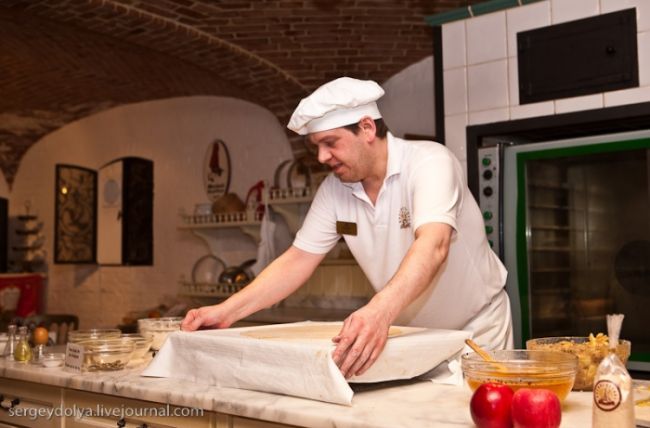
Instead of using a rolling pin, he started stretching the dough by throwing it into the air. Soon after, he began using his elbows actively as well:
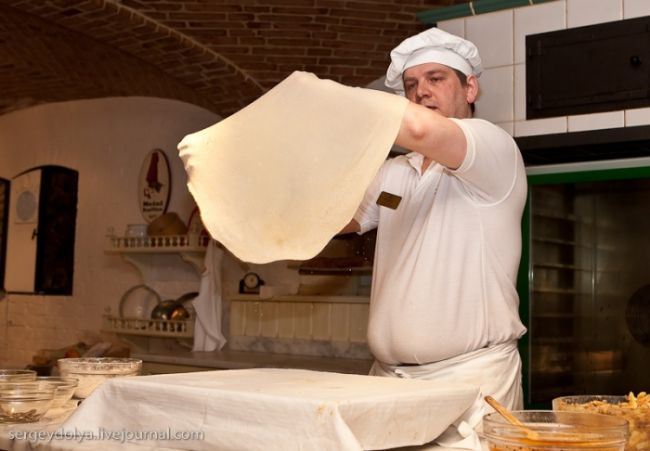
Once the dough was stretched out, he laid it on the towel and cut off the thick edges with a knife. Then he spread the prepared filling on top:
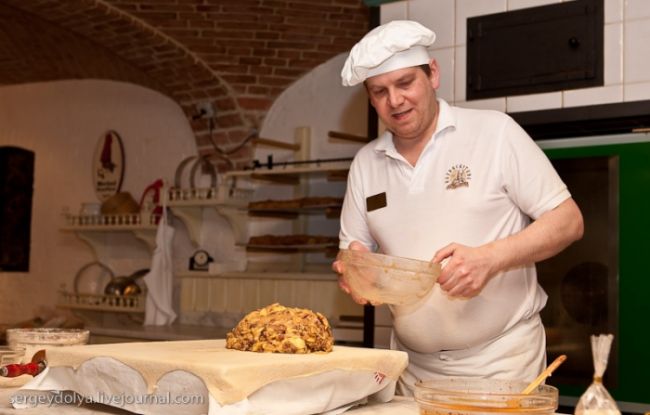
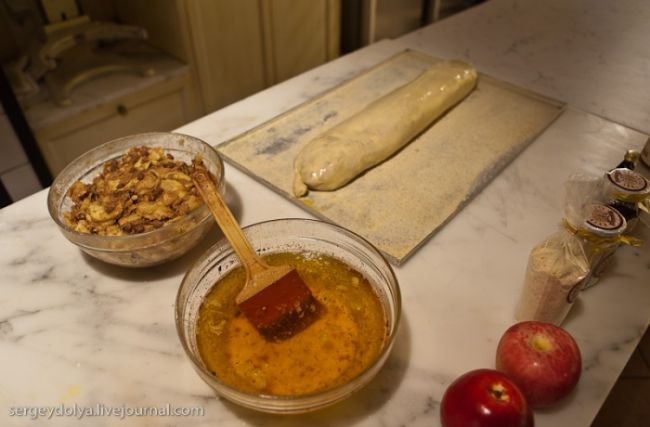
The secret to making strudel lies in its wrapping. The chef carefully folded it up using the towel:
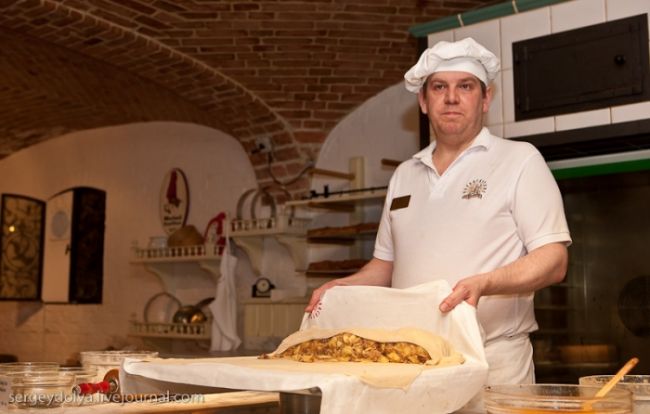
What resulted was a roll of dough that was generously coated with oil on top:
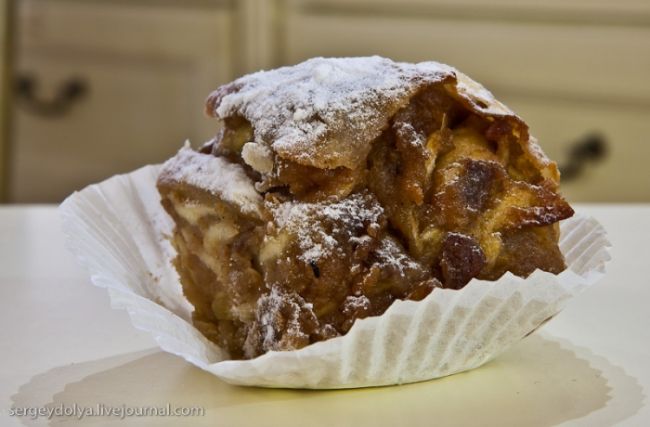
Finally, we were served some delicious strudel:
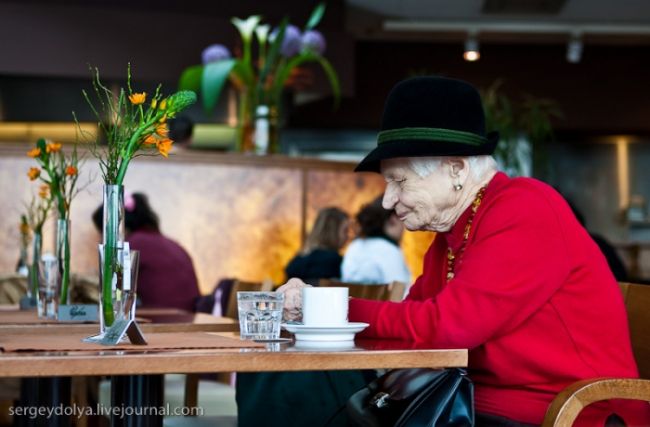
Here is the recipe we were given after the demonstration: **Strudel Dough:** 250 grams high-gluten flour (700-degree fine grinding), 2 grams salt, 50 grams eggs, 100 grams room-temperature water, 20 grams vegetable oil. Mix all the ingredients until you get a soft dough that doesn’t stick to your hands or the surface of the bowl. Roll the dough into a ball, coat it with vegetable oil, and let it rest for 20–30 minutes. Then roll it out on a clean, floured surface into a square shape and stretch it as thin as possible using the back of your hands. Coat the dough with butter. **Pancake Crumbs:** 100 grams breadcrumbs, 50 grams butter. Melt the butter in a pan and add the breadcrumbs; fry them until they turn golden brown. **Filling:** 150 grams breadcrumbs, 150 grams brown sugar, 170 grams raisins, 10 grams lemon juice, 1100 grams sour apples (peeled and cored, sliced), a little rum. Mix all the ingredients well. **Assemble and Bake:** Spread the filling on the stretched dough, cut off the thick edges, and carefully roll up the strudel using a clean towel. Transfer it to a buttered baking sheet and bake at around 190 degrees Celsius until it turns golden brown. **Tip:** Immediately after baking, coat the strudel with hot butter. Finally, here is a photo of a typical visitor to a Vienna café:
You can find these and other recipes here: http://modno.ua/kiev/cook
Find the Best Professionals for Your Project
Expert repair, construction, and renovation specialists ready to help you right now
Recommended articles
More articles:
 The World’s Largest Chocolate Train
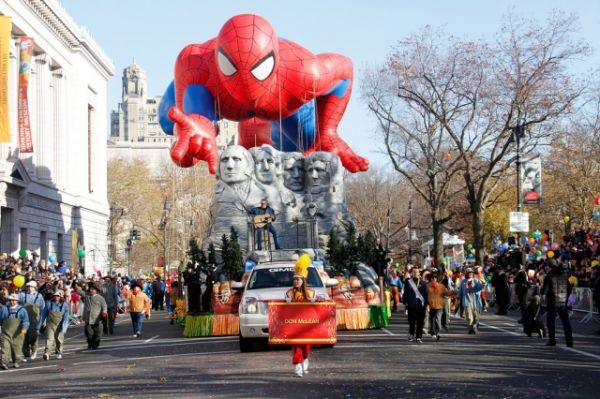 Celebrities and many others attended the parade on Thanksgiving Day.
 What movies to watch in theaters – new releases starting from November 29th
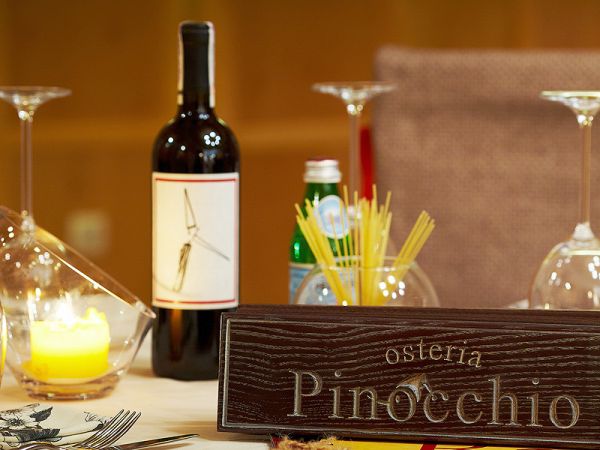 Osteria Pinocchio’s Exclusives
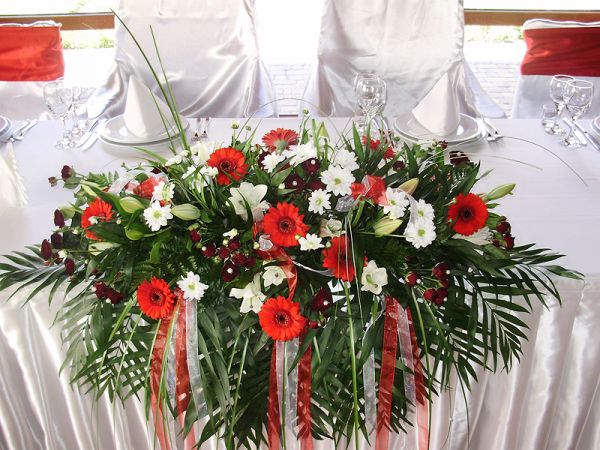 Wedding at Tradition Restaurant
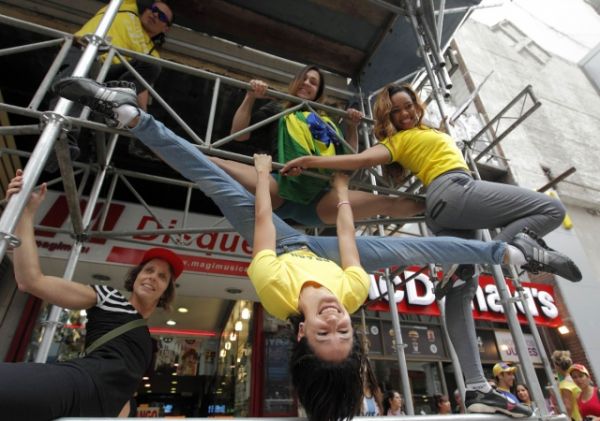 2012 South American Half-Dance Championship
 20 outstanding works submitted by participants in the photo competition from “National Geographic”
 CRITICAL: Do NOT add any markdown formatting (like ###, **, Dar al-Hajjar is a palace built on a rock face.