The Genoese fortress of Kafa (Feodosia)
Genoese fortress - the city of Kafa in Feodosia.
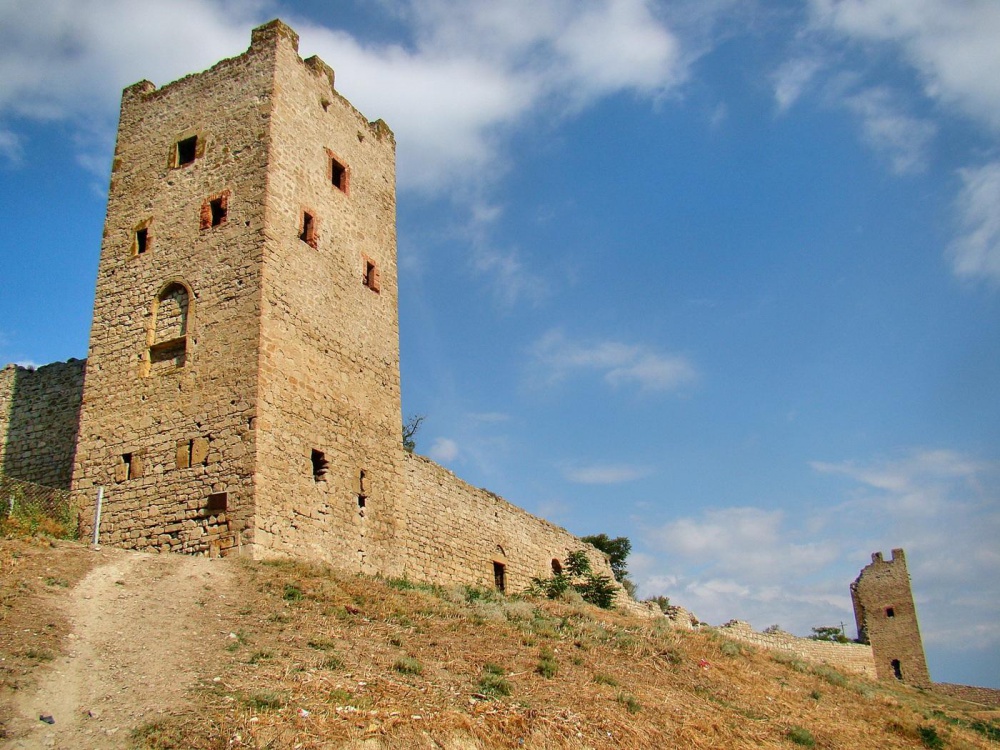
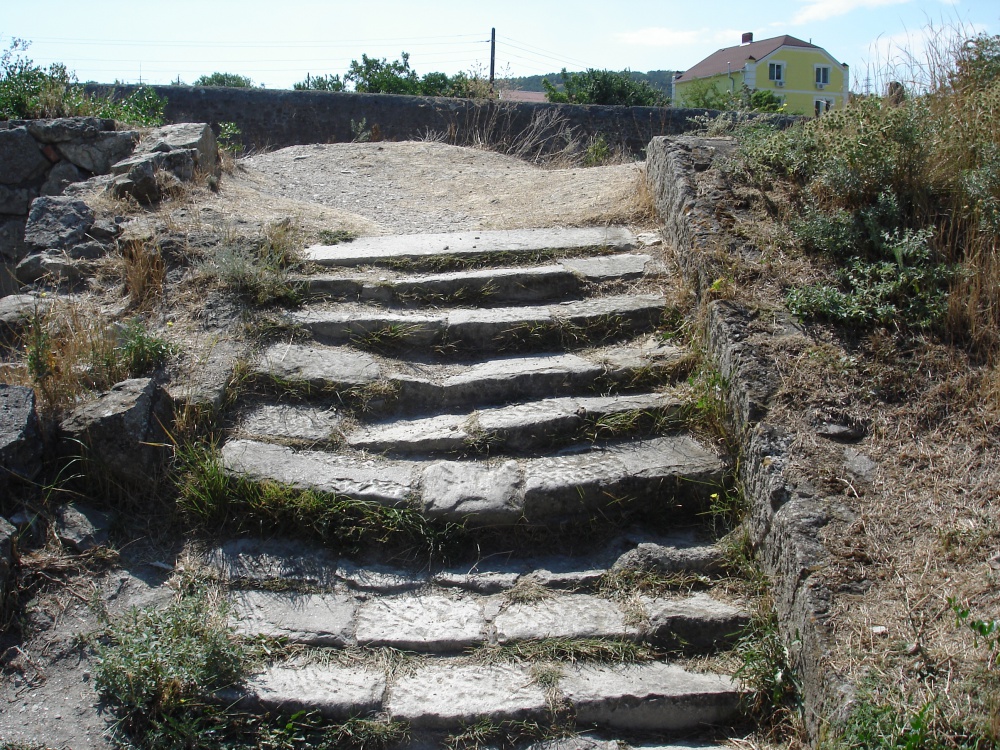
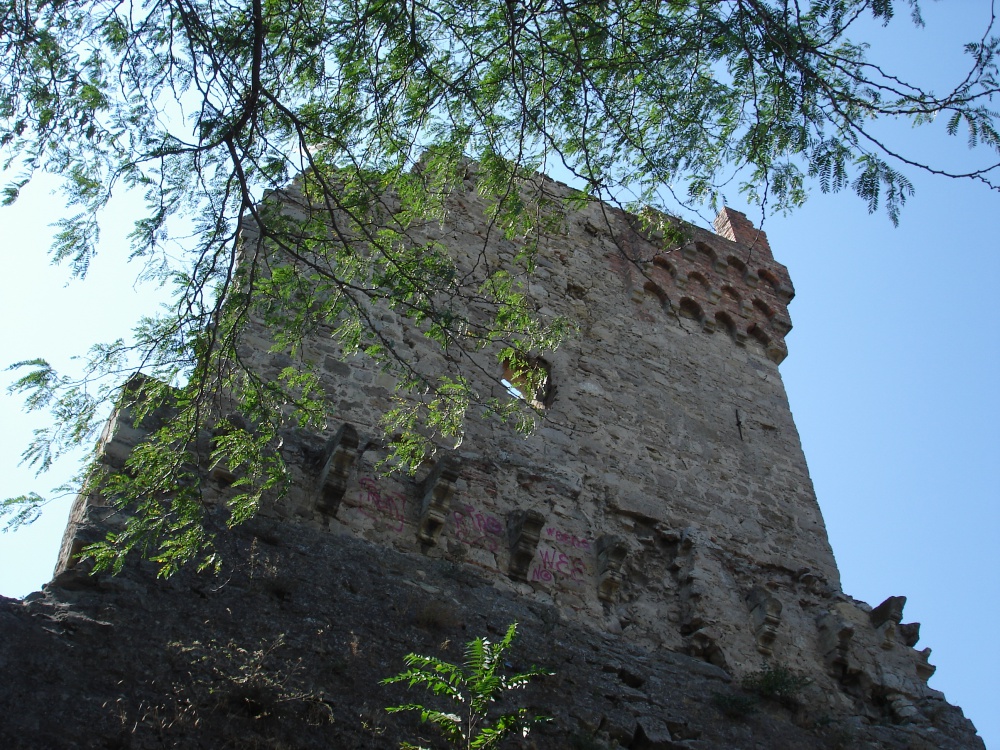
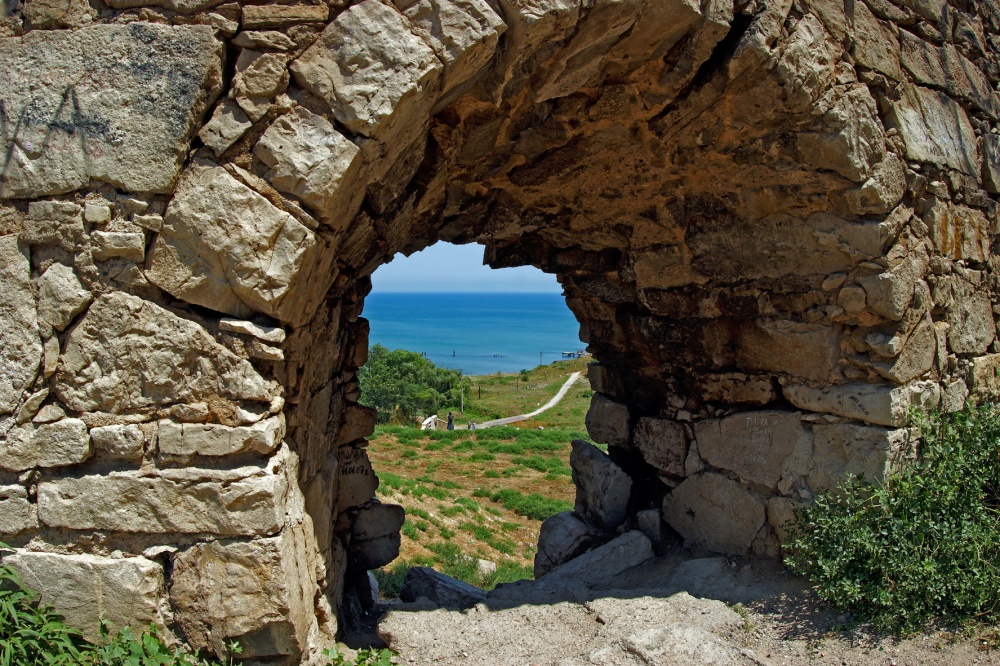
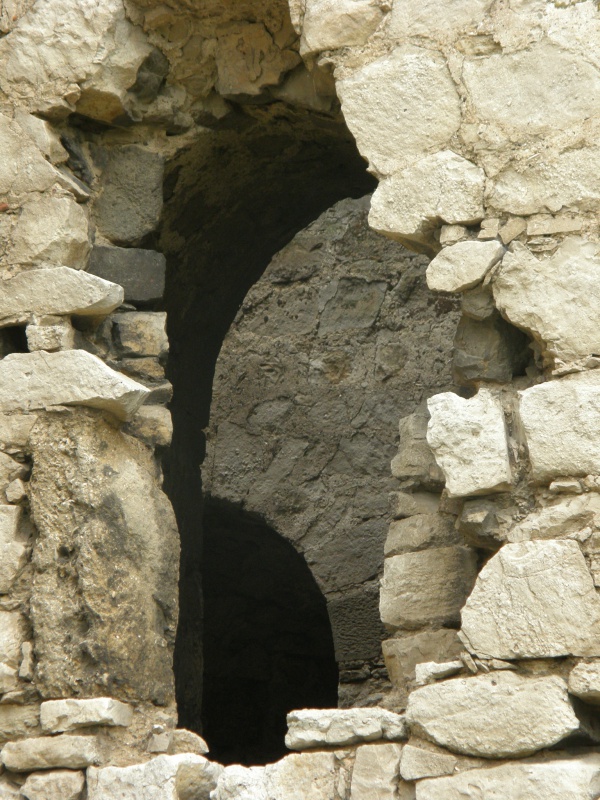
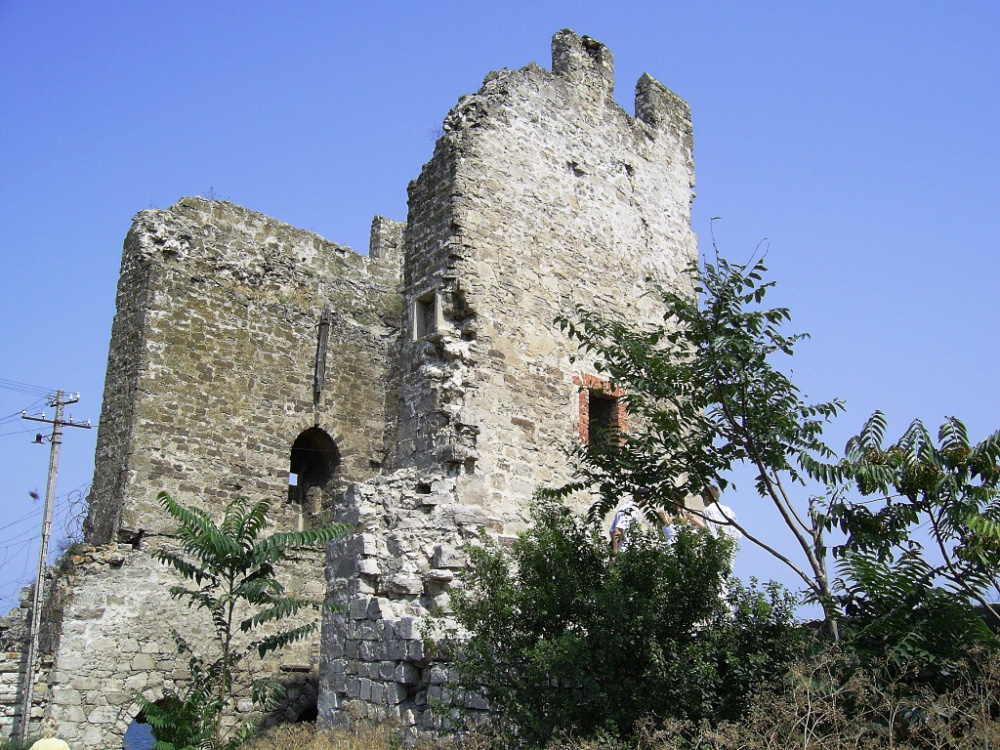
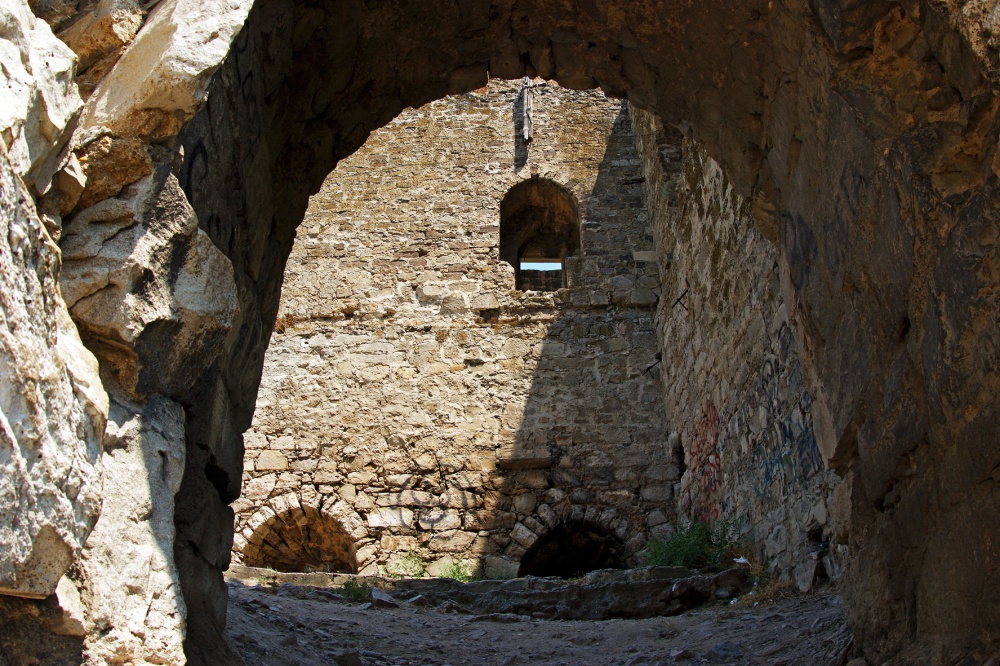
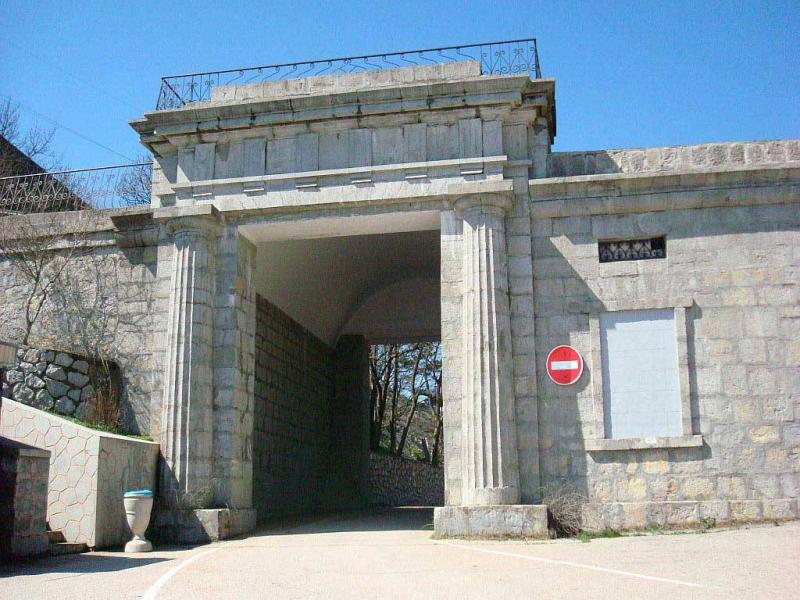
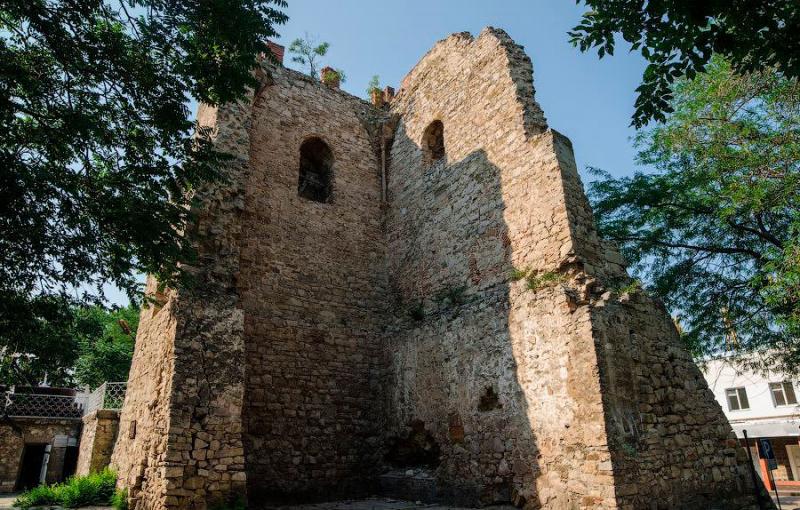
Construction of the XIII - XIV century. In 1226 Genoese merchants bargained from the Tatar khan Oran-Timur Feodosia's ruins and in their place built the fortress of Cafu, which became the center of the Black Sea possessions of Genoa. Quite soon the fortress of Kafa turned into the largest transit center of international trade and a stronghold of the Genoese colonies in the Black Sea region. Through Cafu to Europe, wheat, eastern spices, gold and precious stones were exported. The city was vast and rich. In the port stood hundreds of merchant galleys. The quay sometimes was not enough for arriving ships. I heard the multilingual dialect of dozens of nationalities: here lived the Greeks and Italians, Armenians and Jews, Ukrainians and Bulgarians, Karaites and Tatars. Kafa was a city of the slave trade. Historical documents indicate that in the XII-XV centuries Kafa was the center of the slave trade in the Black Sea basin, its slave market is known both under the Genoese, and later in the Turks. The fortress of Kafa, the second largest after the fortress of Thessaloniki in Greece, wasbut one of the most powerful in Europe. The fortress had two lines of fortifications: the citadel and the outer part. The citadel was erected in 1340-1343 years around the Quarantine hill, on steep slopes towards the sea, which could serve as a primary barrier for enemies, was completed for another ten years. The citadel is built of limestone on a lime mortar with carefully stitched seams. The building materials for the fortress were usually mined in places where rock formations came out on the slopes of the surrounding mountains or from the seabed. The length of the walls of the citadel was 718 meters, of which 469 m were preserved. The walls reached an altitude of 11 meters and 2 meters in width. The perimeter of the outer fortress was almost 5.5 kilometers and included more than 30 towers. Under the walls there was a deep ditch filled with water, serving as a defensive structure and as a channel for discharging storm sewage into the sea. In terms of the city fortress resembled an amphitheater, the scene of which was the Theodosia Bay. In the citadelthe consulate palace, the treasury, the residence of the Latin bishop, the court building with a balcony for the announcement of consular orders, offices for checking weights, warehouses and stores of especially valuable goods - precious stones, furs, silks. In the XIX century, most of the structures were dismantled. To this day, the southern wall of the citadel with two towers (the tower of St. Clement and the Tower of Crisco), a part of the western wall, pylons of the gate, several towers in different parts of the city (Dokova, Constantine, round) have been preserved. On the territory of the citadel there are also preserved a bridge, Turkish baths and several churches.
Find the Best Professionals for Your Project
Expert repair, construction, and renovation specialists ready to help you right now